2 Work under the various criteria
2.1 Product-based criteria

The criteria apply to GPFG-invested companies which themselves or through entities they control:
- develop or produce weapons or key components of weapons that violate fundamental humanitarian principles through their normal use. Such weapons include biological weapons, chemical weapons, nuclear weapons, non-detectable fragments, incendiary weapons, blinding laser weapons, antipersonnel mines and cluster munitions
- produce tobacco or tobacco-products
- produce cannabis for recreational use
The criterion applies to mining companies and power producers which themselves, or consolidated through entities they control, either:
- derive 30 per cent or more of their income from thermal coal,
- base 30 per cent or more of their operations on thermal coal,
- extract more than 20 million tonnes of thermal coal per year, or
- have the capacity to generate more than 10,000 MW of electricity from thermal coal.
In relation to the product-based criteria, the Council’s work consists of evaluating cases that are identified via the portfolio monitoring process. In 2025, the Council recommended the exclusion of one company that produces cannabis for recreational purposes. However, the bulk of the Council’s work related to the weapons criterion. The Council recommended the exclusion of two companies that produce key nuclear weapons components. In addition, it was recommended that the grounds for one company’s exclusion be altered from cluster munitions to nuclear weapons.
With regard to the coal criterion, Norges Bank is authorised to make decisions concerning the observation or exclusion of companies without a recommendation from the Council on Ethics. A division of labour has been agreed between Norges Bank and the Council, under which the Bank identifies and assesses companies which fall within the scope of the coal criterion. The consultant charged with monitoring the portfolio with respect to the product-based criteria nevertheless reports to the Council on companies which may fall within the scope of this criterion. The Council shares all relevant information with the Bank. This division of labour is continued under the interim ethical guidelines.
2.2 Serious or systematic human rights violations

The criterion applies to GPFG-invested companies if there is an unacceptable risk that the company contributes to or is responsible for:
- a. serious or systematic human rights violations
This criterion covers a wide range of issues. During the year, the Council has worked on cases relating to conditions in asylum reception centres, forced relocations, violence against local communities and human rights abuses linked to the use of digital technology. In 2025, cases regarding labour rights, and the rights of Indigenous peoples required the greatest share of the Council’s resources.
In 2025, the Council recommended the exclusion of three companies under the human rights criterion. These recommendations concerned the violations of Indigenous peoples’ rights in Indonesia and Colombia.
2.2.1 Labour rights
Labour rights abuses accounted for the bulk of the 70 or so human rights cases that the Council worked on in 2025. Around half of these cases relate to the working conditions experienced by migrant workers. Migrant workers are particularly vulnerable to exploitative employment terms, particularly in relation to recruitment processes, which can leave them in situations of employer control that may amount to coercive conditions and render them unable to terminate their employment freely.
For a number of years, the Council has worked on cases in the Gulf States, where migrant workers make up a large proportion of the labour force. The Council is unable to commission on-site investigations in these countries due to security concerns. The Council therefore bases its assessments on reliable media reporting and reports from credible NGOs. In 2025, the Council examined companies that provide courier and transport services via digital platforms. These platform companies have no formal employer responsibility for the couriers, who are employed by staffing agencies, yet the couriers wear the platform companies’ uniforms.
The couriers often come from the poorest countries in Asia and Africa and find themselves trapped in unacceptable working conditions that are difficult to escape, partly due to high recruitment fees and the retention of their identity documents. The investigations have also uncovered long working hours, the absence of regular rest days, and hazardous working conditions.
Poor working conditions for migrants are nonetheless not unique to this part of the world. The Council investigates serious cases that are identified via news monitoring, irrespective of where the companies operate or are registered. In 2025, one company was placed under observation due to the risk that it is contributing to the violation of migrant workers’ rights at shipyards in Italy. Furthermore, media reports about working conditions for migrant workers in Taiwan led the Council to select certain companies for further investigation. These investigations are expected to be conducted in 2026.
In some countries, such as India, internal migration is widespread. The Council has investigated companies whose workforce was found to be made up of 90 per cent internal migrants. Almost none of these workers had formal employment contracts, they were obliged to work long hours and were unable to organise or join a trade union. Serious harassment of female workers was also uncovered. These investigations were based on interviews and a review of documents.
In 2025, the Council also started investigating employment conditions in the shoe industry. The GPFG has invested in relatively few shoe manufacturers, and the Council aims to examine all GPFG-invested companies producing footwear in certain countries where the risk of labour rights abuses is high. These investigations involve both factory inspections and interviews with employees. So far, a small number of manufacturers have been scrutinised, and the investigations did not identify labour rights violations of a severity that would justify recommending exclusion.
Experience from such investigations shows that even though companies often have good guidelines, these are not necessarily reflected in actual working conditions. Investigations that provide tangible and direct knowledge of working conditions have therefore been crucial for assessing whether the companies’ practices are acceptable. At the same time, the investigations have formed an important foundation for further dialogue with the companies, a process that has in some cases resulted in the implementation of concrete measures to improve working conditions in the facilities.
2.2.2 Indigenous peoples’ rights
Projects that require large areas of land or involve extensive changes to the natural environment in areas inhabited by Indigenous peoples constitute a significant risk of infringing Indigenous peoples’ rights. High-risk sectors include mining, oil and gas extraction, large scale agriculture and energy projects, including renewable energy facilities such as hydropower plants and wind farms. The three recommendations to exclude companies that the Council issued in 2025 are linked to the extraction of natural resources.
More than 476 million people belonging to Indigenous peoples live in approximately 90 countries across the globe, encompassing more than 5,000 different ethnic groups. They live in all parts of the world and represent a wide cultural and linguistic diversity. Indigenous peoples often have strong ties to nature and maintain traditional knowledge that is closely connected to the sustainable use of natural resources. They play a key role in the preservation of biodiversity. More than 36 per cent of the world’s intact forests are located within the traditional territories of Indigenous peoples. At the same time, Indigenous peoples are among the world’s most marginalised groups and are often subject to discrimination, poverty, the loss of land and systematic human rights abuses.1
Indigenous peoples’ rights are covered by the human rights criterion set out in the GPFG’s ethical guidelines. The Mestad Committee (2020) and subsequent report to the Storting on the management of the GPFG emphasised that “Indigenous peoples are extremely vulnerable to human rights abuses, for example, in connection with infrastructure construction projects and the extraction of natural resources. Major construction projects have the potential to violate individual rights, in addition to putting Indigenous peoples’ culture, way of life and livelihood in danger.”2
Indigenous peoples’ rights are protected through internationally recognised conventions, particularly the United Nations Declaration on the Rights of Indigenous Peoples (UNDRIP) and ILO Convention No. 169. These establish the right of Indigenous peoples to self-determination, which means that they can freely determine their political status and govern their own economic, social and cultural development. They also establish the principle of free, prior and informed consent (FPIC),3 which requires that Indigenous peoples must be consulted with the aim of obtaining their consent before measures affecting them are implemented. Indigenous peoples have the right to own, use and control their traditional territories and natural resources, as well as to preserve and develop their culture, language and identity.
In previous recommendations, the Council has highlighted the effects of norm violations on vulnerable groups to which companies in the GPFG may be contributing. Indigenous peoples and tribal peoples are not by nature vulnerable groups, but they can be placed in vulnerable situations, often as a result of corporate activities. For Indigenous peoples who depend directly on water and natural resources in their territories, the effects of projects that require large areas of land or involve significant disruption to the natural environment may be greater than for other groups in society. A violation may therefore have disproportionately serious consequences for Indigenous peoples compared with the wider population.
Indigenous peoples who live in voluntary isolation are in an especially vulnerable situation. These are groups who have chosen not to have contact with outsiders. They may also be groups who have previously been in contact with other groups in society, but who have withdrawn as a survival strategy.4 Such groups are completely dependent on their traditional territories and natural resources to survive.
One of the cases on which the Council issued a recommendation in 2025 concerned the risk associated with mining operations in an area of Indonesian rainforest occupied by isolated Indigenous peoples. Deforestation linked to the mining operation would reduce the territory and means of subsistence of this Indigenous group, which could put their health, way of life and very existence in danger. In its assessment, the Council emphasised the necessity of avoiding unwanted contact with outsiders, due to the serious risk this could pose to the health of individuals with no immunity to common diseases, and out of consideration for the group’s right to self-determination.
In such cases, the Council expects companies to refrain from operating in the area and not to establish contact with the Indigenous group. This is in line with the guidelines and recommendations of the UN High Commissioner for Human Rights (OHCHR) and the Inter-American Commission on Human Rights (IACHR).5 The Council has identified countries and areas where Indigenous peoples live in voluntary isolation and will continue to follow up companies engaged in projects that may pose a potential risk to such groups.
Cases concerning Indigenous peoples’ rights often have an environmental dimension. Indigenous peoples’ ways of life are closely linked to nature, and they depend directly on water from rivers and food from agriculture and forestry, including grains, fruit, berries, fish and game. Major alterations to the natural environment within their territories that can pollute water and soil, or destroy forests, could therefore lead to the loss of livelihoods to a far greater extent than for other groups in society. In 2025, the Council assessed the consequences of oil-related operations on two different Indigenous peoples in Colombia and issued a recommendation to exclude one Colombian company.
2.3 Serious violations of the rights of individuals in situations of war or conflict and companies’ weapons sales
The criteria apply to GPFG-invested companies if there is an unacceptable risk that the company contributes to or is responsible for:
- b. serious violations of the rights of individuals in situations of war or conflict
- c. the sale of weapons to states engaged in armed conflict that use the weapons in ways that constitute serious and systematic violations of the international rules on the conduct of hostilities
- d. the sale of weapons or military materiel to states that are subject to investment restrictions on government bonds as described in section 2-1(2)(c) of the Management mandate for the Government Pension Fund Global
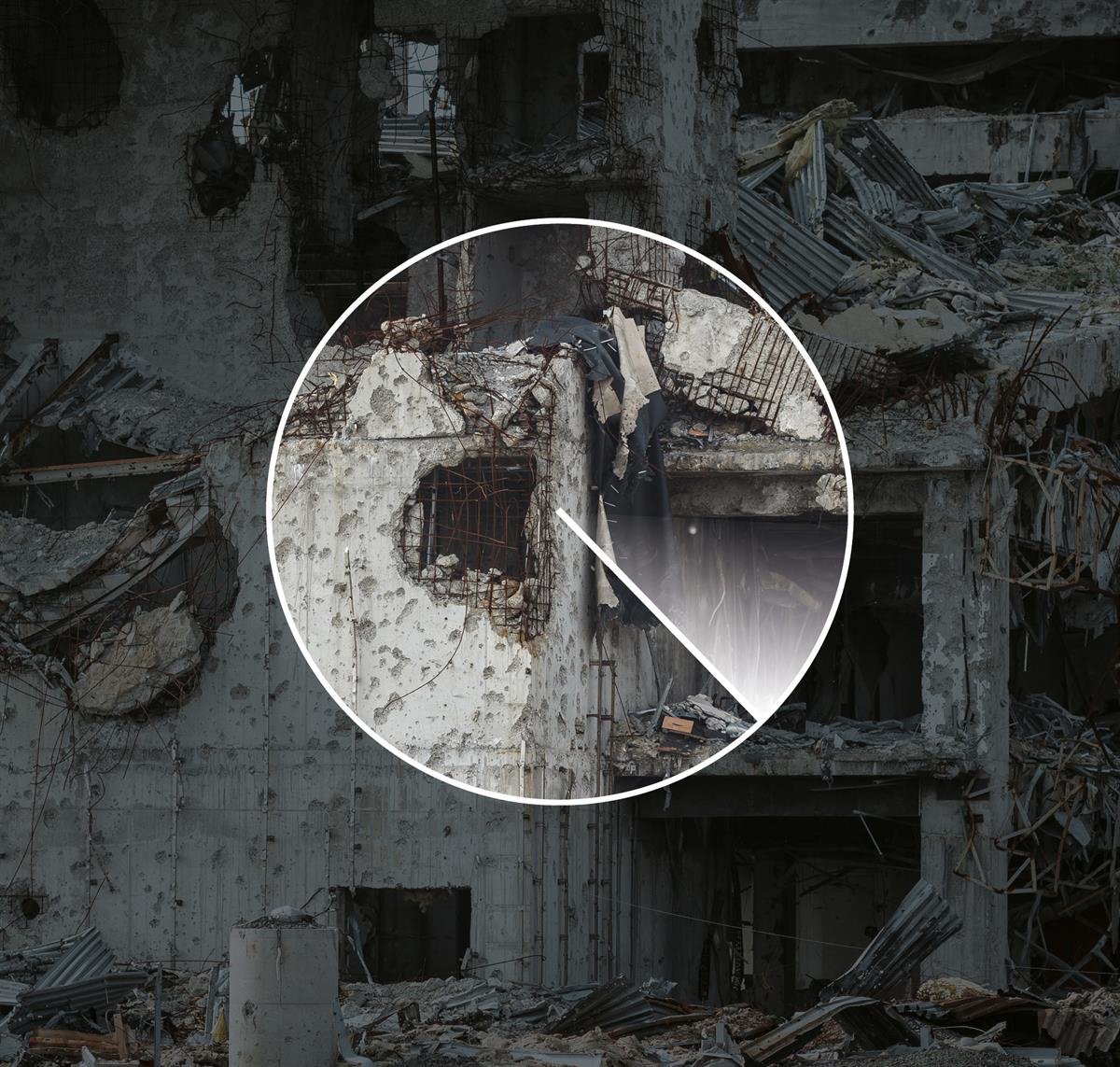
The serious conflicts that characterised the world in 2024 continued in 2025.The bulk of the Council’s work under this criterion has related to companies linked to the occupation of the West Bank and the war in Gaza. In 2025, the Council recommended that six companies be excluded on the grounds of such activities. An observation report was also issued in connection with companies operating in Myanmar. Following the introduction of the interim ethical guidelines, the Council has sent Norges Bank a risk assessment relating to a company with ties to settlements in the West Bank.
2.3.1 West Bank and Gaza
Section 4(c) of the ethical guidelines applies to companies which sell weapons to states that use them in ways that constitute serious and systematic violations of the international rules on the conduct of hostilities. Application of this criterion is subject to several constraints, including the requirement that the types of weapons concerned must be capable of targeting civilians in particular and that deliveries of such weapons must be ongoing or at least of recent date.
In both 2024 and 2025, the Council investigated whether GPFG-invested companies should be excluded on the grounds that they sold weapons used in the war in Gaza. The Council’s mandate applies to companies in the GPFG’s portfolio. Several companies which supplied relevant weapons types to Israel were already excluded from the GPFG and were therefore not assessed. Certain GPFG-invested companies were, nevertheless, evaluated. After a thorough assessment, however, the Council did not recommend the exclusion of any companies under section 4(c) of the ethical guidelines. This was primarily because the deliveries either comprised weapons or military materiel that the guidelines were not intended to encompass, or because the deliveries were no longer ongoing.
Section 4(b) of the ethical guidelines applies to companies that contribute to serious violations of the rights of individuals in situations of war or conflict. Over the years, a total of 14 companies have been excluded from investment by the GPFG with reference to this criterion, on the grounds of their business links to Israeli settlements in the West Bank. The starting point for the Council’s assessments is that the settlements have been established in violation of international law.
Several companies have operations which, in various ways, may be linked to the settlements. However, the Council does not take the position that any form of association is inherently grounds for exclusion. In previous years, the Council has recommended the exclusion of construction companies which build settlements and companies which build and supply critical infrastructure to the settlements. The deteriorating situation in the area increases the expectation that companies will exercise caution. In 2025, the Council recommended the exclusion of five Israeli banks which, through various financing arrangements, contribute to the construction of settlements. The Council also recommended the exclusion of a US company which, through deliveries to the US authorities, supplies bulldozers that, after modification for military use, are used for the widespread, illegal destruction of Palestinian property.
Several campaigns aiming to dissuade investment in companies that may be linked to Israel’s occupation of the West Bank have published lists and overviews of companies operating in the territory. The UN High Commissioner for Human Rights (OHCHR) has also produced an overview of such companies. These lists provide useful information for the Council’s work.
The Council has not recommended the exclusion of every company included in such lists because the criteria for a company’s inclusion therein do not necessarily match the criteria set out in the GPFG’s ethical guidelines. While many such lists include all companies which have or have had links to the conflict, the GPFG’s ethical guidelines require not only that companies have a close connection to the norm violations but that the connection must be ongoing for the ethical risk to be unacceptable. In some cases, it has not been possible to verify that the companies in fact have the specified business activities.
The Council on Ethics reported on its work with respect to companies linked to this area of conflict in a letter to the Norwegian Ministry of Finance on 18 August 2025. In this letter, the Council undertook to perform a new review of companies with potential links to the conflict. A large number of the companies that were assessed in 2025 were included in this review. In December 2025, the Council sent Norges Bank a risk assessment resulting from this ongoing effort.
2.3.2 Myanmar
The Council continues to monitor GPFG-invested companies with operations in Myanmar, where the UN High Commissioner for Human Rights (OHCHR), among others, has reported a worsening of the humanitarian and human rights situation in 2025.
The bulk of the Council’s work has been linked to two companies, which were placed under observation in 2023 due to their partnership with a state-owned Myanmar telecoms company and the risk that they are contributing to serious human rights abuses enabled by means of government surveillance of the telecommunications network. The Council has engaged in extensive dialogue and held several meetings with these companies in 2025. The companies have informed the Council of changes in the partnership agreement with the Myanmar telecoms company, under the terms of which an organisational and financial ring-fence has been established between the companies and the state-owned entity. Furthermore, the companies have, following discussions with NGOs, established systems for regular due diligence assessments in the human rights area.
This indicates that the companies are now working in a more targeted and systematic fashion to reduce the risk of contributing to human rights violations. In December 2025, the Council submitted an observation report to Norges Bank on developments in the companies’ efforts, and will continue its dialogue with them in 2026.
2.3.3 Russia’s war of aggression
The Council is monitoring GPFG-invested companies that are contributing to Russia’s war of aggression against Ukraine. Several of the companies in the GPFG’s portfolio have operations in Russia, without this alone constituting grounds for exclusion. Such cases are assessed under the weapons sales criteria and the criterion covering other particularly serious violations of fundamental ethical norms.
Since Russia’s full-scale invasion of Ukraine in February 2022, two companies have been excluded from investment by the GPFG due to their links to Russia’s warfare. Since it has been decided that the GPFG will divest all its holdings in Russian companies as soon as practicable, the Council does not monitor companies domiciled in Russia. Those companies which the Council assessed in 2025 were from other countries and those efforts resulted in no recommendations to exclude or place them under observation.
2.4 Severe environmental damage and unacceptable greenhouse gas emissions

The criteria apply to GPFG-invested companies if there is an unacceptable risk that the company contributes to or is responsible for:
- e. severe environmental damage
- f. acts or omissions that on an aggregate company level lead to unacceptable greenhouse gas emissions
2.4.1 Severe environmental damage
In 2025, the Council recommended that five companies be excluded under the environmental criterion. These recommendations related, respectively, to deforestation associated with mining operations and failure to clean up spillage from mining.
In 2025, the Council prioritised cases relating to:
- The loss of biodiversity – deforestation related to mining and the development of plantations in areas containing critically endangered species and intact, globally important ecosystems
- The identification of companies operating inside UNESCO World Heritage Sites
- Severe pollution caused by oil and gas production and mining, with the risk of permanent harm to people’s health and the environment
- The production and use of per- and polyfluoroalkyl substances (PFAS)
In recent years, the underlying norms for what are considered to be acceptable practices by business operations that impact the natural environment have become more pronounced. The Kunming-Montreal Global Biodiversity Framework (GBF) from 2022 has established ambitious goals to halt the loss of nature and ecosystems by 2030. This has raised the level of expectation with respect to companies’ due diligence in areas containing globally important biodiversity, including biodiversity hotspots and intact areas of wilderness.
Globally, 36 biodiversity hotspots have been designated. These are regions that have lost more than 70 per cent of their original vegetation, while continuing to provide habitats for a significant proportion of the world’s biodiversity in the form of endemic species (species found only in that location). In 2024, the Council began surveying companies with activities in biodiversity hotspots. In 2025, the Council assessed several cases in which companies’ operations in such hotspots risk harming the areas’ natural values.
For the Council, it is important that companies avoid taking actions that could result in irreversible damage not only in areas classified as UNESCO World Heritage Sites but also those containing globally important natural values, such as the intact parts of the Amazon rainforest. In assessing whether a company contributes to serious environmental damage, the Council on Ethics may in some cases also take into account the cumulative environmental pressure in the area where the company operates. This is particularly relevant in regions that are already under significant pressure from other industries and actors, for example through deforestation or other land use. When the overall pressure in an area is high, the risk of serious environmental damage may increase, which warrants stricter requirements regarding the company’s due diligence and preventive measures.
Many areas of intact forest and rich biodiversity are inhabited by Indigenous peoples. In such cases, companies may be assessed under both the environmental and human rights criteria. Two of the recommendations issued in 2025 related precisely to mining operations that result in the loss of vast tracts of old-growth tropical forest that is home to both uncontacted Indigenous peoples and threatened, endemic plant and animal species. In this case, the Council concluded that mining activities resulted in an unacceptable risk of severe environmental damage in the form of lost biodiversity and in the violation of Indigenous peoples’ rights.
Industrial and mine pollution is an enduring aspect of the Council’s work. In 2025, the Council recommended the exclusion of three mining companies due to inadequate clean-up of pollution.
The Council also worked in relation to companies whose oil production activities constitute a major risk of serious and permanent harm to the health of people living in the local community. One challenge in this effort is the difficulty of identifying a direct causal link between the companies’ emissions and the local population’s health issues.
The production and use of PFAS, often called “forever chemicals”, have also been a topic in the Council’s work. PFAS do not degrade and can accumulate in people and animals, with potentially serious consequences for health and the environment. Many of the world’s largest producers of PFAS figure in the GPFG’s portfolio. In 2025, the Council assessed companies that produce or use these substances on a large scale. The work was challenging because of the difficulty in obtaining specific information about which substances the companies produce and in what quantities. Furthermore, very little information is available about PFAS-producers in Asia. Without sufficient information, it was impossible to assess the extent to which some companies’ output is more environmentally harmful than others. The Council therefore terminated its investigation into this issue in 2025.
2.4.2 Unacceptable greenhouse gas emissions
The GPFG’s ethical guidelines have contained a criterion relating to unacceptable greenhouse gas emissions since 2016. The Council has issued five recommendations to exclude companies and a total of four companies have actually been excluded under this criterion. Through a change in the guidelines in 2022, Norges Bank was permitted to exclude companies under this criterion at its own initiative and without a prior recommendation from the Council. Since then, the Bank has in practice assumed responsibility for the climate criterion. This division of labour will be continued under the interim guidelines. The Council will, for a period, follow up the companies that have already been excluded but does not normally assess new companies.
2.5 Gross corruption and other serious financial crime

The criterion applies to GPFG-invested companies if there is an unacceptable risk that the company contributes to or is responsible for:
- g. gross corruption or other serious financial crime
2.5.1 Gross corruption
In 2025, the Council recommended that one Indian company be excluded due to a risk of corruption. This company was selected following a review of companies in the Utilities sector in 2024.
The Council continuously monitors allegations of corruption linked to companies in the GPFG’s portfolio. Companies associated with several serious allegations of corruption are systematically registered, sorted by sector and ranked by risk. This overview is updated continuously and forms the basis for further prioritisation. Within individual sectors, allegations have accumulated over time against so many companies that it is possible to conduct more general, sector-wide reviews.
In 2025, in line with this approach, the Council embarked on a review of companies in the Health Care sector (as defined in the FTSE Index) that have been involved in corruption. The last time the Council performed a similar sector-wide review was in 2018. The review in 2025 covered around 50 companies producing, for example, pharmaceuticals, medical equipment or materials, or operating hospitals or clinics.
Corruption cases in the Health Care sector can roughly be divided into two main categories. One category relates to “grand corruption”, where significant sums are paid in bribes to highly placed decision-makers in order to win major contracts, such as deliveries of medicines or medical equipment to the public health service. The second category relates to more systematic but less extensive bribes or illegal kickbacks to doctors, pharmacists and other actors within the sector to promote the use of specific pharmaceuticals, influence patient referrals to specific health service providers, etc. These smaller bribes are often camouflaged in the form of lecture fees, payments for consulting services or illegal discounts, or they may consist of gifts, dinners, entertainments, travel, etc. It is this latter form of corruption which seems to be most widespread in the sector. Despite consisting of relatively small individual amounts, the total scale of this type of bribery from each individual company can nevertheless be substantial.
The sectoral review of companies in the Health Care sector was still ongoing at the close of 2025. So far, no companies have been selected for further investigation. In addition to this sectoral review, the Council, in 2025, started assessing two companies in the construction sector and the oil and gas sector, respectively, after these were flagged via the normal portfolio monitoring process.
The Council examines how companies placed under observation are working to develop and improve their anti-corruption systems. The Council evaluates whether the companies have established anti-corruption systems in line with internationally recognised standards, and whether these systems are effectively implemented in practice. If no new corruption allegations emerge and the company’s systems are deemed to be adequate, the Council normally recommends that observation be discontinued. In 2025, two companies were under observation for corruption risk.
2.5.2 Other serious financial crime
In 2025, the Council recommended that one company be placed under observation due to a risk of future non-compliance with regulatory requirements related to the prevention and detection of money laundering. The company, a major international bank, has repeatedly been involved in money laundering and non-compliance with related regulatory requirements. In 2024, the company was fined a record amount by the US authorities following an extensive investigation into the laundering of proceeds from the sale of narcotics and serious failures to comply with anti-money laundering regulations.
Although such sanctions imposed by the authorities normally provide strong incentives to prevent similar incidents in the future, the Council considered that the investigation had revealed systematic failings in the company’s corporate culture. In the Council’s assessment, such failings can take a long time to rectify. In the interim, the risk of repeated violations remains elevated.
In line with the Mestad Committee’s recommendations, the Council recommends observation, rather than exclusion, in cases relating to serious financial crime more frequently than in other types of cases. This is, in part, because companies often implement wide-ranging measures after a norm violation and because powerful responses from the authorities can lead to improvements. The objective of observation is to monitor developments in the company concerned’s practices and assess whether the risk has been reduced to an acceptable level.
In 2025, the Council performed a sector-wide review of companies in the Casino and Gambling sector, which is generally considered to have an elevated risk of money laundering. The sector-wide review covered 44 companies, three of which have been selected for further investigation. In addition, the Council assessed the risk associated with cryptocurrencies.
Apart from sector-wide reviews, the Council continuously monitors allegations made against companies that fall within this criterion. Particular attention is paid to companies which have repeatedly been involved in various forms of financial crime, to the extent that a pattern of behaviour has been established which constitutes an unacceptable risk of future norm violations.
2.6 Other particularly serious violations of fundamental ethical norms
The criterion applies to GPFG-invested companies if there is an unacceptable risk that the company contributes to or is responsible for:
- h. other particularly serious violations of fundamental ethical norms
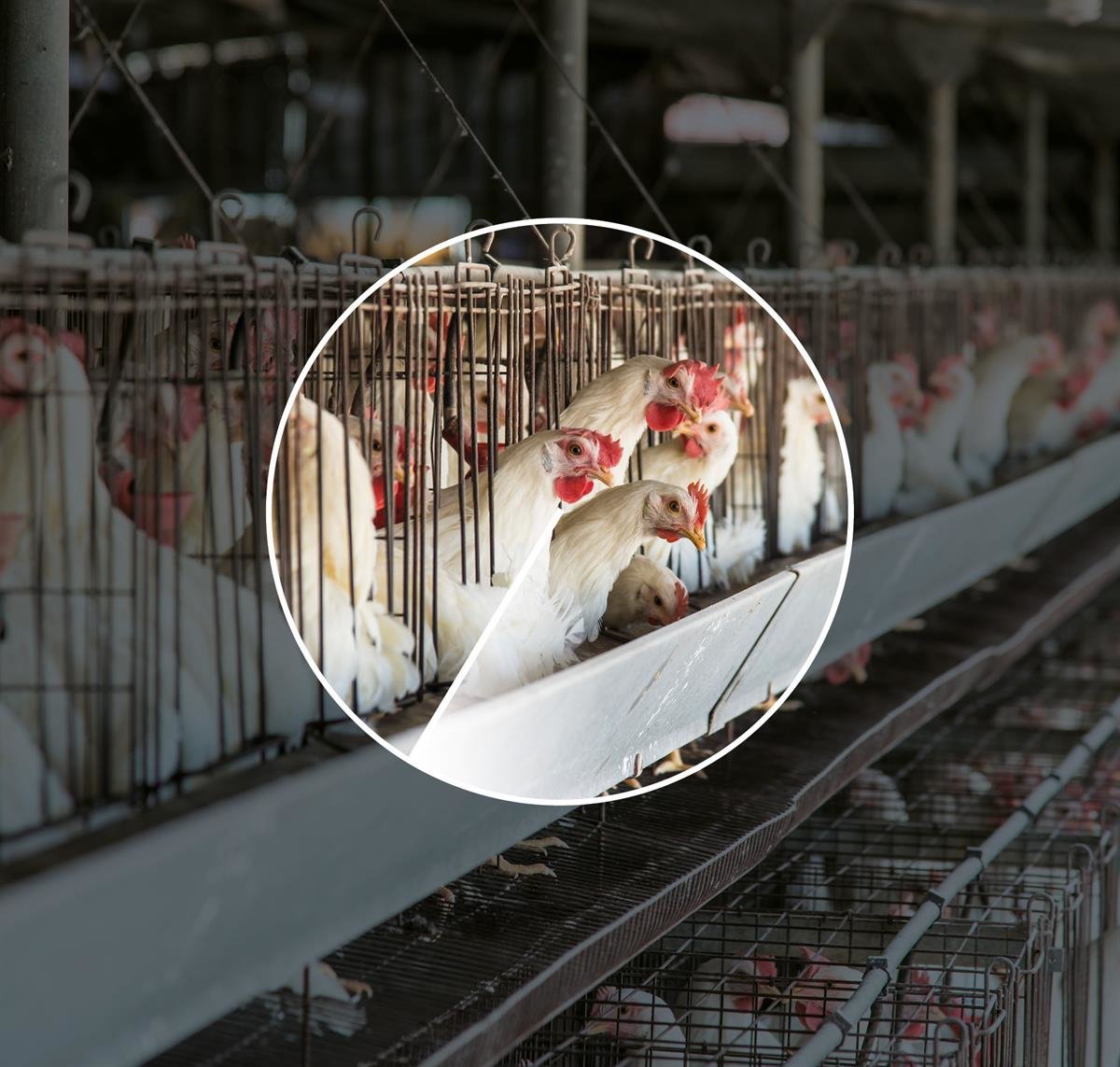
This criterion may be applied in cases that do not fit neatly under the other criteria. For example, in 2025 the Council worked on cases relating to serious animal welfare violations and companies’ possible contribution to Russia’s war against Ukraine. The Council also followed up a company that is under observation due to the risk that its operations could harm irreplaceable prehistoric cultural heritage sites.
With respect to animal welfare cases, the Council assesses companies on the seriousness of the norm violations, the connection between the company and the violations, and the probability of the practice continuing in the future. The Council pays particular attention to cases where GPFG-invested companies systematically subject a large number of animals to serious welfare violations and where there are no tangible or credible plans to improve the conditions concerned.
In 2025, the Council was in contact with several companies which control the entire production chain for broiler chicken – from hatching to ready-processed product. In addition, the Council has commissioned an assessment of welfare indicators for broiler chicken. The Council has also monitored animal welfare conditions relating to the keeping of reptiles, including crocodiles and snakes, destined for the production of exotic leathers.
Footnotes
Fa, Julia E., et al. (2020), Importance of Indigenous Peoples’ lands for the conservation of Intact Forest Landscapes, Frontiers in Ecology and the Environment 18.3 (2020), https://doi.org/10.1002/fee.2148.
Sze, Jocelyne S., et al. (2024), Indigenous Peoples’ Lands are critical for safeguarding vertebrate diversity across the tropics, Global Change Biology 30.1, https://doi.org/10.1111/gcb.16981.
Inter-American Commission on Human Rights (IACHR) (December 2013), Pueblos Indígenas en Aislamiento Voluntário y Contacto Inicial en las Américas: Recomendaciones para el Pleno Respeto a sus Derechos Humanos, https://www.oas.org/es/cidh/indigenas/docs/pdf/informe-pueblos-indigenas-aislamiento-voluntario.pdf.