3 Further efforts
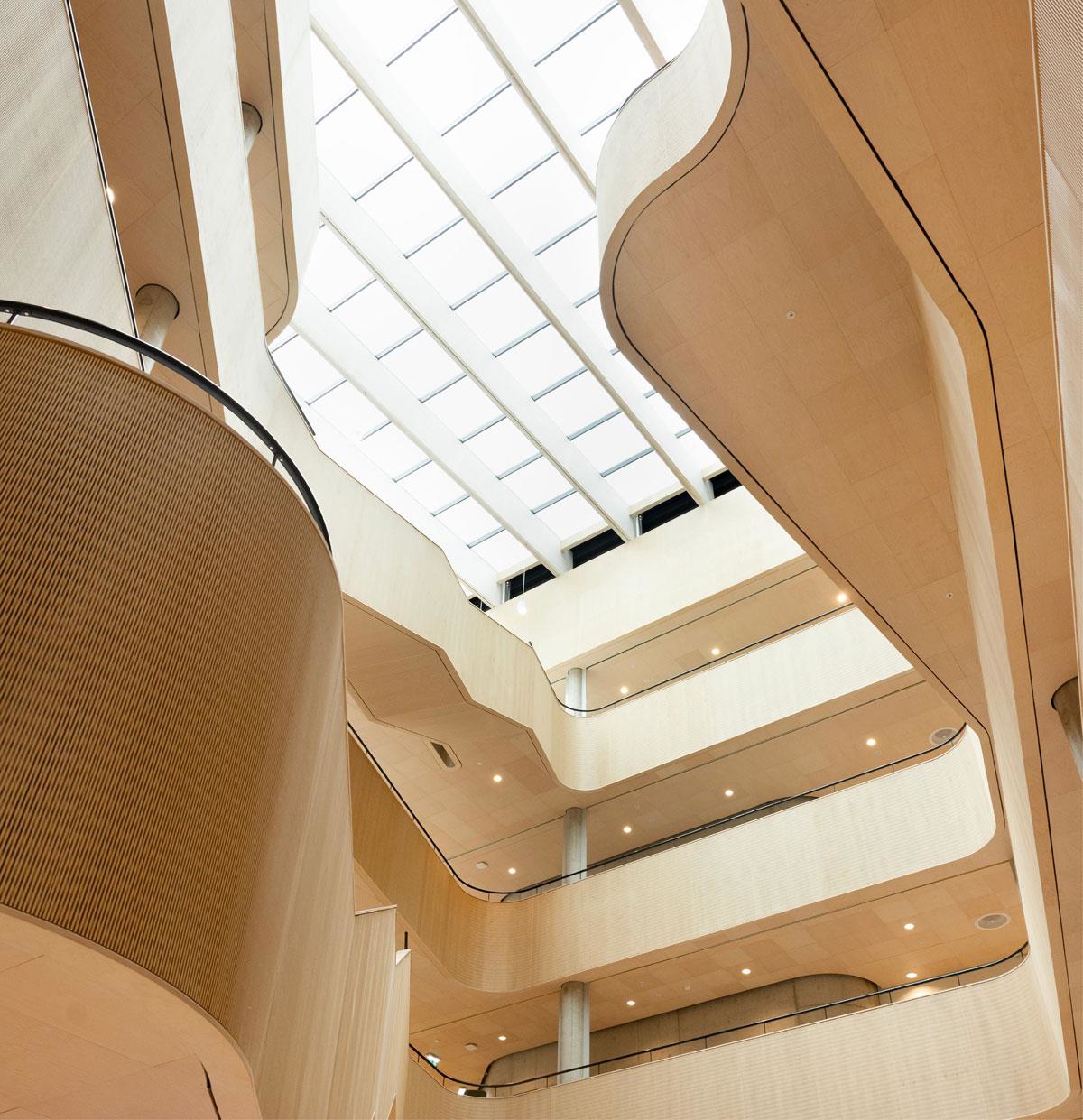
Campus Kronstad , Bergen. Client: Statsbygg. Architect/Landscape architect: HLM arkitektur/Cubo arkitekter Danmark/Asplan Viak first stage of construction – L2 Arkitekter AS/Asplan Viak second stage of construction. Photo: Stine Østby
The state plays an important role in contributing to the quality of the built environment, both as a policymaker through the establishment and management of overarching policies and regulations, and as a property owner, property manager and procurer of furnishings and services. The state also supports the municipal work through knowledge development, guidance, tools, pilot projects and funding schemes.
The Government will follow up this strategy with five main initiatives to create space for quality:
- Strengthened coordination of state sectors and instruments
- Contribute to planning and building application processes that ensure quality
- Competence and tools for architectural quality
- Promote exemplary projects and stimulate innovation
- Enhanced land-use planning
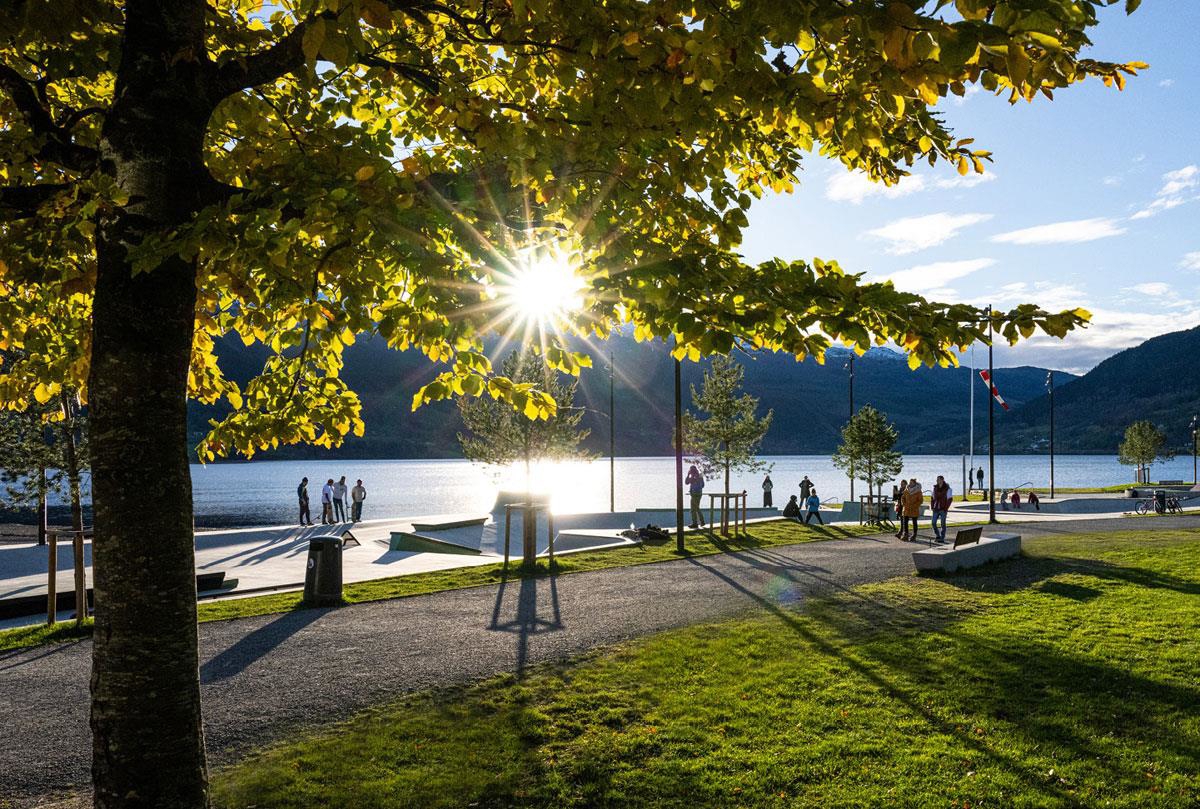
The Activity Park , Voss. Client: Voss municipality. Landscape architect: Østengen & Bergo AS. Photo: Gunnar Bergo
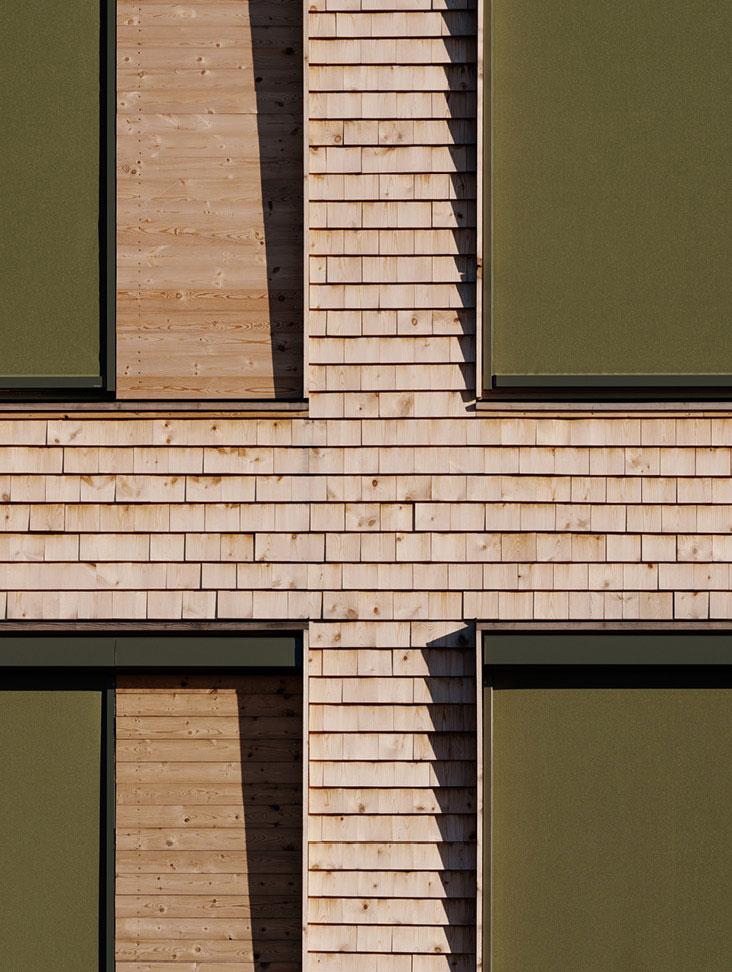
Hasle Tre , Oslo. Client: Höegh Eiendom AS. Architect/Landscape architect/Interior architect: Oslo Tre AS/Grindaker AS/I-d. Interior Architecture & Design AS/Romlaboratoriet. Photo: Einar Aslaksen
1 Strengthened coordination of state sectors and instruments
The public sector increasingly faces complex societal challenges that require innovative solutions, work practices and methods. Urban and local development and architecture are examples of disciplines and policy areas that are not the primary responsibility of a single sector but require cross-sectoral cooperation. Many ministries and subordinate agencies have responsibilities that directly or indirectly affect the quality of the built environment. There is great potential for increased cooperation and coordination of instruments across sectors to ensure effective, consolidated use of resources and increased societal benefits.
The Government will establish a specialist coordination group for local development and architecture in the ministries, led by the Ministry of Local Government and Regional Development with participants from other relevant ministries. The goal is to highlight the importance of good architecture for social development and strengthen the state’s responsibility for architecture through holistic thinking, coordination, cooperation and efficient use of resources. The group’s contributions will particularly relate to coordination of ministerial budgets and their allocation and grant letters to subordinate organisations.
The Ministry of Local Government and Regional Development will also revitalise the Forum for Local Development – an interdisciplinary collaborative arena for ministries and government agencies that was established in 2006 with the main purpose of strengthening municipalities’ competence in local development. The forum collaborates with a network of local development professional in all county authorities. In recent years, participation from ministries and directorates has varied, and there has been little activity. Part of the new coordination group’s task will be to set the framework for revitalising and expanding the forum to include relevant representatives from the state policy instrument system. The forum will continue its work of strengthening municipalities’ competence and capacity, and promote the social importance of local development and good physical environments. Coordination and cooperation will be key to ensuring that national and regional actors use their combined resources as effectively and efficiently as possible. Pursuant to the Planning and Building Act, County authorities are responsible for offering planning guidance to municipalities and will remain key partners in the forum.
The Ministry of Local Government and Regional Development is the government department responsible for overseeing Design and Architecture Norway (DOGA) and contributes to its development as a national centre of expertise for architecture and a driving force for improved quality in the built environment. DOGA will be further developed as a bridge builder and meeting place across administrative levels, sectors and fields, including in the follow-up of the collaboration in the Forum for Local Development and with county authorities.
The Norwegian State Housing Bank contributes to the quality of the built environment through instruments that promote social sustainability, an expert and measured approach to housing, and architectural qualities such as safety, community and quality of life. Several financial instruments, such as loans for housing quality and investment grants for assisted living accommodation and nursing homes, set requirements for functionality and suitability, and the bank emphasises qualities beyond minimum technical requirements. In close dialogue with municipalities, the Norwegian State Housing Bank highlights architecture with good layouts and interiors, social infrastructure and financial sustainability for residents.
The Government has given the Norwegian State Housing Bank an expanded and renewed social mission. The bank has been given new tasks to support municipalities in their housing policy work and a strengthened professional role. Through a combination of professional guidance and financial instruments, the Norwegian State Housing Bank is a key actor for housing quality and social sustainability.
2 Contribute to planning and building application processes that ensure quality
Architecture is created through a series of decisions and interdisciplinary processes, in interaction between authorities and various actors. Development takes place through various phases, from the emergence of a need or idea, through planning and detailing, to a physical solution that can be built, used and experienced. Weighing up and balancing the various quality considerations occurs throughout the process, and the range of choices made during the process affects the final result.
The complexity of land-use planning increases when the majority of new physical development takes the form of densification and transformation. Physical development in towns, cities and urban areas affects many people – both private and public parties. Planning is becoming increasingly knowledge-based, and the level of detail in plans and the requirements for documentation have increased.
The actors involved in planning and building application processes have different roles and may also have different interests. Municipalities are the planning authorities, responsible for ensuring holistic social development in their local communities, including the quality of the built environment. Landowners and developers can propose zoning plans and projects on their own properties – within the given municipal, regional and national frameworks. Central government and regional authorities set the framework for planning and architecture, and can raise objections to zoning plans if national and significant regional interests are not safeguarded. Neighbours and civil society possess resources and knowledge about the site and considerations that should also be taken into account.
The Government has high ambitions to accelerate housing development. There is no contradiction in ensuring quality while keeping construction costs and time spent on planning and building processes down. The Government believes that these considerations must be seen in context. This requires new thinking, cooperation and broad efforts, and the Government is working on a number of measures to achieve these goals.
The Government has initiated a number of simplification measures to make it easier, less expensive and faster to realise good housing projects. The Norwegian Building Authority has been bolstered to speed up the digitalisation of the planning and building application process. The Ministry of Local Government and Regional Development has sent out for consultation legislative and regulatory amendments that aim to reduce the number of building applications with deficiencies, and provide more predictable deadline calculations. The ministry has received advice from a working group comprising representatives from the industry and municipalities on possible measures to simplify and accelerate housing development. The working group submitted its report with proposed measures in early June for consideration by the ministry.
The Government also helps keep the wheels turning when housing development downturns and is implementing several measures to better equip municipalities to fulfil their housing policy responsibilities, such as strengthening the Norwegian State Housing Bank’s lending framework and social mission. Measures have also been initiated to ensure that we build with a hundred-year perspective, in line with the ambitions of this strategy. To ensure the durability of buildings, outdoor spaces and installations, the Government is working to ensure that the regulatory framework is adapted for climate change, and to further develop the Norwegian State Housing Bank’s loans for housing quality.
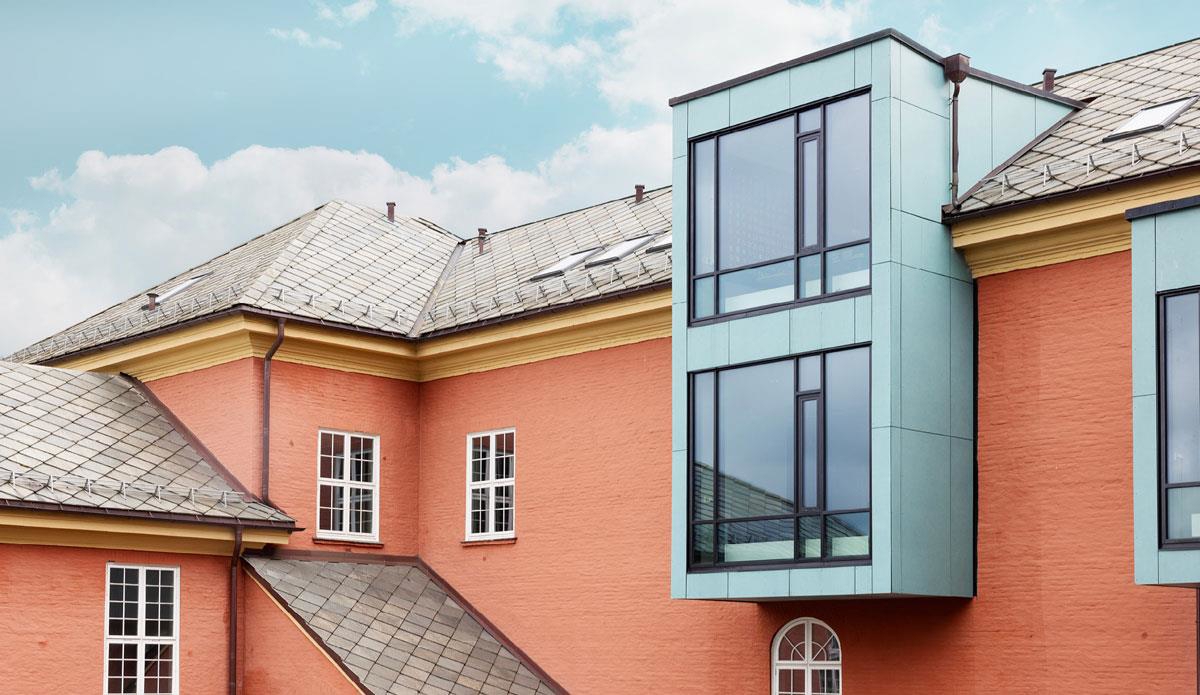
Nykronborg School , Bergen. Client: Bergen municipality. Architect/Landscape architect: Arkitektgruppen CUBUS AS. Photo: Stine Østby
3 Competence and tools for architectural quality
Many municipalities struggle to secure the competence and capacity to fulfil their statutory duties as planning authorities. Several municipalities lack the architectural expertise and tools to develop and manage local ambitions for managing existing architecture or developing new architecture, and express a desire for increased specialist support from central government.
To address the challenges of competence in urban and local development and quality in the built environment, the Government is strengthening the professional support networks around municipalities. Improved coordination of the central government’s policy instrument system, revitalisation of the Forum for Local Development, the development of Design and Architecture Norway (DOGA) as a national centre of expertise for architecture, and the Norwegian State Housing Bank’s role as a housing policy actor are all important measures for success.
The Ministry of Local Government and Regional Development has asked DOGA to develop tools that municipalities can use to prepare their own local architecture and urban design strategies as part of their planning. The work will be based on insight into municipalities’ need for support in the development and use of resources that will contribute to increased quality in the built environment through planning pursuant to the Planning and Building Act. The tools will be developed in dialogue with the municipal sector, the construction industry and relevant specialist agencies and organisations. The goal is that the tools can help make it easier for municipalities to work actively with quality in the built environment, and to facilitate better dialogue and increased predictability in planning processes.
The Ministry of Climate and Environment is developing its own preservation strategy for rural and urban cultural environments, which is scheduled to enter into force in 2026. The strategy will facilitate cultural monuments, cultural environments and landscapes being preserved and used as a resource in social development. The strategy will be a tool for collective efforts and engagement, and highlight the importance of cultural environments for environmental, social and economic sustainability. Increased knowledge and competence about the values represented by cultural environments will help ensure they are safeguarded and included as a valuable resource in land-use planning. Implementing the preservation strategy will help improve guidance, strengthen cooperation and promote the sharing and use of knowledge about cultural environments.
The Norwegian Building Authority (DiBK), a directorate specialised in building quality, acts as an advisor to the ministry and prepares grounds for decision-making in policy development. DiBK contributes to increased competence by advising municipalities, private individuals and the industry on building regulations and building application processes, including aesthetic qualities.
4 Promote exemplary projects and stimulate innovation
Planning, architecture and creativity are important contributions to addressing new societal challenges. A changing composition of population creates a need for new solutions in housing and public spaces. The need to reduce emissions and halt the loss of nature is a challenge facing architecture, and material and financial resources must be used more efficiently. The Government will stimulate innovation and showcase the frontrunners of new physical solutions and effective processes.
In spring 2025, the Government established Statens arkitekturpris (State Architecture Award), to be presented annually by the Minister of Local Government and Regional Development. The purpose is to honour projects that contribute to good, inclusive and sustainable urban and living environments, and that can serve as inspiration in the development of Norwegian towns, cities and urban areas.
The Norwegian State Housing Bank plays an important role in stimulating knowledge development, new thinking and innovation. In 2025, the bank presented the Housing Award for the first time. The purpose of the award is to recognise those who have made a mark in the housing field over the past year and have contributed innovative thinking and housing solutions that support current housing policy goals.
The Government will support the development of the innovation programme FutureBuilt, which through model projects in ten metropolitan municipalities, demonstrates that it is possible to develop a sustainable and attractive zero-emission city. FutureBuilt stimulates innovation and changes to practices, and is a learning arena and an open innovation platform for developers, architects, consultants, contractors, municipalities and users.
The Government supports the goal of the municipalities of Oslo, Stavanger and Trondheim to be virtually climate neutral by 2030. It is an ambition the municipalities are pursuing together with more than 100 other European cities under the EU’s research and innovation framework programme Horizon Europe. The Government is also following up on the European Commission’s New European Bauhaus (NEB) initiative, which funds projects aimed at creating beautiful, sustainable and inclusive living environments. The programmes are followed up by the Research Council of Norway in collaboration with Innovation Norway and relevant ministries, with the goal of ensuring that the challenges addressed by the projects and calls for proposals from the EU are relevant to Norwegian applicants.
5 Enhanced land use planning
This architecture strategy is a first step in addressing why and how we can work strategically with architecture as a tool to create attractive, sustainable and inclusive cities and communities. While we reduce climate emissions and the encroachment on nature through densification and transformation, we must build with enduring qualities and safeguard local distinctiveness. Land-use trade-offs will increasingly demand more and more from us.
The Government wants to follow up this architecture strategy by initiating work on a white paper on land-use planning and architecture. Land use and the built environment are instruments and resources that can help provide future answers to how we limit greenhouse gas emissions and the loss of biodiversity, address demographic changes and new needs for security and preparedness, and transform the economy. Work on a white paper will include broad public participation and input processes.
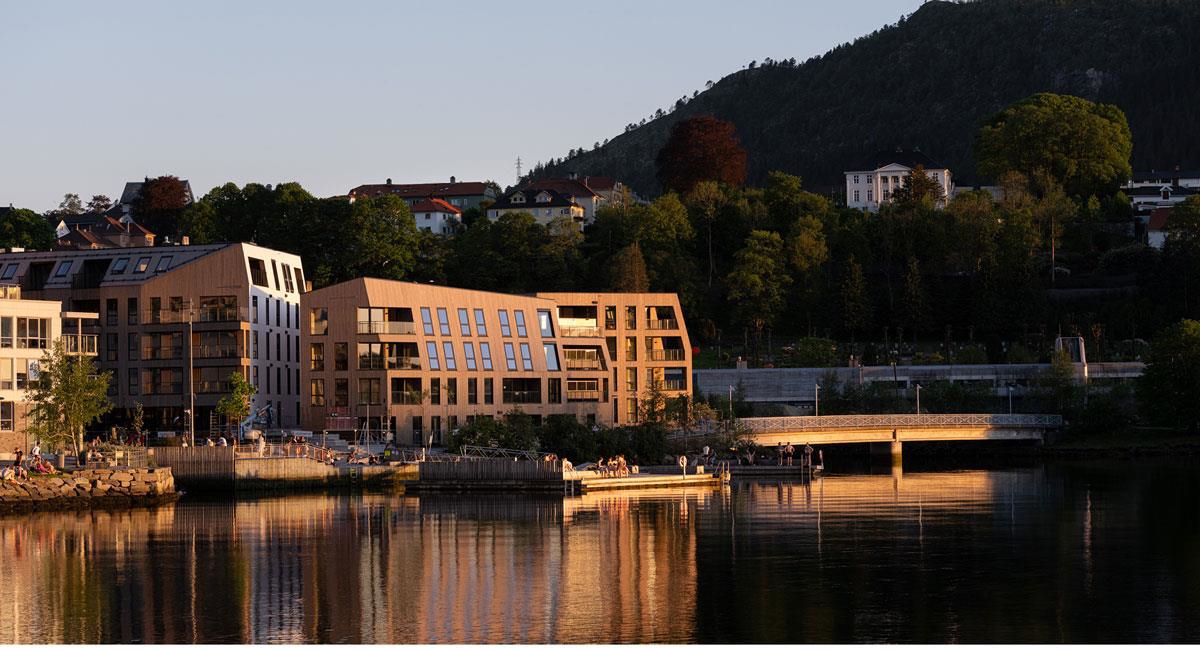
Mølledalsveien 64 , Bergen. Developer: Nordr AS. Architect: Mad arkitekter AS. Photo: Kyrre Sundal/Mad arkitekter AS
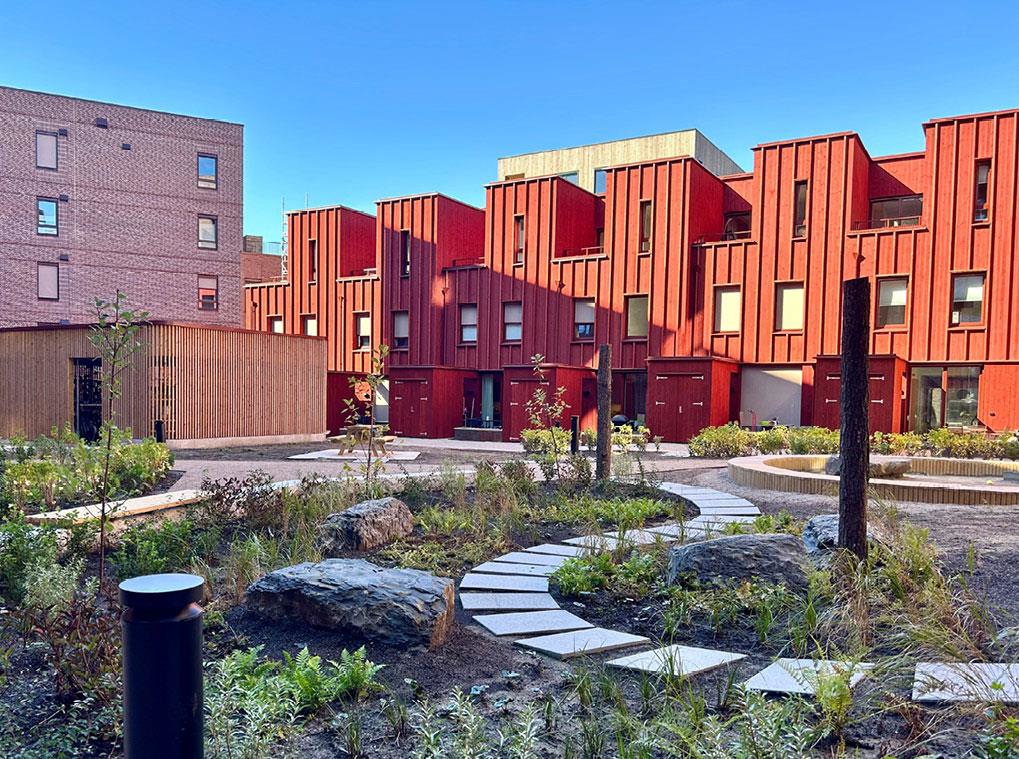
Nansenløkka , Fornebu, Bærum. Developer: OBOS Nye Hjem AS/Nansenløkka Utvikling AS. Architect/Landscape architect: Add arkitekter AS/Transborder Studio AS/SLA Norge AS. Photo: FutureBuilt
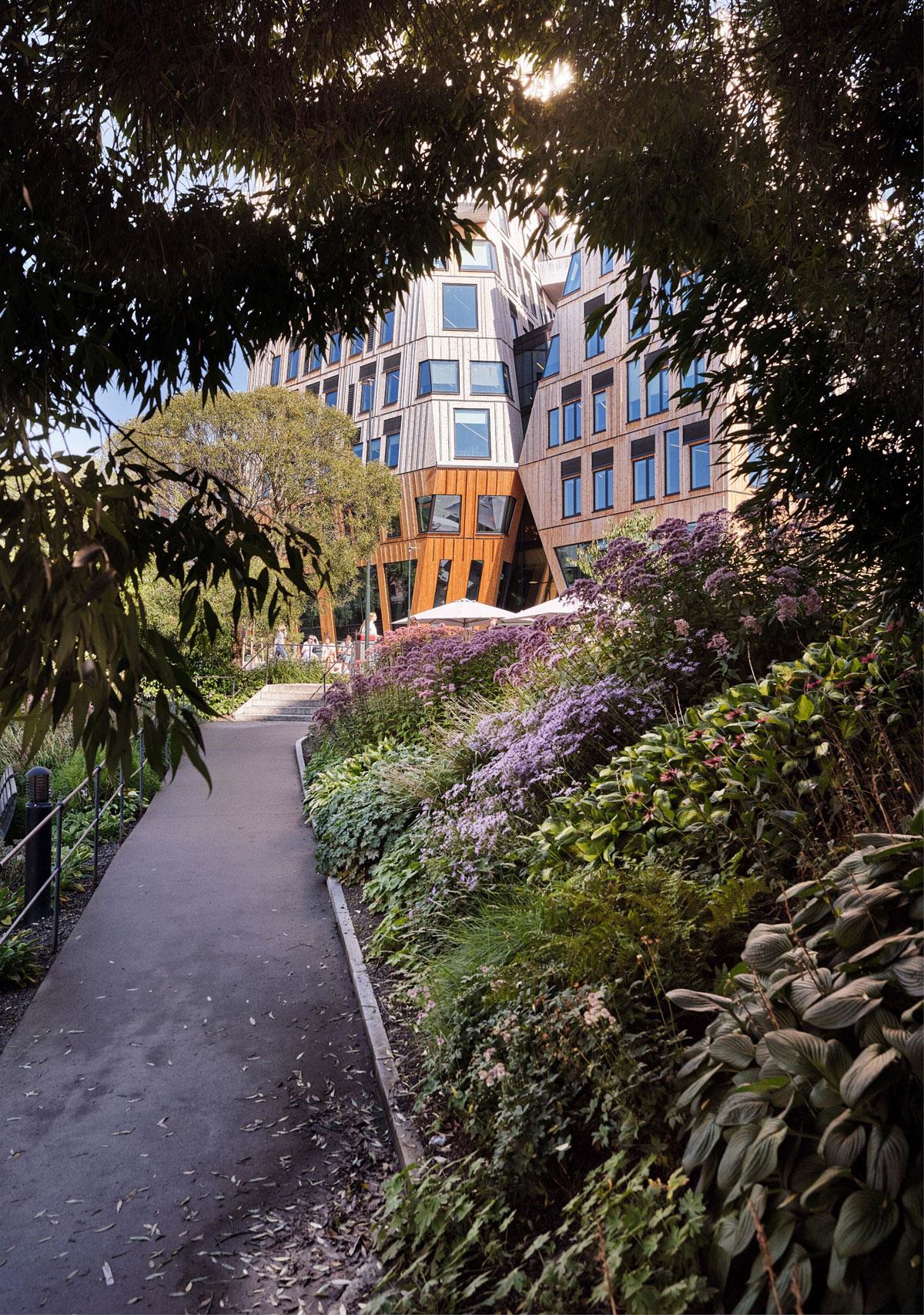
Vertikal Nydalen , Oslo. Developer: Avantor AS. Architect/Landscape architect: Snøhetta AS/Lala Tøyen AS. Photo: Lars Petter Pettersen/Snøhetta
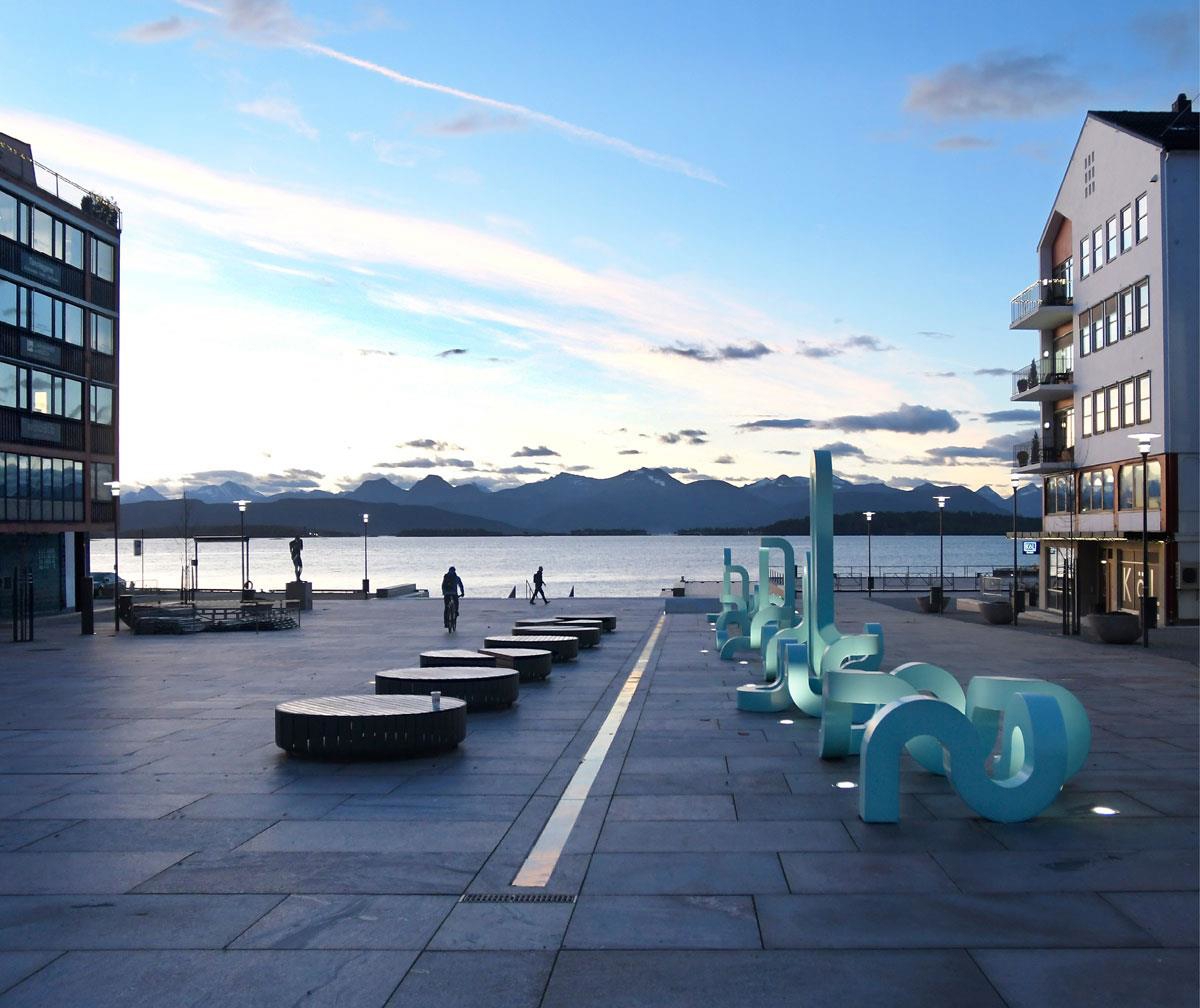
Molde torg and sea front , Molde. Client: Molde municipality. Landscape architect: Molde municipality/Norconsult AS. Title of artwork: Togetherness. Artist: Jacob Dahlgren. Photo: Arne Strømme