Business development to promote value creation
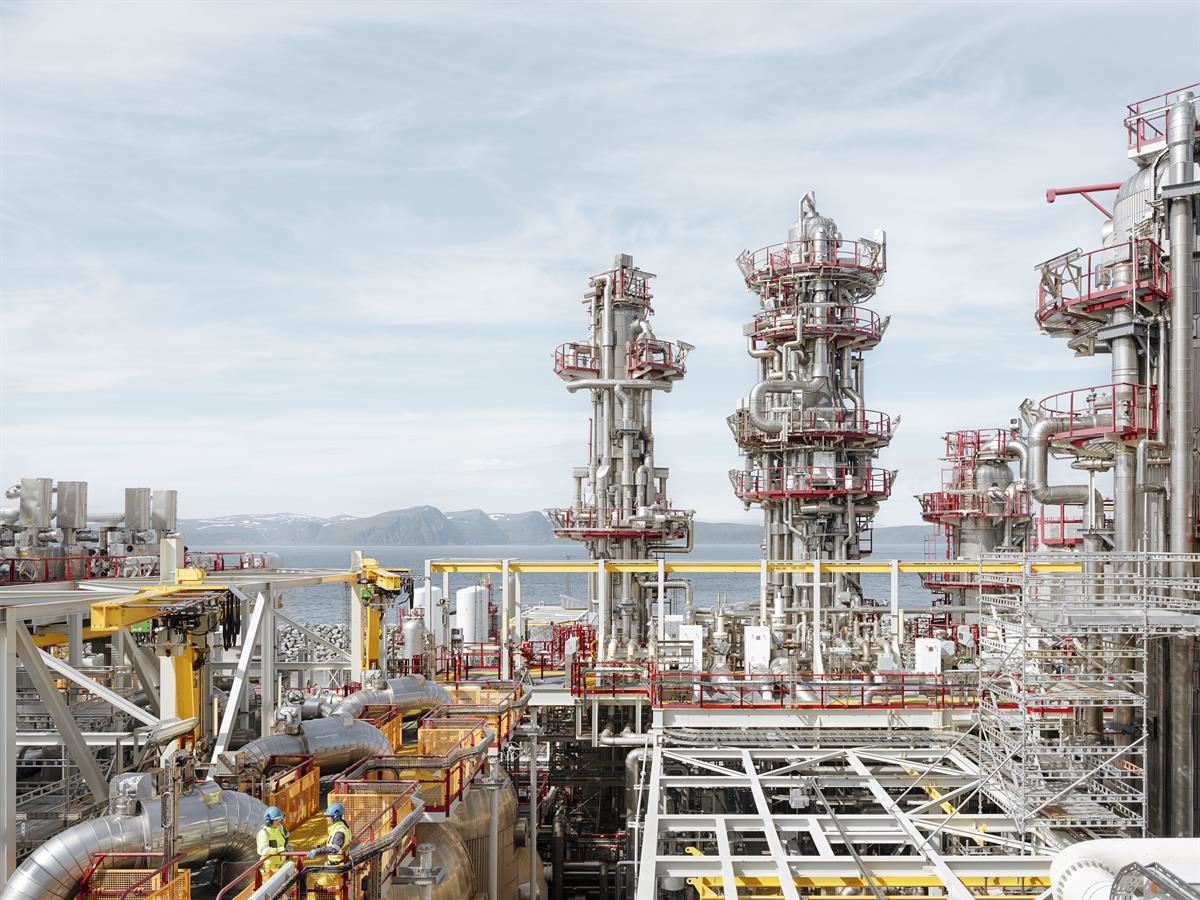
Photo: Einar Aslaksen, TRY/Equinor
Throughout North Norway, the region’s abundant natural resources provide the basis for activities and value creation. This includes in areas such as fisheries, aquaculture, agriculture, reindeer husbandry, tourism, the maritime sector, the petroleum industry, energy-intensive industries and mineral extraction. The Government aims to ensure that the resources found in the north are used to promote value and job creation based on sustainable management. Many species and ecosystems are becoming more vulnerable due to climate change. The impacts on reindeer husbandry are particularly severe. Norway will continue to be at the forefront of knowledge development on the Arctic, with a view to ensuring sound management of these resources to the benefit of current and future generations.
Sustainability, adaptation and growth in the seafood industry
The traditional fisheries industry is competing on a global market and needs knowledge and innovation capacity to adapt to seasonal variations and comply with extensive fisheries legislation. The Government will provide more funding for research on species diversity and the potential use of marine resources in the Barents Sea and in coastal waters off North Norway, and to ensure that fisheries resources are managed sustainably. The Government has also intensified its efforts to protect wild salmon, including through measures to combat the spread of pink salmon. The Government has also strengthened management and control of resource harvesting under the Directorate of Fisheries and the Blue Justice centre in Vardø.
Production capacity in the aquaculture industry in the northernmost areas has been increased. The Government will start up mapping of the seabed in the Varangerfjorden, which could facilitate new activity and help identify ways to enable traditional fisheries and aquaculture to coexist.
The fishing tourism industry also generates activity and value creation along the Norwegian coast and helps local communities that are dependent on fisheries to adapt and diversify. The Government is working actively to make fishing tourism more sustainable, including through regulation and more effective control of catches.
Business activity to build dynamic communities
The Government is seeking to increase preparedness and self-sufficiency through its agricultural and reindeer husbandry policies. The Government is giving particular priority to promoting sustainable food production and value creation in order to strengthen the resilience of vulnerable producers, prevent a decline in the number of farms, and enhance regional comparative advantages in Arctic agriculture.
The Government is strengthening the framework conditions for reindeer husbandry and will continue to support those whose main livelihood comes from reindeer husbandry. Sámi industries strengthen Sámi communities, culture and identity. The Sámi tourism industry attracts visitors from all over the world, and reindeer products are in demand. Sámi music has seen success in Europe, and the International Sámi Film Institute collaborates with prominent international institutions. The Government’s policies seek to facilitate profitable and varied economic activities in Sámi communities, and encourage the development of commercial activities based on Sámi culture and identity all over the country.
The tourism industry in North Norway is growing fast, opening up a wide range of opportunities for businesses and local communities. As the number of visitors rises, there will be a need to provide a wider range of services and experiences, paving the way for increased sales of locally produced food and drink based on ingredients from the seafood industry, agriculture, reindeer husbandry and hunting. In many municipalities, the growth in tourism is putting pressure on public services, local communities and the natural environment. One challenge is the establishment, operation and maintenance of tourism-related public goods. The new Visitor’s Fee Act will give municipalities under particularly great pressure from tourism a tool for funding tourism-related public goods.
Industries contributing to European security of supply
Limited grid capacity is one of the biggest obstacles to growth and development in Finnmark county. The Government has launched a major initiative to expand the power grid and increase power production in Finnmark. Adequate access to electricity is essential both to ensure preparedness and security as well to promote development of industrial and business projects. The industrial sector in North Norway is already working hard to implement the green transition and is at the forefront internationally in achieving energy efficiency, low greenhouse gas emissions and a circular economy. The Snøhvit field and Melkøya facility currently make up the largest industrial complex in North Norway. The Snøhvit Future project will increase gas production, extend the lifespan of Hammerfest LNG and reduce CO 2 emissions from the plant by 90 %. The Government will work to facilitate profitable oil and gas production in a long-term perspective and will also follow up the management strategy for mineral activities on the continental shelf.
There is still great potential for mineral extraction in the Arctic. A number of the critical raw materials needed by Norway and Europe can be found here. The strategic importance of the planned copper mining project Nussir has been recognised by the EU, and various other projects may be realised in the coming years that could create new value chains in the region. The new Mineral Resources Act will make it easier for the industry to develop projects. Among other things, the Act emphasises the need for early dialogue and clarification between developers, relevant licensing authorities and municipalities. Sámi rights holders have also been given greater protection. We will continue to give priority to geological surveys and to increasing knowledge of key issues, including reindeer husbandry.
Space infrastructure for surveillance, communication and navigation purposes is particularly valuable for North Norway and Norwegian waters. The region has both important infrastructure for downlinking data and satellite launch facilities at Andøya Spaceport. The aerospace company Andøya Space has been providing services relating to space and atmospheric research and environmental monitoring since 1962. The Government’s proposed new Space Act will facilitate business development, innovation and peaceful exploration of space. Participation in the European Space Agency (ESA), EU space programmes and cooperation with the US provides good opportunities for further developing Norwegian space-related activities. The Earth observation research cluster in Tromsø provides insights on climate change, landslide and avalanche risk, and ocean- and land-based activities in the Arctic.
Effective spatial management processes for land-intensive sectors
The development of renewable energy, business activities and infrastructure is key to building viable local communities and ensuring stable and sustainable settlement patterns. It is also essential to take into account environmental considerations, Sámi interests and other forms of land use. The decision-making processes and dialogue between the parties involved must ensure that the various interests and concerns pertaining to land use are made known and considered. The Government has introduced a package of measures for the reindeer husbandry industry and power supply sector to allow an expansion of electricity production and the grid while at the same time protecting the interests of reindeer herders. It includes measures to better enable reindeer herding districts to follow up land use cases, gain a better overview of land use in reindeer herding areas, and establish a methodology for including reindeer husbandry in environmental impact assessments.