4 Norway’s international efforts on biodiversity
Norwegian society, policies and the economy affect nature in other countries. This could, for example, be through harvesting, mining and refinement of raw materials and resources for final consumption or further processing in Norway or through Norwegian investments in other countries, the export of goods manufactured in Norway and through Norwegian official development assistance. At the same time, Norway is undertaking extensive efforts for nature conservation globally and aims to halt the loss of biodiversity and safeguard global nature and ecosystems in several ways.
4.1 International cooperation and normative work
Norway contributes to the implementation of several international conventions and agreements. Table 2.2 of Chapter 2.4 provides an overview of some of the most relevant conventions and agreements related to biodiversity. Below follows an overview of Norwegian international efforts in certain selected areas with relevance for the protection and sustainable use of biodiversity.
4.1.1 International work on marine management and the environment
Sustainable marine management is important to Norway and a priority in Norwegian international work and foreign policy. The Norwegian Prime Minister, jointly with the President of Palau, chairs the international High-Level Panel for a Sustainable Ocean Economy (the Ocean Panel). The Ocean Panel consists of heads of state from 18 coastal nations. Ocean Panel countries represent 50 per cent of the world’s coastlines and 45 per cent of the exclusive economic zones. The countries have committed to the sustainable management of 100 per cent of their sea and coastal areas by 2025. The marine areas of the panel countries are by then to be covered by integrated Sustainable Ocean Plans.
In 2023, under the United Nations Convention on the Law of the Sea (UNCLOS), a new agreement was reached on the conservation and sustainable use of marine biological diversity in areas beyond national jurisdiction (BBNJ). The agreement strengthens the law of the sea and international environmental management and will be a crucial tool in creating marine protected areas and other effective area-based management tools in marine areas beyond national jurisdiction. Marine areas beyond national jurisdiction constitute two thirds of the world’s oceans and the BBNJ agreement could contribute significantly towards achieving the Kunming-Montreal Global Biodiversity Framework targets of conserving at least 30 per cent of the ocean. The BBNJ agreement becomes the third implementing agreement under the Convention on the Law of the Sea and will, among other things, work together with existing agreements relating to fisheries and deep sea mining.
Norway, together with fifteen other contractual parties, including the EU, and observers, actively participates in the Convention for the Protection of the Marine Environment of the North-East Atlantic (OSPAR convention). OSPAR is an important regional collaboration to ensure integrated ocean management with effective protection and sustainable use of shared ocean areas.
4.1.2 Efforts for more sustainable food systems globally
Global food production has increased in line with the rapid growth of the global population. At the same time, the global trend in food security has been negative, with an increasing number of people affected by hunger and malnutrition. According to the UN, 800 million people suffer from hunger and malnutrition. Climate change, war and conflict, financial and social factors, ecosystem deterioration and pandemics can all contribute to hunger. Increased pressure on natural resources and ecosystem deterioration further threatens the opportunities for future food production. These complex interconnections require more holistic and coordinated efforts, where more factors are viewed in conjunction. Both climate and the environment, health, education, gender equality and other sectors and value chains, such as the energy sector, are included in a holistic approach to food security and sustainable development.
The global patterns of production and consumption are key drivers for the five main causes of loss of biodiversity: land use changes, overexploitation, climate change, pollution and alien species. Global food systems are part of this. «Food systems» refer to all activities linked to food, such as production, consumption, processing and distribution of food. No less than 80 per cent of tropical deforestation is caused by agricultural commodity production, with grazing, soy and palm oil in particular being key drivers behind tropical deforestation, but not all commodities are part of the food system. Around 10 per cent of these commodities end up in the European market. The demand for agricultural commodities such as beef, soy, palm oil and cocoa, is growing.
Increased efforts to shift food systems in a more sustainable direction have been put higher on the global agenda. Examples include the UN Food Systems Summit in 2021 and the subsequent stocktaking in 2023. Norway actively participated in the Summit and has subsequently conducted national dialogue meetings on sustainable food systems. The report Norway’s Path Towards a Sustainable Food System summarises key elements of the Norwegian government’s work on the issue and summarises input from national dialogue during the autumn of 2023, where stakeholders from 73 different organisations from the Norwegian food system participated.1
It is possible to meet the global demand for food and other commodities without tropical deforestation but with more efficient land use. At the same time, it is challenging for producing countries to change land use policies when the commodity and financial markets do not sufficiently demand such changes. One of the challenges is that large areas of land are suitable for unilateral, large-scale volume production. Scale benefits of converting forests to agriculture and producing even larger volumes result in production levels that are competitive in the global market. Such large-scale production therefore entails significant and growing pressure on land and resources in the areas where it takes place and has ripple effects on production elsewhere.
Through its International Climate and Forest Initiative, Norway is working to reduce pressure on tropical forests from global commodity production and trade. This includes increasing knowledge and awareness of the links between commodity production, trade and tropical deforestation and supporting businesses in committing to – and implementing – measures to become deforestation-free. Pressure from civil society has been crucial in getting businesses to commit to zero deforestation and in following up on the businesses’ obligations.
Global and regional financial markets are important indirect facilitators for commodity-driven deforestation in tropical forest countries. Norway’s International Climate and Forest Initiative is therefore working to shift the financing of agricultural production in tropical forest countries away from deforestation-driven production towards more sustainable production methods. This is of great importance in global, regional and local financial markets.
Norway also works internationally to promote sustainable food production in the oceans, for example through its work combatting fisheries crime and the Nansen Programme. The Nansen Programme provides aid to developing countries looking to develop sustainable fisheries management, thereby reducing poverty and improving food security.
Food security is a high priority in the Government’s development policy. Work on climate adaptations, strengthening soil and soil health and more diverse farming systems are among the topics that have been highlighted in strategies on food security2 and climate adaptation3 in development aid policy.
4.1.3 International cooperation on genetic diversity
In 2008, Norway established the Svalbard Global Seed Vault, which is managed by the Norwegian Ministry of Agriculture and Food in collaboration with the Nordic genebank and knowledge center for genetic resources (NordGen) and the Global Crop Diversity Trust (Crop Trust). The vault is to date the world’s largest secure backup facility for seeds of plants used in food production and agriculture. More than 1.2 million seed samples from over 100 gene banks worldwide are stored securely in the facility. Norway is also among the largest donors to the Crop Trust and to the International Treaty on Plant Genetic Resources for Food and Agriculture. The conservation and sustainable use of genetic resources allow for preparedness and opportunities for future food production. Norway actively promotes farmers’ right to seeds, which is a prerequisite for continued local stewardship of genetic diversity. This cooperation primarily takes place through the Plant Treaty and the FAO Commission on Genetic Resources for Food and Agriculture.
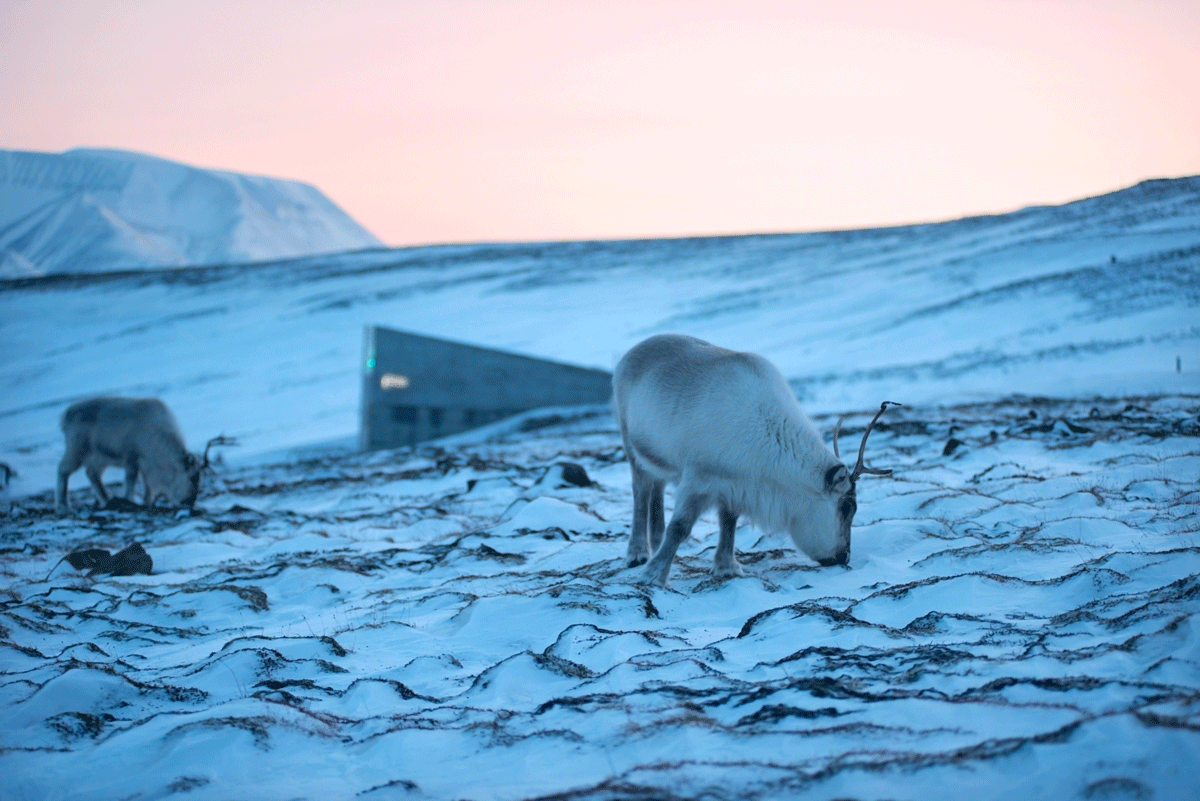
Figure 4.1 Svalbard Global Seed Vault, with Svalbard reindeer
The Svalbard reindeer is a subspecies of reindeer (Rangifer tarandus). It has a short neck and legs, a small head, short ears and a compact body. These characteristics are the result of adapting to the long, Arctic winter with extremely low temperatures.
Photo: Svalbard Global Seed Vault/Riccardo Gangale
The Natural History Museum in Oslo has established a national seed bank for the storage of viable seeds from wild plant species, in collaboration with the five other botanical gardens in Norway. The national seed bank will include at least 75 per cent of the country’s threatened plant species. These species are collected from different parts of the country where they naturally occur and at least 20 per cent of the species will be available for reestablishment and restoration programmes. The national seed bank collaborates with the Millennium Seed Bank, which holds one of the world’s most diverse collections of genetic resources for wild plant species. The Norwegian Government’s work on genetic diversity is discussed in more detail under targets 4 and 13 in Chapter 6.
4.1.4 Efforts against cross-border organised environmental crime
Environmental crime is an important driver of biodiversity loss, including in the form of direct flora and fauna crime, pollution and waste crime and illegal land use change. White paper no. 19 (2019–2020) Environmental Crime forms the basis for the Norwegian efforts against transnational organised environmental crime.
Forest crime includes the illegal logging and trade of timber and timber products, including pulp, where criminal acts have taken place in all or parts of the production chain. Illegal logging and trade of timber is considered one of the most revenue-generating forms of environmental crime and is one of the largest black-market economies in the world. On a large scale, organised forest crime undermines national efforts to achieve national and global climate, nature and development targets.
The efforts of Norway’s International Climate and Forest Initiative to combat forest crime take place through bilateral cooperation with countries such as Brazil, Peru, Colombia and Indonesia, multilateral initiatives in which Norway supports major actors such as the UN and Interpol in their efforts to strengthen national law enforcement authorities in uncovering and prosecuting actors who profit from forest crime, as well as through support to civil society. Important results include the seizure of timber and the investigation and prosecution of organised criminal networks responsible for major destruction of nature in tropical forest countries.
In August 2023, the Nature Crime Alliance was launched during the GEF Summit in Vancouver. Norway was the initiator of this global initiative and finances the alliance’s secretariat. The alliance consists of representatives from governments, civil society organisations with specialist expertise in nature crime and the rights of Indigenous Peoples, the private sector, multilateral institutions with the mandate to work with the enforcement of relevant legislation, such as Interpol and the UN Office on Drugs and Crime (UNODC), and financial contributors such as countries and philanthropic funds. The Nature Crime Alliance is cross-sectoral and encompasses work against illegal deforestation, illegal mining, illegal fishing, illegal trade of endangered animals and species, illegal land conversion and affiliated crime such as financial crime, corruption and human rights violations. The work areas of the Alliance highlights how this form of organised nature crime affects national development and regional security.
4.1.5 Climate, nature and nature-based solutions in international cooperation
In recent years, both IPCC and IPBES have presented reports that show that climate change and biodiversity loss are taking place on a scale that will make it impossible to achieve the Sustainable Development Goals and temperature goals set out in the Paris Agreement unless there are changes to societal developments to halt greenhouse gas emissions and biodiversity loss. The reports also show that it is essential to view climate and nature in conjunction to solve these challenges. See more about the interconnections between climate change and nature in chapter 2.2.
Norway works actively to promote the interlinkages on nature and climate change within multilateral environmental agreements, as well as the Norwegian International Climate and Forest Initiative (NICFI). The decision on nature-based solutions at the fifth UN Environment Assembly under Norwegian presidency is a key milestone in this regard. This was the first time agreement was reached on the definition of nature-based solutions in a multilateral forum with universal membership. The KMGBF includes several specific references to nature-based solutions, see more under target 8 on climate change and target 11 on nature’s contribution to people in Chapter 6. Reopening streams, restoring peatlands and wetlands and conserving tropical forests and other carbon-rich ecosystems are examples of nature-based solutions.
There is a need for increased funding for the protection of rainforests in tropical countries, as is also the case for other measures to halt and reverse climate change and biodiversity loss. If deforestation is to be reversed, more people need to understand the importance of the rainforests, why they are being destroyed, what can be done about it and how strengthened efforts on behalf of the rainforests will benefit everyone. Since its inception in 2008, Norway’s International Climate and Forest Initiative has systematically worked to strengthen the scientific basis and communication of the importance of the tropical rainforests and for increased global support and funding for the protection of the tropical rainforests. This takes place in close collaboration with tropical forest countries, other donor countries, multilateral organisations, civil society and the private sector. For more information about NICFI, see Chapter 4.2.
Norway actively works on nature-based solutions in collaboration with other countries, especially in the Nordic region, where there has been a dedicated collaboration project on nature-based solutions. The EU and the International Union for Conservation of Nature (IUCN) have a network in which nature-based solutions from the entire world are presented: Network Nature. The Nordic countries have a dedicated hub there to stimulate collaboration and the sharing of best practices.4 Through the Nordic Council of Ministers, Norway has signed two declarations on the KMGBF and nature-based solutions.5
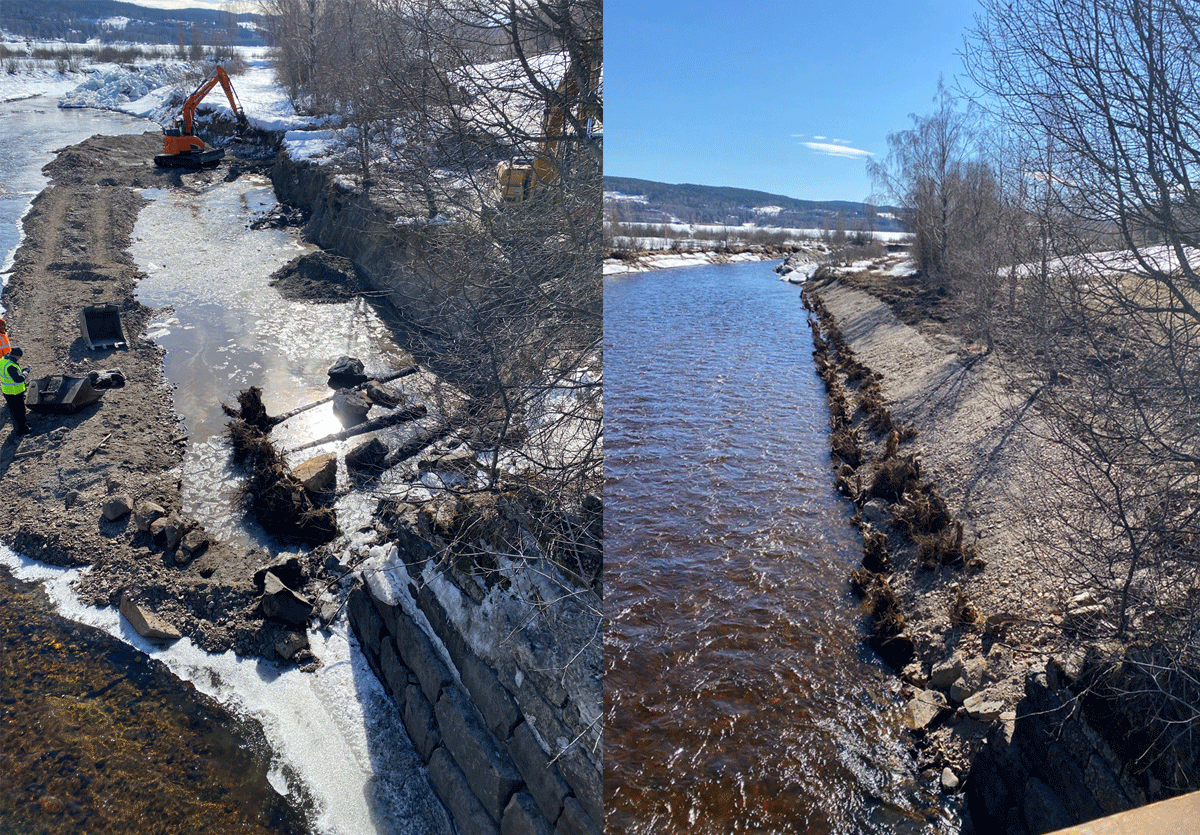
Figure 4.2 Nature-based solutions – stabilisation of stream banks to prevent erosion
As part of the Nordic collaboration project on nature-based solutions, Norway is trialling how to stabilise stream banks using stock timber with roots.
Photo: Anja C. Winger/Dominika Krzeminska, NIBIO
4.1.6 Measures to reduce global pollution
Norway has set ambitious goals to reduce pollution. Although pollution can be local, it also has the potential to spread regionally or globally through air and water, or via products containing chemicals hazardous to health and the environment being sold on the global market. Reducing pollution therefore requires shared action and work through regional and global environmental agreements. The most important international treaties of significance to pollution include the Convention on Long-Range Transboundary Air Pollution (LRTAP) and the chemical conventions of the Stockholm Convention on Persistent Organic Pollutants (POPs), the Minamata Convention on Mercury and the Rotterdam Convention on the Prior Informed Consent Procedure for Certain Hazardous Chemicals and Pesticides in International Trade.
The Government’s work on a global and legally binding instrument against plastic pollution is motivated by considerations relating to nature protection, species diversity and human health. The documentation of the impact of plastic waste on marine species, in particular, opened the world’s eyes to the long-term threats associated with an ever-increasing volume of plastic waste on land, in soil, water and air and in the oceans. An instrument to combat plastic pollution that ensures action along the entire value chain of plastic products will positively contribute towards the conservation and restoration of nature. The Government’s work on pollution, including plastic pollution, is addressed in further detail under target 7 in Chapter 6.
4.1.7 Environmental cooperation in the Arctic
The Arctic Council is the most important multilateral forum for matters of common interest to the Arctic states, with a particular emphasis on the environment, climate change and sustainable economic development.
The Arctic Council consists of the eight Arctic states: Canada, Denmark, Finland, Iceland, Norway, Russia, Sweden and the US, as well as six permanent participants (Indigenous Peoples’ organisations).
The scientific work carried out by the Arctic Council has been strengthened significantly over the years. The Council’s assessments of climate change and pollutants in the Arctic have gained broad recognition and have been an important contribution to the effort to develop international environmental conventions. Key priorities in the work of the Council include safeguarding Arctic biodiversity, integrated ocean management, emergency preparedness and response, and pilot projects aimed at reducing pollution in the Arctic, including marine litter. The work is organised under six different working groups, including Conservation of Arctic Flora and Fauna (CAFF), Arctic Monitoring and Assessment Programme (AMAP) and Protection of the Arctic Marine Environment (PAME). Norway is an active participant in all working groups under the Arctic Council and chairs a range of projects, including projects on climate change, ecosystem-based ocean management and marine litter.
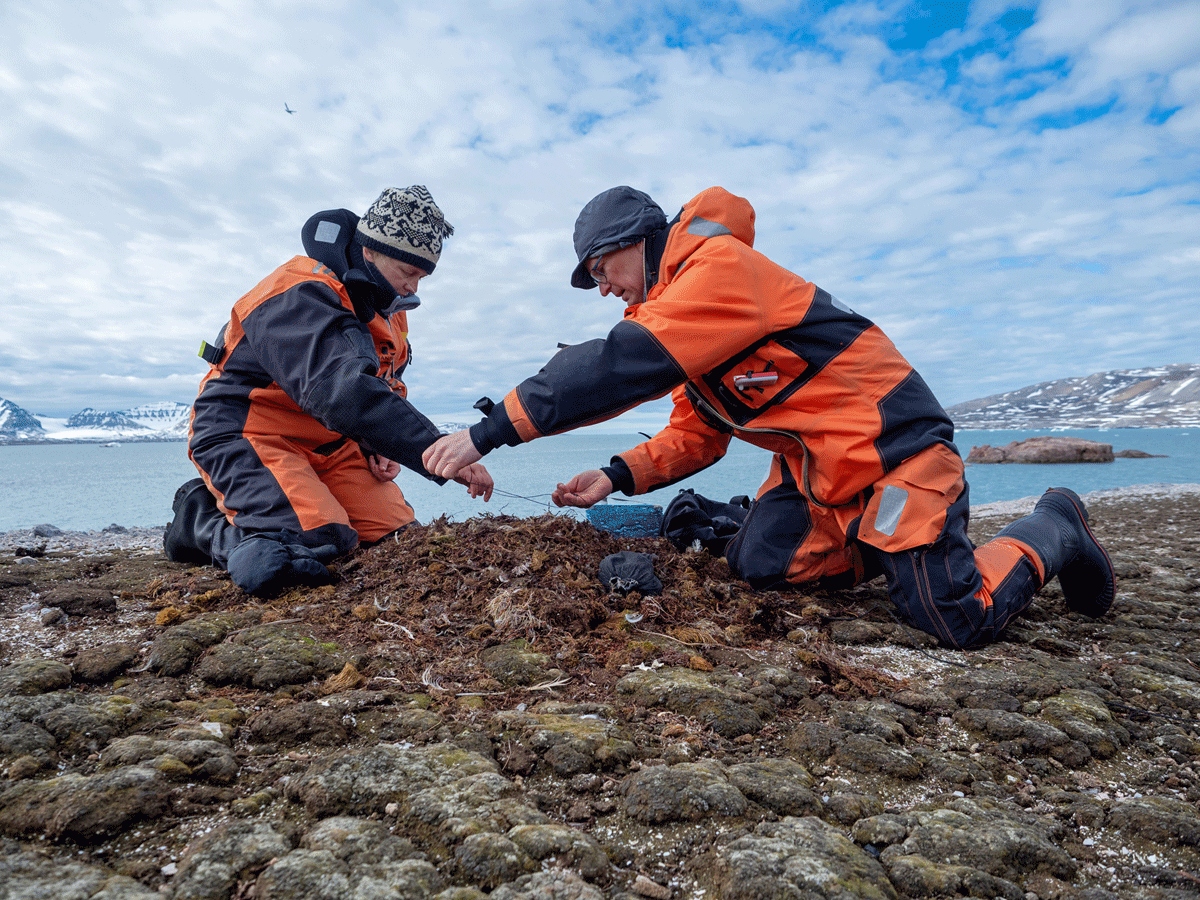
Figure 4.3 Environmental cooperation in the Arctic
Strengthening the scientific basis for the management of the environment and activities in the Arctic is a cornerstone of the Arctic Council’s work. The image shows bird researchers capturing a nesting glaucous gull.
Photo: Ann Kristin Balto/Norwegian Polar Institute
4.1.8 Green Alliance with the EU
The Green Alliance between Norway and the EU is a declaration of political intent to strengthen the collaboration relating to the green transition beyond the EEA collaboration and is followed up through various initiatives and contacts in areas such as industry, energy, transport, climate and the environment.
Nature also has a place in the follow-up on the Green Alliance. Norway and the EU have a mutual interest in strengthened collaboration on the KMGBF and its follow-up. In recent years, the EU has adopted ambitious new policies to safeguard and restore nature. Norway follows this with interest, even though nature conservation falls outside the scope of the EEA agreement.
In the area of nature, the Green Alliance predominantly entails knowledge sharing and contact relating to nature risk as a tool for public and private sector stakeholders in Norway and the EU. Norway and the EU have also improved contact on tropical forests and deforestation-free value chains, while the strengthened collaboration on green shipping includes the follow-up of IMO guidelines for the control and management of ship’s biofouling to minimise the transfer of invasive aquatic species.
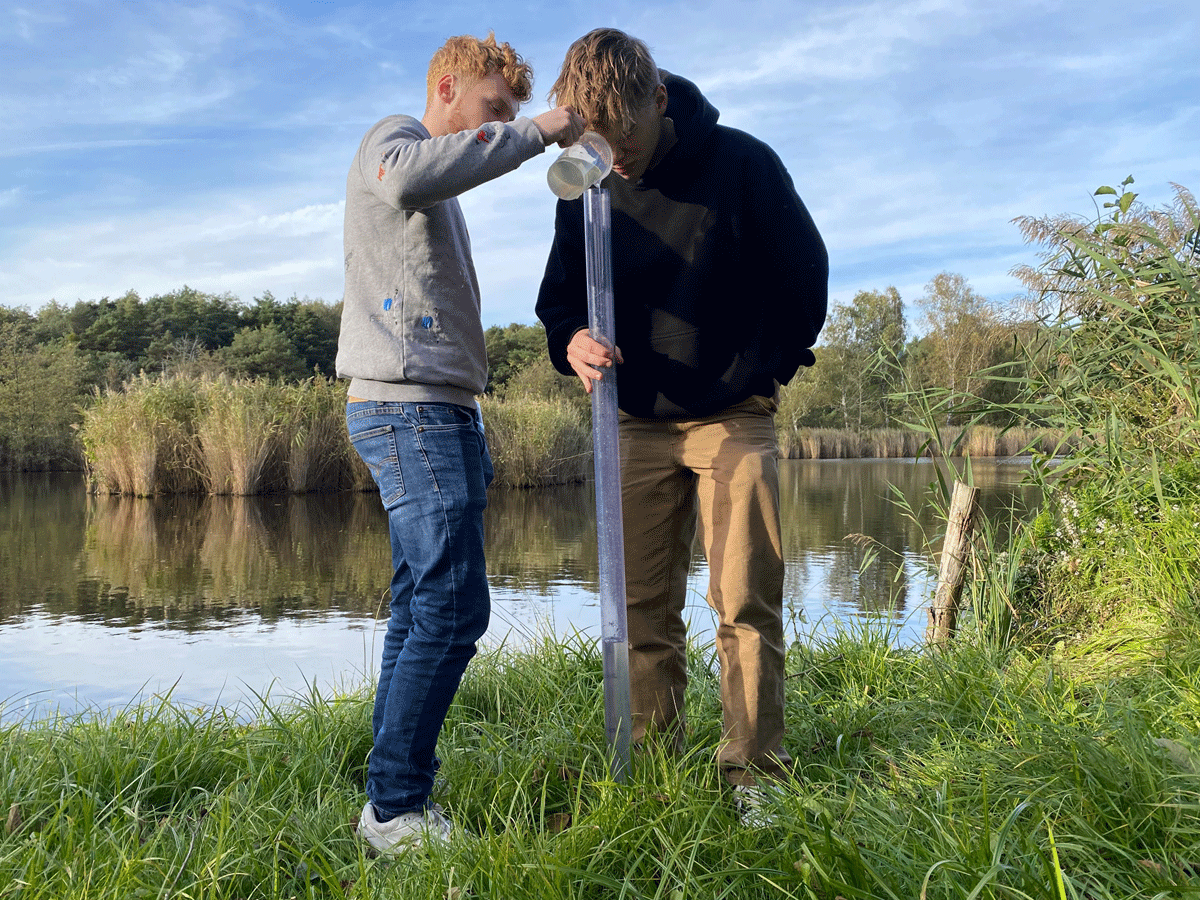
Figure 4.4 EEA collaboration – the Morava Project in Slovakia
School pupils have moved their classroom into a wetland area in Slovakia. They check the water quality of the Morava River by looking at how clear the water sample in a cylinder is.
Photo: Marianne Gjørv
4.1.9 One Health
One Health refers to the complex interaction between humans, animals and the environment and the importance of a balanced interaction to achieving good health and welfare for all. Human activities affect the health of animals and the environment, while diseases in animals or the environment can impact human health. Humans and animals share and exchange infectious agents, and this dynamic is influenced by environmental changes. The four UN organisations in the «Quadripartite» – WHO, FAO, WOAH, and UNEP6 – have agreed on a common definition of the «One Health» approach: «An integrated, unifying approach that aims to sustainably balance and optimise the health of people, animals, plants and ecosystems, recognising their interconnectedness». The One Health approach is essential both nationally and internationally for the prevention and control of zoonotic diseases (infectious diseases transmitted between animals and humans), and particularly in the fight against antimicrobial resistance (AMR). The approach promotes interdisciplinary collaboration on health challenges that arise in the complex interaction between people, animals, plants, and ecosystems.
One Health is a cornerstone of Norway’s national strategy against antimicrobial resistance and of its international engagement on AMR, including cooperation with the EU, WHO, FAO, WOAH, and UNEP. Balanced ecosystems are also essential for sustainable food production and for feeding a growing global population. However, not all countries agree on the prioritisation of One Health within the relevant UN specialised agencies. Norway, together with other like-minded countries, therefore, actively defends and promotes the approach in relevant international forums.
4.2 Norway’s International Climate and Forest Initiative’s work on tropical forests
Norway’s largest effort to safeguard nature in other countries is the International Climate and Forest Initiative. The initiative is led by the Norwegian Ministry of Climate and the Environment and accounted for approximately 75 per cent of Norwegian nature aid in 2022. In 2024, at NOK 4.1 billion Norway’s International Climate and Forest Initiative accounted for around 8 per cent of the total development aid budget. This is an important contribution towards the global achievement of the targets set out in the Kunming-Montreal Global Biodiversity Framework. Through white paper no. 24 (2016–2017) Shared Responsibility for a Shared Future, the Storting decided to «continue the initiative at a high level until 2030».
Reducing and reversing the loss of tropical forests is crucial in safeguarding natural ecosystems and carbon stores. This is central in achieving the targets set out in the KMGBF and in the Paris Agreement. Tropical forests are both a major carbon store and have rich biodiversity. Norway’s International Climate and Forest Initiative works to promote sustainable forest and land use management in tropical countries so that the forests are preserved.
Forests in tropical countries provide the basis of existence for millions of people who live in and around the forests. It is also of great importance to global common goods and ecosystem services such as food, medicine, clean air and water and in maintaining precipitation patterns, a stable climate and flood protection. This is crucial for agriculture and social stability in tropical forests and adjacent areas.
Contributing to the protection of biodiversity is an overarching goal for Norway’s International Climate and Forest Initiative, alongside contributing to a stable climate and more sustainable development. The main objective of the initiative is to contribute to reducing and reversing the loss of tropical forests, see Figure 4.5. Reducing and reversing tropical deforestation requires significantly improved land use management in tropical forest countries and a rapid transition in the world’s food and commodity systems to reduce pressure on forests from global markets. The main objective has therefore been divided into two intermediate objectives: (i) to contribute to sustainable forest and land use in developing countries and (ii) to contribute to reduced pressure on tropical forests from global markets. By contributing to reducing and reversing tropical deforestation, Norway’s International Climate and Forest Initiative contributes to the follow-up on many of the targets set out in the KMGBF.
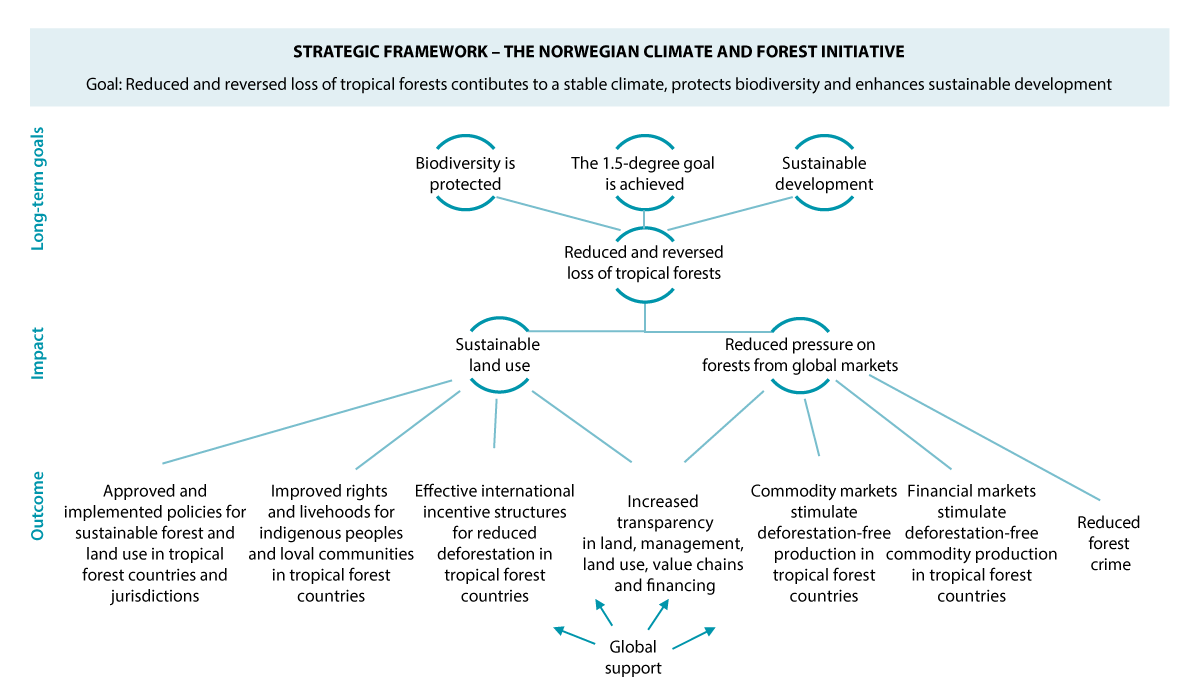
Figure 4.5 Norway’s International Climate and Forest Initiative’s Strategic Framework
Source: The Norwegian Ministry of Climate and Environment
The work of Norway’s International Climate and Forest Initiative is divided into eight strategic, cross-cutting themes. Under each of these areas, work is undertaken along several tracks, including bilateral collaboration with tropical forest countries, multilateral efforts, support for civil society organisations and collaboration with the private sector. The eight cross-cutting areas are:
-
Policies for sustainable forest and land use in tropical forest countries and jurisdictions
-
Improved rights and livelihoods for Indigenous Peoples and local communities
-
international incentive structures for reduced deforestation
-
environmental integrity and transparency in land management and land use
-
deforestation-free commodity markets
-
reduced forest crime
-
deforestation-free financial markets
-
global ambitions and support
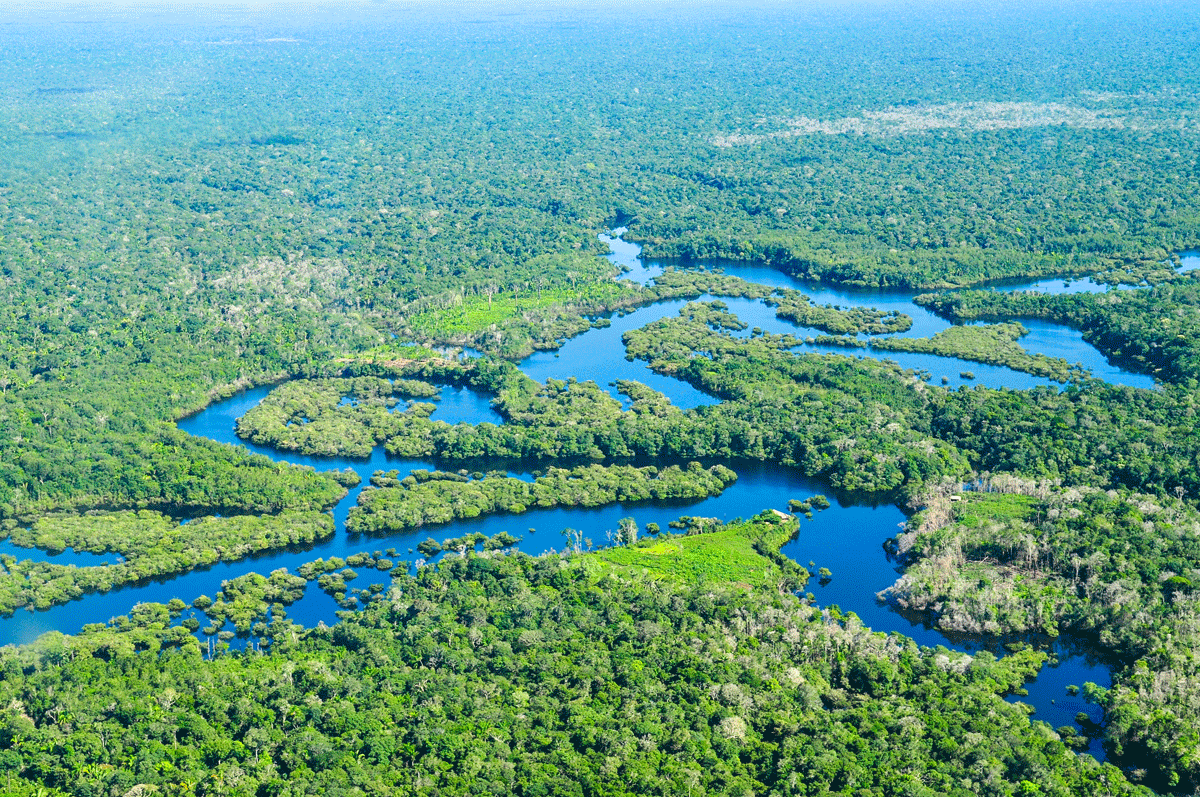
Figure 4.6 The Amazon rainforest near Manaus in Brazil
Panoramic view of the Amazon rainforest near Manaus, the capital of the Brazilian state of Amazonas. Norway has supported the Brazilian efforts to conserve the Amazon for more than 15 years.
Photo: Neil Palmer/CIAT/cifor.org
The main strategy of Norway’s International Climate and Forest Initiative to contribute to reduced deforestation in tropical forest countries is to create political and economic incentives for sustainable land use policies. This is achieved through collaboration agreements with tropical forest countries. The measures required to influence the underlying causes of deforestation and to improve forest and land use management must largely be made by the countries’ own authorities, often across sectors and levels of government. This requires political will. National ownership is therefore at the core of the partnerships. The cooperations are based on the tropical forest countries’ own plans and ambition. Through result-based payments, political dialogue and the financing of concrete reforms and measures, Norway supports the implementation of these plans. This creates incentives for long-term efforts relating to sustainable forest and land use management in the countries.
There is currently great political momentum to protect tropical forests and several of Norway’s partner countries have significantly reduced deforestation. Brazil halved deforestation in the Amazon in 2023 in President Lula’s first year. Indonesia and Colombia are reporting their lowest deforestation levels in 20 years. Going forward, it will be important to provide support so that this trend can be maintained.
Indigenous Peoples and local communities manage a large portion of the remaining tropical forests and biodiversity. Norway works to strengthen Indigenous Peoples’ and local communities’ land rights and role in forest management, protecting environmental defenders and increasing the proportion of funding allocated directly to Indigenous Peoples and local community organisations.
Multilateral institutions are also important in reducing deforestation. Norway’s International Climate and Forest Initiative contributes to multilateral organisations such as the UN and the World Bank. These support tropical forest countries through capacity-building and payments for reduced emissions. Norway’s International Climate and Forest Initiative also works to promote the voluntary market for carbon credits from reduced deforestation. The purpose is to mobilise capital to forest countries to finance a sustainable transition of land use policy. In this work, it has been crucial to ensure that carbon credits represent actual reductions in emissions.
4.3 International efforts relating to knowledge development on biodiversity
Norway works actively to ensure that decisions at both national and international level are made based on an adequate knowledge platform, including in the area of nature, and contributes to international knowledge generation.
4.3.1 Pan-European initiatives for the green transition
Norway participates in pan-European initiatives for the green transition, including biodiversity, through the Horizon Europe research and innovation programme (see more under target 20 in Chapter 6), the Copernicus/Space earth observation programme, DIGITAL, the European Research Area (ERA) and the European Economic Area (EEA) and Norway Grants. By coordinating the instruments available in the Norwegian and European research systems, we get more from the invested resources. Norwegian participation in EU programmes and the European Environment Agency contributes to joint efforts for mapping and monitoring that generate data and knowledge relating to nature and climate for both research and management purposes.
4.3.2 International knowledge panels
The Intergovernmental Science-Policy Platform on Biodiversity and Ecosystem Services
The Intergovernmental Science-Policy Platform on Biodiversity and Ecosystem Services (IPBES) is a global science policy panel that assesses and summarises knowledge, promotes the development of management tools, identifies subject areas for which there is a need for new knowledge and builds capacity in developing countries. The Norwegian Environment Agency coordinates Norway’s efforts on IPBES’ work, including by informing and nominating experts from Norwegian research communities to the IPBES expert committees and investigation work, coordinating written input from Norway to reports that are under development and by participating in the annual plenary meetings of IPBES. In recent years, a number of Norwegian researchers have participated in the work on the IPBES reports. See also Chapter 6.20.2.
United Nations Intergovernmental Panel on Climate Change
The Intergovernmental Panel on Climate Change (IPCC) contributes with knowledge relating to the impact of climate change on nature, which constitutes the second part of their main report. The Norwegian Environment Agency coordinates Norway’s efforts on IPCC work. On several occasions, Norway has argued that issues on climate change and biodiversity loss must be viewed in relation to each other in reports and that the working groups responsible for different parts of the main report need to work together more closely. In 2021, Norway and the UK financed a joint working meeting between IPBES and IPCC. This was the first formal collaboration resulting in a report in which climate and nature linkages were examined.
The International Resource Panel
The International Resource Panel (IRP) is a global knowledge panel that collates existing knowledge from international research environments along the lines of IPBES and IPCC. IRP’s mandate is to help strengthen the interaction between researchers and the authorities in order to promote good resource management, resource efficiency and the circular economy. The reports produced by the panel highlight the environmental impact of resource use throughout the entire lifecycle and contribute to developing a shared knowledge platform on how natural resources can be managed in a way that makes it possible to prevent nature interventions, reduce land use and restore degraded nature.
The Norwegian Environment Agency represents Norway on the international steering committee for IRP and is responsible for coordinating the work in Norway and communicating results from the panel’s reports.
Creation of new Global Science-Policy Panel on Chemicals, Waste and Pollution Prevention
The UN is in the process of establishing a new global science-policy panel to obtain better knowledge relating to the appropriate management of chemicals and waste and to prevent pollution. The work of the panel will form the basis for new policies and regulations and will, in addition to the IPCC and IPBES, provide key contributions to the work on the three global environmental crises. In negotiations, Norway is working to ensure that the new panel is scientifically independent and based on the same model as IPCC and IPBES.
4.3.3 United Nations Environment Programme
The UN Environment Programme (UNEP) plays a key role in knowledge development and sharing as part of the ongoing implementation of the Kunming-Montreal Global Biodiversity Framework, including by ensuring that the monitoring mechanism in the KMGBF is adequately linked to UNEP’s work on environmental monitoring. UNEP is the UN’s leading agency for the environment and will, as part of its mandate, contribute to international knowledge development within the area of climate and environment. UNEP helps promote collaboration and effective information exchange between the different multilateral agreements relating to biodiversity. Norway is one of the largest UNEP donors and actively supports the knowledge work.
4.3.4 United Nations Food and Agriculture Organization
The United Nations Food and Agriculture Organization (FAO) contributes to the implementation of the KMGBF through its strategy for incorporating biodiversity considerations in agriculture, forestry, fishing and aquaculture, as well as associated action plans. FAO’s global statistics and status reports contribute to ensuring an adequate overview of the biodiversity status in these sectors. In 2019, FAO published its first global status report on biodiversity for food and agriculture.7
4.3.5 Forest monitoring systems
A successful national policy to stop the loss of biodiversity depends on adequate, consistent information about forests and land use. For a number of years, Norway’s International Climate and Forest Initiative has supported the development of high-quality national forest monitoring systems in partner countries, including through UNREDD and FAO. Such systems are also important when it comes to providing information about other land areas. The private sector, civil society, financial institutions, the media and others need access to credible and consistent information about forests and their impacts in order to follow up on commitments and targets. NICFI’s satellite data programme has been a key contributor to this effort by making high-resolution satellite images, which are frequently updated and easily accessible, available to the public for free. The programme is scheduled for a new phase of further development. Norway’s International Climate and Forest Initiative has also supported the development of publicly available information about forests in all countries, including through the Global Forest Watch and FAO’s Forest Resources Assessment.
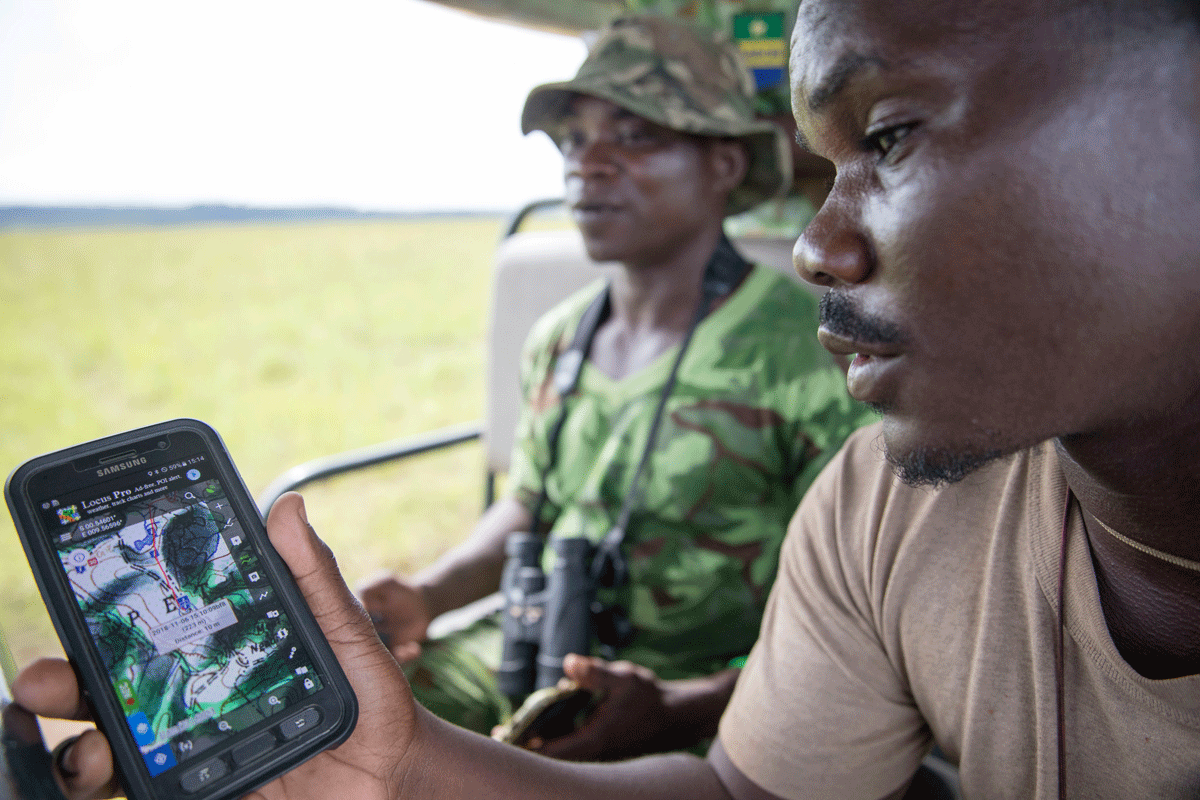
Figure 4.7 Forest monitoring in the Democratic Republic of the Congo
Photo: Marte Lid/Norad
4.3.6 Group on Earth Observation
Norway participates in the Group on Earth Observation partnership (GEO). Earth observation data, including satellite data, is used to measure the status and development of several biodiversity and environmental targets and provides key contributions to knowledge development about nature and climate and the interconnections between these. GEO works to coordinate efforts on global earth observation and ensures open and available data and knowledge to all. Data from the EU’s earth observation programme, Copernicus, addressed in Chapter 4.3.1, is also included in GEO.
4.4 Financing and resource mobilisation
4.4.1 Increased financial resources needed to halt and reverse biodiversity loss
Researchers have estimated the global financial requirements to halt and reverse biodiversity loss worldwide. The 2020 report Financing Nature: Closing the Global Biodiversity Financing Gap8 concludes that an additional USD 700 billion per year is needed to stop the decline in biodiversity by 2030 and to restore nature by 2050. However, a significant portion of this amount, approximately USD 500 billion, could be realized by eliminating subsidies and incentives that are harmful to biodiversity, see Figure 4.8. If such measures are implemented, the remaining financing gap would be around USD 200 billion annually.
These figures underpin the commitments in Target 18 (eliminating harmful subsidies by USD 500 billion per year) and Target 19 (mobilizing at least USD 200 billion per year by 2030) of the Kunming-Montreal Global Biodiversity Framework. While many of the harmful subsidies are intended to support other societal goals, such as food security, improved livelihoods, business development, and job creation, they often come at the expense of biodiversity.
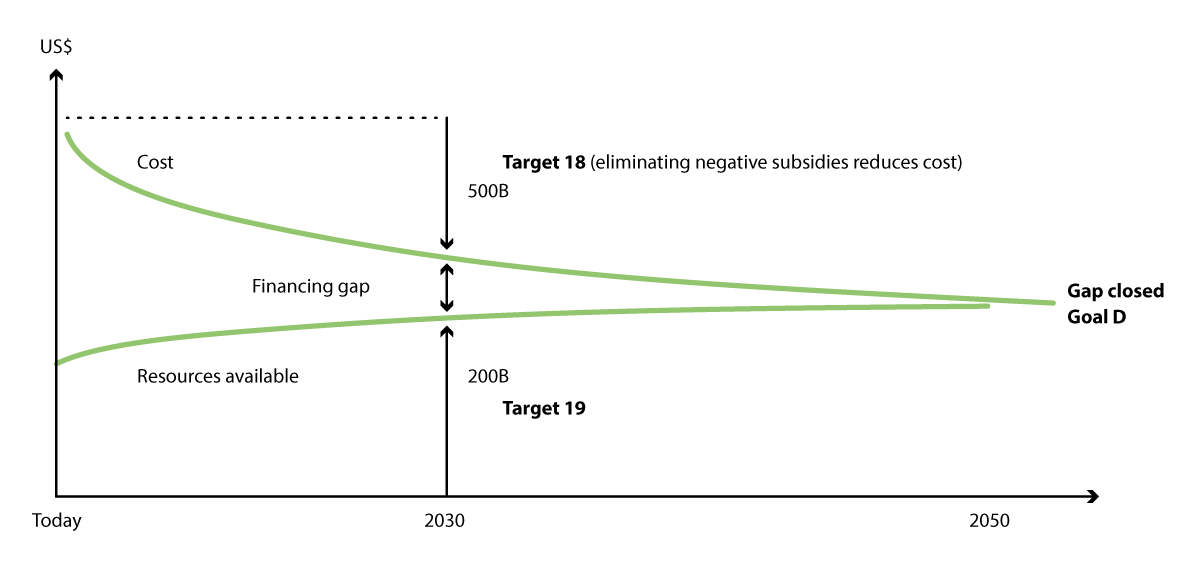
Figure 4.8 Possible approaches to closing the financing gap
Increased financial resources to stop the decline in biodiversity by 2030 can be covered by eliminating harmful subsidies and other negative incentives.
Source: Deutz et al. (2020), simplified by the CBD
The USD 200 billion target is not a development aid commitment. All countries are expected to contribute to achieving this goal, for example through their national biodiversity strategies and action plans (NBSAPs). Funding should be mobilized from all sources, including domestic budgets, the private sector, philanthropy, innovative financing mechanisms, and nature-based solutions. In addition, the KMGBF set expectations for developed countries, to increase their financial support to developing countries to at least USD 20 billion per year by 2025 and at least USD 30 billion by 2030.
4.4.2 Norwegian biodiversity development aid
Many countries lack the financial resources or institutional capacity to implement the necessary measures to protect biodiversity and ensure its sustainable use. Norway therefore provides support to such countries through a variety of channels and instruments.
In 2022, Norwegian bilateral biodiversity aid amounted to NOK 3.5 billion.9 Norway’s International Climate and Forest Initiative (NICFI) is Norway’s largest international effort to safeguard nature and biodiversity in other countries, contributing NOK 2.9 billion in 2023, of which NOK 2.6 billion was classified as bilateral biodiversity aid. Norway supported a range of other relevant bilateral initiatives, corresponding to NOK 850 million in 2022. This makes Norway the fifth largest bilateral donor globally in terms of development aid related to biodiversity. Norway also supports biodiversity through multilateral channels and the EEA. Norway’s contributions are described in further detail in relation to target 19 of the KMGBF in Chapter 6.
Footnotes
Norwegian Ministry of Agriculture and Food (2023).
Norwegian Ministry of Foreign Affairs (2022).
Norwegian Ministry of Foreign Affairs, Norwegian Ministry of Justice and Public Security, Norwegian Ministry of Climate and Environment, Norwegian Ministry of Agriculture and Food (2023).
For more information about the Nordic hub, see: https://networknature.eu/networknature-nordic-hub.
Nordic Council of Ministers (2022a) and Nordic Council of Ministers (2022b).
The World Health Organization (WHO), the World Organisation for Animal Health (WOAH), the United Nations Food and Agriculture Organization (FAO) and the United Nations Environment Programme (UNEP).
FAO (2019).
Deutz et al. (2020).
Bilateral development aid related to biodiversity includes earmarked funding through bilateral and multilateral channels recorded with the OECD’s Biodiversity policy marker as a principal or significant objective. Up to and including 2020, 100 per cent of development aid under agreements where biodiversity was a principal or significant objective was included. From 2021, the methodology changed: only 40 per cent of ODA under agreements where biodiversity is a significant objective is counted as biodiversity related development aid. Core support to multilateral organisations that fully or partially work on biodiversity is not included.