6 Norway’s commitments to the Kunming-Montreal Global Biodiversity Framework
Chapter 2 provides the background and structure of the Kunming-Montreal Global Biodiversity Framework. Chapter 6 outlines Norway’s contributions to each of the 23 global targets in the agreement. Through its national targets, Norway also contributes to the four global goals of the KMGBF, which are further described in Chapter 6.24.
6.1 Target 1 – Plan and Manage all Areas to Reduce Biodiversity Loss
6.1.1 Global target
Ensure that all areas are under participatory, integrated and biodiversity inclusive spatial planning and/or effective management processes addressing land- and sea-use change, to bring the loss of areas of high biodiversity importance, including ecosystems of high ecological integrity, close to zero by 2030, while respecting the rights of indigenous peoples and local communities.
This target is linked to the UN Sustainable Development Goals, sub-goals 14.2, 15.1, 15.2, 15.5 and 15.9.
6.1.2 Status in Norway
The Norwegian Planning and Building Act applies to mainland Norway as a whole, as well as ocean regions up to one nautical mile outside the baseline. The Act will promote sustainable development in the best interests of individuals, society and future generations. Planning in accordance with this Act shall facilitate the coordination of central, regional and municipal functions and provide a basis for decisions regarding the use and conservation of resources. Participation will be facilitated for all affected stakeholders and authorities. Municipalities constitute the local planning authority and manage the majority of land areas.
The planning of energy plants follows many of the same rules set out in the Norwegian Planning and Building Act, even though the permits are issued under other regulations. For wind power plants with a capacity exceeding 1 MW, there must be a local area zoning plan in place before a license can be issued pursuant to the Norwegian Energy Act. This does not apply to licenses for hydropower plants and power grid installations.
In marine waters that fall outside the scope of the Norwegian Planning and Building Act (one nautical mile from the baseline), the central authorities clarify and govern marine area use through integrated management plans for Norwegian sea areas and sectoral legislation, such as the Aquaculture Act, the Marine Resources Act, the Petroleum Act, the Offshore Energy Act and the Seabed Minerals Act. The integrated management plans for the sea areas clarify an overall framework and encourage closer coordination and clear priorities for the management plan areas. The ocean management plans are intended to provide an overall balance between use and conservation based on knowledge of the natural environment together with knowledge of current and future activities and value creation. For example, an area-specific framework is established for petroleum activities. Terrestrial and marine protected areas under to the Nature Diversity Act are subject to tailored regulations detailing which activities that are permitted in the relevant protected area. Sectoral legislation can also contribute measures to the conservation of biodiversity. The Government has also presented an Ocean Industry Plan for Norwegian sea areas with ten overarching principles for marine area use, contributing to strengthened cross-sectoral coordination, increased predictability for users of the ocean and co-existence. Svalbard is primarily managed based on the Svalbard Environmental Protection Act, which sets out tailored provisions for both protected areas and spatial planning in local communities. Information on spatial disturbances in Svalbard is well-documented. Here, there is a close to zero loss of land that is important to biodiversity and currently of good ecological integrity. This applies to loss resulting from land use and does not take into account loss of e.g. sea ice habitats due to climate change.
In general, Norway’s terrestrial and marine areas are subject to spatial planning and/or effective management processes. These regulations and processes include the balancing of all societal considerations, including biodiversity.
Textbox 6.1 The Norwegian Planning and Building Act and its instruments
The Norwegian Planning and Building Act governs the use and conservation of land and resources. It is cross-sectoral and generally applies to all types of activities and measures within the scope of application of the act.
Local authorities must draw up a planning strategy every four years. The planning strategy should include a discussion of the local authority’s strategic choices linked to social development, including long-term land use, environmental challenges, sectoral activities and an assessment of the local authority’s planning requirements in the election period before determining whether there is a need for any changes to the municipal master plan. In its work on the planning strategy, the local authority must also consider whether there is a need to initiate work on new land use plans during the election period or whether the prevailing plans should be revised or repealed.
All local authorities should have a municipal master plan that includes a social element with a programme of action, and a land-use element. The social element of the municipal master plan includes targets and strategies for the development of the local community and the local authority as an organisation. The land-use element of the municipal master plan establishes future land use based on the targets for social development set out in the social element. This must specify the main traits of land use allocation, frameworks and conditions under which new measures and new land use can be implemented, as well as any important considerations relating to the allocation of land.
The local authorities also adopt zoning plans that specify development solutions in limited areas. There are two different types of zoning plans: area zoning plans for larger areas and detailed zoning plans for smaller areas. Private parties can present proposals for detailed zoning plans within the framework of the land-use element of the municipal master plan and area zoning plans. The local authority can also choose to entrust the area zoning plan work to the private sector. Intermunicipal plans are drawn up by two or more local authorities when appropriate for the purpose of coordinating planning across municipal borders.
The County Councils are the regional planning authority. They will draw up regional planning strategies every four years and will draw up regional master plans in line with the planning strategies. Regional master plans are adopted by the County Council. A regional master plan has no direct legal impact on residents but will form the basis for municipal, county municipal and governmental planning and activities. Regional master plans can contribute towards coordination across municipal borders and a comprehensive assessment of land use in larger regions. Regional authorities can, among other things, establish land zones that provide direction for local planning. The regional planning authority can establish regional planning provisions, including prohibitions on specific measures for up to ten years in order to safeguard national or regional considerations and interests.
The Norwegian Planning and Building Act also establishes national planning activities. Every four years, the Government presents its expectations regarding regional and local planning. The Government may issue government planning guidelines that will form the basis for central, regional and local planning under the Norwegian Planning and Building Act and individual decisions pursuant to the Norwegian Planning and Building Act and other legislation. The Government may also set down central government planning provisions that entail prohibitions against specific construction and civil engineering initiatives and other measures for a period of up to ten years. Central government land-use plans may also be drawn up.
Sustainable land-use management that safeguards considerations for biodiversity assumes that decisions on land use are made on the basis of knowledge of natural assets and the impact that development projects and physical disturbances will have for such assets. Sections 8 to 12 of the Norwegian Nature Diversity Act set out the principles for public decision-making, see more about these in Chapter 6.14.2. These principles must be used as the basis for guidelines when exercising public authority, including when an administrative body allocates subsidies and when managing real property.
It is important to ensure that decisions about land use are made based on an up-to-date knowledge platform adapted for the plan or project. The regulations on impact assessments will contribute towards this. The central regulations on impact assessments in Norway can be found in the Norwegian Planning and Building Act and regulations on impact assessments. The regulations apply to plans and measures under the Norwegian Planning and Building Act and to individual plans and measures under other regulations, such as power lines under the Norwegian Energy Act. The purpose of the regulations is to ensure that considerations for the environment and society are taken into account in the preparation of plans and measures and when considering if and under which terms plans or measures can be implemented. The regulations include, among other things, provisions on what needs to be assessed and how, on what needs to be described and how to establish terms for mitigating measures (mitigation hierarchy) and on participation from affected stakeholders and the general public.
There is no comprehensive overview of how, or to what extent, biodiversity and climate have been taken into account in all local land use plans under the Norwegian Planning and Building Act. At the same time, the Norwegian Environment Agency estimates that the annual loss of natural land due to development projects will be between 35 and 40 km2 in the future1 and a compilation of data relating to planned development in plans under the Norwegian Planning and Building Act2 and other legislation3 created by the Norwegian Environment Agency shows that development projects totalling approximately 4000 km2 (1.2 per cent) are planned, of which approximately 90 per cent are currently classified as natural land. The Infrastructure Index quantifies the scope of man-made intervention in nature, such as buildings, roads and facilities, and shows that the greatest scope can be found in the regions of the country with the most species, see Figure 6.1 and Figure 3.1.4
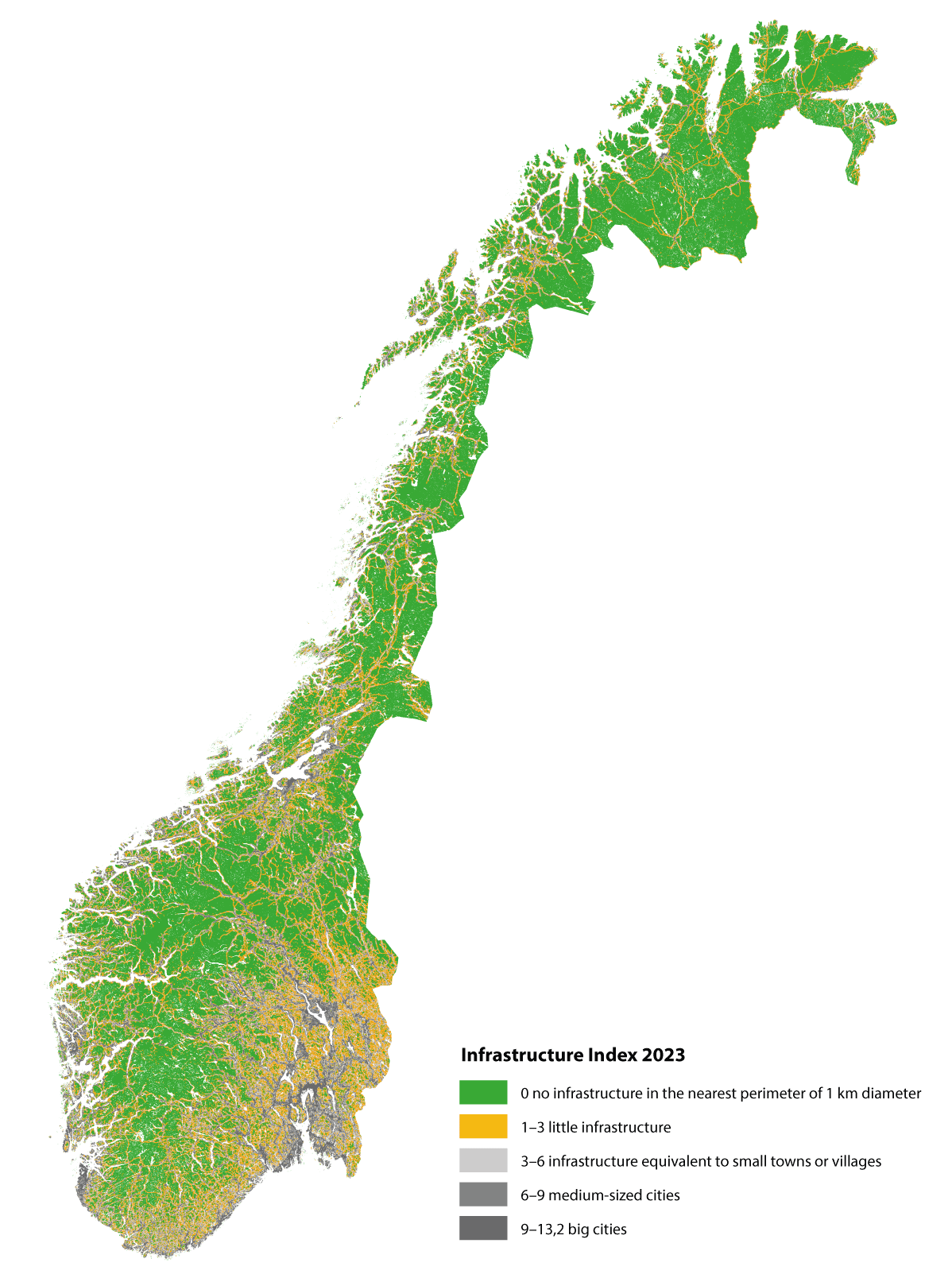
Figure 6.1 Infrastructure Index
The Infrastructure Index shows land use intensity in Norway. The index is calculated based on the extent of different types of infrastructure (buildings, roads and facilities) within a radius of 500 metres around the analysis point at a distance of 100 metres from one another.
Source: Erikstad et al. (2023)
Both the Climate Commission 2050 and the Nature Risk Commission, which delivered their respective reports in autumn 2023 and winter 2024, have made recommendations relating to the management of land as a limited resource. The Climate Commission 2050 believes that land use policy must limit the loss of nature and contribute to the preservation of natural carbon stores and therefore recommends that development projects that lead to loss of natural land be limited significantly and that clearer and more binding national frameworks be established for land use, that the national conservation of ecosystems be increased, and that binding, comprehensive plans for ocean use be established. The committee points to a need to update laws and regulations to better reflect climate and nature considerations, including the Norwegian Planning and Building Act, the Norwegian Nature Diversity Act and the regulations on impact assessments. The need to further develop the systems for organisation and follow-up on land use policy and to strengthen knowledge and expertise to ensure sustainable land management is also highlighted by the committee.5 The Nature Risk Commission believes, among other things, that nature risk must be included in relevant decision-making processes and that clearer frameworks relating to the assessment of nature risk will result in better management, including land management, as land is a scarce resource. Furthermore, the committee believes that all levels of government should use nature risk assessments to make decisions in accordance with the precautionary principle and to gain an understanding of the overall impact and risk of potentially catastrophic outcomes.6
The Norwegian Planning and Building Act also safeguards the consideration of Sami rights. Section 3-1 of the Norwegian Planning and Building Act supplements the objective of the act and sets out the responsibilities and considerations that must be taken into account in planning. It follows from Section 3-1 c that one of the considerations is: «protect the natural basis for Sami culture, economic activity and social life» According to Chapter 4 of the Sami Act, the Sami Parliament and other affected Sami stakeholders have the right to be consulted on measures that relate directly to Sami interests.
Textbox 6.2 The Fosen case
On 11 October 2021, the Supreme Court rejected the case on the assessment of expropriation compensation for reindeer farmers in Fosen on the grounds that the licensing and expropriation decisions were invalid. The Supreme Court found that the wind power development would have a significant negative impact on the reindeer owners’ ability to practice their culture in Fosen. Furthermore, the Supreme Court also found that the mitigating measures set out in the license were inadequate in avoiding significant negative impact on reindeer husbandry in the region and that the decision therefore contravened Article 27 of the International Covenant on Civil and Political Rights (CP). It is the responsibility of the state to safeguard rights under Article 27 of CP. The state also has a duty to ensure that any violation of the covenant be remedied and a number of different measures could therefore be relevant in achieving this. There may often be a need for the state to implement or impose measures, but the violation can also be remedied by establishing alternative solutions between affected private parties or through a combination of agreed resolutions and government measures. Minority participation in decision-making processes and consent for new measures or agreements will be an important factor in such assessments.
A mediation process was initiated in March 2023 and amicable agreements have now been entered into between the reindeer herders in the Fosen reindeer pasture district and the wind power enterprises. The Sør-Fosen reindeer herders and Fosen Vind reached an agreement on 18 December 2023, while the Nord-Fosen reindeer herders and Roan Vind reached an agreement on 6 March 2024. The agreements set out obligations both for the parties and for the state. The state will, among other things, obtain additional land outside the Fosen reindeer pasture district that can be used for winter pasture for both groups of reindeer herders. It is a prerequisite for the reindeer herders to consent to the use of the additional land and that the land meets the requirements set out in Section 8 of the Norwegian Reindeer Act. The goal is for the additional land to be available to reindeer herders during winter 2026/2027.
6.1.3 Measures and instruments to contribute to the target
Integrated and sustainable land-use management
Integrated and sustainable land-use management is essential for achieving several different societal targets and for striking an appropriate balance between different interests. Norway has already largely implemented the systems for integrated land-use management addressed in the global target. At the same time, natural land is a limited resource and there is a need to establish a clear direction of reducing development projects that lead to a loss of natural land going forward. The Government will therefore establish the following target:
Norway will reduce the number of development projects that contribute to loss of areas of especially high ecological integrity by 2030 and, by 2050, limit the net loss of such areas to a minimum. The target will be achieved through participatory, integrated and biodiversity-inclusive spatial planning that respects local governance and the rights of indigenous peoples.
This will be Norway’s National target to target 1 of the KMGBF. The target will form the basis for government activities and will serve as guidance for local authorities. The Government notes that especially important natural land includes biodiversity of national and significant regional interest, cf. the Norwegian Ministry of Climate and Environment’s Circular T-2/16.7 The aim is not to reduce the opportunity to develop socially beneficial renewable power production and power lines. See the more detailed discussion in Chapter 5.4.1.
The Government further highlights five principles for sustainable land-use management that will contribute to societally favourable and effective land use. The principles clarify, among other things, the need to choose locations and development solutions that avoid negative impact on natural and agricultural land, limit impact that cannot be avoided and repair any direct impact after development. Compensation is the final resort to remedy loss of natural and agricultural land. The principles are presented in Chapter 5.4.2.
As referenced in Chapter 5.4, research and studies show that considerations related to climate and nature are not adequately taken into account in spatial planning and that large land reserves have been set aside for development purposes in the prevailing municipal master plans. There is a need for improved knowledge of development projects that lead to a loss of natural land, both with regard to where development projects are implemented and the ecosystems that are lost. The Government is working to establish national nature accounts, as well as contributing data and guidance for nature accounts at regional, local and project level. See further details under Local land and nature accounts below. Other work is addressed in Chapter 5.2.
Sami reindeer husbandry is a land-intensive industry. Human activity and different types of intervention in reindeer pasture land create challenges, in addition to natural disruption from e.g. predatory animals. Pasture land is under growing pressure and increasing land interventions currently constitute one of the greatest threats to reindeer husbandry. The development of roads, hydropower, wind power, mining, etc. often takes place in areas that are currently classified as outfields and may result in decreased pasture for reindeer. In addition to direct land loss, reindeer will also migrate away from such installations to varying extents. Local authorities must take into account considerations related to reindeer husbandry in land-use management. This requires local authorities to have excellent knowledge platforms that include knowledge of reindeer husbandry traditions in order to balance the need for development and consideration of Sami interests. The Government presented a package of measures for reindeer husbandry and energy in 2023. The package of measures includes 24 measures that will, in combination, contribute to safeguarding the consideration of Sami reindeer husbandry in energy planning and development. Several of the measures will be relevant to planning and development in general.
Textbox 6.3 Onshore energy plants
Developing renewable energy production and grids requires land and cannot take place without impact on the environment and society, but the extent of the impact depends on the technology and location. An analysis for Norway shows that the affected land from damming in reservoirs is 2169 km2.1 Physical interventions relating to hydropower developments include dam facilities, construction roads, power stations, pipe trenches/development reaches, power plant wastewater, mass landfill and power lines. Hydropower affects species and their biotopes in and adjacent to lakes and rivers. Other impacts include hydrological and morphological changes, such as water level variations in reservoirs, reduced rate of flow in rivers, changed rate of flow throughout the year or between years, changes to ice conditions and reduced sediment transport.
For wind power, direct physical interventions of approximately 1.5 km2 per TWh of produced power have been calculated. At the same time, a larger area is affected, and the planning area is typically estimated to be 35 km2 per TWh. Today, the planning area of Norwegian wind power plants totals 587 km2.2 Subject to adequate light conditions, wind turbines can be visible across distances greater than 50 km, but the visual impact is often considered to be lower due to e.g. topography. Wind turbines can also affect nature through e.g. the collision risk for birds and movements and noises that may frighten wild animals (including wild reindeer) and domesticated reindeer. The road systems linked to wind power plants can, among other things, act as a barrier for wild animals and may lead to fragmentation of pasture land for reindeer.
Only a limited number of ground-mounted solar power plants has been developed in Norway. Published reports and applications show that a solar power plant with an installed capacity of 1 MWp3 occupies on average 10–13 decares of land. Converted to production under Norwegian conditions, ground-mounted solar power will occupy 13–15 km2 of land per TWh. Large parts of the land occupied are directly linked to land use for solar panels and the required distance between panels.
Other land use from power systems includes land used for power lines, where the cleared belt below the lines running through forests accounts for the greatest land intervention, alongside construction roads for developments. Power lines also pose risks to birds and may act as barriers for wildlife, including wild and domesticated reindeer.
The knowledge platform on habitat types and species has improved significantly in recent years, in no small part due to increased research. This constitutes important information that is used in licensing considerations for energy plants. Licenses are currently approved subject to a set of measures to remedy environmental impact. For wind power and power lines, remedial measures typically include the establishment of wildlife corridors, detailed location of turbines and roads to avoid bogs, marking of blades to avoid bird strike, radar-controlled lighting, bird deflectors on lines and adjustments to line profiles. Licenses for hydropower plants are, for example, granted subject to terms relating to the release of an ecological rate of flow, limitations on the use of reservoirs, location and design of different plant elements, construction of fish ladders and different habitat improvements. For existing plants with licenses subject to modern standard terms, subsequent investigations together with orders relating to remedial measures may contribute to reducing the negative impact.
1 Harby and Carolli (2022).
2 NVE (2022).
3 MWp describes the theoretical production capacity of solar panels under standard testing conditions. The actual capacity the plant can supply to the grid is specified in MW, which is normally somewhat lower than MWp.
Local authorities as key stakeholders
Local authorities have the main responsibility for spatial planning under the Norwegian Planning and Building Act. Through active use of land-use objectives, zones requiring special consideration and planning provisions in local plans, local authorities can contribute to effective land use that limits greenhouse gas emissions and safeguards national interests linked to biodiversity, cultural environments, landscapes and cultivated land. Proper spatial planning is important throughout the country. Central and regional agencies are responsible for participating in local planning processes and must produce information of significance to planning. Pursuant to Section 5-4 of the Norwegian Planning and Building Act, affected central and regional agencies have the opportunity to submit objections to plans that contradict national or significant regional interests and other key considerations. The Sami Parliament also has the opportunity to present objections on matters of significant importance to Sami culture or operations. In Circular T-2/16 National and significant regional interests within the environmental domain – clarification of the environmental authorities’ objection practices, the Norwegian Ministry of Climate and Environment clarified what are considered matters of national or significant regional importance or that are otherwise of significant importance to the climate and environment, including biodiversity. The circular contributes to more integrated administrative practices and increased predictability in local spatial planning. The circular was last updated in February 2021.
In June 2023, the Government presented new National expectations for regional and local planning 2023–2027. Here, the Government communicates the most important national planning priorities under the Norwegian Planning and Building Act. Considerations related to biodiversity and climate were clarified in the national expectations of 2023. The Government encourages, among other things, local authorities to establish targets to reduce development projects that lead to a loss of land with the purpose of achieving the climate and environment targets. Furthermore, the Government also expects important biodiversity, agricultural land, aquatic environments, recreational areas, overarching green structures, cultural environments and landscapes to be mapped and safeguarded in planning and that the overall impact of existing and planned land use be weighted. In connection with revisions to the land-use element of the municipal master plan, local authorities should also consider whether previously approved land use should be reversed to agricultural, natural, recreational and reindeer husbandry purposes out of consideration for biodiversity. These, and other expectations, must be followed up in regional and local planning.
Several local authorities have adopted different local land neutrality targets. Land neutrality means that all physical loss of natural land is compensated for through the restoration of similar natural land. This is also referred to as biodiversity net zero. Local authorities have varying capacity to compensate loss of nature through reversal. For many local authorities, a land neutrality target will likely mean that future development projects that lead to loss of natural land need to be significantly reduced. Adequate local assessments must be carried out to establish whether or not such targets are appropriate.
Local land and nature accounts
Many local authorities do not have an overview of actual land use or the characteristics of the areas that are being considered or proposed for reallocation for development purposes in the municipal master plan. The Government believes that local authorities should prepare land accounts as part of the knowledge platform for community and spatial planning. Land accounting can be a useful tool when local authorities revise municipal master plans and consider new and previously approved development areas and the overall impact from land use. The Norwegian Ministry of Local Government and Regional Development has issued a guide on how local authorities can prepare and use land accounts in their work on municipal master plans and biodiversity is one of the themes addressed. Going forward, it would be natural for local land accounts to be combined with nature accounts that show the historical and current situations for different types of, as well as how much, land the local authority holds, the integrity of nature and the services it provides. The local authority would obtain a better overview of local biodiversity and the functions provided by nature, such as contributions to flood retention, landslide protection, water purification, carbon capture and storage, etc. Together, local land and nature accounts can help local authorities and other stakeholders in land management to assess the overall impact on ecosystems and whether planned land use will make ecosystems more or less resilient to climate change. Many local authorities are in the process of preparing land and nature accounts and are using these when revising their municipal master plans. Regional authorities have an important role to play in supporting and guiding local authorities in the work and in drawing up accounts that place land developments in the context of a larger region. The Norwegian Environment Agency develops guidance for local and regional nature accounts. The Government will facilitate the use of land and nature accounts at local level as part of the knowledge platform for spatial planning and as a tool in assessing the impact of future land use when requested by the local authorities.
As discussed in Chapter 5.2, NIBIO, Statistics Norway, the Norwegian Mapping Agency and the Norwegian Environment Agency have drawn up a base map for use in land accounts and nature accounts. An initial version was published in March 2024 and is now being tested.8 The Government will continue its work to establish a national base map for use in land accounts and nature accounts that will be regularly updated and made available to local authorities and other stakeholders in land management.
Government planning guidelines
Five government planning guidelines have been drawn up and provide different levels of guidance for climate and environmental considerations in local spatial planning. These are the five government planning guidelines for differentiated management of the shoreline along the ocean, for coordinated residential, land and transport planning, for climate and energy planning, the national guidelines for protected water systems, as well as for strengthening children’s and young people’s interests in planning. The Government submitted its proposal for new government planning guidelines for land use and mobility and for climate and energy planning and climate adaptations for consultation during spring 2024. These may replace the current guidelines for coordinated residential, land and transport planning and for climate and energy planning and climate adaptation.
The Government planning guidelines for land use and mobility follow up on national expectations and provide further guidelines to prevent the loss of cultivated land, natural, wild reindeer and recreational land and carbon-rich areas from development projects. In Sami reindeer pasture land, planning must take into account the land use requirements for reindeer husbandry. The principle of densification and transformation must be considered and should be exploited before new development zones are set aside and put into use and this applies to all development purposes. In regions with larger urban areas, access to green areas and natural land must also be emphasised. The guidelines encourage differentiated land management and do, to some degree, allow for scattered residential development in districts with low development pressures. For holiday homes, the Government proposes guidelines that state that it is important that holiday home neighbourhoods in mountains and outfields be restricted to ensure continuous natural, wild reindeer and recreational areas, cultural environments and key areas for agriculture, reindeer husbandry and other commercial activities. The impact of development projects on the landscape must be assessed and minimised. Furthermore, a guideline is proposed that emphasises consideration for especially important areas for recreation and biodiversity, as well as carbon-rich areas, so that the quality and capacity of ecosystem services, carbon storage and climate adaptation are maintained.
The Government planning guidelines for climate and energy will, among other things, contribute to Norway achieving the climate targets, the basis of existence and biodiversity being preserved for current and future generations and society and ecosystems being prepared and adapted for climate change. The proposed guidelines include directions as to how local authorities should establish climate targets and action plans and how emission cuts, energy and climate adaptations must be safeguarded in planning under the Norwegian Planning and Building Act. The guidelines state that considerations for climate, biodiversity and energy must be prioritised highly in sectoral work and considered in conjunction. According to the proposal, the reallocation and development projects that lead to loss of carbon-rich areas, including bogs, tidal marshes, other types of wetlands and forests must be avoided to the extent possible. Alternative locations must be considered, and the impact must be highlighted. The guidelines state that land and nature accounts are tools that should be considered.
Tools and knowledge
The Government has a goal of continuing and strengthening the role of local authorities in land management and will work to improve the expertise and capacity of local authorities as land managers. The Government carries out ongoing work to draw up and further develop guidelines for local planning. The Norwegian Ministry of Local Government and Regional Development has drawn up system guidance on planning under the Norwegian Planning and Building Act and several thematic guidance documents, such as guidance on the planning of holiday homes and marine spatial planning. The Norwegian Environment Agency provides guidance on environmental considerations in planning, including on various themes within biodiversity. The Norwegian Ministry of Local Government and Regional Development and the Norwegian Environment Agency collaborate on guidance and have jointly developed a series of webinars on climate and biodiversity in planning. The county municipalities and county commissioners are responsible for providing guidance and actively contributing to local planning processes. In order to support local authorities in their planning and work to safeguard biodiversity considerations, the Government will work to ensure that county commissioners, county municipalities and central government agencies offer early, comprehensive and coordinated guidance on environmental themes and other national targets relating to land-use and planning to local authorities.
The county municipalities are the regional planning authorities and advisors responsible for providing planning guidance to local authorities. Regional and inter-municipal plans are important tools for considering land-use and social development in conjunction across municipal borders. This is important for solving many environmental challenges. One example are the regional water management plans for the 2022–2027 period, including guidelines for land use that will help ensure that local authorities safeguard the aquatic environment. Another example are the seven regional plans for mountain regions with wild reindeer that are intended to safeguard the biotopes for wild reindeer in future and balance the use and conservation of areas. The plans delineate national wild reindeer zones from peripheral areas and include guidelines for land use in different zones. Regional coastal zone plans help us to consider the integrated management of ocean regions and the shoreline across municipal borders, while regional plans for coordinated residential, land and transport planning will ensure that development patterns and transport systems are considered together for larger regions. Collaboration on the content of regional and inter-municipal plans can contribute to strengthening the expertise in the local authorities concerned. The Government will support the role of the regional authority by giving a report on regional teams in county municipalities to relieve the local authorities of tasks by offering them specialist expertise with an emphasis on nature, climate, environment, soil protection and other themes in planning. Any use of the «task relief teams» in country municipalities will be voluntary. At the same time, the Government will also assess inter-municipal solutions to meet the same need.
Many local authorities assume responsibility for safeguarding biodiversity and other key social interests in planning. The exchange of experiences between local authorities can therefore also contribute to skills development. In collaboration with the National Assembly of the Norwegian Association of Local and Regional Authorities, country municipalities and county commissioners, the Government will facilitate local authority networks on biodiversity, climate, soil conservation and planning. The purpose is for the local authorities to learn from one another and provide mutual inspiration and support in their efforts to support biodiversity. The model may be expanded to include new areas if it is successful.
The Norwegian Planning and Building Act provides the starting point for local authorities in their work on community and land-use planning. In order to empower local authorities and their role in biodiversity management, the Government will examine potential changes to the Norwegian Planning and Building Act in order to strengthen biodiversity considerations. Such an assessment must be viewed in the context of the ongoing assessment of amendments to the Norwegian Planning and Building Act in order to strengthen climate considerations. The purpose of the assessment will be to clarify, improve and increase the local authorities’ legal freedom to act without changing the allocation of responsibility between central government and local authorities. The assessment will also build on the assumption that the Norwegian Planning and Building Act is a procedural act under which biodiversity is one of several national targets that local authorities have a responsibility to manage and the fact that local authorities must balance different considerations. The assessment will prioritise legal bases and tools requested by local authorities in their work on biodiversity. Ongoing work is carried out to improve the regulations on impact assessments. The Norwegian Ministry of Climate and Environment and the Norwegian Ministry of Local Government and Regional Development have initiated work to revise the regulations, see more under target 14.
Decisions on land use must, among other things, be made on the basis of the public map data (DOK), which has been adapted for local authorities’ planning and building work. Local authorities may request that anyone who submits a planning proposal, impact assessment or application for measures under the Norwegian Planning and Building Act must obtain geodata if this is necessary to consider the proposal. Knowledge of biodiversity, including mapping, has been addressed in further detail under target 21.
In 2021, a grant scheme aimed at local authorities who want to create a separate municipal sector plan for biodiversity was established under the Norwegian Ministry of Climate and Environment’s budget. This is a measure whereby local authorities identify natural assets of national, regional and local significance as part of the knowledge platform for land-use management. By drawing up a separate municipal sector plan for biodiversity, several local authorities have achieved increased knowledge and awareness of biodiversity in their municipality. The planning process also provides excellent opportunities to facilitate local participation, which is important for obtaining good input and local engagement in biodiversity work. Between 2016 and 2023, 82 local authorities have received grants to establish such plans. From 2024, the scheme has been expanded and is now referred to as «nature grants». Subsidies are also available to local authorities seeking to revise adopted municipal sector plans for biodiversity and to revise plans. This means that the local authority would revise older land use plans and assess these in line with updated knowledge about natural assets. Under the grant scheme, local authorities can also access funds to implement local measures to safeguard biodiversity. In 2024, a total of NOK 68 million has been set aside for the grant scheme and 45 local authorities have received funding to create municipal sector plans for biodiversity.
Svalbard
Currently, the contribution from land use changes to the loss of areas of significance to biodiversity and ecosystems with good ecological integrity is virtually zero on Svalbard. At the same time, the impact of climate change constitutes a threat to the natural environment, ecosystems and wildlife. The conservation of Svalbard’s unique wilderness is one of the overarching targets set out in Svalbard policy and the environmental protection targets for Svalbard state that the extent of wilderness must be maintained. Measures to ensure that the environmental targets are achieved have been described in White paper no. 26 (2023–2024) Svalbard.
Marine areas
The management plans for the Norwegian sea areas implement integrated, ecosystem-based management, by assessing the cumulative human impact on the marine environment, and by managing the use of the ocean in a way that allows ecosystems to maintain natural functions and service provision. The plans are updated every four years. The management plans include decisions relating to the framework for petroleum activities. The management plans provide clarity through overarching frameworks, coordination and priorities for the management of sea areas, and for the achievement of target 1 through broad involvement of government agencies. The management plans are discussed in further detail under target 14. The Government has also presented an Ocean Industry Plan for Norwegian sea areas, including ten overarching principles for marine area use, contributing to strengthened cross-sectoral coordination, increased predictability for users of the ocean and co-existence.
In 2020, Norway endorsed the recommendations from the Ocean Panel and has politically committed to the sustainable management of 100 per cent of the sea areas under national jurisdiction, based on Sustainable Ocean Plans, by 2025. The Ocean Panel has stated that a sustainable ocean plan is to include guidelines and mechanisms to facilitate a rich, vibrant and productive ocean for both current and future generations. Sustainable ocean plans will provide a framework to manage conflicts associated with marine area use and resources. They will facilitate long-term sustainable growth in the ocean economy. As a minimum, the Ocean Panel recommends that, as the basis for a sustainable ocean economy, plans must be drawn up and implemented through an inclusive, participatory, transparent and responsible process. The White paper no. 21 (2023–2024) Norway’s integrated ocean management plans will be translated into English and will be the mainstay of the Norwegian Sustainable Ocean Plan.
The Ocean Panel highlights the development of national ocean accounting as one of several measures to achieve the target of sustainable management of oceans and coasts. Ocean accounts are thematic accounts that collate data using three international accounting frameworks. One of these is nature accounts, together with frameworks for economic activity and the impact on the environment and use of natural resources. Work on nature accounting has been addressed in further detail in Chapter 5.2.
International follow-up
Through Norway’s International Climate and Forest Initiative, Norway works to contribute to sustainable land use policies in countries with tropical forests, see further details in Chapter 4.2. Since its inception in 2008, Norway’s International Climate and Forest Initiative has expanded its work to look at broader elements of land use management in tropical forest countries than just forest areas. The demand for agricultural products such as cattle and vegetable oil is one important cause of deforestation and land degradation. This means that the management of agricultural land in particular has an impact on the development of forest areas and the management of agricultural land is therefore included as part of the dialogue with several tropical forest countries. Work to protect mangroves is also a part of Norway’s International Climate and Forest Initiative’s efforts. Through Norway’s International Climate and Forest Initiative, Norway supports the efforts of tropical forest countries to achieve target 1.
The Government will:
Nationally:
-
facilitate the use of land and nature accounts at local and regional level as part of the knowledge platform for spatial planning and as a tool in assessing the impact of future land use
-
continue its work to establish a national base map for use in land accounts and nature accounts that will be regularly updated and made available to local authorities and other stakeholders in land management
-
strengthen the local authorities’ expertise and capacity in relation to eco-friendly planning by:
-
continuing and strengthening the role of local authorities in land management and working to improve the expertise and capacity of local authorities as land managers
-
assessing regional task relief teams or inter-authority solutions to meet the same needs in order to offer specialist expertise to local authorities with an emphasis on nature, climate, environment, soil conservation and other themes in planning
-
working to ensure that county governors, regional authorities and central government agencies offer early, comprehensive and coordinated guidance on environmental themes and other national targets relating to land and planning to local authorities
-
collaborating with the National Assembly of the Norwegian Association of Local and Regional Authorities, regional authorities and county commissioners to facilitate local authority networks on biodiversity, climate, soil conservation and planning
-
assessing potential amendments to the Norwegian Planning and Building Act in order to strengthen biodiversity considerations. Such an assessment must be viewed in relation to the ongoing assessment of amendments to the Norwegian Planning and Building Act in order to strengthen climate considerations. The purpose of the assessment is to clarify, prepare and strengthen the local authorities’ legal freedom to act without changing the allocation of responsibility between central and local government and to continue the assumption that the Norwegian Planning and Building Act is a procedural act under which local authorities must balance different considerations and follow up on several national targets.
-
Internationally:
-
strengthen Norway’s International Climate and Forest Initiative’s measures that contribute to conserved biodiversity by:
-
continuing to prioritise results-based partnerships with strategic tropical forest countries
-
further developing Norway’s International Climate and Forest Initiative’s efforts in other important forest ecosystems for biodiversity, such as savanna forests and mangrove forests through increased results-based support and programme support for such ecosystems
-
6.1.4 National target
Norwegian land is largely subject to spatial planning under the Norwegian Planning and Building Act and/or well-established administrative processes that facilitate participation. These regulations and processes include the balancing of all societal considerations, including biodiversity. There are challenges relating to adequate safeguarding of biodiversity and climate, as well as other environmental assets, in such processes. There is a need to establish a better overall overview of land lost due to development projects. Against this background, the Government has established the following objective for target 1:
By 2030, initiate actions to reduce the number of development projects that contribute to loss of areas of especially high ecological integrity, and by 2050, limit the net loss of such areas to a minimum. The implementation of the target will ensure an approach that secures participatory, integrated and biodiversity inclusive spatial planning, respecting local governance and the rights of Indigenous Peoples.
Especially important natural land includes biodiversity of national and significant regional interest, cf. the Norwegian Ministry of Climate and Environment’s Circular T-2/16.
6.2 Target 2 – Restore Degraded Ecosystems
6.2.1 Global target
Ensure that by 2030 at least 30 per cent of areas of degraded terrestrial, inland water, and marine and coastal ecosystems are under effective restoration, in order to enhance biodiversity and ecosystem functions and services, ecological integrity and connectivity.
This target is linked to the UN Sustainable Development Goals, sub-goals 6.6, 14.2, 15.1 and 15.3.
6.2.2 Status in Norway
Nature restoration refers to measures that contribute to improving or restoring the integrity of ecosystems that have been degraded or destroyed. The goal is to ensure well-functioning ecosystems that deliver important ecosystem services. However, this does not mean that all measures that can contribute to positive developments in an ecosystem can be considered to constitute nature restoration. The measures must be of a certain significance and suitable for providing lasting effects. In many places, nature has been degraded or destroyed due to development projects, the introduction of alien species, pollution or unsustainable use without any action being taken to repair the damage. Through efforts to repair damage or restore nature in areas where nature has been degraded through earlier use, ecosystem status will improve and ecosystems will become more robust and resilient to climate change, provide important ecosystem services, such as stable carbon stores.
During the consideration of White paper no. 14 (2015–2016) Nature for Life, the Storting adopted request no. 669, which reads: «The Storting asks the Government to clarify what constitutes good status and what areas should be considered degraded ecosystems, and to escalate the work to improve the status of ecosystems with the aim of 15 per cent of degraded ecosystems being restored by 2025.» The Government responded to the request in the Norwegian Ministry of Climate and Environment’s Prop. 1 S to the Storting (2022–2023). The response noted that an assessment system for ecological conditions has been developed and explained that degraded ecosystems can be assessed using this system. The Government also referenced efforts to establish menus of different measures to help maintain good ecological status in various ecosystems, that restoration measures will be considered alongside other environmental measures and that global targets for restoration will form the basis for the work.
The work to clarify the extent of areas in Norway that constitutes degraded ecosystems is not yet complete. The exception is the rivers and lakes ecosystem, as well as coastal waters, for which the specific bodies of water that are degraded have been determined through water management under the water regulations. The degradation of the ecosystems mountains, forests, oceans and Arctic tundra has been assessed at a general level based on the assessment system for ecological condition, but we do not have an overview of the specific areas that are degraded. For the ecosystems wetlands, semi-natural land and open lowlands, the overall integrity assessment will be carried out using the assessment system in 2026.
There is currently ongoing nature restoration work under way in several areas in Norway. A national strategy for the restoration of water systems has been established with a target of at least 15 per cent of degraded water systems in Norway to be restored during the 2021–2030 period. Since 2016, the Norwegian Environment Agency has restored wetlands in order to improve ecological status, reduce greenhouse gas emissions and contribute to better climate adaptation. The work is carried out in accordance with the prevailing Norwegian Wetland Restoration Plan 2021–2025. Since 2016, approximately 205 decares of peat extraction areas and around 190 bogs have been restored, totalling 9500 decares of bogland in which 456,000 metres of dikes have been closed (see Figure 6.2). Most of the measures have been carried out in protected areas, but increasingly also on land owned by Statskog, as well as on land owned by the municipalities and private parties.
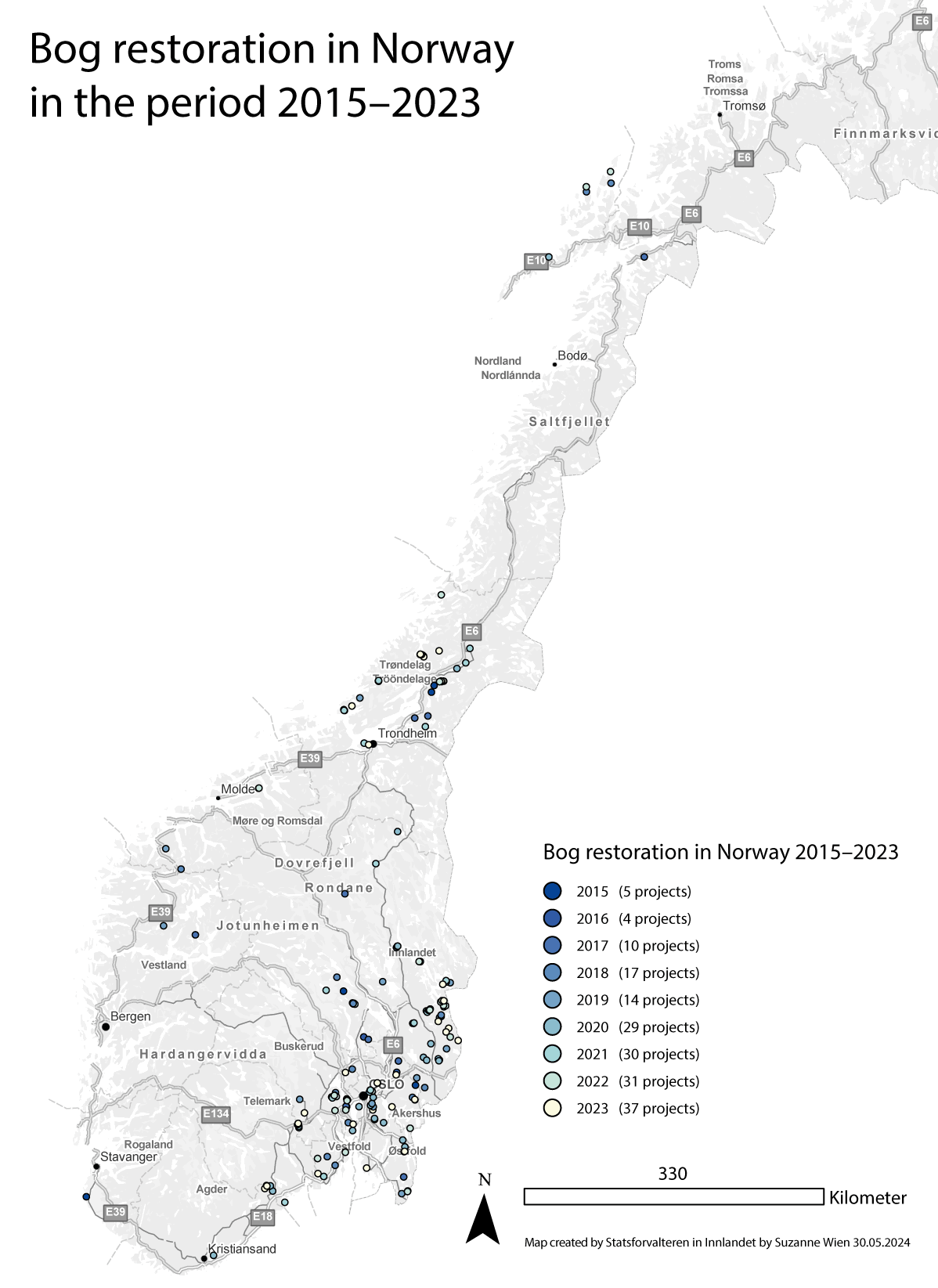
Figure 6.2 Norwegian Bog Restoration 2015–2023
Bog restoration in Norway under the auspices of environmental management has so far largely taken place in Trøndelag and Eastern Norway.
Source: The Norwegian Environment Agency
Restoration efforts are also under way in several other terrestrial ecosystems. In accordance with the management plan for endangered biodiversity, the habitats open areas on shallow lime-rich soils and sand dunes are also being restored. The biotopes hay fens and hay meadows and coastal heathlands are being restored through larger-scale measures at the start and will subsequently be maintained through annual care in the form of haying, grazing and heath scorching. Together with environmental funds and funding from the Agricultural Agreement, a total of around 1,000 hay meadows are now being managed. This corresponds to 8000–9000 decares. In forests, restoration efforts are taking place in conservation areas through the removal of alien species.
In marine areas, work is under way to restore marine ecosystems with a particular emphasis on the Skagerrak-Oslo Fjord region, with targets to restore the ecosystems’ production and biodiversity and capacity for natural carbon-binding and storage. Remediation of polluted seabed has also been carried out, and Pacific oysters are removed in Agder, Vestfold, Akershus, Oslo and Østfold.
In the Arctic, especially on Svalbard, the long history of conservation of species and regions of various types has resulted in the efficient restoration of many populations of mammals and birds that were previously in sharp decline due to over-exploitation. This has resulted in a long-term, large-scale restoration of wildlife and natural ecosystems on Svalbard and in the northern Barents Sea. The restoration of the mining areas at Svea on Svalbard also constitutes a significant contribution to the physical restoration of an industrial landscape back to near-original condition. The restoration efforts at Svea have increased the extent of wilderness areas on Svalbard by 118 km2.
Today, it is primarily government authorities such as the County Governor, the Norwegian Nature Inspectorate, the Norwegian Environment Agency and NVE that manage the planning of restoration efforts, while the practical implementation is carried out by private sector contractors. Some county municipalities and municipalities are also involved in the planning and implementation of nature restoration efforts.
Textbox 6.4 Restoration of the Hjerkinn firing range and Svea mine
Two highly extensive restoration projects have been completed in Norway in recent years. These are significantly larger than other Norwegian restoration measures and demonstrate just what it is possible to achieve.
The restoration of nature at the former Hjerkinn firing range took place under the auspices of the defence sector and started in 2005 and was completed in 2020. A total of 5.2 km2 of nature was restored. The largest interventions at the firing range involved landfills, large, levelled plains used for military activities – including bomb training – and an extensive road network.
The firing range was situated in a rich nature area at Dovre, surrounded by national parks. The former firing range was granted protection in 2018. The majority – over 130 km2 – was protected as a national park and incorporated in the adjacent Dovrefjell-Sunndalsfjella National Park.
The reversal back to habitats for wild reindeer was an important condition for the restoration and has resulted in an increase equivalent to 12.2 km2 in high-quality summer habitat at the former firing range. The restoration is not only a biodiversity measure but also a climate measure. The storage potential at Hjerkinn is greatest at the restored willow moor and bog/wetlands. In total, the restored areas at Hjerkinn will have the capacity to store 54,500 tonnes of carbon.
On Svalbard, the restoration project at Svea and Lunckefjell is now complete following six years of work. An entire mining town with a mining history spanning nearly a century has been restored back to nature. The airport, dock facilities, oil tanks and a whole town’s worth of infrastructure have been cleared. In total, approximately 2 million m3 of mass have been moved, 42,000 m2 of buildings have been demolished and almost 30 km of road have been restored back to nature. All cultural heritage sites dating back to before 1946 are automatically preserved on Svalbard and this will be left behind as part of the landscape. Much of the restored areas have now been incorporated into Van Mijenfjorden National Park. The Governor of Svalbard has worked closely with the project owner, Store Norske, throughout the project and this has been key to the restoration being completed ahead of schedule and NOK 900 million below the original budget.
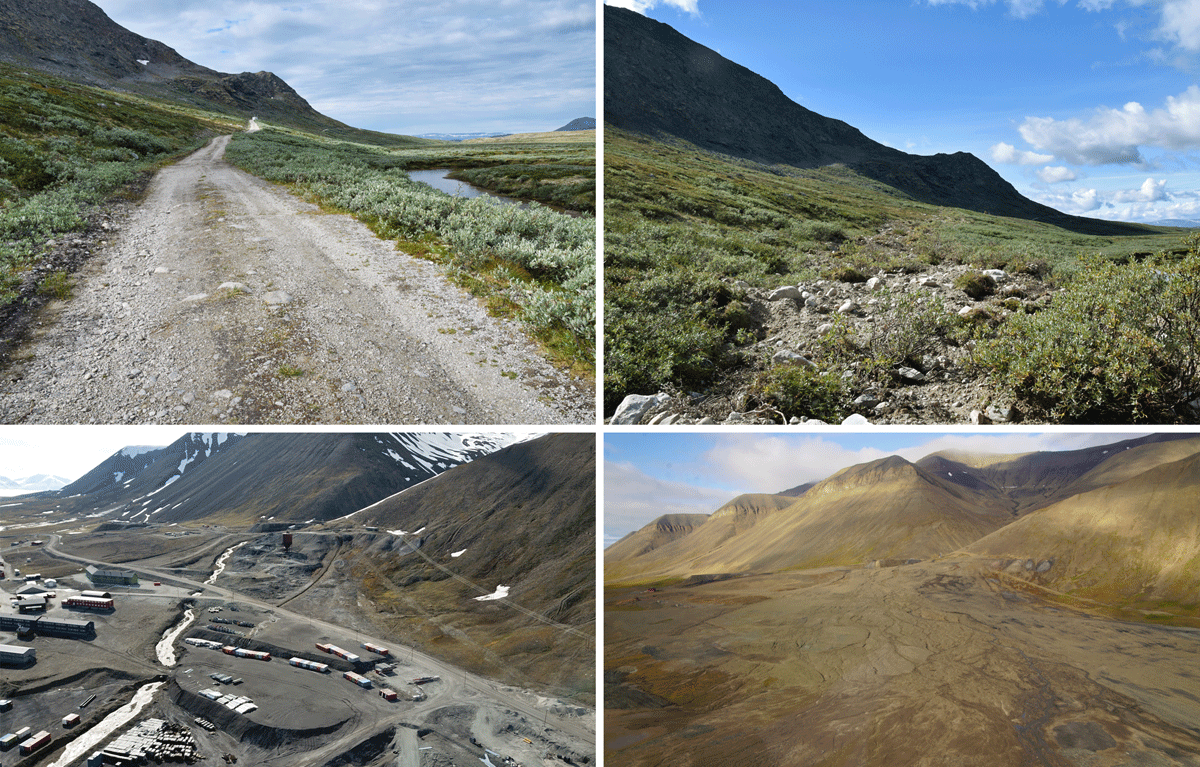
Figure 6.3 Before and after picture of the restoration at Hjerkinn (top) and Svea (bottom)
Photo: Dagmar Hagen/NINA and Store Norske
6.2.3 Measures and instruments to contribute to the target
Clarify the extent of degraded or destroyed nature
In order to succeed with nature restoration efforts, we need, among other things, an improved overview of areas with degraded or destroyed nature in Norway. In partnership with the affected sectoral authorities, the environmental management will clarify the extent of areas that are degraded or destroyed on land and in marine areas. The work will be based on relevant knowledge sources relating to the condition of Norwegian ecosystems. It will, for example, be relevant to use data from remote sensing, artificial intelligence (AI), the Norwegian Environment Agency’s mapping method for terrestrial habitat types and knowledge from work on the Menu of Measures for forests, etc. Work is also under way to develop nature accounts for Norway. As part of the latter, condition accounts will be drawn up to provide an overview of changes to condition of different ecosystems.
Targeted and effective restoration in ecosystem-based management
The overall restoration of nature should be targeted and effective so that the implementation of measures is prioritised in the areas where it provides the greatest benefits to society. This is best achieved by considering the need for restoration measures within a comprehensive ecosystem-based management process in which all relevant measures to achieve good condition in ecosystems are viewed in context. For the ecosystems forests, mountains and cultural landscapes and open lowlands, restoration measures are therefore considered as part of the Government’s work on the Menu of Measures. For the wetland ecosystem, the existing restoration plan has been incorporated into the Norwegian Nature Strategy for Wetlands. For rivers, lakes and coastal waters, similar considerations are carried out as part of the water management plans, while restoration in ocean regions is considered as part of the work on the management plans for marine areas.
Clarifying the allocation of responsibilities and strengthening the implementation of nature restoration measures
There is a need to strengthen capacity and expertise and ensure efficient organisation of both the planning and the implementation of measures. The involvement of government environmental authorities was important for gathering experiences and achieving successful results as the work on the restoration of bogs and other wetlands started, as well as in the work to remove alien tree species from protected areas. In order to increase efforts on nature restoration, the Government will ensure that more stakeholders outside of nature management are involved, such as municipalities, other government agencies, organisations, research institutions and private sector. Restoration helps improve the condition of nature, which is especially important for district municipalities where nature forms the basis for jobs in connection with e.g. agriculture, cabins and tourism. The work with nature restoration measures will also lead to jobs for local contractors. It is therefore important to accommodate local authorities’ and private parties’ integral involvement in nature restoration work, especially in the districts.
The state has limited instruments available to order or implement restoration measures outside of Svalbard, outside protected areas and in areas that are not degraded as a result of pollution. The Norwegian Ministry of Climate and Environment has therefore asked the Norwegian Environment Agency to review the existing – and the need for any new – legal instruments to increase the extent of nature restoration in Norway.
Based on the experiences so far and the need to ensure broader participation through increased efforts on restoration work, the Government bases the further work on nature restoration on the following:
-
The Norwegian Environment Agency has the overarching responsibility for nature restoration work in Norway. As part of this, the Norwegian Environment Agency will ensure that there is adequate coordination between the different authorities, provide guidance and develop and share updated knowledge of effective restoration methods for different ecosystems. The Norwegian Environment Agency will also maintain an overview of the extent of degraded and destroyed nature and completed restoration projects. The latter must be viewed in the context of the work on nature accounts.
-
Environmental management is responsible for the planning and implementation of restoration measures for degraded nature in protected areas.
-
Like today, the sectoral authorities will be responsible for the restoration of nature within their areas of responsibility.
-
Similarly, project owners, both public and private, will still be responsible for ensuring that measures are taken to avoid, limit, repair and – as the final resort – compensate for any loss of nature when it is necessary to carry out development projects that lead to loss of nature (mitigation hierarchy). This includes any restoration measures.
-
The local authorities’ roles and responsibilities in restoration work must be clarified.
-
Landowners, organisations, forest owner associations, Sami institutions and others are invited to contribute to restoration work through the use of grant schemes and by providing knowledge.
Grant schemes
In 2024, the Government launched a new nature restoration grant scheme aimed at municipalities, organisations and private project owners. The grant scheme will contribute to the restoration of degraded nature. Grants can be awarded for specific restoration measures, planning and monitoring of restoration measures, as well as nature-based solutions, see more under target 8. Furthermore, grants for special environmental measures in agriculture (SMIL) can also contribute to restoration measures, such as the establishment of riparian zones/environmental planting or the reopening of streams. Contributions from the grant schemes for measures in selected agricultural landscapes and the agricultural world heritage initiative can also be used for restoration and management initiatives. Through these grant schemes, the Government lays the foundations for stakeholders to also contribute to restoration work in the future.
The grant scheme to safeguard biodiversity in municipal planning, which has been discussed in further detail under target 1, is also relevant for nature restoration work. In the work on municipal sector plans for biodiversity, local authorities can gain an overview of the areas that include degraded ecosystems and plan and implement measures to improve integrity. In order to facilitate the work of the municipalities, the Government will draw up guidance on how the potential for restoration of nature can be assessed as part of this work. Guidance will also be drawn up on how areas that can be restored and have been restored can be protected in the land-use element of municipal master plans.
Action plans and other processes
The regional water management plans for 2021–2027 and associated action programmes include more than 12,000 measures, of which around 1600 are physical restoration measures. Restoration measures will, among other things, improve migration and distribution routes, physical conditions and water quality. If all the measures are implemented, the environmental targets can be achieved for around 90 per cent of bodies of water by 2027. The grant scheme for aquatic environment initiatives has supported 239 projects in the last three years. Furthermore, NVE’s budget for the grant schemes for flooding and landslide prevention, including environmental measures in water systems, has been increased.9 These grant schemes have funded large and small restoration projects and environmental improvement measures in and along water systems, as well as flood and landslide protection measures. In accordance with the strategy for the restoration of water systems, the action plan for the restoration of water systems is currently in development and will be regularly updated towards 2030. The plan will present specific recommendations on the prioritisation of individual water systems for comprehensive restoration. It will act as an important instrument to improve the ecological condition in bodies of water. The implementation will necessitate prioritisation and strengthened efforts. The work on the implementation of the Plan for the restoration of wetlands in Norway (2021–2025) forms the basis for continued restoration work in bogs and other wetlands. The restoration of bogs and wetlands is of great importance for restoring natural carbon stores and for climate adaptation.
A targeted restoration of the habitats for wild reindeer was one of five strategic areas presented by the Government in Report to the Storting no. 18 (2023–2024) Improved conditions for wild reindeer. Restoration will be an important measure in facilitating increased exchange of wild reindeer between wild reindeer zones and for wild reindeer to be able to move more freely within the wild reindeer zones that are currently established. Work on the restoration of nature in wild reindeer zones and adjacent areas that are or may become important to wild reindeer will initially be prioritised when action plans are drawn up in accordance with the quality standards for wild reindeer. These are plans that will be drawn up for each wild reindeer zone, with the aim of raising quality in these areas. The plan is that the first action plans will be issued for consultation in 2024/2025. The aim is to evaluate the impact of the action plans by 2030.
Restoration of marine biodiversity in marine and coastal areas, can be carried out through active restoration and passive measures to restore or improve the integrity of marine ecosystems. Natural restoration and recolonisation in selected conservation areas on a larger scale in suitable locations can strengthen ecosystems and provide space and time for ecosystems to naturally adapt. There is ongoing work to establish a pilot project in connection with one or more of the national parks in the Skagerrak-Oslo Fjord area, in order to restore ecosystems and develop knowledge of the impact of such measures.
The Government is working on an all-out effort for the Oslo Fjord to restore good ecological condition in the fjord, with a particular focus on the greatest impact factors: wastewater, agriculture and fishing. The Government actively monitors the Comprehensive Action Plan for a Clean and Rich Oslo Fjord with Active Outdoor Life, which in itself is a large-scale restoration project that entails several specific restoration measures and a number of environmental improvement measures. One of the targets set out in the action plan is the restoration of important natural assets. The action plan includes 63 specific measures and 19 items relating to knowledge collection for the purpose of increasing knowledge of the integrity of the fjord and how it can be improved, see box 6.11.
In Report to the Storting no. 14 (2006–2007) Together for a non-toxic environment – prerequisites for a safer future, 17 coastal and port areas were prioritised for the remediation of polluted seabeds. These are areas where particularly high levels of contamination have been identified, as well as an unacceptable risk of adverse impact on aquatic animals and plants, as well as health. Remediation measures are under way in Hammerfest and Bergen (Store Lungegårdsvann). Remediation measures have been completed in Oslo, Tromsø, Harstad, Trondheim and Sandefjord. Remediation measures have also been carried out in parts of Arendal, Kristiansand, Bergen (Puddefjorden), Stavanger (Bangavågen) and the Lister Fjords (Farsund and Flekkefjord).
International follow-up
Norway’s International Climate and Forest Initiative works to support countries with tropical forests to reduce deforestation and forest degradation. Through holistic, sustainable land use policies, partner countries obtain the basis needed to identify prioritised ecosystems and areas for restoration. The restoration of degraded forests and other degraded lands, such as wetlands, is part of Norway’s dialogue with partner countries on the follow-up to the KMGBF.
The Government will:
Nationally:
-
by 2030, clarify the extent of degraded or destroyed areas on land and in coastal and ocean regions based on existing knowledge of the condition of Norwegian nature and using new knowledge and technologies
-
consider targeted and effective measures for the restoration of nature in the work on the menus of measures, Nature Strategy for Wetlands and management plans for water and ocean regions.
-
follow up on the action plan for the Oslo Fjord
-
facilitate local authorities’ contributions to nature restoration as the planning authority and local environmental authority through guidance and existing grant schemes and by considering measures to strengthen the local authorities’ expertise and capacity in nature restoration work
-
evaluate the grant schemes for the restoration of nature
Internationally:
-
continue to facilitate the restoration of degraded ecosystems through Norway’s International Climate and Forest Initiative
6.2.4 National target
The restoration of nature helps reduce pressure on nature and maintain ecosystem services. The first step is to clarify the extent of degraded areas. Against this background, the Government has established the following objective for target 2:
By 2030, document the extent of degraded and destroyed natural areas in Norway, and restoration initiatives have been strengthened and implemented in areas where co-benefits for society at large is deemed highest.
6.3 Target 3 – Conserve Land, Waters and Seas
6.3.1 Global target
Ensure and enable that by 2030 at least 30 per cent of terrestrial and inland water areas, and of marine and coastal areas, especially areas of particular importance for biodiversity and ecosystem functions and services, are effectively conserved and managed through ecologically representative, well-connected and equitably governed systems of protected areas and other effective area-based conservation measures, recognizing indigenous and traditional territories, where applicable, and integrated into wider landscapes, seascapes and the ocean, while ensuring that any sustainable use, where appropriate in such areas, is fully consistent with conservation outcomes, recognizing and respecting the rights of indigenous peoples and local communities, including over their traditional territories.
The target is linked to the UN Sustainable Development Goals, sub-goals 6.6, 11.4, 14.4, 14.5 and 15.4.
6.3.2 Status in Norway
According to the United Nations Intergovernmental Panel on Climate Change, the safeguarding of biodiversity and ecosystem services globally requires us to conserve 30–50 per cent of land, waters and seas through conservation and other effective area-based conservation measures. The global target is based on research10 that shows that by conserving at least 30 per cent of the land and ocean areas that are most important to biodiversity, we can ensure survival of more than 80 per cent of the species on land.11 Sustainable management contributes to maintaining the function of and biological production in ecosystems. In this context, the work within the sectors to help safeguard biodiversity under sectoral legislation and land and ocean management under the Norwegian Planning and Building Act will be important, alongside area conservation under environmental legislation and other effective area-specific conservation measures. Protection provides long-term, cross-sectoral protection of the natural values in the protected areas and constitutes an important instrument in safeguarding endangered species and habitat types. For species with a wide geographical range protected areas alone will not be sufficient and needs to be supplemented using other measures within the range. Statutory protection can currently be adopted under the Nature Diversity Act, the Svalbard Environmental Protection Act, the Jan Mayen Act and the Act relating to the Bouvet Island, Peter I’s Island and Queen Maud Land.
Norway is a member of the High Level Panel for a Sustainable Ocean Economy (the Ocean Panel) and the Convention for the Protection of the Marine Environment in the North-East Atlantic (OSPAR), which have set equivalent targets to conserve marine biodiversity by 2030 to the global targets set out in the Kunming-Montreal Global Biodiversity Framework.
Status of areas that are protected or subject to long-term conservation using other measures
Norway has worked extensively to conserve a selection of all types habitats through statutory protection of areas. To date, Norway has classified approximately 25.7 per cent of its land area, including Svalbard and Jan Mayen, as protected areas. Disaggregated, this is approximately 17.7 per cent of mainland Norway (see Figure 6.4) and 69.1 per cent of the land area on Svalbard and Jan Mayen. We have also protected a total of 4.2. per cent of Norwegian marine areas under the Nature Diversity Act, the Svalbard Environmental Protection Act, the Jan Mayen Act and the Act relating to the Bouvet Island, Peter I’s Island and Queen Maud Land.
Today, 5.3 per cent of all forests and 4 per cent of productive forests are statutory protected. Furthermore, we have protected 14 per cent of rivers and lakes, 16 per cent of wetlands, 12 per cent of cultural landscapes and open lowlands and 34 per cent of mountain ecosystems.12
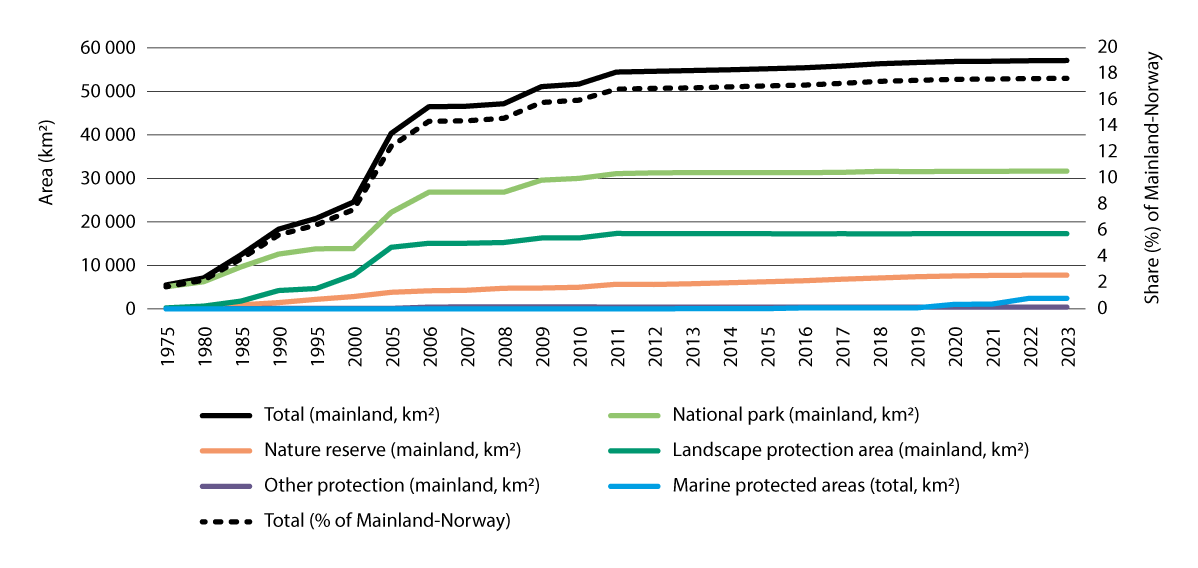
Figure 6.4 Areas protected under the Nature Diversity Act by protection category
The line for the total area does not include marine protection areas and includes mainland areas only. For marine protection areas, the total area is specified. A total of around 4.5 per cent of territorial waters adjacent to mainland Norway currently is statutory protected, of which the protection category marine protected areas account for 1.6 per cent. Figures as of 31 December 2023.
Source: The Norwegian Environment Agency and Statistics Norway
Processes are under way to better safeguard endangered species and habitat types and to ensure that protection areas are more representative, so that the width of Norwegian biodiversity is covered by protection areas and all types of nature habitats have protected locations.
The Storting decided as part of the consideration of the White paper no. 14 (2015–2016) Nature for life that 10 per cent of forests shall be statutory protected. The process to achieve this target is ongoing and new areas are assigned protection on an ongoing basis. The annual scope of new forest protection areas depends on the Storting’s annual allocation for forest protection. In the conservation of forests on private land, the voluntary protection principle applies. Voluntary forest protection is a scheme in which forest owners offer up forests for protection. If the area has biodiversity and environmental qualities that indicate conservation and the conservation authorities accept the offer, the area can be assigned protection status as a nature reserve pursuant to Section 37 of the Nature Diversity Act. An agreement will be negotiated between the forest owner and the state, which will include delimitation of the area, regulations governing the use of the area and compensation.
Furthermore, a process is also under way to protect smaller areas with valuable biodiversity in lowlands. Based on the areas identified by the Norwegian Environment Agency as relevant for such protection, this process will include up to 600 km2. Processes are also under way to assess the expansion of natural parks and landscape protection areas, as well as to establish new areas if applicable. There is no accurate estimate as to how large an area this might account for. It is assumed that the latter processes will take place only subject to local authority acceptance.
An increase in forest protection from the current 5.3 per cent to 10 per cent is expected to cover 5700 km2 and, together with the protection of smaller areas of valuable biodiversity in the lowlands, will contribute to increasing the protection share for Norway, including Svalbard and Jan Mayen, by approximately 2 percentage points.
In the ocean and along the coast, 4.2 per cent of sea areas under Norwegian jurisdiction are statutory protected. Protected areas have been established in territorial waters (up to 12 nautical miles from the baseline) of mainland Norway, Svalbard and Jan Mayen and Bouvet Island in the Southern Ocean. In the territorial waters of mainland Norway, 4.5 per cent have so far been statutory protected pursuant to the Nature Diversity Act, which amounts to 6503 km2. So far, 17 marine protected areas have been established under the dedicated protection category pursuant to the Nature Diversity Act, as well as several national parks that include significant marine areas. The work on marine protection and other conservation measures is described in further detail in the White paper 29 (2020 – 2021) Norway’s integrated plan for the conservation of areas of special importance for marine biodiversity.
On Svalbard, 68.2 per cent of land areas and 88.7 per cent of territorial waters have been statutory protected as nature reserves and national parks. The protection is ecologically representative and consistent. The protection areas on Svalbard include the majority of land areas and territorial waters and are therefore integral parts of larger landscapes and sea and ocean regions. Area protection on Svalbard has deterred land intervention, but increased transport poses a challenge to the protected assets. Changes to the protection regulations were adopted in February 2024 to manage traffic and safeguard protected assets. The management of protected areas on Svalbard is discussed in more detail in Report to the Storting no. 26 (2023–2024) Svalbard.
«Other effective area-based conservation measures» (OECM) refer to measures that provide positive, long-term conservation effects on biodiversity in an area. In 2018, the meeting of the parties to the Convention on Biological Diversity (CBD) adopted guiding criteria to identify the areas that can be considered conserved through other effective area-based conservation measures (OECM).13 The criteria are, among other things, linked to management systems that contribute to conservation, lawful and legitimate governance, a long-term perspective and the identification of important biodiversity in the area and provide guidance on e.g. the areas being geographically delimited and mapped.
Key biotopes in forestry, national wild reindeer zones, conserved water systems, national salmon water systems and recreational areas protected under the act relating to nature areas in Oslo and nearby municipalities are examples of conservation measures in Norway that, with simple adjustments – primarily linked to mapping, further delimitation of locations, description of biodiversity qualities and conservation targets and regular updating of maps with delimitation to identify interventions and measures – can be considered OECM in accordance with the CDB guidelines. Overall, these areas are estimated to encompass up to 4.5 per cent of Norway’s land area, including Svalbard and Jan Mayen. The majority of this is made up of national wild reindeer zones (approximately 3.5 per cent).
As a follow-up to the White paper 29 (2020 – 2021) Norway’s integrated plan for the conservation of areas of special importance for marine biodiversity a process was initiated to systematically review reporting practices relating to Norway’s contributions to the international targets to conserve marine areas. A process to assess which marine areas that can be recognised as conserved through OECM is thus ongoing. As part of this process, a closer assessment of factors such as environmental assets, conservation effects, impacts from activities and geographical delimitation is carried out.
Contributions to the conservation of nature are also made through the follow-up to the World Heritage Convention through the conservation and management of natural assets in Norwegian world heritage sites and through the scheme for selected agricultural landscapes. Areas within the two world heritage sites, the West Norwegian Fjords and the Vega Archipelago, are statutory protected pursuant to the Nature Diversity Act. The West Norwegian Fjords were primarily added to the world heritage list based on geological assets, while the Vega Archipelago was added as a cultural landscape based on the interaction between humans and nature. In accordance with the guidelines for the follow-up to the World Heritage Convention, Norway has identified places that may be nominated for inclusion on the world heritage list. The areas included on the tentative list include Lofoten, Jan Mayen and Bouvet Island. Selected agricultural landscapes are unique agricultural landscapes with important biological and cultural history assets that have been created through human interaction with nature across generations. This uniqueness is preserved through continued operation, care and maintenance of areas throughout the country. The management of such areas is done by volunteers.
Management status of existing protected areas
The conservation values are the natural qualities of the area as described in the purpose of protection for each area. In just under 30 per cent of the protected areas on land, these conservation values are believed to be endangered, according to assessments conducted by the management authorities in the areas in 2017.14 Overgrowth, alien species, disruption, technical interventions and wear are the main threats.
For national parks and other large conservation areas on the mainland, the management authority is delegated to national park and protected area boards, which comprise politicians from the affected local and regional authorities and, if relevant, representatives appointed by the Sami Parliament. One or more national park/protected area manager(s) will act as the secretariat for the board.
For smaller protected areas, i.e. primarily nature reserves, smaller protected landscapes, habitat management areas and marine protected areas, the authority to manage the areas is delegated to the municipalities, if requested. Other areas, including all Ramsar sites, are managed by the county governor. The Lopphavet Marine Protected Area was established in 2022 and constitutes the largest marine protected area in Norway. A protected area board will be established for the area and a manager will be appointed.
Under current regulations and administrative practices, there is a thorough process associated with the establishment of protected areas. In all protected area processes, landowners, rightsholders, Sami interests and other affected stakeholders will be involved in various parts of the process.
Status of the recognition of and respect for the rights of Indigenous Peoples
Consultations are always held or offered to the Sami Parliament or other representatives of Sami interests in protection processes that affect Sami interests.
The aim is to reach agreement on all conservation proposals. This constitutes an important element in fulfilling the authorities’ duty to accommodate continued Sami culture in protected areas in line with Section 108 of the Norwegian Constitution and Article 27 of the International Covenant on Civilian and Political Rights (CP). In this way, the rights of Indigenous Peoples are also recognised in protection processes. All Sami use that is consistent with the safeguarding of protected values can continue in existing and new protected areas. Sometimes, certain forms of use associated with a particular potential to damage protected assets, such as motorised vehicle traffic, may be regulated or subject to permission. This ensures that the continuation of Sami use of the protected areas is consistent with the purpose of the protection.
The purpose of the Nature Diversity Act includes safeguarding nature through sustainable use and area protection «as the basis for Sami culture». In the majority of older and all new protected areas with Sami use, the natural basis for Sami use forms part of the purpose of the protection. The goal to preserve the natural basis for Sami use in the regulations regarding the protected area, together with conservation provisions relating to the natural basis, contributes to the positive fulfilment of the goal to recognise indigenous areas and ensures that significant areas are protected from development projects and will remain available for Sami use.
6.3.3 Measures and instruments to contribute to the target
Protected areas and representation
In total, more than 25 per cent of Norwegian land areas have been protected. The protection helps us to protect many of our most important areas of nature. Forest protection will be increased in line with the Storting target of 10 per cent forest protection. In other ecosystems on land, there is a need for a limited extent of protection for certain habitat types that are currently not adequately safeguarded in existing protected areas. This is required to achieve adequate ecological representation networks in which the width of variation in Norwegian biodiversity is conserved. This means that there are some protected locations for all habitat types. This protection is also important in order to preserve as many biotopes as possible for endangered species and habitat types. This applies to cultural landscapes, open lowlands, freshwater areas and wetlands. The processes that have been initiated in connection with forest protection and the conservation of valuable biodiversity will meet much of this need.
Geological diversity is partly conserved through existing protected areas. Further conservation of geological diversity will primarily happen through area-based instruments other than conservation.
Protected areas on Svalbard and Jan Mayen are representative and captures the majority of biotopes for endangered species and habitat types on land and in territorial waters. These protected areas also safeguard the geological diversity on Svalbard and Jan Mayen.
Sustainable and integrated marine management featuring genuine conservation, while also accommodating sustainable use, is crucial for the oceans. Key areas for marine biodiversity must form the starting point for conservation efforts. Conservation measures must cover a representative selection of marine biodiversity and contribute to the maintenance of ecosystem functions. The Government will continue its work to implement the marine protection plan from 2004, which consists of 36 areas, primarily within territorial waters, that have been selected for the purpose of safeguarding a representative selection of underwater biodiversity in Norway. 18 of these areas have been protected so far, and protection processes have been initiated for the remaining areas. The Government has started a consultation process and will present a proposal to the Storting for a new act on the protection of marine biodiversity beyond territorial waters. This act will provide a new tool to safeguard biodiversity in Norwegian sea areas beyond territorial waters. Further, the Government will identify new candidate areas for marine protection, within and beyond territorial waters, to contribute towards the global target set down in the KMGBF.
Other effective area-based conservation measures (OECM)
As discussed under Chapter 6.3.2, other effective area-based conservation measures (OECM) may provide positive, long-term conservation effects for the biodiversity in an area. In the case of marine areas, a process is under way to clarify which areas meet the OECM criteria.
Key biotopes in forestry and national wild reindeer zones are examples of such measures on land.
Key biotopes refer to areas that include qualities of especially high importance for rare and endangered species in forests. Based on the White paper no. 6 (2016–2017) forests on competitive forest and wood industry, measures are being implemented to increase the safeguarding of key biotopes in forestry. The extent of key biotopes outside protected areas has increased from 1037 km2 in 2020 to 1080 km2 in 2022. These key biotopes now account for approximately 0.9 per cent of forest areas and the area is expected to increase. Key biotopes can contribute to the long-term conservation of forests and are included as other effective area-based conservation measures in reports under the Biological Diversity Convention.
The fact that a conservation measure may qualify as OECM does not necessarily mean that all areas covered by the instrument will meet the OECM criteria. Specific assessments must be carried out for each area. As mentioned, the Government will review the need for and implement any adjustments so that relevant conservation measures can meet the criteria and be included in Norway’s overall contributions to target 3. Such adjustments will not entail any new restrictions for existing energy plants.
For a long time, Norway has implemented several measures to conserve water system environments, including the river belt and the parts of the catchment area that are of importance to the conservation value of water systems, through the conservation plan for water systems and the protection regime for national salmon waters and fjords. Both of these schemes cover significant areas in Norway if the complete catchment areas are included. Some of our largest water systems are fully or partly covered by both schemes, such as the Tana and Gaula watercourses. There is also overlap with other conservation measures in some of the catchment areas of a number of protected water systems. NVE has initiated an assessment project on protected water systems and collaborates with the Norwegian Environment Agency to review the intervention status, protected assets and management practices associated with these. There are great variations as to how intact or affected protected water systems are, but a selection of water systems was included as reference in the conservation plan to protect the reference characteristics of these.
According to the CDB guidance criteria for OECM, the management of OECM must be verifiable and based on complete transparency with regard to data and any interventions or other changes in the areas. Areas included in OECM should therefore be mapped and data should predominantly be searchable, available, reusable and possible to collate with other data.
The Norwegian Environment Agency, together with different sectoral agencies, has conducted an assessment of various existing instruments that may be relevant as other effective area-based conservation measures on land subject to certain adjustments/adaptations. The instruments highlighted by the Norwegian Environment Agency include protected water systems, key biotopes, selected agricultural landscapes, selected habitat types, recreational areas protected under the act relating to natural areas in Oslo and nearby municipalities, areas designated with a purpose of nature conservation in zoning plans and national wild reindeer zones. Protected cultural environments with elements of nature may also be relevant. More extensive adjustments will be required for some instruments than for others. For areas set aside for «nature conservation» in zoning plans, it is, for example, sufficient for map coordinates to be collected using a single map. For protected water systems that generally include the entire catchment area of the water system, it will be necessary to assess values of nature and the management of these before it is possible to identify the defined area other than the river channel itself that meets the OECM criteria.
Norway’s national targets for 2030
On land
Norway has classified approximately 25.7 per cent of its land area, including Svalbard and Jan Mayen, as protected areas. As mentioned in Chapter 6.3.2, there are ongoing processes (forest protection and protection of smaller areas with valuable biodiversity in lowlands) that could increase this number by approximately 2 percentage points. An additional 4.5 percentage points could be achieved through other effective conservation measures that could be consistent with the CDB criteria for OECM, subject to certain adjustments. As mentioned, the Government will review the need for and implement any adjustments so that relevant conservation measures can meet the criteria for OECM.
On this basis, the Government believes that Norway should have a conservation target for land areas of at least 30 per cent by 2030.
If we look at Svalbard and Jan Mayen, there is already a high level of protection and the challenge will be to ensure that existing protected areas are conserved and managed effectively and in line with the conservation purpose and that management takes into account the fact that rapid climate change could result in species and ecosystems becoming more vulnerable to local activities. Changes to the protection regulations for Svalbard were recently adopted to manage traffic and safeguard protected values. Measures and instruments to ensure the effective conservation and management of protected areas on Svalbard are discussed in further detail in the White paper no. 26 (2023–2024) Svalbard.
Marine areas
In the ocean and along the coast, 4.2 per cent of the sea areas under Norwegian jurisdiction are protected. Protected areas have been established within territorial waters (up to 12 nautical miles from the baseline) of mainland Norway, Svalbard and Jan Mayen and the Bouvet Island in the Southern Ocean. In the territorial waters of mainland Norway, 4.5 per cent have so far been protected pursuant to the Nature Diversity Act, amounting to 6503 km2. So far, 17 marine protected areas have been established under the dedicated protection category pursuant to the Nature Diversity Act, as well as several national parks that include significant marine areas.
The work to conserve key areas for marine biodiversity is described in further detail in the White Paper to the Storting 29 (2020 – 2021) Norway’s integrated plan for the conservation of areas of special importance for marine biodiversity.
There is an ongoing process to assess which ocean areas that are covered by «other effective area-based conservation measures» (OECM). Norway will consider the modalities of a national target for the protection and other effective area-based conservation measures relating to sea areas under Norwegian jurisdiction, following the completion of the assessment of which areas that may be recognised as OECMs. The Government places importance on contributing to GBF target 3 and will get back with a plan for achieving a future target, in a manner that simultaneously facilitates the sustainable use of Norwegian sea areas.
Management of existing protected areas
In order to reduce the proportion of protected areas where the conservation values are endangered, there is a need to strengthen the management of existing protected areas. The Ministry will continue this work. One step will be to accommodate effective work processes and data systems with shared solutions for all management authorities and further develop these. In the spring of 2023, the Norwegian Environment Agency launched Naturoppdrag (Nature Assignments), which is a digital solution for the management of protected areas. In connection with the transition to Naturoppdrag, old digital solutions such as online management plans (FPNV) and conservation targets (NatStat) will be phased out. Bringing together what were previously separate digital tools into Naturoppdrag saves significant resources in terms of both personnel and costs. It also provides an overview of measures and resource use in protected areas, which has not previously been available and will be of significant importance to the quality of management.
Conservation targets have now been integrated in Naturoppdrag and can be linked directly to the management authorities’ measures, which can also be found in Naturoppdrag. Conservation targets allow management authorities to establish specific, quantitative targets for the desired ecological condition in a protected area, enter data from monitoring and calculate target attainment. In the long run, it is also important to ensure that management plans are integrated in Naturoppdrag, as this will provide us with a single digital tool for the management of protected areas.
The Ministry will also consider other initiatives to strengthen management of protected areas based on the Norwegian Environment Agency’s specialist report dated 1 July 2024 on measures to preserve conservation values in protected areas in the long term.
National parks and other large, protected areas are managed by national park and protected area boards, for which the national park and protected area manager act as the secretary.
Visitor centres are often established for the national parks.
The Government is committed to strengthening the management of national parks and associated value creation and has established new visitor centres for national parks. Two new visitor centres have been established for Jotunheimen, and these are located in Fortun and Utladalen. There is also an authorised visitor centre for Reinheimen National Park in Rauma and a tender competition has been announced for Forollhogna National Park. The Government has also set aside more funding for the national park and conservation area boards, which can be used to improve the management of protected areas. Funding has also been prioritised for the purpose of appointing more new national park managers. The Government has also announced that it will strengthen the Norwegian Wild Reindeer Foundation, which is a knowledge centre based at Hjerkinn and Skinnarbu.
The management of national parks and other large, protected areas should be located at local administrative hubs. These hubs will include office space for protected area managers and will often be co-located with visitor centres, offices for nature inspectorate authorities, mountain management employees, etc. Such management hubs can lead to strong professional communities locally. How well such hubs work varies. The Ministry aims to strengthen these hubs. In this context, the Ministry will consider whether hubs can be strengthened through e.g. the relocation of certain positions. The Ministry also notes that new positions in management or nature inspectorate authorities should be based at local hubs in close proximity to protected areas. Such a location will be beneficial both in relation to the management of the protected areas and for local jobs in the districts.
National parks and other large, protected areas can be important to local value creation, for example in connection with tourism. Norges Nasjonalparkkommuner is an important organisation that helps ensure that municipalities can develop values relating to national parks. The Ministry will continue to support the work of the organisation.
Authorised visitor centres for nature communicate knowledge of important environmental values and among other things have 21 centres been authorised for national parks. The Ministry will continue to further develop the visitor centre scheme.
In general, the Ministry would like jobs related to nature to be decentralised and based in close proximity to the areas in which natural values or protected areas are located. This will contribute to value creation in relation to natural values, facilitate tourism and increase the legitimacy of protection and other measures.
Figure 6.5 The Norwegian National Park brand
Folgefonna National Park Portal.
Photo: Karen Løvfall Våge
Indigenous Peoples
In its expectations for the national implementation of the KMGBF, the Sami Parliament has raised several topics that affect the establishment and management of protected areas, see Chapter 2.7.
As discussed in Chapter 6.3.2, all protection processes involve landowners, rightsholders, Sami interests and other affected stakeholders in the various parts of the process. Additionally, consultations are always held or offered to the Sami Parliament or other representatives of Sami interests when these are affected. Conservation of the natural basis is normally part of the conservation purpose for areas with Sami use. In order to ensure that adequate emphasis is placed on the consideration for Sami cultural practice, the Ministry will draw up guidelines for the consideration of matters in relation to which Sami interests are affected by measures and activities for which permission is applied in protected areas. To the extent possible, the Ministry will also incorporate the guidelines in connection with the revision and preparation of conservation regulations. The Ministry will offer the Sami Parliament and the Sami Reindeer Herders’ Association of Norway the opportunity to participate in a consultation round on the guidelines.
Some regulations for national parks and other large, protected areas are outdated. The Ministry aims to revise older regulations where necessary, so that these are updated in accordance with the Norwegian Nature Diversity act and template for new conservation regulations. In the event of changes to regulations, the purpose provision, for example, will be updated in accordance with the Norwegian Nature Diversity Act so that wording is included to stipulate that the protection purpose also includes the conservation of the natural basis for Sami use.
International follow-up
The efforts of Norway’s Climate and Forest Initiative to reduce deforestation and forest degradation in countries with tropical forests underpin the global target through the establishment and management of different types of protected areas and especially through support for the recognition of Indigenous Peoples’ territories. Indigenous Peoples’ rights to forests have proven to be extremely effective in protecting forests. Recognition of Indigenous Peoples’ rights to their traditional land areas is therefore a key instrument in ensuring the protection of forests and therefore contributes to target 3, in addition to more traditional types of area conservation.
Norwegian contributions to the fund established under the UNESCO World Heritage Convention provide crucial financing for projects that contribute to improving the management of African nature areas with World Heritage status, thereby safeguarding the protected assets in these areas. Training of local authorities in effective management also takes place through the Norwegian-funded global capacity development programme, the World Heritage Leadership Programme.
The United Nations Agreement on the Conservation and Sustainable Use of Marine Biological Diversity of Areas beyond National Jurisdiction (BBNJ) was signed by Norway in September 2023. The agreement strengthens and clarifies the Law of the Sea Convention’s rules on the conservation and sustainable use of marine biological diversity in areas beyond national jurisdiction, i.e. international waters. The agreement will be an important tool for establishing marine protected areas and other area-based management tools in international waters and will therefore constitute a key contribution to the implementation of the international targets for the conservation of marine areas.
The Government will:
Nationally:
-
continue ongoing protection processes related to forest conservation, national park conservation, marine protection and supplementary protection
-
identify new candidate areas for marine protection, including in areas beyond territorial waters, to contribute to the follow-up on the global target set down in the KMGBF
-
continue the work on a further assessment, including of factors such as environmental values, activities and geographical delimitation, to clarify which marine areas can be reported as conserved through OECM
-
continue voluntary forest conservation as an approach to the conservation of privately owned forests and emphasise local authority acceptance in the conservation of areas as national parks or landscape conservation areas
-
draw up guidelines for the weighting of consideration of Sami cultural practice in protection matters and individual matters under Chapter V of the Norwegian Nature Diversity Act
-
develop shared solutions and systems to promote effective management of protected areas
-
review the need for and implement any adjustments so that relevant conservation measures can meet the OECM criteria and be included in Norway’s reporting on target 3. Any adjustments will not entail any new restrictions for existing energy plants
-
contribute to the conservation of biodiversity by identifying, conserving and managing Norwegian World Heritage Sites with biodiversity and continuing global world heritage efforts
Internationally:
-
contribute to tropical forest countries’ use of protection as an instrument in achieving biodiversity targets
-
contribute to the implementation of the United Nations Agreement on the Conservation and Sustainable Use of Marine Biological Diversity in Areas beyond National Jurisdiction (BBNJ)
6.3.4 National target
In order to ensure long-term conservation of biodiversity and ecosystem services, The Government has established the following objective as Norway’s contribution to target 3:
By 2030, at least 30 per cent of the Norwegian terrestrial areas, including Svalbard and Jan Mayen, are effectively conserved and managed through protected areas or OECMs. These measures will showcase the range of variation in Norwegian nature and contribute to the global target for representative areas that are effectively conserved and managed.
Norway will consider the modalities of a national target for the protection and other effective area-based conservation measures relating to the conservation of sea areas under Norwegian jurisdiction, following the completion of the assessment of which areas that may be recognised as OECMs. The government places importance on contributing to GBF target 3, and will get back with a plan for achieving a future target, in a manner that simultaneously facilitates the sustainable use of Norwegian sea areas.
6.4 Target 4 – Halt Species Extinction, Protect Genetic Diversity and Manage Human-Wildlife Conflicts
6.4.1 Global target
Ensure urgent management actions to halt human induced extinction of known threatened species and for the recovery and conservation of species, in particular threatened species, to significantly reduce extinction risk, as well as to maintain and restore the genetic diversity within and between populations of native, wild and domesticated species to maintain their adaptive potential, including through in situ and ex situ conservation and sustainable management practices, and effectively manage human-wildlife interactions to minimize human-wildlife conflict for coexistence.
The target is linked to the UN Sustainable Development Goals, sub-goal 2.5.
6.4.2 Status in Norway
National climate and environmental target 1.2: ««no species or habitat types will become extinct or be lost, and the status of threatened and near-threatened species and habitat types will be improved» covers parts of the new global target.
According to Miljøstatus, the status is not sufficiently good for the national target to be met. The status and development of endangered and near-threatened species and biotopes differ substantially. For mainland Norway and the Norwegian ocean regions, 2752 species, 12 per cent of assessed species, have been classified as endangered on the Norwegian Red List of Species from 2021 and a further 6 per cent are near-threatened. In 2021, 700 species were classified as more endangered compared to the previous red list from 2015, while 513 species were classified as less endangered. Of the endangered species, 288 are classified as critically endangered and 960 are classified as endangered. As is also the case globally, 72 per cent (3565) of red-listed species in Norway are experiencing ongoing population decline,15 mostly a decline exceeding 30 per cent and the status will likely worsen over time under prevailing conditions.16 Eight species that were included in previous assessments (2015) are now considered extinct in Norway. Figure 6.6 and Figure 6.7 show the number of endangered species distributed by various forms of land use changes or by the main reason for the species being endangered or near-threatened respectively.
The Svalbard Red List of Species (2021) includes 116 species, which equates to 21.4 per cent of all assessed species. Most endangered species on Svalbard have very small populations. Impact from endemic species and climate change constitute the impact factors listed for most species on Svalbard. Climate change is becoming increasingly evident on Svalbard, which particularly affects vascular plants, but also lichen, birds and mammals. Land-use changes, which are by far the greatest impact factor for endangered species in mainland Norway, including ocean regions, affect only 10 endangered species on Svalbard.
Of 54 species of typical seabirds, 34 (63 per cent) are included on the Norwegian Red List. Three of these are critically endangered, eight are endangered, seventeen are classified as vulnerable and six seabird species are near-threatened. There were few signs of improvement in the population status throughout the 2011–2021 decade.
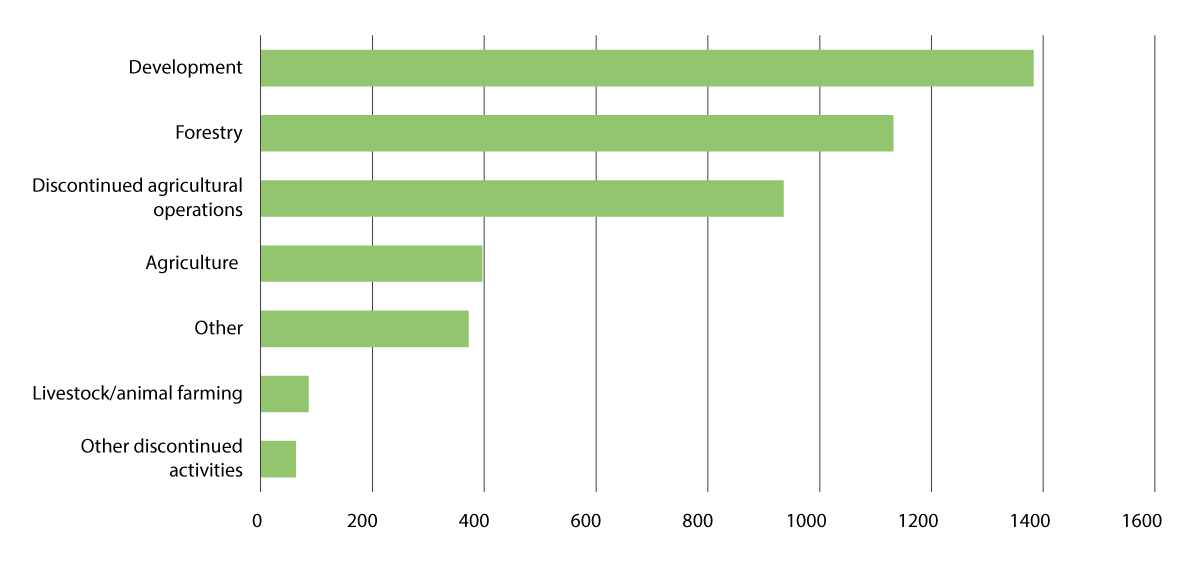
Figure 6.6 The distribution of main reasons (deciding criteria) for species being endangered or near-threatened.
Most species have been added to the Red List due to limited areas combined with fragmentation, decline or variations in population size (criterion B). This is the case for all categories of endangered and near-threatened species. Criterion A is reduction in population size, C is small population and ongoing decline, while D is very small population, very limited area or few locations. The number of species is shown on the y-axis.
Source: Norwegian Biodiversity Information Centre, commissioned by the Norwegian Ministry of Climate and Environment, see also Norwegian Biodiversity Information Centre (2021a).
The annual key figure report from the Norwegian Genetic Resource Centre at NIBIO provides an overview of the status of genetic diversity for preservation-worthy livestock, woodland trees and cultivated plants.17 In Norway, 37 of 49 national livestock breeds are considered preservation-worthy.18 The overall impression is that the number of animals and herds of preservation-worthy livestock breeds is increasing or remaining stable. One milestone in the systematic conservation work was in 2022, when there were no longer any critically endangered cattle breeds according to the Food and Agriculture Organisation of the UN.
Seed-propagated Norwegian cultivated plants are stored at the Nordic Genetic Resource Center in Alnarp, Sweden, which houses more than 33,000 seeds from around 450 species. Food crops and ornamental plants with asexual reproduction are stored in 27 Norwegian clone archives, including around 1380 types of fruits, berries, vegetables, potatoes and medicinal and spice plants and 3217 types of ornamental plants. The Global Seed Vault on Svalbard currently has the largest secured seed storage in the world when it comes to agricultural plants such as food plants and wood species for forestry, and a national seed bank has been established for the storage of viable seeds from wild plants at the Natural History Museum in Oslo, see more in Chapter 4.1.3.
There are just over 30 species of natural endemic forest trees in Norway. The Norwegian Genetic Resource Center works with all Norwegian species of endemic trees to ensure conservation and sustainable use of genetic woodland resources. Regulations relating to forest seeds and forest plants will ensure that we use high-quality seeds and plants in connection with the regeneration of forests and with consideration for maintaining the genetic diversity of forests. The regulations include rules about the information that must be enclosed with forest reproduction material in connection with trade and rules relating to control.
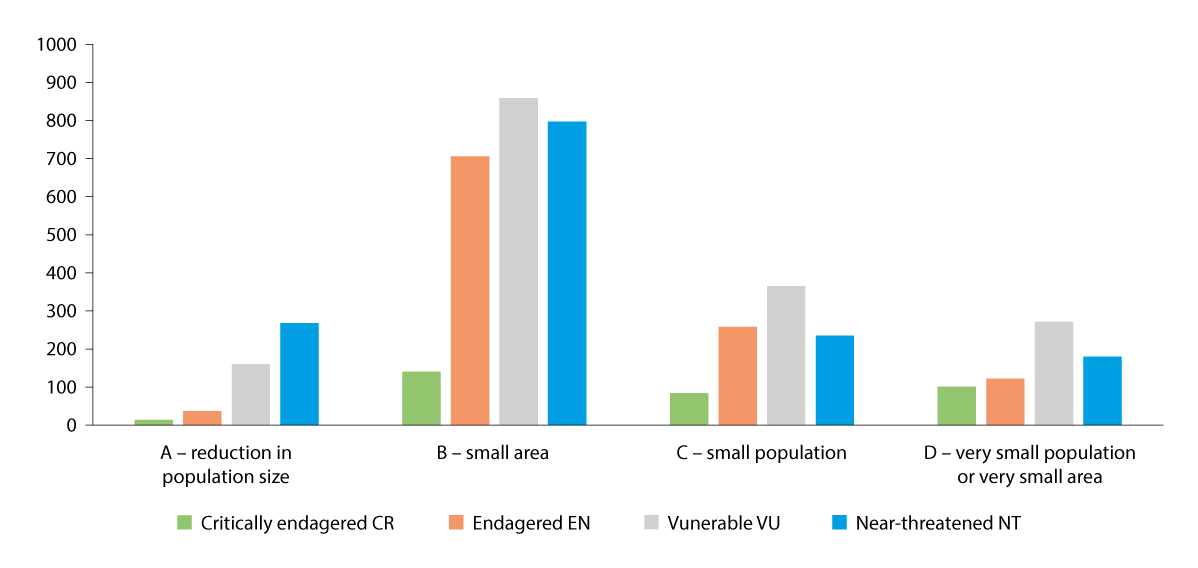
Figure 6.7 Number of endangered species negatively impacted by different forms of land use changes
«Other» refers to by-catching and collisions, natural disasters, human disruption and impact outside of Norway.
Source: The Norwegian Species Data Bank (2021)
The Storting has adopted a two-fold objective for predatory animal policies, which means that Norway must maintain populations of brown bear, lynx, wolverine, wolf and golden eagle in the Norwegian environment, while using outfield resources through grazing with livestock and semi-domesticated reindeer. The Storting has established national population targets based on this two-fold objective. The population target for brown bears is 13 reproductions annually, for lynx it is 65 reproductions annually, for wolverines it is 39 reproductions annually and for wolves the target is 4–6 reproductions each year, of which 3 must be in wolf-territories entirely in Norway. The population target for the golden eagle is set at 850–1200 breeding pairs. The Storting has also adopted regional predator management that is led by a government-appointed Predator Management Committee. These committees consist of politicians from regional authorities and, in regions with semi-domesticated Sami reindeer husbandry, representatives appointed by the Sami Parliament. The regional Predator Management Committees have the main responsibility for the management of lynx, wolverines, wolves and brown bears in each region and draw up predator management plans for their regions. In these plans, the committees determine the areas in which predators will be prioritised and the areas in which grazing animals will be taken into special consideration.
6.4.3 Measures and instruments to contribute to the target
The work to safeguard endangered species is extensive and always follows the priorities set out in the previous Norwegian biodiversity action plan, White paper no. 14 (2015–2016) Nature for life. The main reason for the loss of species on land, including endangered species, is land use changes, see Figure 6.6. Land-use changes are the most important impact factor for around 90 per cent of endangered species. The most important measures to safeguard endangered species are therefore to prevent development projects that lead to a loss of natural areas, limit negative impact on species from other land use or land use changes, maintain active care and protect habitat types with high species diversity through area protection and other area-based instruments. Area-based instruments are addressed in targets 1, 2 and 3. The Menu of Measures for the ecosystems in general has been discussed in Chapter 5.3, while the Menu of Measures for forests has been discussed in more detail in Chapter 5.3.1. For marine species, climate change and harvesting/by-catching constitute the most important negative impact factors. Measures to manage these factors are discussed under target 5 (harvesting) and 8 (climate). Alien species and pollution also have an impact on species. Measures to manage these impact factors have been discussed under target 6 (alien species) and 7 (pollution).
Many different sectors and enterprises in society undertake activities that have an impact on species. It is important to ensure that the different sectors take endangered species into account in their work and to ensure coordinated efforts across sectors.
In line with the White paper no. 14 (2015–2016) Nature for Life, species-specific instruments are considered in cases where area-based instruments are not sufficient or most appropriate. As set out in the previous action plan, emphasis has been placed on improving the condition of endangered or critically endangered species in Norway for which a significant part of the European distribution is based in Norway or that are also endangered globally or in Europe in addition to being endangered or critically endangered in Norway. Furthermore, Nature for Life discussed measures for endangered habitat types and habitats that are of importance to endangered species. On this basis, a separate follow-up plan for endangered nature was established in 2021,19 see further discussion in box 6.5. This follow-up plan is the result of a cross-sectoral collaboration in which a group of species and habitat types have been prioritised for follow-up across sectors. The follow-up plan for endangered nature will continue to form the basis for the work with the most endangered nature going forward. Furthermore, a national strategy and cross-sectoral action plan for wild pollinating insects has also been drawn up.20 This aims to safeguard viable populations and will be followed up. See further discussion in box 6.17 under target 11.
Textbox 6.5 Follow-up Plan for Endangered Nature
The follow-up plan for endangered nature is a cross-sectoral collaboration between eight ministries with the aim of improving the status of endangered nature in Norway. The work was initiated in response to the White paper no. 14 (2015–2016) Nature for Life and will be completed by 2035.
The main objective is to safeguard and improve the red-list status for a number of endangered and critically endangered species and habitat types towards 2035. The work is carried out in accordance with the fact-finding instructions and includes the calculation of the scope and costs of measures necessary for target attainment. Based on costs, valuations and probable target attainment, 23 species and 16 habitat types have been prioritised and several of these habitat types constitute key biotopes for many endangered species. As part of the work, several selected habitat types and prioritised species have been identified.
A selected habitat type is a habitat type for which special protection and management measures are initiated. It could be endangered, important to priority species or subject to international commitments. It is important to avoid negative impact on areas with selected habitat types if this could lead to decreased prevalence or impaired ecological integrity for the habitat type. This applies to both public sector management and other stakeholders that could affect biotopes. The Norwegian Environment Agency recommends new selected habitat types to the Norwegian Ministry of Climate and Environment. Selected habitat types are adopted by the Government. The legal basis for the selected habitat type scheme is Chapter VI of the Norwegian Nature Diversity Act. There are currently eight selected habitat types: hayfields, semi-natural bogs, hollow oaks, calcareous linden woods, calcareous lakes, coastal moorlands, open calcareous grasslands and olivine forests.
A priority species is a species of especially high importance to biodiversity and that therefore requires special protection. This could be species that are endangered, rare or important in the ecosystem. When a species has been classified as a priority species, it is not permitted to kill, damage or destroy the priority species. The Norwegian Environment Agency submits recommendations for new priority species to the Norwegian Ministry of Climate and Environment. Priority species are adopted by the Government. The legal basis for the priority species scheme is Sections 23 and 24 of the Norwegian Nature Diversity Act. We currently have 14 priority species: the dwarf goose, black-tailed godwit (subspecies Icelandica), red helleborine, Northern dragonhead, musk orchid, dwarf eelgrass, field locoweed, black vanilla orchid, sphagnum troendelagicum, heterodermia speciosa lichen, cicindela maritima, hermit beetle, chequered blue and Arctic fox.
A directorate group chaired by the Norwegian Environment Agency has been established. The group will facilitate good coordination in the implementation of the measures and use of instruments that the partners have committed to.
Economic instruments also help safeguard endangered species. The Ministry of Climate and Environment has dedicated grant schemes aimed at measures that safeguard endangered species and biotopes. The National Environment Programme 2023–2026 in agriculture, which has been funded on top of the Agricultural Agreement, aims to improve the status of endangered species in agriculture. In order to achieve this goal, the National Environment Programme includes various national, regional and local environmental grants. In most cases, measures are not aimed directly at species but allocated for specific facilitation or care of areas expected to have a positive impact on native species in the areas.
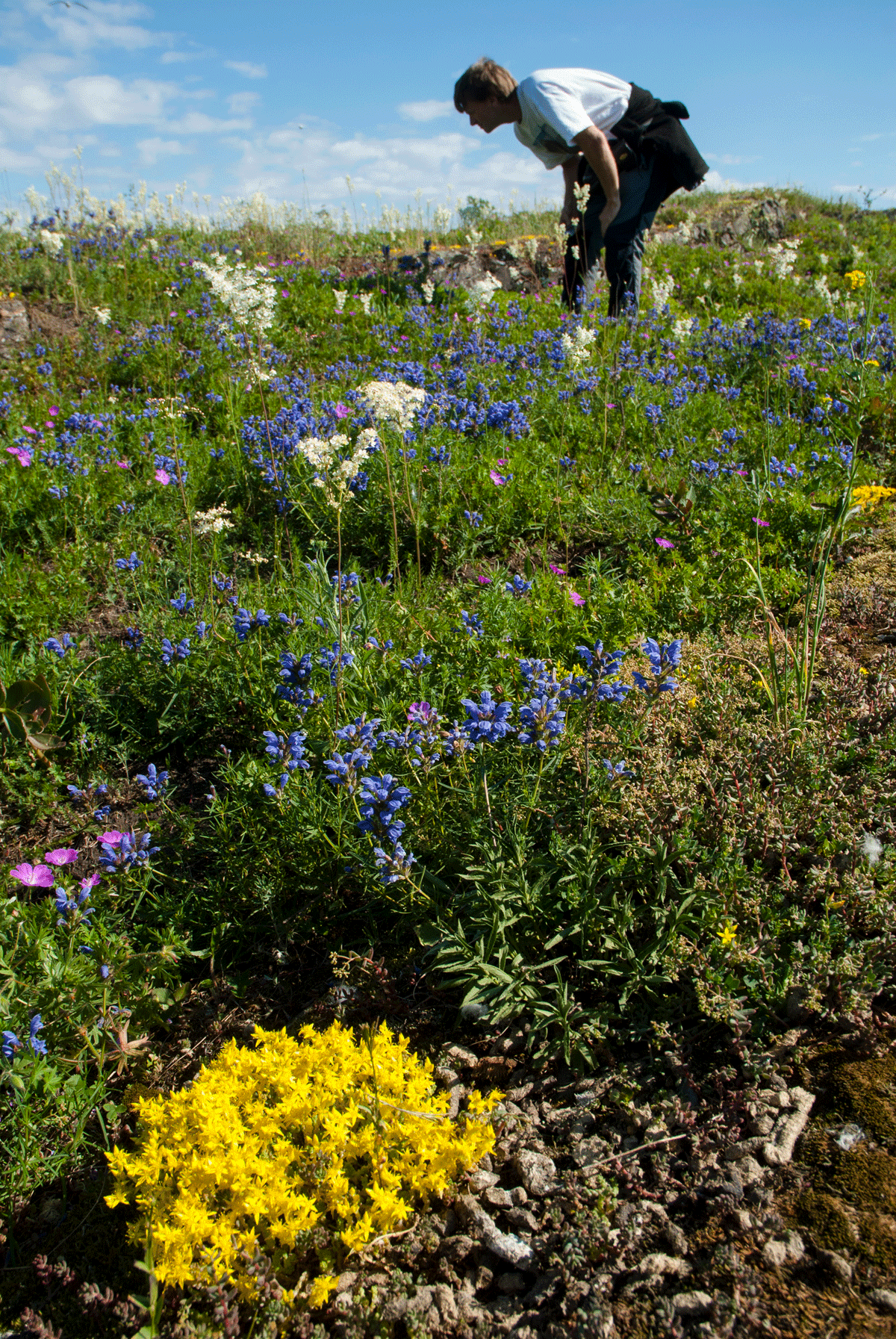
Figure 6.8 Caring for the endangered Northern dragonhead
Biological examination of open calcareous grasslands dominated by Northern dragonhead, dropwort, bloody crane’s-bill and goldmoss stonecrop. These are often environments that are very species-diverse with elements of endangered species.
Photo: Bård Bredesen
Protecting individual species contributes to the protection of endangered species. Norway has, among others, 58 protected species of vascular plants, mosses and vertebrates pursuant to the regulations on the protection of endangered species, cf. Sections 20 and 77 of the Norwegian Nature Diversity Act. The purpose of protection is to protect certain endangered, vulnerable, public interest or rare species against damage and destruction. The protection of species may be based on commitments pursuant to the Bern Convention. The protection of individual species is an instrument that is no longer used in management since rules on the prioritisation of species were introduced in the Norwegian Nature Diversity Act in 2009.
Separate quality standards have been established for the two Norwegian responsibility species21, Atlantic salmon (wild salmon) and wild reindeer, in 2013 and 2020 respectively. Both species are classified as near-threatened in the Norwegian Red List from 2021. Internationally, wild reindeer are classified as endangered. Salmon initially appeared on the International Union for Conservation of Nature’s (IUCN) Global Red List in 2023.
Norway is the only European country with remaining wild reindeer populations, except for some minor populations in Russia. Even though a number of measures have been implemented in recent decades to improve the conditions for wild reindeer, there has been a negative trend in many Norwegian wild reindeer areas. The initial classification of the ten national wild reindeer areas in accordance with the quality norm for wild reindeer in 2022 shows that six have poor quality and none have good quality. In 2023, the remaining 14 wild reindeer areas were classified for the first time. The classification shows that six have poor quality, seven have average quality and one has good quality. The situation for wild reindeer is very serious and continues to decline. That is why the Government presented a separate White paper on wild reindeer in the spring of 2024, White paper no. 18 (2023–2024) An improved state for wild reindeer, see box 6.6.
Textbox 6.6 Report to the Storting on wild reindeer
Nearly 90 per cent of wild reindeer, European mountain reindeer, can be found in Norway, which means that wild reindeer is a Norwegian species of responsibility. The population is under pressure from development projects, human traffic and disease and the cumulative effect on the species is significant. Several measures have been implemented over time to improve the conditions for wild reindeer without this having the desired positive effect. Because a large number of wild reindeer were eliminated in the fight against chronic wasting disease, the species was classified as near-threatened on the Norwegian Red List for Species in 2021. This is why a separate report on wild reindeer has been drawn up, Report to the Storting no. 18 (2023–2024) An improved state for wild reindeer. The report presents a concrete target to reverse the negative trend in all 24 wild reindeer areas by 2030. In the report, the Government presents new policies for five strategic areas:
-
1) Comprehensive and restrictive land management in mountain areas with wild reindeer. There should be a high threshold for new interventions in wild reindeer zones. All decisions and activities in wild reindeer mountains must be viewed as a whole and considerations for wild reindeer must be raised and emphasised more.
-
2) Increased facilitation of wild reindeer-friendly traffic. This refers in particular to strengthening the work to channel traffic away from areas of significance to wild reindeer and out towards areas in which traffic does not disrupt wild reindeer, such as more peripheral areas or other mountain areas.
-
3) Improved wild reindeer health. The Government will ensure good disease prevention measures and continue to ensure effective management and defeat of serious disease outbreaks.
-
4) More sustainable population management for wild reindeer. We need new knowledge adapted to local conditions that will be used in the management of wild reindeer. The Government will facilitate, on a voluntary and cooperative basis for those who are entitled to hunt, to establish zones without hunting in areas where this is required.
-
5) Targeted restoration of wild reindeer habitats. The Government wishes to facilitate increased exchange of wild reindeer between wild reindeer populations and to increase free movement of wild reindeer within established wild reindeer zones.
In addition, action plans will initially be drawn up for seven of the national wild reindeer areas in accordance with the quality norm for wild reindeer. The aim is for this work to be completed in 2025. According to the plan, action plans will also be drawn up for the remaining wild reindeer areas.
The number of wild Atlantic salmon that return to Norwegian rivers to spawn (pre-fishery abundance) has more than halved since the 1980s and has been historically low in recent years. The catch figures for the latest season show that 2024 looks set to be even worse than previous seasons, with the weakest return of salmon ever recorded. Based on the weak return numbers, the Norwegian Environment Agency decided in June 2024 to suspend salmon and sea trout fishing in 33 rivers from the Swedish border in the south up to and including Trøndelag. Sea salmon fishing was also suspended in the same waters. In July, further restrictions were introduced in several rivers in Eastern Finnmark and on sea salmon fishing in the same area. This is the first time that the Norwegian Environment Agency has restricted fishing to such an extent at such an early stage of the season. The fishing suspension applied to several major salmon rivers and entailed significant negative consequences for fishermen, outdoor recreation and business and industry.
The biggest threats to wild salmon in Norway are salmon lice and escaped farmed salmon which, in 2023, were still classified as unstable population threats, see more in box 3.3 in Chapter 3.2.2.22 Through plenary resolutions in the Storting, 52 Norwegian rivers have been classified as national salmon rivers and 29 fjords have been classified as national salmon fjords.23 The purpose is to provide a selection of around 50 of the most important salmon populations in Norway with special protection against interventions and activities in rivers and adjacent fjord and coastal areas. The Government will continue working on the regulations on special protection of salmon in national salmon rivers and salmon fjords. The guidelines that follow from the Storting resolution on national salmon rivers and salmon fjords will be ratified through regulations.
The integrity and development of many species of seabirds is negative and critical. During the Storting consideration of the previous biodiversity action plan, White paper no. 14 (2015–1016) Nature for Life, a request to create an action plan for seabirds was approved. The action plan is being drawn up.
Genetic diversity in agriculture is important to global access to food. It provides the basis for livestock, cultivated plants and forest trees to adapt to new and changed cultivation and farming conditions, diseases and new requirements for end products. In Norway, the National Strategy for the Preservation and Sustainable Use of Genetic Resources for Food and Agriculture, Genetic Reserves – Opportunities and Preparedness for the Future of Agriculture, is used as the basis for this work. The overarching objective of the strategy is to safeguard genetic reserves for future agriculture and food production. In order to ensure systematic follow-up on the strategy, the Norwegian Ministry of Agriculture and Food has implemented a national action plan (2024–2028) that sets out the priorities for continued work while clarifying the roles and responsibilities of different stakeholders involved in the preservation scheme. The action plan will ensure that preservation-worthy plants, livestock and forest trees are subject to both dynamic (in which genetic variation continues to develop) and static preservation (where the genetic material is kept as intact as possible), as well as long-term safety preservation. The Norwegian Ministry of Agriculture and Food has grant schemes for genetic resource measures for cultivated plants, forest trees and preservation-worthy livestock breeds via the Norwegian Fjordhorse Centre and the National Centre for Nordland/Lyngen horses. Norsk Hestesenter is funded through gambling profits from horse races and the funding is spent, among other things, on the preservation of the Dole horse.
On Svalbard, climate change constitutes a growing threat to several species of birds, mammals and plants. The management of nature on Svalbard aims to limit impact from land use, traffic and harvesting of species so that the extent of wilderness areas is maintained, and biodiversity can develop virtually untouched from local activities on Svalbard. This involves restrictive practices when it comes to permitting interventions in nature outside areas that have already been affected, extended protection of species and associated habitats and the regulation of traffic in nature to limit disruption and wear. In spring 2023, regulatory amendments for traffic were adopted for the purpose of limiting environmental impact, including a distance limit on how close to polar bears you can move. Measures that contribute to conserving endangered and near-threatened species have been discussed in further detail in White paper no. 26 (2023–2024) Svalbard.
The Bern Convention, the Norwegian Nature Diversity Act, the predator settlements of 2004 and 2011 and the majority decision on wolves in 2016 in the Storting are some of the documents that set directives and frameworks for the management of predators.
The Government will:
Nationally:
-
draw up regulations on special protection of salmon in national salmon waters and salmon fjords
-
implement the follow-up plan for endangered nature
-
implement the national action plan for genetic resources for food and agriculture
Internationally:
-
continue operating the Global Seed Vault on Svalbard and work to ensure that seeds from the greatest possible proportion of global food plants are preserved there
6.4.4 National target
The work to preserve species and genetic diversity has a broad scope and must also be seen in the context of measures addressed under other targets that will also contribute to reducing negative impact factors. Against this background, the Government has established the following objective for target 4:
Management actions to improve the development in population size and/or risk of extinction of threatened and near threatened species and types of natural areas have been strengthened, and the genetic diversity of wild and domesticated species are maintained.
6.5 Target 5 – Ensure Sustainable, Safe and Legal Harvesting and Trade of Wild Species
6.5.1 Global target
Ensure that the use, harvesting and trade of wild species is sustainable, safe and legal, preventing overexploitation, minimizing impacts on non-target species and ecosystems, and reducing the risk of pathogen spillover, applying the ecosystem approach, while respecting and protecting customary sustainable use by indigenous peoples and local communities.
The target is linked to the UN Sustainable Development Goals, sub-goals 12.2, 14.4, 14.7, 15.2, 15.7 and 15.C.
6.5.2 Status in Norway
The discussion under target 5 is limited to sustainable, safe and lawful use, harvesting and trade of wild species out of consideration for the species themselves. How the management and use of wild species provide humans with social, economic and environmental goods is addressed in further detail under target 9. Sustainable management of land and ocean areas where agriculture, aquaculture, fishing and forestry are carried out is discussed under target 10. Norwegian forestry is largely based on endemic wild tree species. Forestry and woodland management are discussed in further detail under target 10 and in the Menu of Measures for forests in Chapter 5.3.1. The target must also be viewed in the context of target 4 Halt Species Extinction, Protect Genetic Diversity and Manage Human-Wildlife Conflicts.
Harvesting has a negative impact on 55 endangered species (2 per cent of endangered species), see Figure 3.2. The majority of these are birds and fish. The impact from harvesting on different major ecosystems differs, and harvesting is a greater impact factor in marine ecosystems than in land-based ecosystems and freshwater (see Figure 3.4). The status of harvesting in marine ecosystems, as well as wild salmon fishing and the system for wildlife and fishing management on land, are described below.
In the White Paper to the Storting no. 21 (2023–2024) Norway’s Integrated Ocean Management Plans, an assessment of the ecological condition of Norwegian sea areas, including fish stocks, has been carried out. This shows that fisheries, together with climate change, have the greatest impact in marine areas. Thanks to management measures and gear developments, impacts have generally been reduced throughout the 2000s.
Textbox 6.7 Status of fish stocks in Norwegian sea areas
In the Barents Sea, commercially important fish stocks (cod, haddock, capelin, beaked redfish and pollock) have showed a positive trend after more sustainable fisheries were introduced. In recent years, there has been a decline in cod and haddock stocks, but the spawning stock for these two species remains above the precautionary level. The Greenland halibut is just below the precautionary level, while the common redfish stock is endangered (for redfish this applies to all Norwegian sea areas). Stocks are at a critically low level and targeted fishing for such stock is therefore prohibited. The fish mortality rate (i.e. extraction from stocks through fishing) is high for cod, Greenland halibut and common redfish. The status of shrimp stocks is good. There has been a positive trend for capelin stocks. The quantities of young herring in the Barents Sea are now at a low level.
In the Norwegian Sea, pressure on mackerel, herring and blue whiting from fisheries has surpassed scientific recommendations. This is largely due to a lack of binding international agreements for such fisheries since 2013. Nevertheless, mackerel stocks are in relatively good condition, with adequate recruitment. Since 2008, there has been a decline in Norwegian herring spawning in spring, in no small part due to weak recruitment. The last time a strong year cohort was observed was in 2016. Harvesting exceeding the recommended quotas contribute to weakened stocks, and in 2024 stocks are expected to drop below the level at which further management measures are necessary to prevent stocks from reaching a critically low level. There is a long-term trend towards a stronger blue whiting stock. Even though catches have been somewhat above quotas, the stock has proved resilient in recent years, due to good recruitment. In 2022, the stock of Northeast Arctic pollock is at a historically high level.
Other commercial fish stocks, such as beaked redfish, Greenland halibut, cusk, ling, spiny dogfish and argentine are vigorous. Stocks of blue ling are at a low level, and the species is classified as endangered. Targeted fishing for blue ling is prohibited, as is fishing for cartilaginous fish such as the common skate, basking shark and mackerel shark. Coastal cod stocks are in poor condition.
In the North Sea, the status for key commercial stocks of mackerel, North Sea herring, Norway pout and lesser sand eel is good, while coastal cod are in a poor condition. North Sea pollock and North Sea cod stocks are characterised by poor recruitment, and the stock sizes are low, yet relatively stable. Whiting and haddock stocks have increased significantly in recent years. Stocks of blue ling are at a low level.
Fisheries primarily affect ecosystems through a proportion of stocks being harvested. A proportion of year cohorts of commercially important fish species are extracted each year. Fisheries also regularly result in some by-catch of species beside target species. Fisheries management takes this into account, see box 6.8. Over time, there has been a trend from single stock management to more ecosystem-based fisheries management, based on precautionary reference points, harvesting patterns and more. This system is continuously evolving.
The harvesting of target species also indirectly affects the ecosystem through its impact on the food chain. This can affect predation pressure for certain species and the food supply or competitive dynamics for others. Norway has committed to an ecosystem-based approach to fisheries management through the Marine Resources Act.
Textbox 6.8 By-catch
Fishing gear and fisheries regulations have been developed for the purpose of minimising the extent of adverse by-catch. Fisheries also regularly entail a proportion of catch of species other than the target species. To avoid excessive harvesting of such species, by-catch quotas and other targeted regulations have been introduced. The goal is a sustainable utilisation also of species other than those for which there are specific quotas.
Adverse by-catch of sub-standard fish and fry from commercial species is effectively regulated through rules on mesh widths, the use of sorting grates and the closure of areas with high levels of fish below the minimum standard. Lost fishing gear result in ghost fishing. The impact of this is minimised through annual clear-up operations and by requiring e.g. fish pots to be equipped with devices that cause them to open after a certain amount of time, thus ensuring that no more fish are caught.
By-catch can also affect seabirds, marine mammals or benthic fauna such as corals and sponges. The extent depends on gear type, the area in which fishing takes place, time of year, etc. The regulations have been drawn up on the basis of knowledge of the extent and possibility of further reducing the extent of unintended by-catch. The requirement to use sonar impulses to scare the common porpoise away from nets in the Vestfjorden during winter, is one example of such a targeted measure proving effective. The closure of areas that contain coral reefs and the requirement to relocate fishing grounds in the event of by-catch of e.g. sponges, are other examples.
Some marine mammal populations are at low levels due to past harvesting, but the trend is improving as a result of protective measures (e.g. walrus, hooded seal, polar bear and blue whale). Several populations of different whale species along the coast of Svalbard are experiencing growth. The Greenland seal and minke whale are currently subject to harvesting, and these populations are in good condition.
On Svalbard, most species are subject to strict protection pursuant to the Svalbard Environmental Protection Act, and the aim is to preserve biodiversity virtually untouched by local activity. Limited harvesting of certain species of mammals and birds does take place.
The basis for fishing for anadromous salmonids is that only the sustainable excess produced by the populations can be harvested. The Norwegian Scientific Advisory Committee for Atlantic Salmon (VRL) says that it is unlikely that over-exploitation alone in modern time has resulted in populations of wild salmon or sea trout becoming critically endangered or extinct. An exception to this is the situation in the Tanavassdraget river, where over-exploitation was the dominant threat factor until fishing was suspended in 2021. Stricter regulations for both Atlantic salmon fishing and river fishing throughout the country mean that it is now likely that exploitation in most Norwegian water systems is primarily based on the harvesting of the excess and therefore poses no threat to populations or production.
International trade in endangered species is governed by the Convention on International Trade in Endangered Species of Wild Fauna and Flora (CITES), which was ratified by Norway in 1976. In Norway, the requirements set down in the convention are safeguarded through the regulations on the import, export, possession, etc. of endangered species of wild fauna and flora (the CITES regulations). These regulations also apply to domestic possession and trade. Between 2019 and 2022, the Norwegian customs authorities seized an average of 102 species each year without the necessary permits for crossing the border. Norwegian exports of Norwegian CITES species are minimal. Nevertheless, the Norwegian Environment Agency does issue approximately 1,000 entry permits each year. Trade in timber and timber products in Norway is governed through two regulations, for imported and domestically produced timber respectively. The regulations implement the EU Timber Regulation (EUTR). The Norwegian Environment Agency is the responsible authority in relation to the import of timber and timber products, while the Norwegian Agriculture Agency is responsible for timber and timber products produced in Norway.
The work to prevent the distribution of infectious matter between animals and people (zoonosis) is a collaboration between the authorities, management and research institutions. Some of the responsibilities of the Norwegian Veterinary Institute are to monitor the incidence of several zoonoses in animals and in food in Norway, carry out risk assessments and provide advice to the Norwegian Food Safety Authority on diagnostics, control measures and infection control. The Norwegian Institute of Public Health is responsible for maintaining an overview of zoonoses in people in Norway. The Norwegian Food Safety Authority is responsible for the supervision of regulatory compliance for animal welfare and animal health for wildlife. Together, the Norwegian Food Safety Authority, Norwegian Environment Agency and Norwegian Veterinary Institute map and monitor animal health and animal welfare in wildlife and collaborate to limit the spread of infectious matter from wild animals. The animal health regulations aim to promote the prevention and combating of animal diseases that can be transferred to animals or people. The 2022 Zoonosis Report shows that there is limited spread of zoonoses from water, food and animals to people in Norway and that zoonotic diseases generally have a limited impact on animal health and public health in the country.24 When it comes to serious infectious diseases in wildlife, Norway experiences challenges linked e.g. to chronic wasting disease in wild reindeer and bird flu in wild birds. Tularaemia and salmonella infections, in small birds and wild boar, are examples of diseases that can be spread from game to humans. Cross-sectoral collaborations to understand infection mechanisms and prevent the spread of infectious matter are an important element of the one health approach.
Figure 6.9 The common redfish is endangered.
Photo: Bård Bredesen
6.5.3 Measures and instruments to contribute to the target
Section 15 of the Nature Diversity Act states that harvesting and other extraction of natural wildlife must be in accordance with legislation or decisions based on law and that unnecessary harm and suffering to wildlife and their nests, habitats or burrows must be avoided in connection with all activities. Section 16 states that the harvesting of game and salmonid and inland fish can be permitted only if the best available documentation indicates that the species produces a sustainable excess. Furthermore, the act stipulates that harvesting and other extraction of wild plants and fungi are permitted as long as it does not pose a risk to the survival of the population in question or is limited through legislation or decisions based on law. Harvesting and other utilisation of marine organisms are governed by the Marine Resources Act.
The Marine Resources Act applies to all harvesting and other utilisation of wild living marine resources. The purpose of the act is to ensure sustainable and economically profitable management of wild living marine resources and genetic material derived from them, and to promote employment and settlement in coastal communities. The act provides a wide-reaching legal basis to govern the harvesting of marine resources through quotas and to establish technical regulatory measures to ensure that harvesting takes place in a sustainable manner, both in relation to target species and impacts on biodiversity in general. Quotas are determined annually based on scientific advice regarding appropriate levels of fishing. As the carrying capacity in the marine environment is not constant, stocks must be carefully and frequently monitored in order to record the great variations in recruitment observed in most fish stocks.
The Marine Resources Act is based on a principle for management. This entails that all harvesting of living marine resources is permitted unless prohibited, cf. Section 7 of the Marine Resources Act. The provision sets out fundamental considerations to which importance must be attached in the management of marine resources. This includes the precautionary principle and the principle of an ecosystem-based approach. Another important consideration that must be emphasised is that management measures must contribute to safeguarding the material basis for Sami culture, in this case the coastal Sami culture.
The act applies to Norwegian vessels regardless of where the fisheries take place, as well as to foreign vessels operating in areas under Norwegian jurisdiction.
The Government places great emphasis on ensuring the best possible scientific basis for fisheries management. National management as well as joint management in collaboration with other countries, are primarily based on advice from the International Council for the Exploration of the Sea (ICES). The Norwegian Institute of Marine Research contributes significant resources to ICES’ work on population assessments and advice. Furthermore, the Norwegian Institute of Marine Research participates in annual voyages to help map species and ecosystems, which are used as the basis for providing advice for fisheries management. See Chapter 6.21 for a more detailed discussion of the work relating to biodiversity knowledge.
The purpose of the Norwegian Wildlife Act is for wildlife and wildlife habitats to be managed in accordance with the Nature Diversity Act and in a manner that ensures that the productivity and species diversity of nature is preserved. Within this framework, the law stipulates that wildlife production can be harvested to the benefit of the agricultural industry and for outdoor recreation. Although a wild animal species may produce a sustainable excess, hunting or capturing will not necessarily be permitted for the species. The function of the species in the ecosystem and the impact harvesting can have on biodiversity in general, as well as the species’ significance for trade and industry or recreation, harvesting traditions and the damage caused by the species are all factors that must be emphasised in assessing whether hunting or capturing of a wild animal species will be permitted. In the regulations on hunting and capturing seasons, as well as the gathering of eggs and down (the hunting season regulations), the Norwegian Environment Agency stipulates the species that can be hunted or captured and within which periods and areas. The prevailing regulations on hunting and capturing seasons will remain in force up to and including 31 March 2028 and will be revised every six years in order to be in harmony with the revision of the Norwegian Red List for Species.
Data and knowledge relating to the population status and development for huntable wild species are based on different sources, in which hunting reports from e.g. the cervidae register and the hunting and capturing reports to Statistics Norway are central. Furthermore, various monitoring programmes such as the population monitoring programme for cervidae and the health monitoring programme for game are also important sources of data. Each year, hunters will pay hunting and felling fees to the Game Fund. The Game Fund contributes to measures that promote game management. The nature monitoring programmes are discussed in more detail under target 21.
The Norwegian Salmonid and Inland Fishing Act sets out the framework for fishing for anadromous salmonids and inland fish. The purpose of the act is to ensure that natural stocks of anadromous salmonids and inland fish and their habitats are managed in accordance with the principles laid down in the Norwegian Nature Diversity Act. Fishing may be permitted in areas where the anadromous salmonid stocks produce a sustainable excess. Fishing seasons and permitted gear for anadromous salmonid fishing are governed through separate regulations. These are revised approximately every five years, with the latest main regulation taking place in 2021.
The EU Deforestation Regulation (Regulation (EU) 2023/1115) prohibits the trade of specific commodities and products that have been produced on land that has been subject to deforestation or forest degradation in the country of origin after 31 December 2020 in the European market. The regulation covers wood, soya, oil palm, cattle, cocoa, coffee, rubber and the majority of refined products originating from these. These groups of goods have been selected because they are the main drivers behind global deforestation and forest degradation. Change of land use from forests to agricultural purposes, primarily in tropical countries, is the cause of nearly 90 per cent of global deforestation. The regulations apply to national production and import and export of included commodities and products. Norway has already incorporated the EU Timber Regulation against the import and trade of illegally harvested timber and timber products. The new regulation repeals the Timber Regulation. The new regulation entails a significant expansion to the area of application for the regulation. As usual, the Norwegian authorities will need to consider whether the new regulation is relevant to the EEA and, if so, how it will be incorporated in the EEA agreement and implemented in Norway. These questions are still being considered in Norway.
On Svalbard, rapid climate change is increasingly affecting the habitats of harvestable species in a manner that must be taken into account when considering hunting, fishing and harvesting of species that are currently harvestable under the Svalbard Environment Act. Today’s harvesting of Arctic fox, Svalbard reindeer and Svalbard grouse is regulated and unlikely to have any notable impact on the population sizes. However, the impact from rapid climate change raises uncertainty as to whether the harvesting of certain climate-sensitive species is in accordance with the environmental targets for Svalbard. A comprehensive strategy for the management of harvestable species on Svalbard will be drawn up. Work has also been initiated to revise the harvesting regulations. Species management on Svalbard is discussed in more detail in Report to the Storting no. 26 (2023–2024) Svalbard.
In autumn 2020, the Storting considered the White paper no. 19 (2019–2020) Environmental Crime. This forms the basis for the work on environmental crime in Norway. In accordance with the Report to the Storting, the Norwegian Environment Agency and others are continuously working to strengthen information and awareness-raising, as well as on the supervision of compliance with the CITES regulation and ensuring closer collaboration with other relevant supervisory authorities. There is also work under way to consider stricter sentencing frameworks and other legislative changes to prevent environmental crime in Norway. Furthermore, the follow-up on the Report to the Storting means that Norway must work to ensure that environmental and cultural heritage crime is high on the agenda in relevant international forums for economic, legal and multilateral collaboration and to strengthen the efforts aimed at combating environmental crime in relevant aid programmes and development partnerships. Norway’s efforts against organised cross-border environmental crime are described in further detail in Chapter 4.1.4.
Several authorities are involved in the work to prevent the spread of pathogens, and this collaboration will continue to be important going forward. Game traded as food for consumption must be properly managed in accordance with requirements set out by the Norwegian Food Safety Authority. See more about hunting and fishing under target 9. The work to combat chronic wasting disease in wild reindeer is discussed in the White paper no. 18 (2023–2024) Improved conditions for wild reindeer, which was considered by the Storting on 13 June 2024.
The Government will:
Nationally:
-
continue to facilitate the sustainable harvesting of wild species based on the precautionary principle and the principle on an ecosystem-based approach
-
follow up on the White paper no. 19 (2019–2020) Environmental Crime
6.5.4 National target
Norway has well-developed legislation and extensive management in place for the sustainable, safe and lawful use, harvesting and trade of wild species, but must continue its efforts to ensure compliance with laws and regulations and the importance of this both nationally and internationally. Avoiding over-exploitation and minimising the impact on other species and ecosystems requires continuous work. Against this background, the Government has established the following objective for target 5:
Continue to promote initiatives for the sustainable, safe and legal use, including harvesting and trade, of wild species, both in Norway and globally, and strive to minimize the impacts on other species and ecosystems by applying ecosystem-based approaches.
6.6 Target 6 – Reduce the Introduction of Invasive Alien Species
6.6.1 Global target
Eliminate, minimize, reduce and or mitigate the impacts of invasive alien species on biodiversity and ecosystem services by identifying and managing pathways of the introduction of alien species, preventing the introduction and establishment of priority invasive alien species, reducing the rates of introduction and establishment of other known or potential invasive alien species by at least 50 per cent by 2030, and eradicating or controlling invasive alien species, especially in priority sites, such as islands.
The target is linked to the UN Sustainable Development Goals, sub-goal 15.8.
6.6.2 Status in Norway
Invasive alien species are one of the key drivers behind the decline in biodiversity in marine, terrestrial and freshwater ecosystems both globally and in Norway. Nevertheless, Norway has progressed further than many other countries in terms of knowledge-building and has been very successful in combating and preventing the introduction of certain species, such as the pink salmon and the salmon parasite Gyrodactylus salaris.
Most invasive alien species spread to Norway as stowaways or by escaping or by feralization. There are also a number of species that spread unassisted from neighbouring countries or that have been deliberately introduced in Norway. In all likelihood, climate change will contribute to an increased distribution of many established species and an increase in the number of new establishments. One example is the fact that increased ice melting in the Arctic is leading to new shipping routes, while the increased ocean temperatures mean that many alien species that arrive on ships can establish themselves more easily.
In the Alien Species List for 2023, the Norwegian Biodiversity Information Center has conducted an ecological risk assessment for a total of 2342 species in mainland Norway including ocean regions and Svalbard including coastal zone areas, see box 6.9 and Figure 6.10. Of these, 581 species were moved to a higher risk class in 2023 compared to 2018. The Alien Species List for 2023 also included nearly three times as many threshold species compared to 2018 (319 species in 2018 and 1134 species in 2023). Of these species, nearly 500 have already been observed in Norway. A threshold species is an alien species that has not yet managed to reproduce outside in Norway but that will likely be able to do so in the near future.
Textbox 6.9 Alien Species List
Every five years, the Norwegian Biodiversity Information Center conducts risk assessments on alien organisms in the Alien Species List. The latest Alien Species List was published in August 2023.
The Alien Species List provides an overview of the ecological risk posed by alien species in nature and a value-neutral compilation of knowledge regarding alien species. The Alien Species List includes ecological risk assessments of alien species in the two areas: mainland Norway including ocean regions and Svalbard including coastal zones. These are primarily species that already reproduce outside or that are expected to do so within the next 50 years.
In assessing the ecological risk associated with an alien species, two risk factors are assessed: the invader potential of the species and the ecological effect of the species.
The invader potential is determined by criteria used to measure the species’ ability to survive in nature and increase its proliferation in Norway. The ecological effect of the species is determined by criteria that show the extent to which the species has a negative impact on nature. The Norwegian Species Data Bank assesses species as one of the risk categories: no known risk (NK), low risk (LO), potentially high risk (PH), high risk (HI) and seriously high risk (SE).
Before a risk assessment commences, the Norwegian Biodiversity Information Center appoints experts to carry out the assessments. In the work on the Alien Species List for 2023, 58 experts were appointed across 12 committees, one committee for each species group. Assessments are carried out in consultation with the Norwegian Species Data Bank.
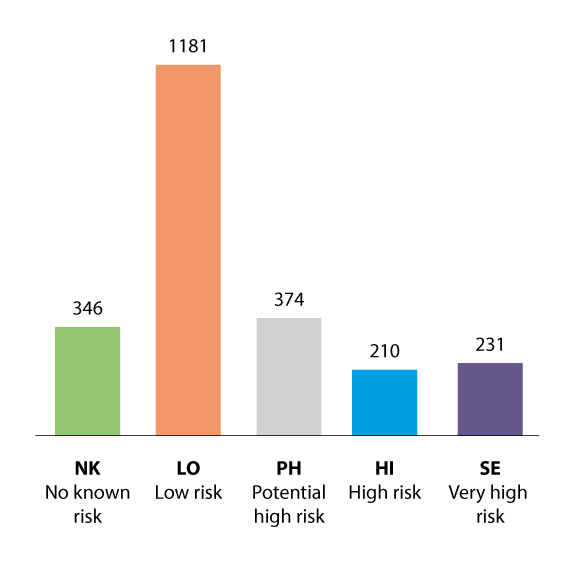
Figure 6.10 Number of alien species in the five risk categories
The number of species includes all species assessed for mainland Norway including ocean regions and Svalbard including coastal zones.
Source: The Norwegian Biodiversity Information Center (2023)
The Norwegian Nature Index (2020) shows the impact of alien species on the index value for each ecosystem compared with other significant impact factors. The impact is greatest in open lowlands, followed by freshwater, coastal water and oceans.25 According to the Nature Index, alien species in several ecosystems have relatively limited impact compared to the other significant impact factors. The knowledge platform on the proliferation of alien species and their impact on biodiversity is limited for several ecosystems.
The majority of alien species establish themselves in areas that have already changed significantly. It will be easier for alien species to become established in areas where major changes to land and marine areas have taken place. Such loss of areas is therefore of great significance when it comes to the proliferation and establishment of alien species in Norway.
6.6.3 Assessments of measures and instruments to contribute to the target
A number of measures have been implemented in recent years to reduce the impact from alien species in Norwegian ecosystems. The action plan Combating Harmful Alien Organisms 2020–2025 is central. The plan sets out targets and measures to reduce the risk of adverse impact from harmful alien organisms in Norway. The goal of the action plan is for the negative impact from alien species on ecosystem integrity and ecosystems’ ability to delivery ecosystem service to be lower in 2025 than in 2020. Based on the introduction and rate of establishment we have observed for alien species in recent years, we are unlikely to achieve this target. The action plan will be updated for subsequent years based on an assessment of the need for reinforced measures.
Measures to reduce impact from alien species are included in water management work under the water regulations and the ocean management plans and will also form part of the work on the menus of measures for ecosystems on land. The work on the menus of measures is discussed in further detail in Chapter 5.3.
One of the measures set out in the action plan is to draw up regional action plans to combat harmful alien species. These regional action plans will be drawn up by the county commissioners and will include priorities for the species that should be combated on a regional level. An action plan to combat alien species on Svalbard has also been drawn up and the Governor of Svalbard is responsible for the follow-up of this plan. The Norwegian Polar Institute has been commissioned to update the knowledge status regarding alien species on Svalbard. The need for measures will be considered when new, updated knowledge is available. Alien species on Svalbard are discussed in more detail in the White paper no. 26 (2023–2024) Svalbard (Chapters 3.5.3 and 3.6).
Figure 6.11 Pink salmon in Skallelv
Photo: Malin Solheim Høstmark/County Commissioner of Troms and Finnmark
In addition to the action plan, dedicated national action plans have also been created for individual species. Through these action plans, targeted measures have been implemented against species such as mink, beach rose, Pacific oysters, wild boar, pink salmon and the salmon parasite Gyrodactylus salaris. The measures have slowed down what would otherwise be a much more negative impact. We can expect to eradicate some alien species against which significant efforts have been implemented, such as the salmon parasite Gyrodactylus salaris. Measures against alien species that are already established are often difficult and highly expensive when it comes to combat measures and loss of ecosystem services. From a socioeconomic perspective, it is therefore more beneficial to initiate targeted efforts at an early stage by preventing the introduction and proliferation of new alien species. Figure 6.12 shows the trend in the number of introductions of new alien species per year.
The regulations on alien organisms are largely aimed at such early efforts and constitute a key tool in preventing the import and proliferation of alien species in Norway. The regulations on alien organisms entered into force on 1 January 2016. The purpose of the regulations is to prevent the import, release and proliferation of alien organisms that lead to, or could lead to, adverse effects on biodiversity. Subject to certain exceptions, the regulations impose a general requirement to obtain permits for the import and release of alien species. The regulations also include a prohibition list, which prohibits the import, release and trade of a selection of alien species. The regulations include due diligence provisions aimed at activities that could typically lead to the unintended proliferation of alien species.
The Norwegian Ministry of Climate and Environment will update the prohibition list in the regulations in light of the risk assessments carried out in connection with the new Alien Species List. The Norwegian Ministry of Climate and Environment has asked the Norwegian Environment Agency to conduct a systematic review of the regulations based on new knowledge and submit any proposed changes to the regulations. Together with the Alien Species List for 2023 and new knowledge relating to e.g. proliferation pathways, the new report from the Intergovernmental Science-Policy Platform on Biodiversity and Ecosystem Services IPBES Invasive Alien Species Assessment from autumn 2023 will provide key data for this work.
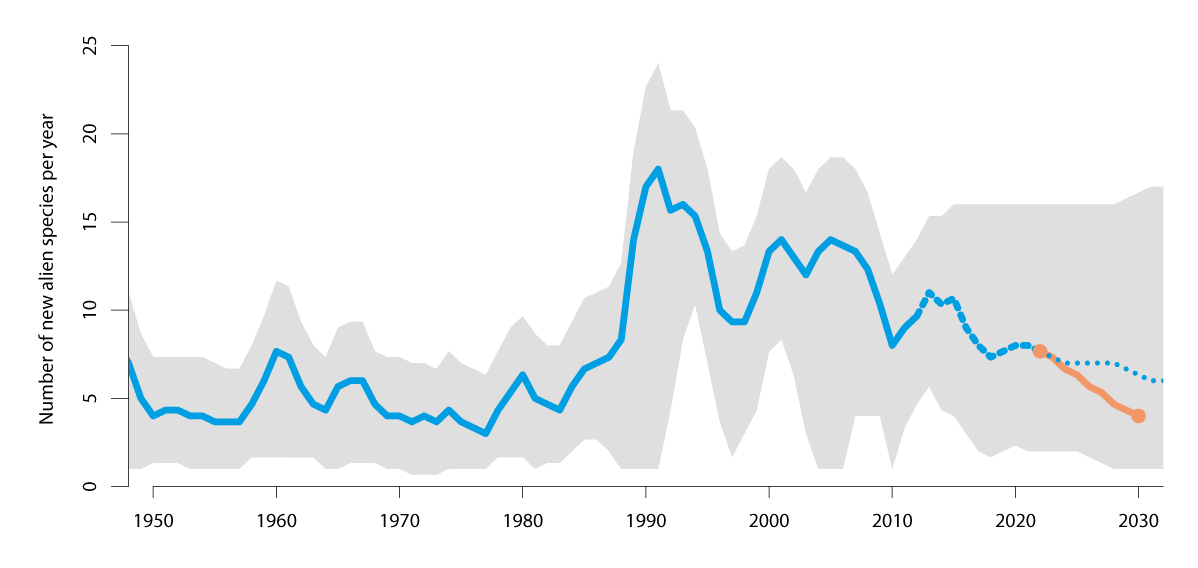
Figure 6.12 Introduction of alien species
Number of introductions of new alien species per year, based on the 2023 Alien Species List. The reference target in the orange line is based on the KMGBF target of halving the introduction rate for alien species from 2022 to 2030. The grey background factor reflects uncertainty linked to the species’ initial observation time until 2012 (blue line), between 2012 and 2023 (dashed line) it reflects the possibility of delayed reporting and after 2023 (dotted line) it reflects the uncertainty of projections. The projection is based on weighted reporting figures from the last 10 to 30 years.
Source: NINA
The work to prevent the proliferation of alien species via ships has been a central element in Norway’s work under the International Maritime Organization (IMO). The coming into force of the Ballast Water Management Convention and the revised ballast water regulations in 2017 were important breakthroughs in gaining control of the proliferation of alien marine species. The work to establish a legally binding framework to prevent marine growth and further proliferation of alien marine species via ship hulls is at the starting line. The IMO has established guidelines, and Norway has called for these to be converted into binding international regulations.
The regulations on the release of alien wood species for forestry purposes aim to prevent the introduction of alien wood species resulting in or potentially resulting in adverse effects on biodiversity. The regulations stipulate, among other things, that the release of alien wood species shall be subject to permission. Proposed new regulations have been sent for consultation. The Government is working to follow up on the consultation responses.
The Government will:
Nationally:
-
update the action plan Combating Harmful Alien Organisms 2020–2025 after assessing the need for reinforced measures to achieve the new national target for alien species
-
strengthen regulations on alien organisms following a systematic review of the regulations in light of new knowledge on e.g. the risk and key proliferation pathways of species
Internationally:
-
work to ensure that the IMO establishes legally binding requirements to prevent the introduction and proliferation of alien species from marine growths on ships
6.6.4 National target
Generally speaking, there is a need to increase the efforts against alien species in Norway to prevent the situation from getting worse, as many species have already established themselves and are proliferating. The most effective measure is to initiate targeted efforts at an early stage by preventing the introduction and proliferation of new alien species. The Government has established the following objective as Norway’s contribution to target 6 in the KMGBF:
Norway has reduced the impacts by invasive alien species on biodiversity, and reduced the rates of introduction and establishment of invasive alien species.
6.7 Target 7 – Reduce Pollution
6.7.1 Global target
Reduce pollution risks and the negative impact of pollution from all sources by 2030, to levels that are not harmful to biodiversity and ecosystem functions and services, considering cumulative effects, including: (a) by reducing excess nutrients lost to the environment by at least half, including through more efficient nutrient cycling and use; (b) by reducing the overall risk from pesticides and highly hazardous chemicals by at least half, including through integrated pest management, based on science, taking into account food security and livelihoods; and (c) by preventing, reducing, and working towards eliminating plastic pollution.
The target is linked to the UN Sustainable Development Goals, sub-goals 3.9, 6.3, 11.6, 12.4, 12.5 and 14.1.
6.7.2 Status in Norway
Pollution is one of the most important negative impact factors for biodiversity in Norway.26 Pollution is found in many forms, from toxic substances that do not belong in nature to nutrients that can create imbalance when there is a lot of them in the wrong place. Pollution originates from various sources, including pesticides (plant protection products and biocides), nutrients like phosphorus and nitrogen, and substances of concern such as mercury, lead, PCBs and PFASs, and plastics. Such substances can also affect the food supply and human health. Of special attention is chemical substances that degrade slowly in nature, bioaccumulate and can have serious long-term effects on human health and in the environment. Other examples include substances that interfere with the endocrine systems in animals and humans.
Pollution affects 14 per cent (377) of the endangered species and impacts both species living in water and species living on land. Algae stand out in that a very high proportion of endangered species (88.5 per cent) are negatively affected by pollution. Pollution in the form of the supply of nutrients primarily takes place as a result of discharge from wastewater and run-off from agriculture, as well as aquaculture. Such pollution can be amplified by climate change, for example as a result of more frequent extreme weather situations. There are also many new pollutants with unknown effects for which we do not yet know the extent of potential impact on biodiversity.
The significance of pollution in Norwegian ecosystems is believed to have reduced after the extent of acidic precipitation was reduced, but the threshold limits for acidification effects on vegetation are still exceeded for 7–19 per cent of Norwegian waters and 20 per cent of Norwegian land. More than 25 per cent of natural coastal and freshwater bodies of water in Norway do not meet the target of good or very good ecological integrity under the Norwegian Water Regulation. Acidification due to acidic precipitation from e.g. long-range pollution, as well as over-fertilisation due to discharge from wastewater and loss of nutrients from agriculture due to run-off are among the most significant impacts.
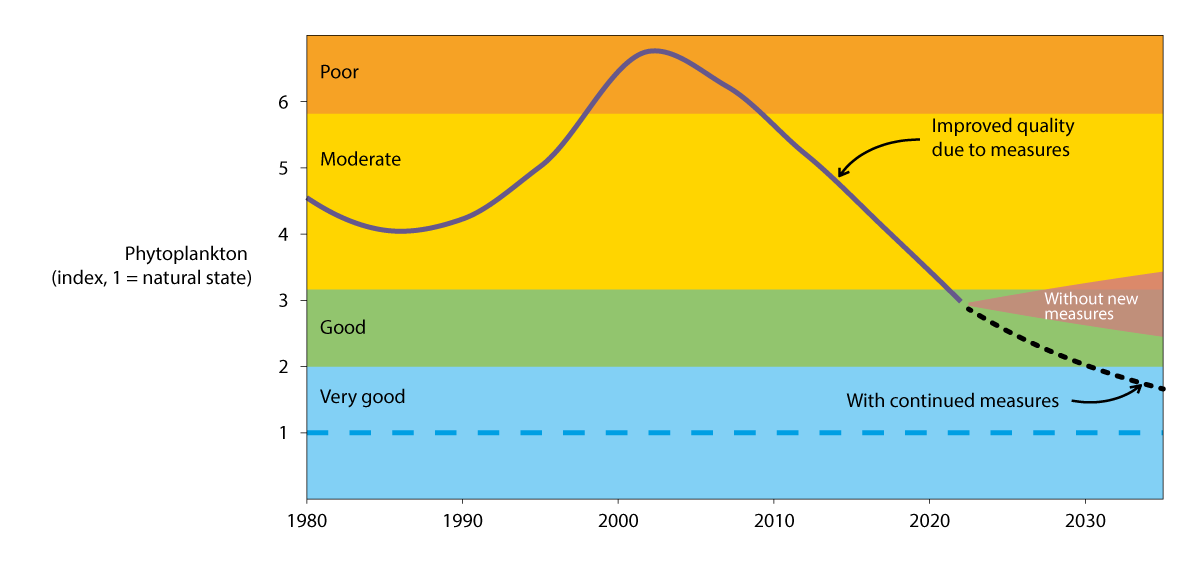
Figure 6.13 Measures to improve water quality have been successful
Amount of phytoplankton in Vanemfjord in Vansjø 1980–2022. Water quality decreased until the early 2000s, when the trend was reversed due to various measures to limit the supply of nutrients to the lake, which had limited the amount of phytoplankton. Continued improvements can be expected with continued measures.
Source: NIVA
In recent decades, the authorities have worked systematically to reduce pollution from land-based industry, oil and gas activities, aquaculture and other commercial activities by introducing stricter regulations and discharge requirements. This work is ongoing and will ensure high levels of environmental protection, as well as a predictable framework for stakeholders. Major reductions in the use and discharge of many pollutants and other substances that are harmful to health and the environment have been achieved. However, a lot of work remains. Sources such as consumer products, waste, contaminated land and sediments cause leaching of pollution for a long time after the use of substances have been phased out. Moreover, there are increasingly rapid developments in the production and use of new substances. It is therefore an ongoing challenge to reduce pollution from pollutants and other substances hazardous to health and the environment quickly enough.
Agricultural practices, temperatures, precipitation and run-off are important factors when it comes to agricultural impact on biodiversity, air and water. Over a number of years, significant efforts have been made to reduce the run-off of nutrients from agricultural activities to the aquatic environment, see example in Figure 6.13.
Nitrogen and phosphorus are two important nutrients in agricultural and food systems, and these circulate in agricultural and food systems. Nevertheless, a large proportion of phosphorus and nitrogen resources are not utilised fully today and become pollution instead. This applies both to the use of mineral fertiliser and organic fertiliser, as well as food, food waste, manure, sludge from aquaculture and other nutrient-rich residues from society. The report Better Utilisation of Phosphorus (2017)27 provides an overview of phosphorus resources from various sources used in food production and how much is not used. The overview shows that the phosphorus uptake in the Norwegian food chain exceeds 30,000 tonnes per year, while only 40 per cent is used in crops and foodstuffs. The geographical distribution of livestock production in Norway poses a challenge when it comes to utilising phosphorus in manure appropriately. Livestock-dense areas have an excess of phosphorus in manure, while grain-dominant and livestock-poor regions use mineral phosphorus fertiliser to meet the needs of plants. The overview shows that aquaculture is responsible for the majority of phosphorus discharge.
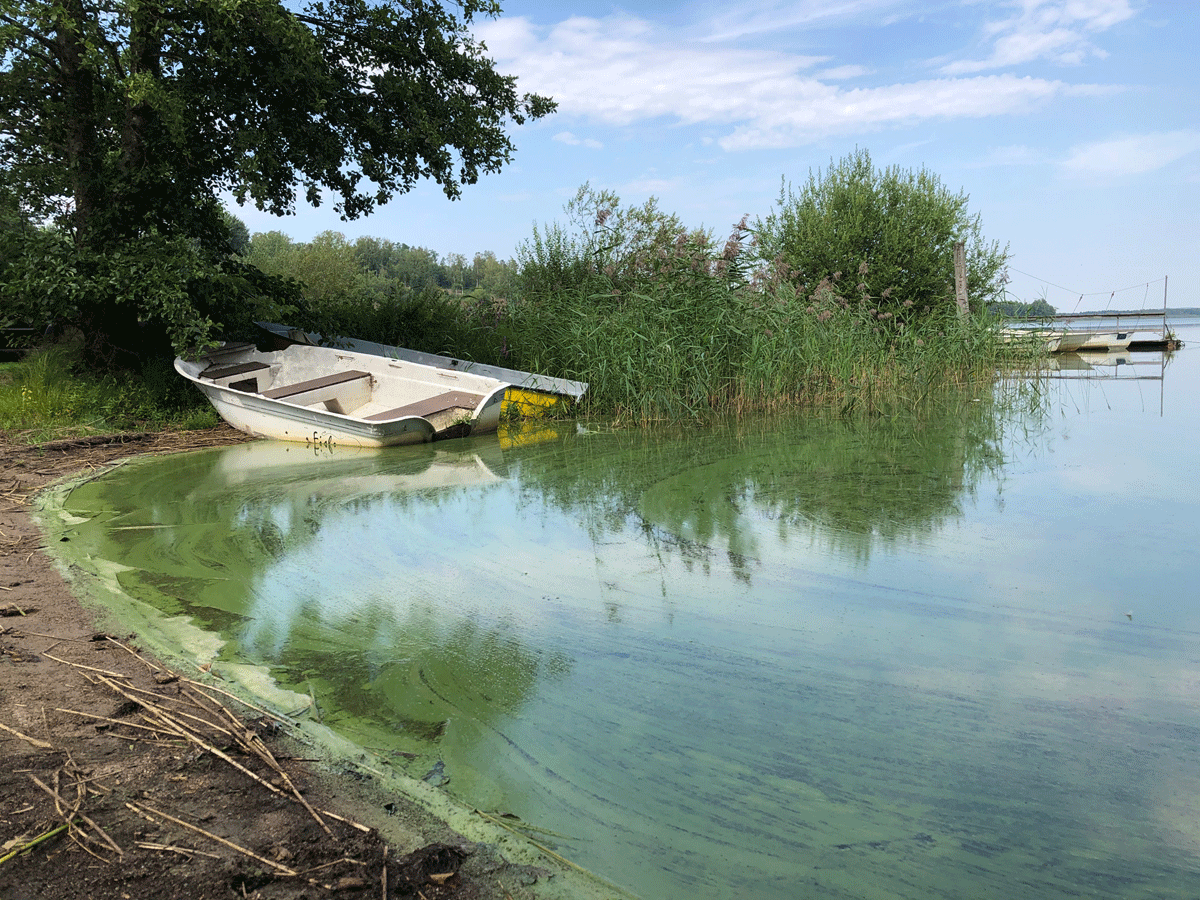
Figure 6.14 Pollution in Akersvannet in Vestfold
Akersvannet in Vestfold is an important area for recreation and sports fishing and is also used for agricultural irrigation. In recent years, there has been a sharp rise in toxic cyanobacteria (blue-green algae) due to the discharge of inadequately purified wastewater and run-off from agricultural areas.
Photo: Miguel Angel Segarra Valls/Body of water, Horten-Larvik
Plant protection products are used to protect plants against fungi, insects and weeds. At the same time, we know that plant protection products are associated with risk of health and environmental impacts. For this reason, agriculture authorities have over many years worked to make Norwegian agriculture less dependent on the use of chemical plant protection products and to reduce the risk to health and the environment from the use of such chemicals. There are several challenges in this area, for example residues in the environment. Climate change could lead to greater problems with harmful organisms in Norway, which would result in an increased need for plant protection measures. Climate change could also lead to changes in run-off and degradation, thereby affecting the environmental risk associated with plant protection products. There is therefore a need for continued efforts in this area.
Biocides, such as disinfectants, wood impregnating agents, rodenticides, mosquito repellents and antifouling for boats are used to combat unwanted organisms. Biocides can therefore have highly adverse effects on human health and the environment.
Pharmaceuticals can cause environmental damage in all phases of the lifecycle – in the form of emissions during production, excretion of breakdown products during drug treatment or pollution resulting from pharmaceuticals or packaging being discarded. Particular attention is needed when it comes to antibiotics, hormones and other substances that can affect cells and organisms in nature.
Plastic pollution has become a permanent and extensive problem with emerging levels of plastic in the oceans, in the air, in soil and in freshwater resources. Plastic pollution can have detrimental effects on different ecosystems through direct and indirect impact and through interactions with other environmental challenges. Marine species can get caught in larger pieces of plastic waste and marine animals, birds and other species may eat plastic that looks similar to food. Pieces of plastic can spread hazardous chemical substances in nature and animals and humans may be exposed for example through contaminated food. We do not know enough about the potential consequences this could have for human and animal health, but a number of the chemicals found in plastic can be harmful to human health and the environment, such as by being carcinogenic, affecting fertility, resulting in foetal damage or affecting hormonal balance.28 Activities throughout the entire plastic life cycle can also lead to greenhouse gas emissions. In Norway, consumer-related waste and plastic equipment used in fishing and aquaculture account for the largest sources of plastic waste in the environment. Tyre wear, road dust and rubber granules from artificial turf are the largest land-based sources of microplastic pollution in Norway.
Light pollution can have a negative impact on biodiversity and on human health. Surveys show that light pollution is on the rise internationally and in Europe partly due to the development of modern infrastructure, expansion of urban areas and especially the introduction of LED technology. There is much to suggest that that this trend is the same in Norway. Artificial light at night spreads throughout the lowest part of the atmosphere and contributes to light pollution in both urban areas and the surrounding ecosystems. In Norway, there is also plenty of light outside of densely populated areas due to transportation, industrial, and commercial activities – both on land and on the oceans.
The Norwegian consumption pattern has unfortunate global environmental consequences. For instance, Norway has a high consumption of textiles per capita. The textile sector has a major environmental and climate impact both during production and the waste phase. The production of textiles uses high levels of chemicals, water and land. It is an environmental challenge that used textiles are sent to developing countries without adequate waste management systems. Over 60 per cent of textiles are made of plastic, and microplastic pollution from the washing of such textiles, as well as unsatisfactory handling of textiles when they become waste, lead to plastic pollution both on land and in the oceans.
6.7.3 Measures and instruments to contribute to the target
Reducing the risk and negative impact of pollution from all sources
Both legal and economic instruments are used to reduce pollution. The most important legal instruments are the Norwegian Pollution Act and the Norwegian Product Control Act with associated regulations. These include regulations on waste management. The acts provide a framework for the systems for discharge permits and product requirements, and the environmental authorities are responsible for supervision. The regulation of pollution takes place based on a comprehensive assessment of health, welfare, natural environment, costs associated with the measures and economic conditions. Other key instruments in pollution policy are regulations that are administered by the sectors, taxes, subsidies on top of the national budget and knowledge of the discharge, distribution and impact of pollution. As pollution can cross national borders, ambitious EU/EEA regulations and international agreements under which countries commit to reducing emissions will also be important in reducing pollution in Norway.
Norway has introduced several environmental taxes for the purpose of reducing pollution from various sources. Examples include the sulphur tax, the NOx tax, the environmental tax on pesticides and, to some extent, the road tax on fuel. For an overview of other environmental taxes, please see Prop. 1 LS (2023–2024) Taxes and fees 2024.
Reducing the overall risk from pesticides and highly hazardous chemicals
End the use and emissions of substances of concern and other regulatory action for hazardous chemicals is best achieved through international collaboration, as substances may be transported across vast distances often spanning continents through ocean and atmospheric currents and as products used in Norway are largely imported. Norway is a driving force in the further development of global instruments and the extensive EU/EEA regulations in the field. This involves, among others, proposing ban for further substances of concern. The aim is to achieve faster regulation of more hazardous chemicals, to reduce the negative impact on human health and nature. New chemical substances are developed at a rapid pace, which makes it challenging to regulate new substances that may be harmful to the environment quickly enough. The focus is therefore aimed at larger groups of chemicals rather than individual substances in order to achieve more effective regulation.
Substances that constitute a serious threat to health and the environment are listed on the Norwegian list of priority substances, see box 6.10. The national target is to end the use and emissions of substances on the list. The list of priority substances sends an important signal to business and industry that these are substances that it is crucial to work to replace with alternatives that do not constitute a risk to health and the environment.
Textbox 6.10 The Norwegian List of Priority Substances
Chemical substances of concern are recorded on the national list of priority substances. Priority-listed substances constitute a serious threat to health and the environment and are subject to targets to end their use and emissions.
Substances that are not readily degradable, that accumulate in organisms and food chains and that may result in serious long-term effects are of special concern. Continued discharge of such substances may lead to increasing and irreversible concentrations in parts of the environment and ending the emissions will not necessarily lead to reduced concentrations in the environment. The list of priority substances also includes endocrine disruptors or substances that accumulate in the food chain or are detected in breastmilk. It also covers substances that degrade very slowly and that are mobile, as these can pollute surface water, ground water and drinking water.
The list of priority substances provides guidance for the authorities’ work to phase out substances, both by means of prohibitions and other restrictions laid down in the chemical regulations and requirements relating to emissions and exposure levels. When substances are added to the priority list, this sends an important signal to enterprises that they need to substitute them with less harmful alternatives.
Source: Miljøstatus (undated)
Systematic work has been carried out for a number of years to reduce both the dependence on chemical plant protection products and the risk of negative impacts on health and the environment associated with such substances. Regulations and action plans are crucial instruments in this work. Regulations for the approval of plant protection products and for the sustainable use of plant protection products form part of the EEA Agreement. The Action Plan for Sustainable Use of Plant Protection Products 2021–2025 sets out a goal to reduce the risk to health and the environment and to reduce dependence on chemical plant protection products. A number of projects and activities have been completed or are ongoing to follow up on the measures set out in the action plan.
The use of biocides and pharmaceuticals is also subject to approval schemes that include assessing the risk associated with the use of the substances. In the case of pharmaceutical products, environmental requirements are now part of the process.
Reducing loss of nutrients to the environment
The regional water management plans are important tools in achieving the water regulations’ objectives of comprehensive protection and sustainable use of the aquatic environment. The updated water management plans for 2022–2027 include a number of measures to prevent pollution in the aquatic environment. Important measures to reduce discharges that lead to eutrophication include increased purification of wastewater and reduced run-off from agriculture. The completion of the new fertiliser regulations will contribute to reduced run-off from agriculture. High phosphorus content in soil releases phosphorus to the environment in the form of run-off and has a negative impact on the aquatic environment. The proposal for new fertiliser regulations entails, among other things, stricter requirements relating to the application of fertiliser. Stricter regulations on fertiliser use are necessary to improve the environmental condition of Norwegian waters, reduce emissions to air and contribute to more sustainable use of phosphorus as a non-renewable resource.
Phosphorous is included in the EU’s list of critical raw materials and great efforts are being made to strengthen the reuse of phosphorus. A key move in the proposed new fertiliser regulations is limiting the concentrations of phosphorous in applied fertiliser. This will contribute to dispersal concentrations that are close to the requirement and take-up in crops, thus stopping the negative trend of rising phosphorus levels in soil and water in agricultural areas. The proposed revision to the fertiliser regulations was issued for consultation in spring 2024. The work has been assigned high priority by the Government and the aim is for the new regulations to enter into force from 1 January 2025.
Both economic and legal instruments are used to reduce run-off from agriculture. The budget for voluntary aquatic environmental measures through the regional environmental programmes (RMP) and special environmental measures in agriculture (SMIL) is determined during the annual agricultural negotiations and has been strengthened in recent years. Pursuant to the Norwegian Agriculture Act, the County Governor has been delegated the authority to establish regional requirements to ensure environmentally sound operations in agricultural areas. To reduce run-off from agriculture to the Oslo Fjord, the County Governor have adopted regulations on regional environmental requirements, including reduced autumn ploughing in the counties Østfold, Akershus and Oslo. The County Governor works with similar regional environmental requirements in other parts of the Oslo Fjord catchment area, cf. consultation in autumn 2024.
In the 2023 Agriculture Agreement, the parties agreed to develop a comprehensive plan for the sustainable use of nitrogen in the agricultural sector. A new computational model has been developed to calculate nutrient flow from the agricultural sector, and this will help assess how the environmental measures that have been implemented to date have affected the flow of nutrients from agriculture. The new calculation method provides more extensive flow calculations and a more comprehensive overview of the results of the efforts that are being made to improve the situation. It captures elements of e.g. erosion risk, growth choices and tillage. Overall, the models show that the flow of nitrogen and phosphorus is greater than we previously believed. In recent years, there has also been a significant investment in drainage subsidies as part of the collective bargaining negotiations for agriculture. Adequate drainage of agricultural soil reduces the risk of run-off to water systems. In recent years, there has also been a strong focus during agricultural collective bargaining to reduce the run-off of nutrients in areas that drain into the Oslo Fjord.
Despite efforts by some municipalities to reduce pollution from wastewater, there is a significant need for maintenance and upgrades in the sector across the country. Many wastewater treatment plants do not meet current requirements. This increases the risk of pollution in water bodies and discharge of untreated or poorly treated wastewater. The revised Urban Wastewater Treatment Directive (2024/3019) will impose stricter treatment requirements. With an extensive backlog regarding maintenance and inadequate compliance with treatment requirements, there is a substantial need to upgrade Norwegian wastewater treatment plants. A number of municipalities and plant owners will face costly wastewater treatment plant upgrades in the years ahead. To support municipalities in their wastewater efforts, there is a need for more guidance and closer follow-up from the County Governor who serve as the pollution control authority. At the same time, the Government aims to facilitate smart and effective investments by the municipalities. Therefore, the Government is working on instruments and incentives to ensure that improved wastewater treatment can be implemented quickly. For example, a grant scheme has been established to support nitrogen removal efforts at treatment plants in the Oslo Fjord catchment area.
Aquaculture facilities also have an impact on the environment. The pollution impact from the aquaculture industry depends on the type of aquaculture, production volumes, technology and location of the facility. Overall aquaculture production of fish means that fish farming has become the largest source of nutrient salt discharge along the coast from Lindesnes to Nordkapp. Such discharge can lead to increased algae growth and over-fertilisation in enclosed fjord areas. Fish farming in the ocean primarily takes place using flexible fish corral structures with seine that allows for water throughput. However, other types of fish farming facilities have also been developed and put into use in the oceans. This includes, among other things, facilities consisting of a sealed barrier between the farmed volume and the surroundings with different degrees of filtering and water treatment, as well as different degrees of treatment of discharge water and sediments. For land-based fish aquaculture, treatment technology is in development and requirements for the treatment of discharge are increasingly being imposed.
In addition to nutrient salts, fish aquaculture also releases organic particles and substances such as pharmaceuticals and impregnating agents. Contraries in feed lead to the release of pesticides, heavy metals and other pollutants. Other aquaculture such as kelp, tunicate and shellfish, cause less discharge but may cause organic discharge in the form of fallout. Impact from aquaculture due to salmon lice and escape is addressed under target 10.
The establishment of aquaculture enterprises is subject to permission. All aquaculture must be environmentally sound. Fish aquaculture using fish corral systems in the ocean accounts for the majority of Norwegian aquaculture production and this has recently become subject to updated environmental requirements.29 The enterprises are required to carry out environmental monitoring and submit reports to ensure that the environmental impact falls within the limits stipulated in the regulations.
In February 2024, new pollution regulations entered into force for aquaculture in the oceans. Under the new regulations, the new general rule is a move away from individual discharge permits for individual sites to regulatory standard terms and conditions relating to pollution. New monitoring and reporting requirements have been introduced, as well as new minimum requirements for environmental documentation for new site applications. The Government continues to develop regulations and requirements relating to pollution from farming industries, including considering proposals relating to requirements for the mapping of vulnerable nature as part of aquaculture applications and assessing the need for and possibility of also imposing standardised requirements relating to pollution for land-based aquaculture.
Textbox 6.11 Integrated action plan for the Oslo Fjord
The ecological status of the Oslo fjord is in a very grave situation. The ecological status of large parts of the Oslo fjord is moderate or chemically poor pursuant to the quality elements set out in the water regulations and shoreline areas are under great pressure. The causes of pollution are complex. The largest impacts include nutrient runoff from agriculture, discharge from municipal wastewater systems and wastewater from dispersed settlements and fisheries. In many cases, climate change amplifies the impact of human activity.
The Integrated Action Plan for a Clean and Diverse Oslo Fjord with Active Outdoor Recreation was presented in March 2021. The Government actively follows up on the action plan and has initiated a major effort for Oslo fjord, with a particular focus on the most significant impacts. The action plan contains 63 actions and 19 items relating to knowledge gathering in seven different focus areas. The objectives of the plan are to achieve good ecological status in the fjord, restore important natural values, safeguard biodiversity in the fjord and promote active outdoor recreation. Achieving these goals requires a coordinated implementation of effective measures targeting the most important factors. The plan emphasises the importance of all sectors and authorities that affect the ecosystem using the instruments available to them. In order to ensure local and regional policy endorsement and progress, the Oslo Fjord Council, comprising a selection of mayors and affected county council chairs, was established in 2021.
The Government works continuously to strengthen measures and instruments to achieve a clean and diverse Oslo fjord and is committed to accelerating the implementation of measures. Many important measures have been implemented and initiated to improve the status of the Oslo fjord since the action plan was first presented. In particular, the measures to reduce the runoff and discharge of nutrients and pollution to the fjord from the wastewater sector and agricultural areas have been strengthened. There is ongoing work to determine further measures relating to fishing activities for the purpose of restoring both fish stocks and a well-functioning ecosystem.
In the 2022–2023 status report on the implementation of the measures set out in the plan, the Oslo fjord Council secretariat found that the most important steps to improve the status of the fjord would be to reduce nutrient input from sewage and agriculture, restore predatory fish stocks and prevent further development projects in along the shoreline and in shallow water areas. According to the status report, significant efforts are being made on several fronts, but the implementation of the measures is progressing too slowly. The measures within the wastewater sector are most urgent. The municipalities have a key role to play in this work. The Government aims to facilitate smart and effective investments by the municipalities to ensure that wastewater treatment is quickly put into place. In order to achieve a clean and diverse Oslo Fjord, the local authorities must work systematically on environmental measures in the wastewater sector. Sharing experiences and building knowledge will be important as well as exploring the option of collaboration across municipalities.
Reducing pollution from construction and civil engineering projects
The construction and civil engineering industry accounts for significant resource consumption and emissions to air, water and soil. Through circular solutions and the reuse of existing buildings and materials, the industry can reduce pollution from material use, waste and excess masses. Municipalities can, to a certain extent, facilitate reduce pollution from the construction and civil engineering phase in the consideration of planning applications.
Proper location of new developments can be crucial for the environmental impact of emissions from the enterprise. Polluting activities may originate from industrial and commercial enterprises that produce local emissions to air, water and soil, as well as noise, transport infrastructure that contributes to air pollution and run-off that pollutes soil and water, as well as noise, or homes and holiday homes that may affect the local environment through noise, discharge from drainage, etc. The choice of location may have a significant impact on how pollution from the enterprise affects nature.
Decisions relating to location are made as part of the planning process under the Norwegian Planning and Building Act. By having knowledge of the quality of natural areas, the planning authorities can consider what are considered more or less suitable or vulnerable locations, thereby reducing the overall environmental degradation.
Reducing light pollution
In Norway, the authorities have primarily considered outdoor lighting to be a positive instrument in ensuring safe infrastructure and well-being, safety and accessibility for residents. Light pollution has not been considered to be much of a problem and is not governed under Norwegian legislation. Currently, there is a major lack of knowledge regarding the impact of light pollution on humans, species and ecosystems in Norway and the Nordic region. As light pollution concerns many different sectors and areas of legislation, there is a need to take a national, interdisciplinary approach to these challenges. During the winter of 2023, the Norwegian Ministry of Local Government and Regional Development established an expert working group with participants from the environmental, health, energy, and transport authorities. The aim is to strengthen knowledge and guidance about positive and negative impacts of the use of outdoor lighting and to coordinate efforts in the field.
Preventing, reducing and working to eliminate plastic pollution
Without new global measures, worldwide plastic pollution will double by 2040. Norway is working to establish an efficient, legally binding global instrument, which are scheduled for completion in 2024. An efficient agreement will entail measures, both nationally and internationally, in all phases of the plastic lifecycle, to better utilise resources and prevent plastic from going astray in nature.
Norway has had extensive regulations to prevent pollution and littering, including from plastic, for a long time. A number of preventive measures have been implemented and more are being developed. A central part of the regulations is developed within the EU/EEA cooperation. The Norwegian Ministry of Climate and Environment has, among others, recently established a plastic partnership with the private sector, to reduce the use of certain single-use plastic products and will introduce design requirements for plastic bottles. Work is also under way to establish new extended producer responsibility schemes. One such new scheme for certain single-use plastic products means that manufacturers must cover the local authorities’ costs associated with cleaning up litter and awareness raising efforts. A producer responsibility scheme will also be developed for fishing and aquaculture gear containing plastic. A restriction on intentionally added microplastics to products has been introduced in Europe pursuant to the REACH chemicals regulations. In Norway, this will be implemented through a national regulation. The measures will enter into force at different times for different products. Cosmetics, cleaning detergents and rubber granules are examples of products covered. Norway has already implemented national regulations on the design and operation of artificial turf using rubber granules for the purpose of reducing microplastic pollution. Plastic pellets are a source of microplastic pollution, and the European Commission has presented a proposed regulation to prevent microplastic pollution from plastic pellets. The proposal entails new requirements to ensure the safe and sustainable management of plastic pellets throughout the entire value chain. The regulation will be considered by the European Council and the European Parliament and has been deemed relevant to the EEA. The authorities contribute to coastal clean-up initiatives, for instance by providing funding aimed at combating marine littering, which is administered by the Norwegian Environment Agency. In addition, the authorities contribute with information on the need for clean-up and the coordination of efforts through digital online tools and a national collaboration council.
The Government will:
Nationally:
-
finalise the revision of the fertiliser regulations, for which a consultation process has been completed
-
strengthen efforts to reduce the risk of negative health and environment effects from the use of plant protection products, and reduce the dependence on chemical plant protection products
-
contribute to ensuring that municipalities wastewater treatment system upgrades in the Oslo fjord are put into place quickly
-
increase interdisciplinary knowledge about the effects of light pollution on nature and health, and implement measures to reduce unwanted effects
-
increase knowledge of how to reduce pollution from construction and civil engineering activities and from developed areas, including traffic areas
-
introduce extended producer responsibility schemes for certain single-use plastic products and fishing gear containing plastic used in commercial fishing, aquaculture and recreational fishing
Internationally:
-
support international policy and regulatory development in the area of pollution, particularly through efforts to
-
establish a global instrument to end plastic pollution
-
establish a global panel for chemicals, waste and to prevent pollution
-
contribute to further restrictions on the most hazardous chemicals
6.7.4 National target
We have already established seven national climate and environmental targets for pollution and these form a good starting point for Norway’s National target. With the continuation of ongoing work and strengthened efforts through the measures mentioned above, The Government has established the following objective for target 7:
By 2030, pollution from substances of very high concern and other hazardous substances, acid rain, nutrient losses from agriculture as well as pollution from discharge of wastewater, aquaculture and other industry, has low impact on biodiversity and ecosystem functions and services.
6.8 Target 8 – Minimise the Impacts of Climate Change on Biodiversity and Build Resilience
6.8.1 Global target
Minimize the impact of climate change and ocean acidification on biodiversity and increase its resilience through mitigation, adaptation, and disaster risk reduction actions, including through nature-based solutions and/or ecosystem-based approaches, while minimizing negative and fostering positive impacts of climate action on biodiversity.
The target is linked to UN Sustainable Development Goal 13.
6.8.2 Status in Norway
The integrity of ecosystems and thereby the ecosystem services they deliver is weakened by climate change. The impact of climate change on nature is more serious and extensive than previously assumed. The Nature Index for Norway and Miljøstatus show that climate change is already among the most important negative impact factors in the oceans, along the coast, in the mountains and in Arctic regions.
According to the Norwegian Species Data Bank, the number of endangered species that were negatively impacted by climate change in mainland Norway and Norwegian ocean regions doubled from 2015 to 2021, from 91 to 211 species. This accounts for approximately 8 per cent of endangered species and species in the mountains are particularly susceptible to negative impact. Of the 74 endangered habitat types, 35 are negatively impacted by climate change.
On Svalbard, the average annual temperature is climbing particularly rapidly, and climate change constitutes an impact factor for 27 of a total of 67 endangered species (40 per cent). This makes climate change one of the largest impact factors. The rapid climate change is expected to continue, both on Svalbard and in the surrounding ocean regions in the northern Barents Sea. This poses a growing threat, especially for Arctic species that have adapted to a cold climate and sea ice. Climate change is also by far the most important impact factor for biotopes on Svalbard and in adjacent ocean regions with sea ice. Arctic species and habitat types may eventually disappear from all or parts of these areas, while more thermophilic species and biotopes are expected to increase in terms of proliferation and numbers.
Acidification of the oceans has so far not resulted in any outcomes that are visible in the Norwegian Species Data Bank Red Lists, but in the long term, ocean acidification could have serious consequences for aquatic life, especially for organisms that form shells and skeletons made from lime. Ocean acidification may, for example, lead to deep water coral reefs in Norwegian waters being weakened and dissolving towards the end of this century. The risk of serious consequences depends on the levels of CO2 emissions will be in the future.
Climate change affects different ecosystems in different ways and animals and plants adapt to climate change in different ways. Some species will benefit from climate change, while others will be negatively impacted. Thermophilic species could spread further north in the country and higher in the mountains, often at the cost of more cold-tolerant, alpine and polar species. Higher temperatures could also lead to increased drought stress in forests and contribute to more attacks from harmful insects and fungi. Earlier bud development in spring due to higher temperatures can lead to frost damage if the risk of overnight frost is not over. Increased fluctuations between frost and mild weather can result in frost damage and lead to the ground freezing, which could cause problems for reindeer during the winter season. Climate-related damage to vegetation, combined with periods of drought, could result in the frequency of heather- and forest fires increasing.30
Climate change contributes to elevated ocean temperatures, which could result in changes to the areas that are suitable for aquaculture with different species and different farming systems. Higher temperatures can also be beneficial for certain pathogenic or harmful organisms and can increase their potential to spread. Elevated ocean temperatures can also affect the migration patterns of several key fish stocks, which could pose more challenges for fisheries.
In January 2024, the Storting considered the White paper no. 26 (2022–2023) A changing climate – together for a climate-resilient society, cf. Recommendation 161 S to the Storting (2023–2024). The White paper presents the Government’s efforts and measures to improve and adapt biodiversity and society to climate change and to create a climate-resilient society. Climate adaption is an integral part of many aspects of biodiversity management and is followed up by the Norwegian Environment Agency through its strategy Climate adaptation 2024–2028 Strategy and action plan for the Norwegian Environment Agency’s outcomes. There is raised awareness and use of nature-based solutions for climate adaptation in Norway, but these are still used less than technical solutions for climate adaptation, in part because they often do not provide adequate protection against flooding and landslides on their own. In recent years, however, several streams have been opened, and water system measures have been implemented to limit damage from surface water, flooding, erosion and other impacts of climate change.
Textbox 6.12 Carbon storage in natural ecosystems
Ecosystems are crucial in reducing climate change, as they bind and store large amounts of carbon. The world’s ecosystems store a total of 43,500 billion tonnes of carbon, 7 billion tonnes of which (0.18 per cent) are stored in ecosystems in mainland Norway. One tonne of carbon corresponds to 3.67 tonnes of CO2 equivalent if released into the atmosphere as greenhouse gases.
Norwegian ecosystems absorb and store large amounts of carbon. The national greenhouse gas accounts for the forestry and land use sector1 estimated a capture of 13.7 million tonnes of CO2 equivalents in 2022, which corresponds to 28 per cent of emissions from other sectors. Man-made capture and emission of greenhouse gases are also included in the greenhouse gas accounts. Changes due to natural processes are not included. Capture from areas defined as managed is due to a relatively high net absorption in forests (17.9 million tonnes of CO2 equivalents), but the annual capture in forests has declined over the past fifteen years. This is due to increased felling, more ancient forests that are no longer experiencing such strong growth and lower investments in forests in recent decades. The remaining land categories have an estimated net emission (a total of 4.6 million tonnes of CO2 equivalents), which is caused in particular by the drainage of bogs for agricultural purposes and development projects that lead to a loss of forests and bogs. Development projects that lead to a loss of land not only result in major emissions but also prevent future capture in the areas.
While the annual carbon capture in Norwegian ecosystems is the greatest in forests, bogs constitute the ecosystem with the greatest carbon amount stored by area unit. Wetlands contain significant carbon stores that have developed over several thousands of years. Although the annual carbon capture in wetlands is relatively minor, development projects or degradation of wetlands would lead to major emissions. Restoration and reduced development projects and degradation of nature are all important in preserving natural carbon stores, which are also under threat from future climate changes.
In a 2020 NINA report2, Norwegian ecosystems have been estimated to store 7 billion tonnes of carbon across the major ecosystems of forests, mountains, open lowlands, wetlands and ecosystems in water, where the definition of area categories differs from the national greenhouse gas accounts. While there is still a lack of knowledge of ecosystems’ carbon stores and carbon capture, there is consensus that carbon below ground level represents the largest carbon store in terrestrial ecosystems in Norway.
Boreal forests have 3–4 times more carbon stored below ground than above and constitute the largest carbon store nationally and globally. Bogs are primarily located in boreal ecosystems and account for only 3 per cent of the land surface but store 21 per cent of the total soil carbon worldwide. According to the Intergovernmental Panel on Climate Change, terrestrial ecosystems absorbed around one third of man-made emissions during the 2010–2019 period. Land areas are under pressure from different types of land use throughout the world. This has led to a global net loss of forests, especially in tropical areas, which entails significant greenhouse gas emissions. Measures to reduce emissions and increase the capture of greenhouse gases from land areas are necessary to restrict global warming to 1.5 or 2 degrees by 2050. Forest and land areas are also renewable sources of energy and raw materials that can replace greenhouse gas emissions in other sectors and contribute to various carbon-negative solutions and technologies.
The understanding of carbon has increased in recent years, especially the importance of organic carbon bound in marine vegetation or stored in the seabed. The most important marine ecosystems for the binding/storage of carbon in Norwegian coastal and ocean regions are macroalgae (seaweed and kelp), plankton, seagrass meadows, tidal flats and marshes, sediment and benthic fauna.3
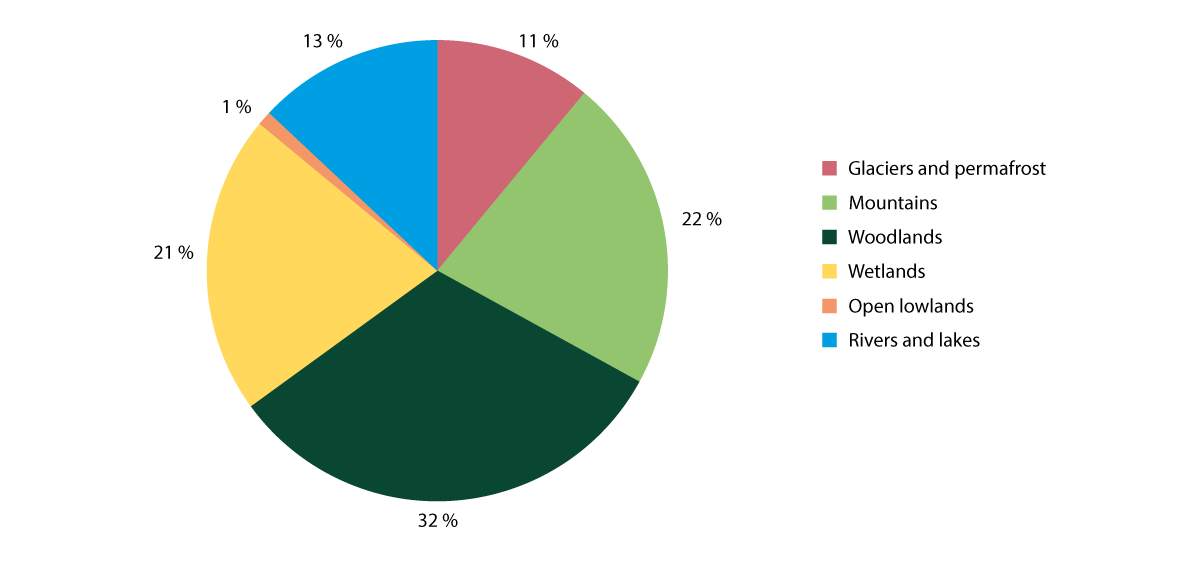
Figure 6.15 Carbon storage in Norwegian ecosystems
The approximate volume of carbon stored in each ecosystem in mainland Norway as part of the total volume of carbon stored in Norwegian ecosystems. Lake sediment, wetlands and permafrost store the most by square kilometre.
Source: Bartlett et al. (2020)
1 The Norwegian Environment Agency (2024b).
2 Bartlett et al. (2020).
3 Hancke et al. (2022).
6.8.3 Measures and instruments to contribute to the target
Minimising the consequences of climate change and strengthening the resilience of biodiversity
Reducing greenhouse gas emissions is the most important step we can take to minimise climate change and ocean acidification. Norway’s target is to reduce the emission of greenhouse gases by at least 55 per cent by 2030 from the 1990 level. The Government wishes to continue its collaboration with the EU and is working based on this target being met in collaboration with the EU. Norway’s target for 2050 is to become a low-emission society and for emissions to be reduced by a magnitude of 90–95 per cent from the 1990 level. The Government’s climate policy to achieve the targets and for reporting pursuant to the Norwegian Climate Act is presented through the annual climate status and plan presented together with the national budget. In spring 2025, the Government plans to present a Report to the Storting on the climate for the period after 2030 on the path towards the zero-emission society in 2050.
Ecosystems with good integrity deliver natural benefits such as carbon storage, flood retention and protection against landslides and erosion and are therefore important in the work to reduce greenhouse gas emissions, for climate adaptation and to reduce the risk of natural disasters. Additionally, the ecosystems themselves will better withstand climate change through increased resilience if the integrity is good.31 In the oceans, it is important to identify areas that are particularly resilient to climate change and that can therefore play a special role in ensuring future production in ecosystems.
The Government places emphasis on viewing the climate crisis and biodiversity crisis in context and climate and biodiversity provide a framework for all policies. Measures that are positive for both climate and biodiversity will be particularly beneficial.
Sustainable and effective use of land and marine areas can safeguard biodiversity, contribute to a reduction in greenhouse gas emissions and be of importance to climate adaptation. This is discussed in further detail in Chapter 6.1. Furthermore, restoration contributes to improving nature’s ability to deliver important ecosystem services such as carbon storage and flood retention. This is discussed in further detail under target 2. The conservation of nature also constitutes a benefit for the climate, as addressed among other things in the sixth main report from the United Nations Intergovernmental Panel on Climate Change.32 Conservation and other long-term preservation of nature are discussed under target 3. One example that demonstrates the interaction between nature and climate is bogs. Bogs are important, especially for birds, insects and mosses, and are also major carbon stores developed over thousands of years. In the National Expectations for Regional and Local Planning 2023–2027, the Government has clarified its expectation that reallocation and development projects that lead to a loss of carbon-rich areas, including bogs, tidal marshes and other types of wetlands and forests, must be avoided to the extent possible so that the areas’ capacity to store and absorb carbon is maintained. In proposals for new government planning guidelines for climate and energy that were in consultation during the spring of 2024, a guideline has been proposed in which development projects that lead to a loss of carbon-rich areas, including bogs, tidal marshes and other types of wetlands and forests, should be avoided to the extent possible.
On behalf of the Norwegian Ministry of Climate and Environment, the Norwegian Environment Agency has drawn up a proposal for a ban on development projects in bogs. This is part of the follow-up to Storting request no. 108 from December 2022.
The extraction and use of peat from bogs leads to greenhouse gas emissions and has a negative impact on biodiversity and ecosystem services. In connection with the consideration of RNB 2024, the Storting asked the Government to put a proposal for a ban on new peat extraction out for consultation with an effective date for the ban as soon as possible and before 1 October 2025. The Norwegian Environment Agency has been commissioned by the Norwegian Ministry for Climate and Environment to draw up draft consultation notes with proposed regulatory changes and any necessary legislative changes to implement such a ban.
The Norwegian Environment Agency has also drawn up a proposed plan for the transition from the use of peat-based to peat-free products. Peat is currently an important factor in greenhouse production and the production of plants in pots and trays (plug plants), such as woodland plants and flowers, etc., for which no other proven alternatives are yet available. An increased plant-based diet based on Norwegian commodities and the production of woodland plants will also increase the need for suitable cultivation media. Further research into peat alternatives and the possibility of effectively producing peat products without extracting new peat from peat bogs is necessary. The Government will establish a working group whose mandate will be to contribute to the development of peat-reduced and peat-free products for cultivation media and soil improvement. The mandate of the working group will be to work to phase out peat within a reasonable period of time and more quickly in the private market than in the landscape industry. The working group will consider the consequences of alternative deadlines, both before and after 2030.
Climate-change adaptation
Natural ecosystem services contribute to climate adaptation. This is particularly true for regulating services such as flood retention and water treatment or protection against erosion. At the same time, it is important to take into account biotopes at particular risk of negative impact from climate change in land use planning and nature management. It is also important to ensure connectivity between natural areas (known as green infrastructure). It can otherwise be difficult for species to relocate to areas with a suitable climate. Calculations from NINA, for example, show that deciduous forests (thermophilic deciduous trees such as ash, elm, beech, hazel, linden, maple, alder) could get significantly larger potential habitats in Norway by 2090.
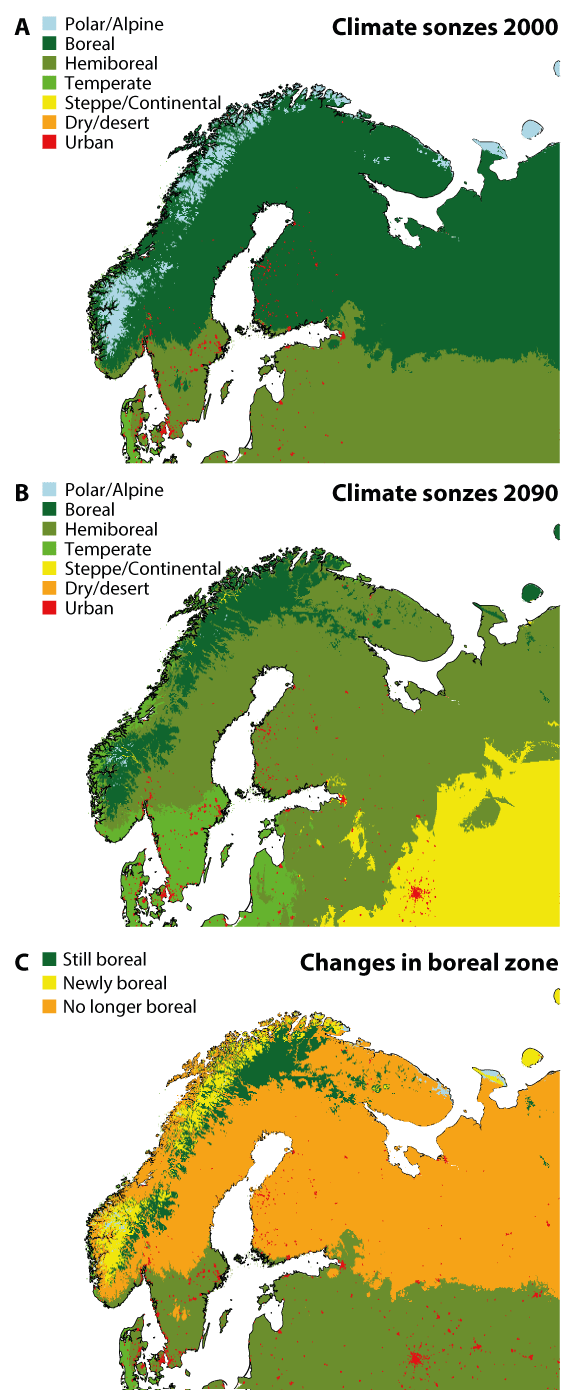
Figure 6.16 Changes to the boreal climate zone due to continued high greenhouse gas emissions
Changes to the boreal climate zone. (A) Simplified map of the current climate zones. (B) Map of expected climate zones around 2090 (High emission scenario RCP8.5). (C) The differences in the proliferation of climate zones for boreal forests. Yellow indicates alpine zones/tundra that have warmed to boreal, while orange shows boreal zones changing to hemi-boreal, temperate or steppe, i.e. climate types that are not currently home to boreal forests. Dark green indicates areas with boreal forests today that will remain suitable for this woodland type in 2090.
Source: Norwegian Scientific Committee for Food and Environment (2022)
In the event of climate scenarios that entail continued high greenhouse gas emissions (RCP8.5, which entails warming of 4.5°C in Norway), nearly all of the current Arctic/alpine zone in Fennoscandia will have a boreal climate by the year 2100. Boreal forests will not be able to become established in such a short period of time. The species that belong in the Arctic/alpine zone will lack areas to move to. Under such future scenarios, the majority of the current boreal zone in Fennoscandia will no longer have a boreal climate, see Figure 6.16.
In a future with warmer and more acidic oceans due to climate change, some coastal and ocean areas might act as climate refuges. These are areas where marine biotopes and species will thrive and maintain their population size despite the marginalising impact of elevated temperatures, provided that the overall impact on the area is adequately managed. This could, for example, apply to areas along the coast with high water replacement and proximity to deep bodies of water with stable temperatures, that are therefore less exposed to the impacts of climate change/warming than elsewhere. In the Arctic, areas that are more resistant to the melting of sea ice may provide refuges for ice-dependent species, such as algae, crustaceans and fish, which often also fulfil important functions in the marine ecosystem. Climate refuges are areas that are particularly resilient to climate change, and proper management of these areas is important in order for marine biodiversity to be able to withstand the impact of more frequent marine heatwaves.
On land, particular emphasis is placed on climate adaptations in the work on supplementary preservation so that the areas can act as part of an ecological network that species can move between. Establishing larger conservation areas such as national parks and landscape conservation areas may increase the resilience of the species in the areas and ensure climate gradients to which they can move, for example from lowlands to high mountains.
Ecosystems work through the interaction between the different species and the surrounding environment. This makes it difficult to predict how climate change will affect ecosystems and biodiversity in future and how this will affect nature’s overall tolerance limit for various impacts. In order to assess the consequences of climate change and implement measures to strengthen the resilience of ecosystems, there is therefore a need for more knowledge as the basis for management. This is discussed in more detail for the major ecosystem of oceans and coasts in the White paper no. 21 (2023–2024) Norway’s Integrated Ocean Management Plans. The need for more knowledge relating to climate change is also highlighted in the White Paper to the Storting no. 5 (2022–2023) Long-term plan for research and higher education 2023–2032, which the Government presented in autumn 2022. See also the discussion of measures for knowledge in Chapter 6.21.
In the work on water management under the water regulations, assessments of climate change and climate adaptations must be included in all phases, and this will also form a part of the Government’s work on the Menu of Measures for the ecosystems. Through comprehensive ecosystem-based management, the various impacts on the ecosystems will be considered as one. Given the increased negative impact from climate change on biodiversity, it is necessary to ensure good integrity in ecosystems both now and in the future and in line with national environmental targets. It is also necessary to consider the cumulative environmental effects on ecosystems, see box 6.13. Efforts to limit climate change are also important.
An example of a targeted measure to safeguard climate-vulnerable species is the ban on snowmobiles on sea ice in selected fjords on Svalbard during spring. The purpose of the regulation is to protect the remaining habitats on the fjord ice and avoid disruption to the ringed seal and polar bear. The sea ice furthest into the fjords in front of the glacier edge is an important habitat for these species in spring. In recent years, the extent of fjord ice has decreased sharply and both vulnerable wildlife and snowmobile traffic are now concentrated in increasingly smaller areas. It is therefore important to protect polar bears and ringed seals against additional stress from disruption in the fjord regions that still have sea ice.
To create a climate-resilient society, it will be crucial to look at the integrity of nature and society’s vulnerability to climate change in context. In summer 2023, the Government presented the White paper no. 26 (2022–2023) A changing climate – together for a climate-resilient society. In order to highlight the link between integrity and developments in nature and society’s vulnerability to climate change, ecosystems were included in the national target for climate adaptation. The target is now: «Society and ecosystems must be prepared and adapted to climate change.» In the work to draw up a national climate vulnerability analysis, the ecosystems and their vulnerability will also be systematically assessed and will contribute to a proper knowledge platform on the impact of climate change.
Textbox 6.13 Principles for climate-adapted nature management in local authorities
The Norwegian Environment Agency has drawn up separate guidance on climate adaptations for natural environments for the local authorities and their planning work. The guidance highlights five principles for climate-adapted nature management:
-
Safeguard climate-vulnerable species and biotopes
-
Plan for changes to nature and ensure climate-resilient ecosystems
-
Safeguard nature that helps dampen other climate impacts
-
View greenhouse gas emissions and climate adaptation in context
-
Ensure that assessments of total stress are carried out
Source: The Norwegian Environment Agency (2024f).
Nature-based solutions
Nature-based solutions refer to measures to solve societal challenges through the conservation, restoration or mimicking of natural processes and ecosystems and the sustainable use and management of these. The Government has proposed several measures to achieve increased use of nature-based solutions in the climate adaptation report. The Government will, among other things, increase knowledge of nature-based solutions for climate adaptation, increase knowledge of how climate change, land use changes, pollution and loss of nature affect one another and how nature-based solutions can contribute to solving multiple challenges at once. The Government will also further develop tools and guidance to assess nature-based solutions in socioeconomic analyses and for nature-based solutions for flood and landslide retention to be used to the extent appropriate, for example by restoring water systems through restoration of meanders and to provide more space for water systems and contact with flood plains.
The Government has also presented measures on nature-based solutions in the White paper no. 27 (2023–2024) A safer future – preparing for floods and landslides. The Government will, among other things, increase knowledge of the impact and costs of nature-based solutions for surface water, floods and landslides and assess different options to improve compliance with the rules relating to riparian zones along water systems.
In the National Expectations for Regional and Local Planning 2023–2027, The Government has set out a clear expectation for the conservation and restoration of natural areas or establishment of nature-based solutions to be considered as climate adaptation measures in the development of land use plans. Nature-based solutions are also highlighted in The Government planning guidelines for climate and energy planning and climate adaptation, in which the requirement is that conservation, restoration or establishment of nature-based solutions should be considered and if other solutions are chosen, it is necessary to justify why nature-based solutions were not chosen.
Norway is an active participant in the Nordic Council of Ministers’ four-year programme (2021–2024) on nature-based solutions, as part of which six projects are under way to map the use of nature-based solutions in the Nordic region to gather examples and experiences and to develop guidance on good practice. Norway, represented by the Norwegian Environment Agency, chairs the programme and will put the knowledge into use and communicate the knowledge to local authorities and other relevant stakeholders.
Textbox 6.14 Nature-based solutions
Agreement on a definition of nature-based solutions was achieved at the UN Environment Assembly (UNEA5) in 2022. The definition states that nature-based solutions must provide benefits to biodiversity and defines nature-based solutions as actions to protect, conserve, restore, sustainably use and manage natural or modified terrestrial, freshwater, coastal and marine ecosystems which address social, economic and environmental challenges effectively and adaptively, while simultaneously providing human well-being, ecosystem services, resilience and biodiversity benefits.
Source: United Nations Environment Assembly of the United Nations Environment Programme (2022).
Reducing adverse impacts on biodiversity from climate measures and establishing clear environmental requirements
Even though there is largely a correlation between measures that will be positive for both biodiversity and the climate, some climate measures have a negative impact on biodiversity.
The extraction of biological resources to replace fossil fuels can be harmful to biodiversity if the harvesting and cultivation of bio-energy plants displaces natural forests and food production. There are several examples of this happening, including in tropical areas. Biofuel is classified as either advanced or conventional depending on the raw material. Conventional biofuel is produced from raw materials that can also be used to produce food or animal feed and advanced biofuel is primarily made from leftovers and by-products. The Climate Commission 2050 has noted that biomass is a limited resource that should be prioritised for purposes other than energy. The commission recommends that the majority of bioenergy should be made up of advanced biofuel based on class A raw materials created from waste products and by-products from forestry for which there are few other uses. In its report Climate Action in Norway, the Norwegian Environment Agency recommends that the use of biofuel should be restricted and shifted towards advanced biofuel from class A raw materials.
In Norway, we impose sales requirements on biofuel to cut emissions from all modes of transport and in the Climate Status and Plan for 2024, the Government indicated that stricter requirements would be implemented towards 2030. The proposed biofuel policy will entail a significant volume increase compared to current levels. Norway imports most of the biofuel that it uses. There is a risk that the production of biofuel used in Norway may contribute to deforestation, loss of natural areas and an increase in both greenhouse gas emissions and food prices, as the biomass from which the biofuel is made is produced on land that would otherwise have been used for food production and food production activities therefore being moved to other areas. These are examples of how policies and climate measures in Norway affect other countries’ ability to achieve nature targets.
In order to limit the negative impact arising from the use of biofuel, the Government has decided that the biofuel policy will be reviewed at fixed checkpoints. The global climate impact arising from Norway’s use of biofuel, including the risk of indirect land use changes and the impact on biodiversity, form part of the overall assessment. The first assessment will be presented together with the 2025 budget.
Measures to increase carbon capture in forests can often result in increased value creation in the forestry industry as an added benefit. At the same time, several of these measures may have a negative impact on biodiversity and other environmental assets. The measures must be organised in a way that minimises the environmental impacts.
Measures to produce and distribute new renewable energy can have several target conflicts when it comes to biodiversity considerations. Increased electrification of society in general, new industry and the phasing out of fossil energy in industry, for example, will increase energy consumption. NVE’s long-term energy market analyses towards 2030 and 2040 highlight an anticipated increase in consumption on the part of major consumers in the petroleum industry, energy-intensive industries, battery factories, data centres and hydrogen production, but also significant energy consumption for the electrification of the transport system.
The production of new renewable energy and greater distribution capacity for renewable energy requires space. Energy and grid development projects account for somewhere between 55 and 60 per cent of the decrease in untouched nature over the past five years.33 Increased and altered land use may in turn entail loss of nature and increased greenhouse gas emissions. Measures aimed at sustainable land use have been discussed in further detail in Chapter 6.1.3. As with other development projects, it is important to carry out mitigating measures when developing new renewable production and grids. This has also been discussed in further detail in Chapter 6.1.3.
Measures that contribute to increased energy efficiency will be beneficial for both biodiversity and the climate, as they limit the need for new interventions in nature. The Government has significantly strengthened its work on energy efficiency and presented an action plan on energy efficiency in 2023 that sets out the direction for how authorities and other stakeholders will work on energy efficiency measures in the coming period. The action plan presents several instruments that will help initiate greater energy efficiency, including special requirements and targeted information initiatives. In the action plan, the Government laid down the target to improve energy intensity by 30 per cent from 2015 to 2030. The Government has also established a target to reduce power consumption by 10 TWh in the overall building stock by 2030 compared to 2015.
The action plan highlights the fact that the Government will produce an improved overview of the trends in energy consumption in different sectors. Public sector activities will take precedence in the work on energy efficiency and energy consumption in industry will be monitored much more closely than before. NVE is assigned extended responsibility to contribute to ensuring an overview, regulatory development, knowledge sharing and assessment of instruments to promote energy efficiency and more flexible energy consumption.
International follow-up
Through Norway’s International Climate and Forest Initiative, Norway also undertakes work at an international level to help minimise the emission of greenhouse gases and the loss and degradation of nature by supporting sustainable land use policies in tropical forest countries and the sustainable transition of global food and commodity markets. The tropical rainforests constitute the ecosystem with the greatest species diversity on dry land and they also store vast amounts of carbon. As part of holistic and good land use management, halting deforestation and forest degradation, as well as the conservation of tropical forests, can contribute to a significant reduction in global greenhouse gas emissions. This is also crucial to safeguarding tropical species and biotopes. Tropical forests and other ecosystems in tropical countries have, in the same way as Norwegian ecosystems, key functions in addition to storing carbon and these are, among other things, linked to precipitation patterns and access to and storage of water, food security and climate adaptation. Through Norway’s International Climate and Forest Initiative, Norway will strengthen the dialogue with tropical forest countries on the implementation of the KMGBF and the Paris Agreement, incorporating biodiversity as a more systematic and visible part of bilateral partnerships, while also being a leading supporter of tropical forest countries in the implementation of the aforementioned agreements. Norway aims to be a long-term stakeholder in this work. This is important in relation to partnerships with tropical forest countries, other donor countries and in the work with stakeholders from the private sector. Norway’s International Climate and Forest Initiative will therefore be extended to 2035.
In The Government’s strategy for climate adaptation, prevention of climate-related disasters and combating hunger in the development policy, nature-based solutions constitute a focus area for which The Government will contribute to nature-based solutions and support the conservation of blue forests to prevent the loss of marine life, coastal erosion and vulnerability to extreme weather and flooding.
The Government will:
Nationally:
-
establish a working group whose mandate will be to contribute to the development of peat-reduced and peat-free products for cultivation media and soil improvement. The mandate of the working group will be to work to phase out peat within a reasonable period of time and more quickly in the private market than in the landscape industry. The working group will consider the consequences of alternative deadlines, both before and after 2030
-
actively promote the use of nature-based solutions where appropriate
Internationally:
-
by extending Norway’s International Climate and Forest Initiative to 2035, contribute to Norway being a predictable and strong supporter of tropical forest countries and other relevant stakeholders in halting and reversing deforestation and forest degradation as part of the implementation of the KMGBF and the Paris Agreement
-
contribute to strengthening continued international and regional (Nordic) partnerships on nature-based solutions
6.8.4 National target
The scale and severity of climate change shows that we need to adapt to a changed climate in parallel with having to sharply reduce greenhouse gas emissions in Norway and globally. We need to transform into a climate-resilient, low-emission society. In Norway, we have excellent conditions in place to manage the transition while also ensuring the safety and welfare of the population and maintaining healthy ecosystems. It will be particularly challenging to minimise the impact of climate change on biodiversity in the far north, where temperatures are rising the most. Against this background, the Government has established the following objective for target 8:
Continue efforts to improve nature’s resilience to climate change, increase contributions to climate change adaptation through applying nature-based solutions and green infrastructure approaches, while limiting the negative impacts of climate action on biodiversity through counteracting measures.
6.9 Target 9 – Manage Wild Species Sustainably to Benefit People
6.9.1 Global target
Ensure that the management and use of wild species are sustainable, thereby providing social, economic and environmental benefits for people, especially those in vulnerable situations and those most dependent on biodiversity, including through sustainable biodiversity-based activities, products and services that enhance biodiversity, and protecting and encouraging customary sustainable use by indigenous peoples and local communities.
The target is linked to the UN Sustainable Development Goals, sub-goals 12.2, 14.7 and 15.7.
6.9.2 Status in Norway
The discussion here is limited to how the management and use of wild species provide humans with social, economic and environmental benefits. Further mention of sustainable, safe and lawful use, harvesting and trade in wild species, including the management of commercially important fish stocks, is addressed in further detail under target 5. Sustainable management of land and ocean areas where agriculture, aquaculture, fishing and forestry are carried out is discussed under target 10. Safeguarding of endangered species is addressed under target 4.
Norway has long traditions of hunting, fishing and other harvesting of nature. Facilitating sustainable hunting and fishing is prioritised for industry, outdoor recreation and public health . There were 134,100 active hunters registered for the 2022/2023 hunting season and the majority hunted for cervidae. Around 27,500 elk, 32,900 roe deer and 49,300 red deer were felled that season. Furthermore, a total of 157,500 grouse were felled, 70 per cent of which were willow grouse and the rest mountain grouse. This constitutes a significant resource and source of experiences and outdoor recreation, especially in local communities. The total annual extraction of game meat from Norwegian outfields is in the magnitude of 7–8 million kilos including both small game and big game. This corresponds to more than 20 million wild game dinners. NINA estimated that hunting accounted for total revenues of more than NOK 2 billion during the 2017/2018 hunting season in Norway.34 Furthermore, the total value of elk hunting for the 2019/2020 hunting season was estimated to be NOK 1.1 billion.35 In 2022, meat production from reindeer husbandry had a value of just under NOK 170 million. The value of the wild plants eaten by livestock in pastures is estimated to be NOK 1 billion annually.36
Approximately 11 million cubic metres of timber were felled for sale to industry in 2023. The felling of timber for personal use and firewood is in addition. There has been an increase in felling quantities in recent years and felling levels are now historically high. The gross value of timber sold in 2023 was NOK 6 billion in firsthand value. In 2021, a total of 2.59 million tonnes of fish and shellfish was caught at a total firsthand value of NOK 23.9 billion.37 Coastal fishing as a leisure activity is considered a public right and open to anyone as long as the prevailing rules for minimum size, gear and conservation are complied with. It is estimated that around 1.8 million people participate in leisure fishing in the sea each year. The Norwegian Directorate of Fisheries works continuously to provide information about the regulations that apply to leisure fishing and the background to these, as well as to change attitudes among leisure fishermen on the impact of their activities, especially in relation to marine littering.
In water systems or parts of water systems where there are no anadromous salmonids, children under 16 years of age can fish for free between 1 January and 20 August. After turning 16 years of age, a fishing permit must be purchased. Anyone (above 18 years) who plans to fish for salmon, sea trout and freshwater fish in water systems must pay a fishing license fee and obtain a fishing permit. Inland fishing accounts for NOK 427 million annually from the sale of fishing permits.38
Nature is also an important reason why international tourists had 9.8 million overnight stays in Norway in 2022, leaving behind NOK 38 billion. It is estimated that the number of international fishing tourists equates to approximately 400,000 each year. All tourist fishing enterprises that meet specific criteria are required to register with the Norwegian Directorate of Fisheries. The enterprises that are required to register must report their visitors’ catch to the directorate on an ongoing basis. They are also required to inform tourists about the regulations and the export quota. Tourists who have visited a registered tourist fishing enterprise can export up to 18 kilos of fish or fish products, no more than twice per year, from Norway. The smuggling of fish out of the country beyond the permitted export quota is a problem and the Norwegian Customs Service seizes substantial amounts of fish at the border.
The Norwegian right to roam allows for the entire population to forage for berries, mushrooms, flowers and herbs in outfields, see box 6.15. Separate rules apply to conservation areas and to foraging for cloudberries in northern Norway. According to figures from Statistics Norway, in 2021, 42.1 per cent of the population stated that they had been foraging for berries or mushrooms in the last 12 months. Such foraging is mostly sustainable, but there are examples of some herbs, such as wild garlic, being in such demand that over-exploitation has occurred.
Textbox 6.15 The right to roam
The right to roam is a collective term for the rights to free access and use of nature. It allows people to roam, stay and harvest in nature and is therefore of great importance to the opportunities for participating in outdoor recreation in Norway. The most important rules relating to the right to roam follow from the Norwegian Outdoor Recreation Act. The right to roam in outfields is the most important and fundamental right and a prerequisite for access and harvesting rights. The Norwegian Outdoor Recreation Act states that the public, when roaming in outfields, can harvest nuts to eat on site and forage and remove wildflowers, plants, berries and mushrooms, as well as the roots of wild herbs. Such foraging must be considerate, and adequate care must be exercised. Another prerequisite is that all foraging must be sustainable, cf. Section 15-2 of the Norwegian Nature Diversity Act. In some cases, there may be limitations on the right to harvest, for example in conservation areas, and on foraging for cloudberries in northern Norway. Hunting and fishing in freshwater and water systems are not covered under this right.
6.9.3 Measures and instruments to contribute to the target
Both reindeer husbandry and livestock industries are based on the use of wild species (feed plants) as the basis for grazing and agriculture relies on wild species for e.g. pollination and microorganisms in soil. Sectoral legislation for agriculture and reindeer husbandry addresses biodiversity considerations in their purpose paragraphs. It is important to take biodiversity into account in application of these regulations to limit negative impacts on wild species and biodiversity in general, but also to maintain the ecosystem functions the industries depend on.
Grazing livestock in outfields and on natural pastures are important when it comes to safeguarding biodiversity, especially in areas where livestock grazing has taken place over a prolonged period of time. Agricultural production based on the use of wild species depends on adequate safeguarding and sustainable use of resources. For cattle, sheep and goats, a requirement is that the livestock must be kept in a suitable pasture for at least 16 weeks of the year, unless climate or animal welfare considerations indicate otherwise. There are several incentives aimed at grazing for agriculture, and these have been significantly strengthened in recent years through the grazing grant, the schemes for special environmental measures in agriculture (SMIL) and regional environment programmes (REP), as well as grants for initiatives aimed at grazing land and summer pastures.
Traditional reindeer husbandry is based on grazing in outfields as the sole feed supply throughout the year. To ensure ecological sustainability, all siida/reindeer pasture regions must have a set maximum reindeer number based on the pasture land available to the siida. The reindeer figures from the 2022/2023 season show that the reindeer figures were somewhat lower than in 2021/2022. In 2015, the reported reindeer figures corresponded to the set number. Since then, the reindeer figures in eastern and western Finnmark have been above the maximum level in some years. It is therefore necessary to continue to follow up on the regions that exceed the maximum reindeer number to ensure sustainable reindeer husbandry. The monitoring of reindeer figures is a priority task for the Norwegian Agriculture Agency.
Figure 6.17 Hunters utilise the ecosystem services provided by nature.
Photo: The Norwegian Ministry of Climate and Environment
There are well-established management systems in place for hunting and fishing in Norway. The Norwegian Wildlife Act states that the landowner will generally have exclusive hunting and trapping rights. Around half of the land mass comprises private land. On public land, hunting and fishing are governed through separate regulations that facilitate the public right to hunt, fish and participate in outdoor recreation. Hunting on public land that is not common land is administered by Statskog SF. The Finnmark Estate is the landowner and administers hunting and fishing on what was previously public land in Finnmark. The mountain authorities administer hunting, trapping and fishing on common land. On commons, the commons authorities play a central role in the administration of hunting, trapping and fishing. The municipality is the local game authority and has a number of responsibilities, especially in relation to the management of elk, red deer, roe deer and beavers, as well as the management of diseased and injured game.
A proposal for a new Norwegian Wildlife Resource Act was released for public consultation in June 2024. The act will replace the current Norwegian Wildlife Act. Like the current act, the proposed new act is based on the purpose that the management of game, through hunting, trapping and other felling must be sustainable and take place within the framework of e.g. the Norwegian Nature Diversity Act.
All cervidae species in Norway are harvestable. This also applies to wild reindeer, which are the only cervidae species that is not classified as vigorous. Wild reindeer were classified as near threatened on the Norwegian Red List for Species from 2021. See target 4 for a more detailed discussion of wild reindeer. In some parts of the country, large populations of roe deer, red deer and elk result in a negative impact on other societal interests, such as pasture damage to inlands and forests and wildlife accidents in traffic. Several of the cervidae species have demonstrated a decline in population health over time.39 The management of cervidae populations is necessary both due to consideration for the populations in question and for the ecosystems they are part of. Based on developments in cervidae populations, conflicts of interest between cervidae and other societal considerations and the need to continue adaptive management of cervidae going forward, the Norwegian Environment Agency has been tasked by the Norwegian Ministry of Agriculture and Food with developing a new strategy for the management of cervidae. The strategy is expected to be presented in 2024.
The Government will facilitate business development in agriculture where hunting, tourist hunting and game meat are viewed in the context of other resources in agriculture, agricultural tourism, investments in local produce and recruitment for harvestable outdoor recreation. The development programme for growth and value creation in agriculture and reindeer husbandry, which is managed by Innovation Norway, will support this.
The Norwegian Reindeer Act lays down provisions on reindeer herders’ right to hunt and fish on common land, other public land and the Finnmark Estate. The right to hunt and fish must be exercised in connection with reindeer husbandry in the area where the reindeer herder is. The right to hunt applies only to small game hunting and no rent or permit charges shall be imposed for such hunting. Reindeer herders may also have the right to hunt and fish based on long-term use beyond what follows from the Norwegian Reindeer Act. This provision will ensure that traditional and sustainable reindeer husbandry can continue.
The regulations relating to spring duck hunting allow for additional regulated access to spring hunting for some species of duck in an area within the Municipality of Kautokeino. Spring duck hunting is a Sami hunting and trapping tradition. Spring hunting entails an additional mortality factor for the birds that are being hunted. At the same time, there is also a requirement for the species to produce a harvestable surplus for spring hunting and, in establishing the regulations on spring duck hunting in 2023, systematic and scientific knowledge was collected regarding the state of the population of the species and the impact of spring hunting. The regulations are due to be revised in 2028.
As mentioned under Status in Norway, some plants are now in such demand that over-exploitation occurs. This can also be a problem with regard to plants that are closely related to beneficial plants, for which it is especially important to maintain strong populations that can act as genetic reserves related to breeding efforts. To ensure sustainable harvesting, the Norwegian Environment Agency has drawn up various guidelines on the use of nature for private individuals, including for fishing and foraging for berries and mushrooms.
6.9.4 National target
Norway has well-established management practices in place for wild species. Some wild species face pressure from the driving forces mentioned in targets 1 to 8. Going forward, the main focus will therefore be to maintain adaptable management based on changed conditions. Against this background, the Government has established the following objective for target 9:
Ensure that the management and use of wild species continues to be sustainable, providing economic, social, and environmental benefits to society at large, while protecting and promoting traditional sustainable use by Indigenous Peoples, as well as local communities.
6.10 Target 10 – Enhance Biodiversity and Sustainability in Agriculture, Aquaculture, Fisheries and Forestry
6.10.1 Global target
Ensure that areas under agriculture, aquaculture, fisheries and forestry are managed sustainably, in particular through the sustainable use of biodiversity, including through a substantial increase of the application of biodiversity friendly practices, such as sustainable intensification, agroecological and other innovative approaches, contributing to the resilience and long-term efficiency and productivity of these production systems, and to food security, conserving and restoring biodiversity and maintaining nature’s contributions to people, including ecosystem functions and services.
The target is linked to the UN Sustainable Development Goals, sub-goals 2.3, 2.4, 12.1, 12.2, 14.4, 15.7 and 15.2.
6.10.2 Status in Norway
Areas where agriculture, reindeer husbandry, coastal aquaculture and forestry are carried out are managed by the local authorities pursuant to the Planning and Building Act (see target 1 for a more detailed discussion of spatial planning). These industries, as well as fisheries, are also governed through sectoral legislation. Both the planning authorities and the respective sectoral authorities have a responsibility to ensure sustainable management of land and ocean areas and biodiversity. Several laws and regulations set the framework for the industries, including the Land Act, the Marine Resources Act, the Aquaculture Act, the Pollution Control Act, the Forestry Act, the Reindeer Act, various regulations and the Agricultural Agreement and the Reindeer husbandry Agreement. The rules set out in Chapter 2 of the Norwegian Nature Diversity Act apply to all government decisions that may affect biodiversity. This applies both to decisions made pursuant to sectoral regulations and decisions made pursuant to the Norwegian Planning and Building Act. Outside the scope of the Norwegian Planning and Building Act, the integrated management plans for the oceans constitute a central cross-sectoral instrument to ensure sustainable management. Government bodies are responsible for the sustainable management of the areas they use, within the framework for the management plans and in line with relevant environmental and sectoral regulations.
The state of main Norwegian ecosystems is discussed in Chapter 3, see in particular the discussions relating to the oceans and coasts, rivers and lakes, cultural landscapes and open lowlands and forests ecosystems. From a business perspective, forestry relies on wild species to ensure a healthy environment for small plants to grow.
6.10.3 Measures and instruments to contribute to the target
Agriculture, forestry, reindeer husbandry, aquaculture and fisheries are primary industries that depend on, manage and affect nature. It is necessary to manage natural resources in an efficient manner across sectors and in such a way that they will remain available to future generations. It is important to safeguard the ecosystems’ capacity to supply ecosystem services, such as the regulation and purification of water, and that habitats for all species that naturally belong in these areas are maintained. Integrated planning through regional and municipal master plans based on updated knowledge is crucial to ensure that the land and ocean area needs for primary industries such as agriculture, fishing, aquaculture and reindeer husbandry, which are also key regional industries, are met.
Fisheries
The Marine Resources Act governs the utilisation of marine resources in Norway. The purpose of the act is to ensure sustainable and economically profitable management of wild living marine resources and genetic material derived from them, as well as to promote employment and settlement in coastal communities.
A number of regulatory measures within Norwegian fisheries management apply to delineated geographical areas, see Chapter 5.5.2. The protective measures applied to large, untouched seabed areas, corals and sponges are examples of this. A number of restrictions also apply to the design of trawlers and Danish seine. In territorial waters and internal waters, many areas are closed to trawling and the use of Danish seine. The fishery closures near Svalbard are established with a view to protect vulnerable species and habitats. Various area-based measures pursuant to fisheries legislation are actively used as tools to ensure environmentally sustainable management, covering a total of 44 per cent of the Norwegian economic zone.
Knowledge about the impacts of bottom fisheries and of the prevalence of vulnerable species and habitats is constantly evolving. National management as well as the annual negotiations with other countries, are primarily based on advice from the International Council for the Exploration of the Sea (ICES). The Norwegian Institute of Marine Research contributes significant resources to ICES’ work on population assessments and advice. Fisheries advice integrates the precautionary approach with the aim of maximum sustainable yield (MSY), in line with the United Nations Fish Stocks Agreement (UNFSA).
Figure 6.18 Fisheries along the coast of Troms
Fishing for spring-spawning Norwegian herring along the coast of Troms using trawlers.
Photo: Bård Bredesen
Aquaculture
Spatial planning pursuant to the Norwegian Planning and Building Act, aquaculture permits and requirements pursuant to the Norwegian Aquaculture Act, approvals and requirements pursuant to the Norwegian Food Act and requirements set out in the Norwegian Pollution Control Act are now central instruments in ensuring the environmentally sustainable management of areas in which aquaculture activities are carried out. Integrated spatial plans and impact assessments pursuant to the Norwegian Planning and Building Act are important in clarifying the relation between the use and protection of areas and to identify locations for aquaculture. The Government wishes to improve the guidance on planning in coastal zones and to take a closer look at the planning framework for aquaculture.
The traffic light system for capacity adjustments in aquaculture for salmon, trout and rainbow trout was introduced in 2016 and aims to ensure predictable growth conditions while also ensuring environmentally sustainable growth. The Norwegian coast has been divided into 13 production regions in the traffic light system. For each area, the environmental impact of the aquaculture industry is assessed using environmental indicators. Currently, the traffic light system has one environmental indicator, which is the mortality of migrating salmon smolt due to salmon lice. If it is likely that more than 30 per cent of smolt will die due to salmon lice (red colour), the permitted production capacity in the region may be reduced by 6 per cent.
Salmon lice and escaped farmed salmon constitute the greatest threats to anadromous salmonids in Norway. The fulfilment of the quality norm for wild salmon and the environmental targets in the water regulations therefore require adequate measures to prevent salmon lice and escaped farmed salmon. In connection with the approval of the regional water management plans in 2022, the Government decided, among other things, to investigate how the traffic light system affects the work to achieve the targets set out in the quality norm for wild Atlantic salmon. The working group responsible for the investigation concluded that the critical limits for salmon lice in the current traffic light system are not consistent with the quality norm for wild salmon. A yellow light and no changes to production capacity may cause and maintain violations of the quality norm due to salmon lice alone in periods when the natural survival of wild salmon in the oceans is moderate to low. The traffic light system and the quality standard for wild salmon do not use the same targets for wild salmon stocks. The conclusion from the working group highlights the need for a thorough review of aquaculture management in order to safeguard wild salmon going forward.
The study on increased protection for anadromous salmonids that was adopted in connection with the approval of the updated water management plans will be followed up through concrete environmental improvement measures. In line with the deadlines set out in the water regulations, which implement the EU Water Framework Directive, the measures must be operational no later than three years after the programme of measures has been established. The proposed measures set out in this report and in the Aquaculture Commission’s report NOU 2023: 23 Integrated aquaculture management for sustainable value creation will be assessed and monitored through various processes, including the new report to the Storting on aquaculture.
Currently, we do not have corresponding targets for anadromous salmonids other than those set out for wild salmon in the quality norm. The Government will therefore enhance management measures for other anadromous salmonids, such as sea trout and charr. The Government is working, among other things, to integrate sea trout into the traffic light system. The aim is for sea trout to be included in the colourings under the traffic light system from and including 2026.
Cod farming experienced a boost in the early 2000s, but production was relatively fallow for a number of years before increasing again in recent years. The Norwegian Institute of Marine Research report Knowledge platform on the potential impact from farmed cod and live stored cod on wild cod (2021) states that the escape of farmed cod and farmed cod that spawn in net pens constitute the primary risk factors for genetic interactions between farmed cod based on breeding and wild cod. Cod farming facilities can also lead to altered migration, behaviour, physiology and reproduction in wild cod, which in turn can influence the survival, growth and recruitment of wild fish. To better protect wild cod stocks, the Government clarified the ban on cod farming in spawning areas and spawning fields for wild cod through a regulatory amendment in winter 2024.
Agriculture
Norwegian agriculture has long traditions of sustainable management that takes into account the environment, cultural landscapes and biodiversity. Developments in knowledge and instruments have contributed to activities in many areas now being even more eco-friendly than 20–30 years ago. The targeting of instruments has been key in achieving this, and there is a continuous need for further efforts. The cultural landscapes and cultural heritage in agriculture are important common goods for society and are of importance to community, tradition and in the creation of values. Different natural conditions have resulted in great variation in production methods and resource use in different parts of the country, with different and unique cultural landscapes. Cultural landscapes are constantly evolving. Efficiency improvements and discontinuation of operations result in challenges for cultural environments. The agricultural sector is discussed in further detail in Chapter 5.5.1.
Agriculture has both a positive and a negative impact on biodiversity. Many species are dependent on the habitats in various parts of the cultural landscape and are therefore also reliant on a varied cultural landscape being maintained through continued operation. Nevertheless, intensive and unilateral agriculture can lead to worse living conditions for species diversity in cultural landscapes. In recent years, developments have been bilateral, with the discontinuation of operations and subsequent overgrowth and loss of biotopes on the one hand and more unilateral and intensive farming systems on the other. Of the endangered species in Norway, 29 per cent are linked to semi-natural habitat types that can be found in this landscape. The safeguarding of biodiversity can underpin the resilience of agricultural systems with regard to threats from pests, pathogens and climate change. The efforts to ensure sustainable management of agricultural land must therefore contribute to maintaining varied use of infields and outfields and enhancing ecological sustainability in more unilateral and intensive operating systems.
Agroecological operating methods can be recognised from the Norwegian agriculture model’s principles on diversity, local endorsement, development of knowledge and policies in collaboration. The work to reduce loss and improve the recirculation of nutrients is discussed in further detail under target 7.
The work to develop organic agricultural produce is based on the National Strategy for organic Agriculture 2018–2030. Three priority areas are set down in the strategy: Knowledge and expertise, facilitation of organic produce and the development of an effective value chain. The aim of the strategy is to «stimulate the development of the organic produce that is in demand in the market». The strategy will be revised in 2024. Organic agriculture contributes to the development of ecological sustainability throughout agriculture through operations and knowledge exchange between organic agriculture and conventional agriculture. For the past ten years, the approved organic agricultural land mass has been stable at around 5 per cent of the operational agricultural land in Norway.40
Annual negotiations on the Agricultural Agreement take place between the Norwegian government and the trade associations in agriculture, the Norwegian Farmers’ Union and the Norwegian Farmers and Smallholders Union. The agreement includes both targeted grant schemes aimed at areas of especially high value for biodiversity and broader schemes aimed at supporting agriculture throughout the country, thereby ensuring continued and varied use of infields and outfields. These measures are included in the National Environment Programme in the agricultural sector. Nationwide grant schemes such as the land and cultural landscape grant and the pasture grants will contribute to continued operation and to maintaining and improving ecological integrity through, e.g. requirements to protect against interventions that could degrade cultural landscapes. Furthermore, more targeted schemes are also organised at regional (regional environment programmes (RMP)) and local level (such as special environmental measures in agriculture (SMIL)) and these will contribute to the safeguarding of endangered habitat types and species groups and associated ecosystem services. In addition to these «broad» and «narrow» schemes for each agricultural enterprise, there are also regional initiatives such as Selected Cultural Landscapes in Agriculture and the World Heritage Initiative for Western Norway Fjord Landscapes, the Vega Archipelago and Røros Mining Town and the Circumference.
Over the years, the climate, biodiversity and environmental profile of the Agricultural Agreement has become more targeted. As part of the 2024 agricultural settlement, the allocation to targeted climate and environmental schemes on top of the Agricultural Agreement budget was increased by around 9 per cent. The negotiated Agricultural Agreement prioritises measures that contribute to enhanced biodiversity, cultural landscapes and grazing. The priorities included a particular initiative to safeguard the lapwing, which is an endangered bird species that nests in agricultural landscapes and is particularly susceptible to tilling during the spring. This is a measure that may help reverse the trend for the nesting bird in the agricultural landscape, see Figure 6.19. The grant schemes aimed at grazing contribute to preserving the cultural landscapes and roughage supply for livestock. For many years, pasture resources have been prioritised under the Agricultural Agreement and the grants available for grazing have been increased substantially. The Hurdal Platform states that the Government will: «Ensure improved sustainability in agriculture through increased use of outfield pastures, summer pastures, climate adaptation, investment in soil and the establishment of a national centre for mountain agriculture».
The genetic diversity in cultivated plants, livestock and woodland trees is best preserved through sustainable use. The Agricultural Agreement includes a grant scheme for preservation-worthy cattle. See target 4 for a more detailed discussion of genetic diversity.
In areas where grain is cultivated, which are dominated by more unilateral and intensive farming systems, instruments to safeguard environmental considerations have been enhanced in recent years through the increase in requirements and grants to ensure that a larger part of the areas have ground cover over winter. These instruments have been introduced to safeguard the aquatic environment but will also help safeguard ecosystems in soil. The work on soil quality, soil health and sustainable use of agricultural land is a priority area for the Government.
Currently, parts of the roughage areas and pasture resources experience limited use. The Government is investing in agriculture throughout the entire country, which can contribute to win-win solutions for agriculture and biodiversity through the use of pastures and farming systems that are beneficial to safeguarding biodiversity assets in the form of semi-natural habitat types with associated species diversity and key habitats for e.g. pollinating insects.
In connection with the Storting’s consideration of the White paper no. 11 (2023–2024) Strategy for increased self-sufficiency for agricultural goods and plan to increase revenue possibilities in agriculture, the Government was asked to initiate the work on a public report that would form the basis for a report to the Storting on a future food system, in which public health, climate, nature and agriculture and food policy are viewed in context. This work will form the basis for a White paper on a future food system. In order to enhance all three sustainability dimensions in the food system, there is a need to adopt an integrated approach in which different considerations and challenges are balanced. The resolution will shortly be followed up on through the establishment of a public commission. The Government is working on a more detailed specification for the report.
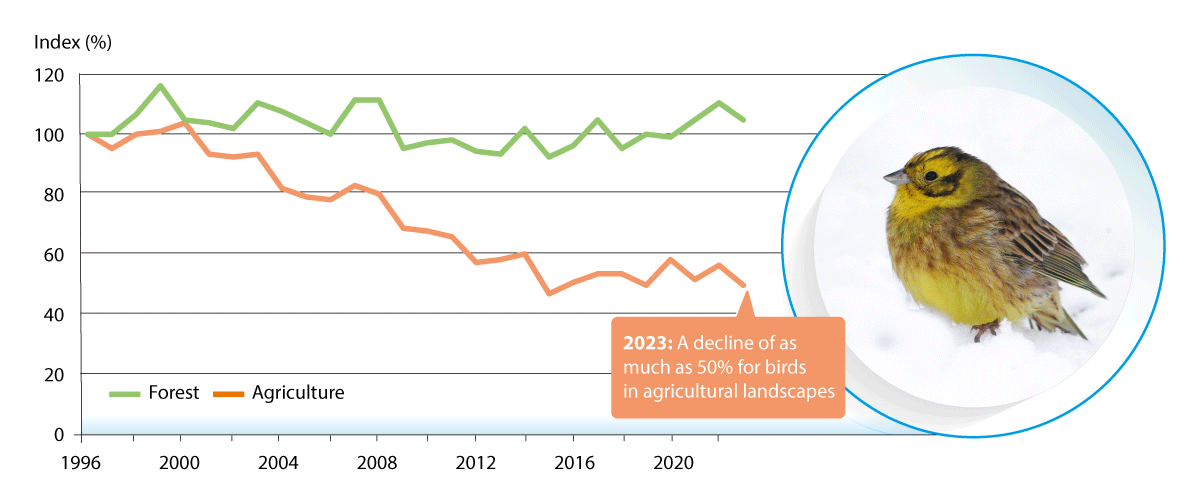
Figure 6.19 Population trends for nesting birds in forests and agricultural landscapes
The average annual population values for 24 bird species living in forests and 7 bird species living in agricultural landscapes. The population index is based on the difference from the year 1996. The bird depicted is a yellowhammer, which nests in agricultural landscapes.
Source: Stokke et al. (2024). Photo: Bård G. Stokke Graphics: Eva Setsaas/NINA
Forestry
Forestry is managed in accordance with the rules laid down in the Norwegian Forestry Act. The Norwegian Forestry Act aims to promote sustainable and economically profitable management of forest resources, while also safeguarding key environmental qualities. The management responsibility lies with the forest owner. Regulations on sustainable forestry are associated with the Norwegian Forestry Act. The purpose of the regulations is to promote sustainable forestry that safeguards the environmental assets in forests, active regeneration and development of new forests, as well as good forest health. The regulations emphasise that, in the implementation of forestry activities, forest owners must ensure that the assets in important habitats and key biotopes are safeguarded in accordance with the guidelines set out in the Norwegian PEFC forest standard. Nearly all Norwegian forestry is certified in accordance with the Norwegian PEFC forest standard and, to some extent, also in accordance with the FSC standard. Like PEFC, a national FSC standard has been established, and this is discussed in further detail in box 6.16.
Textbox 6.16 PEFC and FSC instruments in the forestry industry
PEFC (Programme for the Endorsement of Forest Certification) is the world’s largest system for certification of sustainable forestry and products from sustainable forestry. The PEFC Council is the central international organisation for all national PEFC systems. PEFC Norway is the national organisation in Norway. Norwegian forestry operates in accordance with international conventions, national legislation, verifiable knowledge and experiences. In PEFC Norway’s forest certification, this has been specified through the Norwegian PEFC forest standard and forest owners’ and timber purchasers’ compliance is verified in connection with felling and forestry activities. The forestry industry, which purchases certified timber, documents this through PEFC Norway’s traceability certification so that customers that purchase timber products can be assured that the forests from which the timber originates are managed sustainably.
The FSC (Forest Stewardship Council) is also one of the main international forest certification systems. Approximately 5% of Norwegian forests were certified through both PEFC and FSC in 2019. The FSC system imposes more requirements relating to documentation at ownership level. Like PEFC, a national FSC standard has been established for Norwegian forestry.
The Government has developed a Menu of Measures for forests. This is presented in Chapter 5.3.1.
There are several economic instruments of relevance to the safeguarding of environmental assets in connection with forestry activities. Government funding is allocated for research and development for the purpose of further developing the knowledge platform for environmental registration in forests (MiS) mapping. Furthermore, grants are also allocated for forestry planning that includes environmental registration. Other grant schemes in forestry and the forest fund scheme are subject to criteria for considering especially important environmental qualities. In 2020, NOK 8 million was earmarked for environmental initiatives in forestry. Of this, NOK 6 million was reserved for forest owners that safeguard key biotopes to a greater extent than is expected from the industry.
The Norwegian Institute of Bioeconomy Research (NIBIO) operates the insight solution, Skogportalen i Kilden (NIBIO’s main map solution), which shows localised environmental data of relevance to the planning and implementation of forest activities. The development of Skogportalen i Kilden is an important initiative for gathering environmental data relating to forests and outfields.
Based on the White paper no. 6 (2016–2017) Growing assets – Competitive forests and wood industry, measures are being implemented to increase the safeguarding of key biotopes in forestry. The extent of key biotopes outside protected areas has increased from 1037 km2 in 2020 to 1080 km2 in 2022. These key biotopes now account for approximately 0.9 per cent of forest area and the area is expected to increase. The extent of key biotopes in forest areas is reported annually.
Furthermore, the White paper no. 6 (2016–2017) laid the foundations for mapping the location of old-growth forests to ensure adequate management thereof. In the consideration of the white paper, the Storting said: «The Committee agrees that there is a need for improved knowledge of old-growth forests in Norway to ensure adequate management thereof. The Committee assumes that the registration and localisation of old-growth forests will be based on the best available knowledge, including sources such as Nature in Norway (NiN) and the Norwegian National Forest Inventory». In follow-up to the report, forests with a stand age of more than 100 years have been mapped and grouped by age range in Skogportalen i Kilden, which is accessible to anyone. The map covers the parts of Norwegian forests that are subject to forestry plans. Consequently, the status of old-growth forests with regard to stand age has therefore been mapped for the parts of forests that are subject to forestry plans.
Norwegian forests are mapped through e.g. the Norwegian National Forest Inventory, which launched in 1919 and has become a comprehensive, nationwide forest information system. The data collected provides the basis for statistics on land and forest resources, as well as biotopes for biodiversity in Norwegian forests. Statistics and time-series analysis provide an important knowledge platform for active and sustainable forest policies.
There is a need for adequate knowledge of old-growth forests. In February 2024, the Norwegian Ministry of Climate and Environment commissioned the Norwegian Environment Agency to establish and publish a publicly available map of natural forests, defined as forests that have not been clear-felled since approximately 1940. The map will be created no later than by the end of 2024. At the same time, the level of detail of the map will be clarified and recommendations will be provided as to how further work on the map could be carried out. This assignment is being carried out in collaboration with the Norwegian Agriculture Agency and leading research communities in the field will also be involved in the work.
Reindeer husbandry
Sami reindeer husbandry takes place in mountain and outfield areas in the counties of Finnmark, Troms, Nordland, Trøndelag, Møre og Romsdal and Innlandet. In addition to Sami reindeer husbandry, there is also reindeer husbandry taking place in the mountain regions in southern Norway. The operations are primarily organised through reindeer husbandry associations.
Currently, meat production constitutes the most important revenue source in reindeer husbandry, but by-products and additional trade also constitute important revenue for many reindeer husbandry families. By-products refer to other products from reindeer, such as the antlers, skin, heart, liver and blood. Additional trade may entail refinement and conversion to local food, tourism and educational and care-based services.
Reindeer husbandry is based on reindeer being in outfield pastures all year round. As both the natural conditions and the needs of reindeer vary throughout the year, it is necessary to relocate reindeer between different pastures in various parts of the year. Annual production will therefore vary as a result of factors such as weather/pasture conditions, predators and land use interventions. In the last five years, reindeer husbandry has been subject to several extensive pasture crises and production has therefore varied significantly from one year to the next.
The Reindeer Agreement includes economic instruments for the reindeer husbandry industry. The Reindeer Agreement underpins the traditional use of pastures, with migration between seasonal pastures. In order to be eligible for direct grants for reindeer husbandry, there is a criterion for reindeer figures to be below the maximum reindeer figures. This contributes to sustainable reindeer husbandry, which safeguards biodiversity in reindeer pasture areas.
Reindeer husbandry is a family industry that contributes to the safeguarding of the Sami culture and way of life. This also means that reindeer herders have access to labour in work-intensive periods. Younger generations are therefore able to participate in day-to-day operations and other Reindeer Activities. Such participation sets the scene for a knowledge exchange that is of great importance to those whose primary source of income will be reindeer husbandry in future. This traditional knowledge is an important foundation for sustainable reindeer husbandry.
Figure 6.20 Reindeer husbandry
Domesticated reindeer at Balvatnet in Saltdal.
Photo: Bodil Jeanette Pedersen, County Commissioner for Nordland
International follow-up
The main driver of deforestation in tropical countries is due to the expansion of agricultural land. This clearly illustrates the interconnection between climate, biodiversity and agricultural production. A transformation of global, national and local food and commodity systems will be necessary to achieve the global targets for biodiversity and climate. This entails efforts at local, national and global level. The work will be further developed through Norway’s international efforts for sustainable food systems so that Norway remains a driving force in stopping the loss of nature and biodiversity. This takes place through e.g. Norway’s International Climate and Forest Initiative and funding for the work undertaken by FAO, Fish for Development, the EAF Nansen Programme and relevant development aid programmes. Through Norway’s International Climate and Forest Initiative, Norway works to support sustainable agriculture sectors in countries with tropical forests so that the need to produce agricultural goods for export or domestic use does not lead to deforestation or degradation of forests. This includes funding for smallholder farmers, working with multinational companies and traders, funding for civil society organisations and more general policy development for agriculture and land use. Norway supports companies and investors in disconnecting their value chains and portfolios from deforestation and conversion of ecosystems, as well as national and global systems for traceability, transparency, reporting and access to data to support this.
Norway is also linked with the agricultural sector in other countries through the importing of commodities such as soya and biomass. Private sector companies have the opportunity to impose requirements on the suppliers within their value chains. Norway makes use of several channels to influence the management of land and ocean areas in which agriculture, forestry, aquaculture and fishing take place in other countries.
International trade can lead to increased pressure on the natural environment through over-harvesting and land use changes such as deforestation but can also contribute to more climate and environmentally friendly developments. This has been discussed in more detail under target 14. The EU has taken steps to counteract deforestation in other countries, see the discussion under target 5 for further details.
Norway shares around 90 per cent of its fish resources with neighbouring countries and negotiates a number of annual fishery agreements in line with the Law of the Sea Convention based on scientific advice from the International Council for the Exploration of the Sea (ICES). The UN Fish Stock Agreement imposes a requirement for coastal states and those fishing in the open seas to collaborate at global and regional level. Norway collaborates with neighbouring countries through regional fisheries management organisations (RFMOs). The Northeast Atlantic Fisheries Commission (NEAFC) is the closest RFMO.
The Government will:
Nationally:
-
follow up on the study on increased protection for anadromous salmonids, which was adopted in connection with the approval of the updated water management plans with concrete environmental improvement measures
-
improve the guidance on planning in coastal zones and take a closer look at the planning framework for aquaculture
-
continue to shift the Agricultural Agreement in a more climate and environmentally friendly direction
-
establish a public committee to investigate the food system of the future, in which public health, climate, biodiversity and agricultural, aquacultural and food policies are viewed in context
Internationally:
-
further develop Norway’s International Climate and Forest Initiative’s work for a sustainable global food system
-
contribute to reduced deforestation from commodity production and international trade through measures aimed at global producers, actors along the value chain and financial institutions
6.10.4 National target
Primary industries are both reliant on and impact biodiversity and ecosystems. In order to ensure sustainable use of natural resources in future, it is important to obtain knowledge of biodiversity and operations and to make adaptations based on changed conditions. By establishing cross-sectoral menus of measures for different ecosystems on land, the water management plans and ocean management plans, the foundations will be laid for a holistic approach. Against this background, the Government has established the following objective for target 10:
By 2030, areas under agriculture, aquaculture, fisheries, reindeer husbandry and forestry are managed sustainably, inter alia through the use of biodiversity-friendly operating practices.
6.11 Target 11 – Restore, Maintain and Enhance Nature’s Contributions to People
6.11.1 Global target
Restore, maintain and enhance nature’s contributions to people, including ecosystem functions and services, such as the regulation of air, water and climate, soil health, pollination and reduction of disease risk, as well as protection from natural hazards and disasters, through nature-based solutions and/or ecosystem-based approaches for the benefit of all people and nature.
The target is linked to the UN Sustainable Development Goals, sub-goal 1.5 and 15.4.
6.11.2 Status in Norway
People are completely reliant on the services supplied by nature. Ecosystems, for example, purify water and air, bind carbon, protect against flooding and erosion, pollinate plants and form the basis for the production of food, medications and materials. Other important contributions from nature include hiking terrain and opportunities for outdoor recreation, aesthetic and spiritual values and local identity. The term «nature’s contributions to people» encompasses all of this.
Ecosystem services or natural benefits largely refer to the same thing in Norway. Ecosystem services can be both physical and non-physical and consist of four principal groups: supporting services, regulating services, supply services and experience and knowledge services, see Figure 6.24.
For an ecosystem to be able to supply ecosystem services, the ecological structure of the ecosystem (i.e. the species composition) and the function of the ecosystem (i.e. the processes that take place between species and in the physical environment) must be maintained.
In the autumn of 2023, the Norwegian Environment Agency presented its first-generation nature accounts, including existing knowledge regarding the proliferation and integrity of ecosystems, as well as an overview of the extent of a selection of ecosystem services.41 Continued work on nature accounts will provide a better knowledge platform, enabling us to monitor trends when it comes to nature’s contributions to people. Read more about nature accounts in Chapter 5.2.
There is growing interest in the use of nature-based solutions in the EU, Nordic countries and other parts of the world, including Norway. In agriculture, biocoal is also being tested as a nature-based solution to improve soil health, as well as sowing flowering plants in pollinator strips as a nature-based solution to improve conditions for and ecosystem services for pollinating insects. Many nature-based solutions for the regulation of bodies of water and water purification are also being tested, see box 6.18. The definition of nature-based solutions and examples of such solutions for the climate and climate adaptation, including carbon-binding as a key ecosystem service, have been discussed in further detail under target 8.
Both the private and public sector are, like society in general, reliant on nature’s contributions. The use of a risk-based approach can better equip industries, sectors and society to maintain and improve nature’s contributions to people. This formed the basis of the Government’s mandate for the Nature Risk Commission and is discussed in NOU 2024: 2.
6.11.3 Measures and instruments to contribute to the target
Maintain and improve ecosystem integrity and services
Well-functioning ecosystems form the basis for nature to maintain its functions and provide us with the ecosystem services discussed in the target wording.
In order to maintain and improve ecosystem integrity and services, the Government will use ecosystem-based management as the starting point. The management of coastal waters and freshwater takes places within the framework laid down in the water regulations and through the water management plans. The prevailing water management plans were approved by the Government during the autumn of 2022. They remain valid until 2027, when they will be updated for the 2028–2033 planning period. The follow-up on the water management plans will constitute the most important measure to improve the ecological integrity in water by 2030. Sea management plans implement comprehensive and ecosystem-based management by assessing all human impact on the ocean environment overall and by managing the use of the ocean in a way that allows ecosystems to maintain natural functions and service provision. Government authorities are responsible for the sustainable management of the land and ocean areas they use, within the framework established in the management plans and in line with relevant environmental and sectoral regulations. Work on nature’s contributions to people in ocean regions, including ocean accounts and ecosystem services from the oceans, has been addressed in greater detail in the White paper no. 21 (2023–2024) Norway’s Integrated Ocean Management Plans.
In accordance with the Hurdal Platform, the main move to maintain diverse ecosystems with good ecological integrity on land will be to draw up menus of measures for different ecosystems. This work has been discussed in further detail in Chapter 5.3. A strategy with integrity targets and measures has already been implemented for the wetland ecosystem, see box 3.4 on the biodiversity strategy for wetlands.
Ecosystems are also dependent on land proliferation in order to supply ecosystem services. Ecosystems are therefore vulnerable to the reallocation of land. Policies for the sustainable management of natural land have been discussed under target 1.
As a basis for management, there is a need for systematic and comprehensive knowledge of the ecosystem services we get from nature and how these are affected by changes in land proliferation and integrity. The nature accounts that are currently in development will be important in highlighting nature’s contributions to people and associated developments over time. Read more about nature accounts in Chapter 5.2.
Figure 6.21 Pollination
Ox-eye daisy being pollinated by sawfly.
Photo: ©Anne Elisabeth Scheen
Restoring and improving nature’s contributions
A number of measures are being implemented across different sectors to restore degraded nature and improve certain ecosystem services. The Government’s work on the restoration of degraded ecosystems is discussed in further detail under target 2. Below is an overview of the Government’s work to improve nature’s contributions within selected themes. Pollination is an important ecosystem service for maintaining the diversity of wild plants and a key factor in the production of many agricultural plants. Both a national pollinator strategy and an action plan for wild pollinating insects have already been drawn up, in 2018 and 2021 respectively. The primary objective of the pollinator strategy is to ensure viable populations of wild bees and other pollinating insects to maintain pollination in food production and natural ecosystems. The action plan, effective for the 2021–2028 period, is aimed at safeguarding more and improved biotopes, increasing knowledge of pollinators and effective measures and communication. The pollinator strategy and action plan for wild pollinating insects will remain the basis for continued work.
Textbox 6.17 About the content of the pollinator strategy and action plan for pollinating insects
The national pollinator strategy was presented in 2018. The strategy was commissioned by the Storting as a cross-sectoral strategy signed by eight cabinet ministers on behalf of their respective ministries.
The primary objectives are to ensure viable populations of wild bees and other pollinators in order to maintain pollination in food production and natural ecosystems. This includes facilitating a varied landscape with a diversity of biotopes that provide pollinators with good habitats with space for hives and access to food.
The national strategy has three priority areas:
-
Increased knowledge: improve knowledge of the development of pollinating species and their biotopes over time, of what characterises good biotopes and of threats and the effects of measures.
-
Good biotopes: avoid losses and increase the extent of continuous, good biotopes for pollinators throughout their life cycle.
-
Communication: ensure that up-to-date knowledge of pollinators and pollinator-friendly measures is available to all audiences.
The national strategy was followed up through a cross-sectoral national action plan for wild pollinators, effective for government efforts during the 2021–2028 period.
The action plan will help achieve the overarching objectives set out in the pollinator strategy. At the same time, the action plan specifies the responsibilities of each sector when it comes to avoiding losses and increasing the extent of good biotopes for pollinators.
In addition to the Agricultural Agreement, approximately NOK 100 million is allocated annually for measures to improve biotopes for pollinators and other biodiversity, among other things.
In the White Paper to the Storting no. 15 (2022–2023) The Public Health Report highlights the need for a more resilient drinking water supply and how our food systems are subjected to pressure, including due to climate change and loss of biodiversity. Access to adequate amounts of safe drinking water is a prerequisite for good health and a well-functioning society. Safeguarding sources of drinking water and land for water supply and wastewater infrastructure is therefore an important aspect in local plans. Wastewater – treated or untreated – is usually discharged into a body of water, which is referred to as a recipient. Many recipients are also crude water sources for the production of drinking water. As only about one third of wastewater treatment plants comply with existing cleaning requirements, this could pose challenges for access to safe drinking water, as well as having a negative impact on the environment. Better wastewater treatment is therefore important to the environment, biodiversity and drinking water supplies alike. It is therefore necessary to view water supply and wastewater treatment in context. On 16 February 2024, the Government launched new national targets for water and health, together with an implementation plan that contains targets and measures for the water and wastewater area.
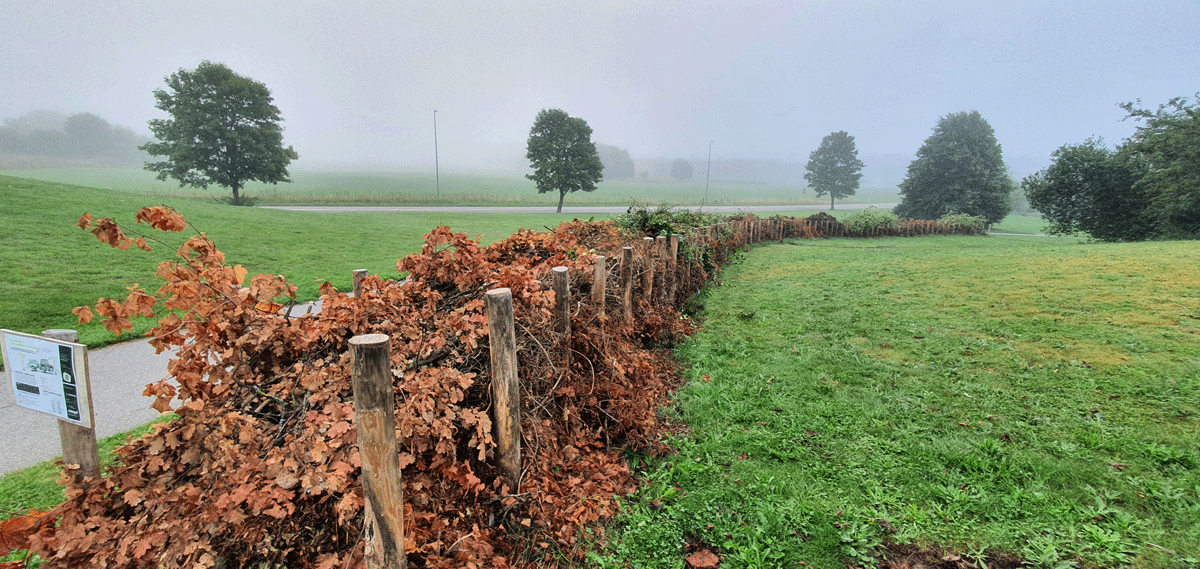
Figure 6.22 Nature-based solutions in Norway – twig fencing
More Nature – Less Waste is a Danish element of the Nordic Council of Ministers’ programme on nature-based solutions. They construct twig fencing in partnership with local schools and have so far built more than 2.5 kilometres of fencing. In order to create twig fencing, two rows of poles are knocked into the ground and twigs and other garden residues are used to fill the space between. This creates biotopes for insects and small animals and reduces the amount of garden waste that is otherwise transported and turned into compost by waste management companies. Blackbirds, wrens, shrews, bumblebees, millipedes, spiders and beetles, hedgehogs and lizards live in the fences. The aim is to prevent waste, reduce greenhouse gas emissions and improve biodiversity in urban areas.
Photo: Rikke Edberg/renosyd
Good soil health and good topsoil are essential for sustainable food production and other soil functions such as the circulation of water and nutrients, filtration, erosion control and carbon storage. Much of the topsoil in Norway is in good condition compared with the situation in many other parts of the world. Nevertheless, we do struggle with some soil being in poor condition, primarily as a result of unilateral operations in grain areas, which leads to impaired organic matter, soil structure and loss of biodiversity. The problem is associated with the fact that Norway operates with geographical distribution of production and grain and food plants are primarily grown in the areas where the conditions are most favourable, while livestock farming primarily takes place in areas that are less suitable for food crops. In order for the distribution of production to work well going forward, we need to find better answers to the challenges it entails. Appropriate use of outfield pasture, manure, catch crops and stubble fields over winter are examples of measures that contribute to good soil health. The national environment programme for agriculture, effective from 2023, introduced grants for farming systems that help improve soil health and various soil functions. NIBIO has initiated a monitoring programme for soil in forests and pastures. Norway participates in the Horizon Europe social mission on soil health and food, which aims to develop knowledge, practices and policies for soil. In 2023, the European Commission presented a proposal for a Directive on Soil Monitoring and Resilience. The proposed directive is a follow-up to the EU Green Deal and the EU Soil Strategy, which will ensure that all European soil achieves good health by 2050. When the definite draft proposal becomes available, the authorities will carry out independent assessments as to the relevance to the EEA and consequences for Norway.
Outdoor recreation is extremely popular among the population and an important source of good health and quality of life. Outdoor recreation is also a vibrant and important part of Norwegian cultural heritage and identity. One goal is to ensure that the threshold for participating in outdoor recreation is low and for a large proportion of the population to regularly participate in outdoor recreation. In order to achieve this, it will be crucial to ensure ease of access to attractive natural areas in close proximity to where people live, as well as the natural areas situated further afield. Clear guidelines in land use policies and guidance and skills development in local authorities will be important in ensuring that the natural areas of importance to outdoor recreation are conserved for the future. The mapping and valuation of outdoor recreation areas help local authorities to make good choices for outdoor recreation in land use policies. National parks and other conservation areas are often important areas for outdoor recreation and a number of outdoor recreation initiatives are funded through lottery profits. Furthermore, a number of areas have been protected for outdoor recreation through the Government scheme for outdoor recreation areas.
The Public Health Report reports that the Government will present a national quality of life strategy. The strategy will include targets to equalise social differences in quality of life and may provide a better overall measure of social development, reflecting the population’s perceptions of what is important for a good life. The work on the strategy will also look at the connections between access to nature and nearby outdoor recreation as the basis for good quality of life.
It is also possible to apply for grants to conserve carbon-rich areas through the green deal and grants for climate-adaptation projects that deal with knowledge of nature-based solutions.
Textbox 6.18 Nature-based solutions in Norway
Molaugmarka – from pasture to rich biotope
Through the use of nature-based solutions, the Municipality of Stavanger has solved challenges relating to agricultural land and restored it into diverse wetlands. Molaugmarka is situated near the extremely popular hiking area around Store Stokkavatnet and has been used both as fertilised pasture and hayfields. In its natural state, Molaugmarka was linked directly to Store Stokkavatnet and was probably a rich wetland biotope. For agricultural reasons, the land was trenched and drained, but in recent years these have collapsed, and a boggy seasonally submerged area has been allowed to develop. The local authority conducted a feasibility study on restoration measures in the catchment area and Molaugmarka stood out as a strong candidate for the development of a rich and varied wetland habitat.
The aim of the project was to restore or improve the biodiversity in the area. This would be achieved by creating a varied habitat along a moisture gradient that facilitates a large number of insect, bird, amphibian and plant species. The restoration will also contribute ecosystem services such as improved water quality, reduced flood risk and greater recreational value. Molaugmarka is now a seven-decare wetland area that alternates between dry meadows and gradually wetter areas divided by large, open water planes. A total of 35 endemic and local species have been planted in addition to the relocation of species within the area. The project was completed in the autumn of 2023 and in the coming years, Molaugmarka will be left to develop naturally into an independent wetland system that will provide a rich biotope for flora and fauna to the joy of the people of Stavanger.
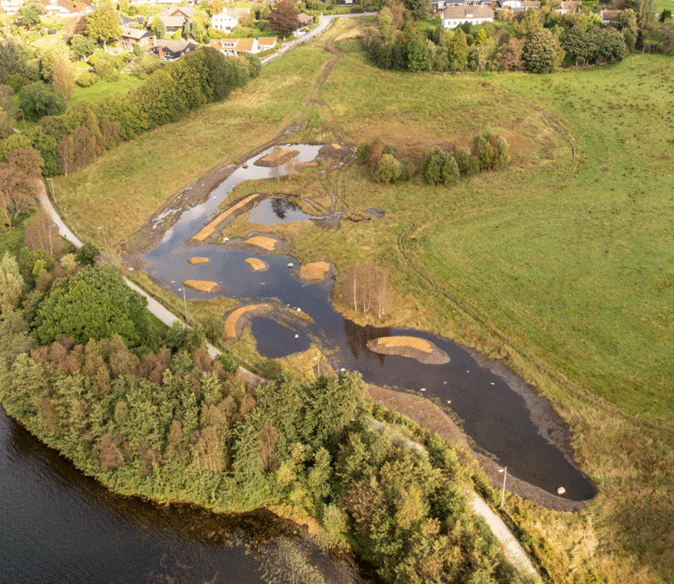
Figure 6.23 Molaugmarka – Municipality of Stavanger
Photo: Maps and digital services, Municipality of Stavanger
The Government will:
Nationally:
-
follow up on the new national targets for water and health through measures within the water and wastewater area
-
follow up on the action plan for wild pollinating insects
-
advance the implementation of nature-based solutions to improve ecosystem functions and services
6.11.4 National target
In order to ensure that ecosystems can continue to deliver ecosystem services, it will be necessary to facilitate integrated management of ecosystems (see more detailed discussion under target 14). This will require more systematic and comprehensive knowledge of the ecosystem services we get from nature and how these are affected by changes in land distribution and integrity. The nature accounts that are currently in development will be important in highlighting nature’s contributions to people and associated developments over time. Initial nature accounts in accordance with the UN system for nature accounts will be presented in 2026 and will, among other things, cover ecosystem services linked to the supply of crops and timber, pollination, environmental control and nature-based tourism. Against this background, the Government has established the following objective for target 11:
By 2030, ecosystem functions and services have been improved, and results are made available in Norway’s nature accounts.
6.12 Target 12 – Enhance Green Spaces and Urban Planning for Human Well-Being and Biodiversity
6.12.1 Global target
Significantly increase the area and quality, and connectivity of, access to, and benefits from green and blue spaces in urban and densely populated areas sustainably, by mainstreaming the conservation and sustainable use of biodiversity, and ensure biodiversity-inclusive urban planning, enhancing native biodiversity, ecological connectivity and integrity, and improving human health and well-being and connection to nature, and contributing to inclusive and sustainable urbanization and to the provision of ecosystem functions and services.
The target is linked to the UN Sustainable Development Goals, sub-goal 11.7 and 11.4.
6.12.2 Status in Norway
Green and blue areas discussed in the target are areas with vegetation, rivers and other freshwater bodies or coast, in or near urban areas, including green roofs and walls and other green structures. A more detailed discussion of nature in urban and suburban areas can be found in Chapter 3.2.8. Urban nature provides us with a number of different ecosystem services, see Figure 6.24. Both internationally and in Norway, most research has been conducted into the status and value of ecosystem services from urban ecosystems. There is limited knowledge of the extent and especially the integrity of biodiversity in urban ecosystems in Norway.
More than 80 per cent of the Norwegian population lives in urban and suburban areas. The ongoing trend of urbanisation, densification and climate change with more extreme weather, especially in the form of heatwaves and longer periods of drought, indicates that the pressure on green urban areas will increase. More than 70 per cent of the green structures in urban and suburban areas in the 1950s are now gone.42 According to figures from Statistics Norway, approximately six in every ten people from urban and suburban areas have safe access to small or large recreational areas.43 There are also differences in access to attractive green spaces in different urban areas. Large natural areas can be found outside construction zones, and these are becoming increasingly important to the growing urban population as a venue for recreation and outdoor activities. For Oslo and the surrounding municipalities, undeveloped land is protected under the act relating to natural reserves in Oslo and contiguous municipalities, as well as the Norwegian Planning and Building Act. The act relating to natural reserves in Oslo and contiguous municipalities was established to promote and facilitate outdoor recreation, nature experiences and sports. The act includes a general prohibition on construction and civil engineering activities, with the exception of construction and civil engineering activities relating to agriculture. The act allows for the establishment of paths and tracks and certain types of sporting facilities. The act relating to natural reserves in Oslo and contiguous municipalities ensures enhanced safeguarding of nature close to the city.
In recent years, a number of projects have been completed to reopen streams, establish green roofs and restore urban and suburban nature. Many new green spaces and continuous green structures have been developed in urban and suburban areas, and these helps maintain the breadth of the various effects this can have.
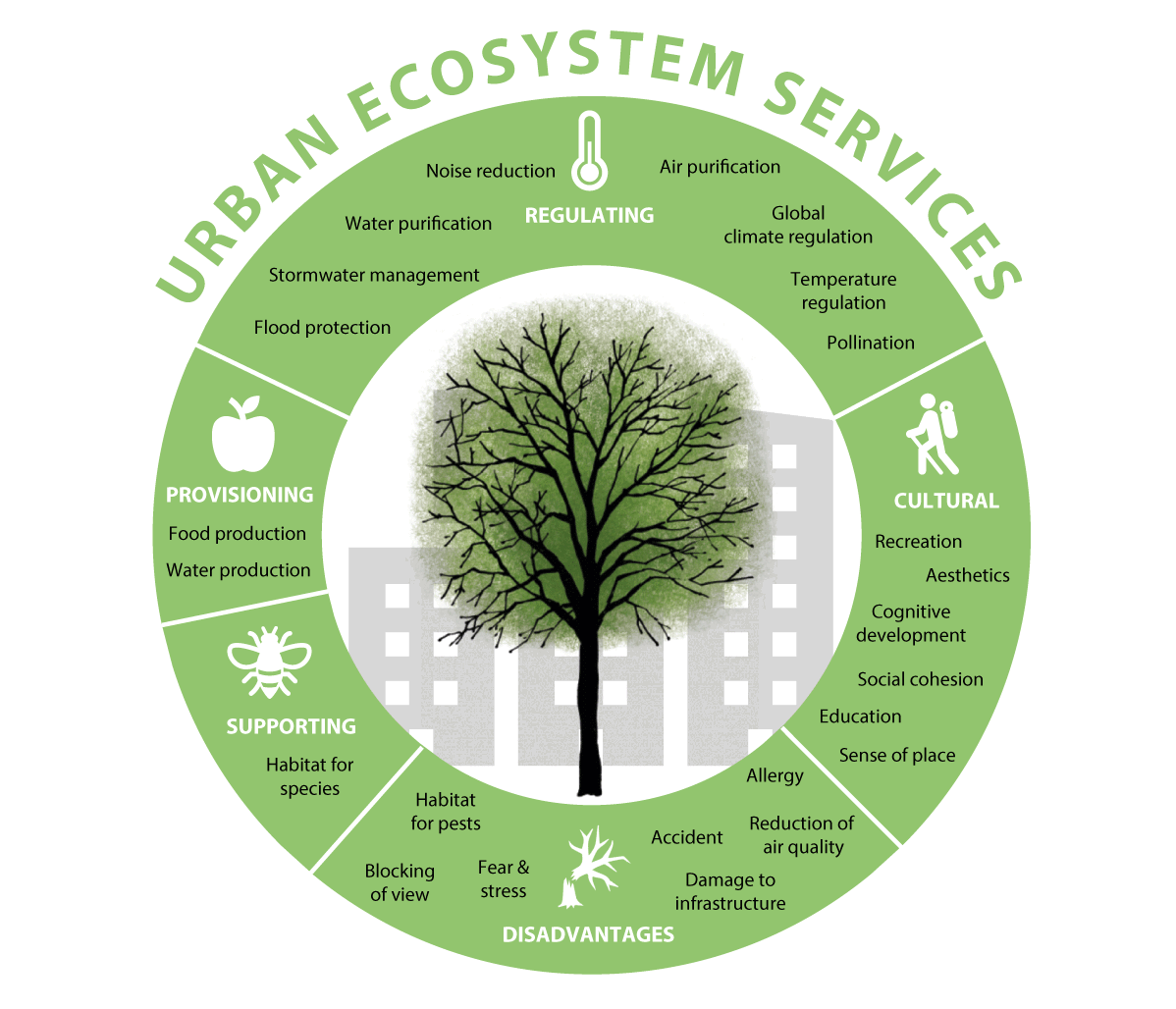
Figure 6.24 Urban ecosystem services
Urban ecosystems provide a wide range of services.
Source: Gómez-Baggethun and Barton (2013)
6.12.3 Measures and instruments to contribute to the target
Urban and suburban nature has a number of positive effects on human health and quality of life and forms an important basis for eco-friendly transport, as it can provide people with the opportunity to move around by foot or bicycle without any direct contact with vehicle traffic. Furthermore, such green and blue areas also provide key biotopes for species, link biotopes together, supply ecosystem services and are important to the local climate while also alleviating extreme events such as heatwaves and heavy rainfall resulting in surface water. As an example, spaces in Oslo with urban trees were up to 10 degrees cooler during the heatwave in summer 2018 than areas with asphalt. Green structures in urban and suburban areas in Norway provide important biotopes for pollinating insects.44
Overall, the planning authorities and environmental management have a number of instruments to increase the area, quality and links between natural areas and other blue-green infrastructure in urban and suburban areas. Nevertheless, this does require conscious use of available instruments.
The Norwegian Planning and Building Act is the local authorities’ most important instrument in safeguarding and restoring natural urban and suburban areas. Several of the measures and instruments discussed under target 1 will therefore also be relevant here. The National expectations for regional and local planning 2023–2027 show, among other things, that the Government expects sufficient land of good quality to be set aside for green structures, outdoor spaces and venues that stimulate physical activity, nature experiences and social community, while urban and suburban areas develop through densification and transformation.
Land is a scarce resource in urban areas. Proper coordination in spatial and transport planning is crucial in developing attractive urban areas with good mobility and accessibility and to reduce environmental issues and greenhouse gas emissions. The urban growth agreements constitute a well-established form of collaboration for which the different instruments are viewed in context across management levels and sectors. The overall target for the agreements is zero growth in vehicular passenger traffic. Efficient land use, long-term investment in public transport, cycling and walking and restrictive measures on vehicle traffic are crucial in achieving the target. People must be able to live close to their day-to-day activities and public transport hubs and it must be simple, safe and efficient to choose public transport, cycling and walking ahead of the car. Such developments can contribute to improved utilisation of the capacity of the existing transport systems, which could reduce the need to develop space-intensive road infrastructure.
In the proposal for new government planning guidelines for land use and mobility, which was sent for consultation in spring 2024, it clearly states that planning must contribute to reducing greenhouse gas emissions, safeguarding cultural environments and preventing the loss of cultivated land, natural, wild reindeer and outdoor recreation areas and carbon-rich areas due to development projects. A general principle is also raised under which development projects should take place through densification and transformation of existing grey areas. In this way, we will be able to create good quality urban and suburban areas while also preserving natural land. Guidelines for regions with larger urban areas have also been proposed and state that attractive outdoor spaces, access to green structures and natural land must be emphasised in connection with densification.
In the land element of the master plan, land can be set aside for green structures, agricultural, natural, recreational and reindeer husbandry land, the preservation of water systems and beach zones, landscapes, nature and cultural environments. Zones requiring special consideration, land use purposes, provisions and guidelines should be used to ensure an adequate level of zoning details for the purpose. Local authorities may establish land neutrality targets, see more under target 1 and ecological compensation as part of the community element of the master plan. In order to ensure cohesive blue-green structures, separate thematic plans or municipal sector plans can be drawn up for green structures in urban and suburban areas. This will provide an important basis for the work on the land element of the master plan, as well as zoning plans, which are often drawn up by private sector proposers. Such thematic or municipal sector plans can also provide the basis for assessing whether previously adopted zoning plans should be amended to safeguard biodiversity and green structure considerations, for restoring green structures that have been lost and looking at the possibilities of establishing more nature-based solutions (see more about nature-based solutions under target 8). In this context, the Norwegian Ministry of Climate and Environment’s two grant schemes «Natursats» and restoration measures for local authorities, organisations and private initiators will be of particular importance. These schemes are discussed in further detail under target 1 and target 2 respectively.
Textbox 6.19 Green plan for Stavanger
The thematic Green Plan is an overarching strategic plan for green structures, biodiversity and outdoor recreation in the Municipality of Stavanger. Part 1 of the Green Plan was a sub-project of the master plan revision and has resulted in key input for land use purposes, zones requiring special consideration, provisions and guidelines. Important themes and planning measures from the Green Plan are therefore legally binding. Elements that are not included in the land element of the master plan will, together with part 2 of the Green Plan with specific strategies, principles, actions and measures, become a separate specialist thematic plan.
The main objective of the Green Plan clarifies the importance of safeguarding green structures for people, biodiversity and as a contribution towards climate adaptation.
The Green Plan sets out, for example, that everyone who lives in urban areas should be a maximum of 300 metres away from the closest green space (the requirement was previously 500 metres). For Trehusbyen, it has been proposed that all trees with a trunk circumference greater than 90 cm be protected against felling. Several provisions have also been incorporated to safeguard existing and new trees through zoning plans, including those oaks with a trunk circumference of at least 200 cm at chest height or hollow oaks with a trunk circumference of at least 95 cm, free-standing or in forests, must be conserved through management and measures. Another important step in the plan is to ensure land neutrality for natural assets. This means that the local authority must slow down or stop new interventions in nature, as well as restoring or reversing natural land so that the overall natural assets can be preserved. The Municipality of Stavanger should therefore not consume more nature (in the form of development projects and reallocation) than it is capable of recreating.
Source: Municipality of Stavanger (2024).
Textbox 6.20 Conservation of urban fringe nature
Østmarka was protected as a national park by the Government in 2023. The Østmarka outdoor recreation area was also protected to the west and north of the national park at the same time. These areas were protected to preserve nature itself and to ensure that future populations will have access to more intact nature for recreation, outdoor and physical activities. Østmarka National Park is the national park situated closest to an urban area in Norway. There is quick and climate-friendly access from greater Oslo by bus or metro. The luckiest people live nearby and can easily reach the national park by bicycle or by walking or skiing.
For the first time, the conservation regulations for the national park state that the purpose of the national park is also to preserve nature that forms the basis for people’s culture, health and well-being, now and in the future. This includes both sports and outdoor recreation. The conservation regulations allow for the majority of sporting and outdoor recreation activities to continue as before in Østmarka National Park, without applying for permission. At the same time, the national park is large enough for those who seek to enjoy peace and quiet away from the city to be able to find places they can thrive.
The two conservation areas primarily consist of forests, a unique woodland landscape with varied topography and elements of bogs, lakes and water systems, as well as numerous cultural heritage elements.
The Norwegian Environment Agency has prepared dedicated guidance on urban and suburban green structures in spatial planning. Furthermore, the Norwegian Ministry of Local Government and Regional Development has also drawn up the guidance Urban spaces – a concept manual: How to develop urban spaces in urban and suburban areas, including guidance on how to plan high-quality urban nature and urban spaces. These guidance documents provide an important basis for the work on master plans and private zoning proposals. The county commissioners and regional authorities are also expected to emphasise the value of green areas and biodiversity in urban and suburban areas in their guidance and will be conscious of this in the consideration of regional and local master plans.
Urban agriculture can increase the occurrence of green elements, create corridors and correlations that will be positive to existing biodiversity in urban ecosystems and encourage pollinators and other insects. Through proper spatial planning, it will be possible to establish and retain more species-diverse and varied environments with a combination of useful plants and endemic, wild plants. At the same time, it is important to ensure that urban agriculture does not suppress natural vegetation and endemic species that live in urban and suburban areas. As a follow-up to Cultivating urban and suburban areas – national strategy for urban agriculture, guidance has been drawn up for cultivation on land that is open to the general public45 and for school gardens.46 Guidance for urban agriculture in spatial planning is also in development. There is potential to establish more flower meadows, pollinator strips and other measures in order to encourage more pollinators in urban areas. Grassland between buildings, ditch edges and other «junk areas» or residual areas can be used for this purpose.
Knowledge of biodiverse areas is necessary in order to take into account green and blue areas and the correlation between these in urban and suburban areas. The Norwegian Environment Agency has established a development project in follow-up to the White paper Nature for Life, in which green infrastructure for a selection of species and species groups is modelled with the aim of ensuring that the knowledge platform can be used in general spatial planning, see more in box 6.21. NIBIO has mapped information about agricultural land that is no longer in use and is developing a green structure map that will be used to show e.g. greenhouse gas emissions, carbon storage in the area, development projects, outdoor recreation zones and green corridors, heat regulation, surface water and flood paths and biodiversity. The Geogrowth Forum has decided to establish a new national dataset in the official map data (DOK) that will show the green structure in developed areas. Such a dataset will help local authorities, other public agencies and developers to obtain adequate information about green spaces in developed areas.
Textbox 6.21 Green infrastructure – important networks for biodiversity
Species and ecosystems face pressure from land use changes and climate change. Isolated ecosystems and populations of species will become more vulnerable to negative impacts than those that are part of a network of ecosystems that allow for relocation and adaptation to change. Such networks, which ensure connectivity/continuity between different biotopes and ecosystems, are often referred to as green infrastructure. Green infrastructure includes areas on land, in water, water systems and the sea and is also known as «blue-green infrastructure».
Green infrastructure is defined as «land and landscape elements of special importance to the reproduction, growth and relocation of species and their long-term survival or as key areas for essential ecological processes».1
Green infrastructure can consist of green and blue areas in urban and suburban areas that are of importance to urban biodiversity, as well as areas outside urban and suburban areas that are of importance to individual species or one or more species groups. Green infrastructure may include what we refer to as urban and suburban green structures, biotopes, ecological function areas for species, larger continuous natural areas, conservation areas and intact corridors between these.
Not only is green infrastructure valuable in terms of biodiversity, but it can also provide important areas for outdoor recreation and people’s adaptation to climate change, including the management of surface water in urban and suburban areas.
There are several ongoing projects which aim to raise knowledge of green infrastructure. The Norwegian Environment Agency has established a development project in follow-up to the White paper Nature for Life, in which green infrastructure for a selection of species and species groups is modelled with the aim of ensuring that the knowledge platform can be used in general spatial planning. The method that is used to model green infrastructure has been developed by the Norwegian Institute for Nature Research (NINA) and the same approach is used in the NINA GreenPlan project. Together with other representatives from public administration, the Norwegian Environment Agency participates in GreenPlan, which aims to contribute to more sustainable land management by developing maps on green infrastructure for different species groups and integrating this into associated data tools2 for use in land management.
Knowledge of green infrastructure can help safeguard key areas for biodiversity in land management and could also identify areas in which increased efforts should be made to conserve or restore key ecological function areas and ecosystems.
Figure 6.25 The bumblebee’s need for green infrastructure
Different species have different requirements when it comes to green infrastructure. Knowledge of the species’ requirements for green infrastructure is crucial in being able to safeguard such areas in land planning.
Source: Naturvärdsverket (2021). Illustration: Kjell Ström.
1 Based on the discussion of green infrastructure in Report to the Storting no. 14 (2015–2016) Nature for Life – Norwegian Biodiversity Action Plan.
2 NINA (undated).
In certain urban areas with concentrated living condition challenges, the Government and local authorities have entered into long-term, contractual collaborations on area initiatives. Area initiatives are instruments to make additional efforts for service development and to improve the quality of the local environment in areas that are vulnerable to living condition challenges. Most area initiatives focus on the development and facilitation of green spaces to develop well-maintained local environments that encourage nature experiences, physical activity and, not least, social community. Through the Government’s scheme to secure outdoor recreation zones, between 20 and 30 nature and outdoor recreation zones are protected against development projects and other degradation each year. A number of parks and other important green spaces in urban areas have been perpetually protected and established through this scheme. As noted in the White paper no. 15 (2022–2023) The Public Health Report, the Government will continue its investment in developing green spaces in close proximity to residential areas in its area initiatives and prioritise green spaces in urban and suburban areas through the initiative to protect outdoor recreation zones.
In the Public Health Report, the Government also notes that many children now only gain experience of nature and outdoor recreation through daycare facilities and school. The report therefore states that outdoor spaces at daycare facilities should facilitate contact with nature through high levels of trees, bushes and green spaces and that the Government will ensure that such considerations can be taken into account at an early stage of the planning processes. In 2023, the Norwegian Ministry of Health and Social Care laid down new regulations on the environment and health at daycare facilities, schools and before-and-after-school clubs, which includes requirements relating to outdoor areas.
In order to prevent the displacement of native species, endemic species should be extensively used in green spaces in urban and suburban areas. It would only take relatively simple steps to improve the natural integrity of a lot of land along roads and adjacent to industry and other infrastructure, creating biotopes for more endemic species than is the case today. Many common areas consist of green lawns with one or two species of grass and bushes with species that have been taken from other parts of the world. These could accommodate more meadow plants, which in turn could provide biotopes for insects, trees and birds, with endemic species being prioritised. Private garden owners can also contribute by providing space for endemic meadow species, trees and bushes, planting pollinator-friendly plants and removing invasive alien species. Green roofs, provided these are established without invasive alien species, will increase biodiversity in urban areas by creating additional habitats for fauna and flora. Green roofs retain, delay and reduce surface water run-off more than regular roofs. Green roofs and walls can improve air quality in urban areas by capturing suspended dust and absorbing air pollution. The greatest effect is achieved in combination with street trees. The Norwegian Environment Agency’s guidance for the planning of green structures in urban and suburban areas also includes guidance linked to endemic species and the plants to avoid. Green roofs can also combine biodiversity, food production and outdoor activities, further increasing public utility.
In 2013, the Norwegian Environment Agency developed methodology to map and evaluate outdoor recreation zones and has delivered an initiative with the aim of all local authorities mapping and evaluating outdoor recreation zones. Most local authorities have done so, which has resulted in significantly improved knowledge of outdoor recreation zones and their use. The Norwegian Environment Agency is now working on a methodology to revise the existing mapping and evaluation of outdoor recreation zones. The Norwegian Environment Agency is also working on methodology for regional mapping and evaluation of outdoor recreation zones, in which different outdoor recreation zones will be considered from a regional perspective.
The Government will
Nationally:
-
update the guidance relating to the planning of blue-green infrastructure to take biodiversity into account in development zones
-
develop knowledge and guidance on improved utilisation of developed areas through densification and transformation
-
implement a national strategy for urban agriculture
6.12.4 National target
Spatial and urban planning that includes biodiversity and creates space for nature in densely populated areas will help safeguard nature, improve health and quality of life for residents and reduce the environmental footprint from urban areas. Against this background, the Government has established the following objective for target 12:
By 2030, the area and quality, and connectivity of blue and green spaces and other green infrastructure in urban and densely populated areas are increased, while prioritizing native species.
6.13 Target 13 – Increase the Sharing of Benefits from Genetic Resources, Digital Sequence Information and Traditional Knowledge
6.13.1 Global target
Take effective legal, policy, administrative and capacity-building measures at all levels, as appropriate, to ensure the fair and equitable sharing of benefits that arise from the utilization of genetic resources and from digital sequence information on genetic resources, as well as traditional knowledge associated with genetic resources, and facilitating appropriate access to genetic resources, and by 2030, facilitating a significant increase of the benefits shared, in accordance with applicable international access and benefit-sharing instruments.
The target is linked to the UN Sustainable Development Goals, sub-goal 15.6.
6.13.2 Status in Norway
In Norway, the utilisation of genetic resources is governed by the Marine Resources Act and the Nature Diversity Act, as well as two associated regulations: one concerning the use of genetic material originating from other countries and one on the protection of traditional knowledge related to such material. Section 58 of the Nature Diversity Act allows for requiring permits for the collection of biological material from Norwegian nature when the purpose is to exploit its genetic properties. Similar provisions are found in the Marine Resources Act (Sections 9 and 10). The purpose of requiring permits is to enable a mandatory system for benefit-sharing. However, countries that have implemented bilateral permit systems have reported poor results as the administrative costs often exceed the returns. International developments are therefore moving toward multilateral systems for benefit-sharing, as reflected in the Nagoya protocol and ongoing negotiations on Digital Sequence Information (DSI). Future efforts should focus on enforcing other countries’ rules under the Nagoya Protocol and supporting multilateral benefit-sharing systems for both physical genetic resources and DSI.
In Norway, the collection of genetic resources for public collections or for use and breeding in agriculture and forestry does not require a permit. One of the goals is to ensure access to Norwegian genetic resources for food and agriculture in line with international and national standards. Norwegian material stored in the Nordic Gene Bank in Alnarp is available under the terms of the Standard Material Transfer Agreement of the International Treaty on Plant Genetic Resources for Food and Agriculture (the Plant Treaty), which governs access and benefit-sharing through a multilateral system. Material in national clone banks is, in theory, also available under the same terms, although this is not always the case in practice.
Norway has made significant progress in implementing legal, institutional, and educational measures in the field of genetic resources. The country also contributes to international negotiations on DSI. Although DSI is not yet regulated under Norwegian law, negotiations are ongoing under the Convention on Biological Diversity to establish a multilateral mechanism and fund for benefit-sharing. The BBNJ Agreement (on marine biodiversity in areas beyond national jurisdiction), which Norway has signed, also includes provisions on DSI. These will need to be incorporated into Norwegian law when the Storting considers ratification. In parallel, negotiations are ongoing under the Plant Treaty to improve its multilateral system for access and benefit-sharing, which will also require national follow-up once concluded.
6.13.3 Measures and instruments to contribute to the target
The Norwegian Environment Agency is the national contact for the Nagoya protocol and is responsible for implementing the regulations concerning the use of genetic material originating from other countries. The agency also reports relevant information to the international database on the import of genetic material into Norway. Both the Patent Act and the Plant Breeding Act include requirements for disclosing information about genetic material used in new inventions or species. These requirements help ensure consistency between intellectual property rights and, access and benefit-sharing provisions.
The Ministry of Agriculture and Food serves as Norway’s national contact point for the International Treaty on Plant Genetic Resources for Food and Agriculture (the Plant Treaty). The National Action Plan for the Conservation and Sustainable Use of Genetic Resources for Food and Agriculture (2024–2028) outlines a reorganisation of national conservation efforts, including the establishment of national clone banks for different groups of cultivated plants. A key responsibility of these clone banks will be to ensure access to genetic material in accordance with the Norwegian Food Safety Authority’s requirements and the Plant Treaty’s Standard Material Transfer Agreement (SMTA). The Nordic countries have established a joint Nordic gene bank that is managed by the Nordic Genetic Resource Centre (NordGen). Access to the material is granted in accordance with international obligations and SMTA is used for access to all material, including materials that are not classified as annex 1 materials. In 2003, the Nordic countries agreed on the principles that would apply for access to material in the Nordic gene bank, as reflected by the Kalmar II Declaration on Access and Rights to Genetic Resources.47 The declaration was updated in 2023 to take into account international developments, including DSI. The Government recognises that all seeds in the gene bank, except for security backup collections stored by NordGen on behalf of other gene banks, are subject to joint Nordic management and are publicly available.
Textbox 6.22 Annual contribution to the Treaty on Plant Genetic Resources for Food and Agriculture’s fund for benefit-sharing
The FAO Treaty on Plant Genetic Resources for Food and Agriculture has established an international system for access to genetic resources from key food plants to ensure continuous improvement of new species. The benefit-sharing fund is the mechanism for the fair sharing of monetary gains created through the commercialisation of genetic resources. The fund allocates funding for projects and measures that ensure the conservation and sustainable use of plant genetic resources among farmers in developing countries. The goal is to ensure that farmers in developing countries have access to climate-adapted seed that provides farmers with revenue and adequate nutrition for the family. The fund’s fifth project round is currently under way.
In connection with the launch of the Global Seed Vault on Svalbard in February 2008, Norway announced that it will make an annual contribution corresponding to 0.1 per cent of Norwegian seed revenue to the benefit-sharing fund. This was done in recognition of the fact that it is not sufficient to freeze the diversity of seeds in gene banks in order to preserve plant genetic diversity. There is also a need to ensure active use of seed diversity on the part of farmers. Furthermore, Norwegian food production is also dependent on genetic resources from other countries. Seed revenue is therefore used as the basis for calculating the annual contribution, which has been disbursed every year since 2009. Norway has therefore contributed to voluntary, user-based benefit-sharing for more than fifteen years.
The Country Governor contributes to the work on genetic resources for food and agriculture and the conservation of wild relatives of cultivated plants and forest trees for food and agriculture, including through management plans in relevant protected areas.
Norway has the necessary regulatory and organisational instruments in place to contribute to the achievement of the global target. Efforts related to the conservation and sustainable use of Genetic resources must be interlinked. Educational instruments, especially those aimed at stakeholders within trade and industry and research institutions, could be better utilised going forward to ensure positive effects from existing instruments.
Textbox 6.23 Digital sequence information
There is no universally agreed definition of digital sequence information (DSI). In a narrow sense, DSI refers to information in databases about hereditary material (genetic material). A broader understanding may also include information about biological material, as all biological material contains genetic material and genetic variations.
Much of the richest biological diversity and the genetic resources associated with it are found in developing countries, and these countries own the natural resources. However, the genetic information found in nature is not considered national property in most countries. The information holds significant value, both economically and scientifically, as it is used in research and the development of everything from vaccines and medicines to genetically modified plants, climate adaptation of crops, and species identification.
Open access to information is key to research, innovation, public health, the environment and food security. This is an important topic in the KMGBF. Digital Sequence Information is treated under global goal A, C, as well as a separate COP-decision on DSI, that was adopted at COP 15 along with the decision on the KMGBF. In this decision, parties decided to establish a global multilateral mechanism for benefit-sharing from the use of DSI from genetic resources and a fund. These topics are closely linked to the agenda items on Resource mobilization, as the outcome can entail user payments for this type of information.
Digital sequence information for various organisms in nature and associated, but not standardised, metadata, is public and openly available through databases and can be used by all. In line with the rapid technological developments in digitalisation and mapping of genetics, the gene sequences of plants, animals, fungi and microorganisms are increasingly uploaded to public databases. At the same time, there are limited requirements on the reporting of metadata (such as the country of origin) and standards for such public databases, see Figure 6.26. The information originates from all countries globally. Accordingly, it is technically difficult to track where information about the gene sequences in nature that has been used in different projects and product development originates from and whether permission to use the information has been obtained from the country of origin.
An isolated sequence makes little sense. It is only when there are extensive collections of datasets that these can be used to identify species and genes, compare and innovate, as well as generate value. A dataset containing DSI may include millions of sequences originating from different countries. Some countries believe that developments in the sharing and use of digital sequence information mean that they lose control and overview of their respective resources. They want an effective way to ensure that a proportion of the benefits resulting from the use of the information about their biodiversity accrues to them, even if the natural assets are digital.
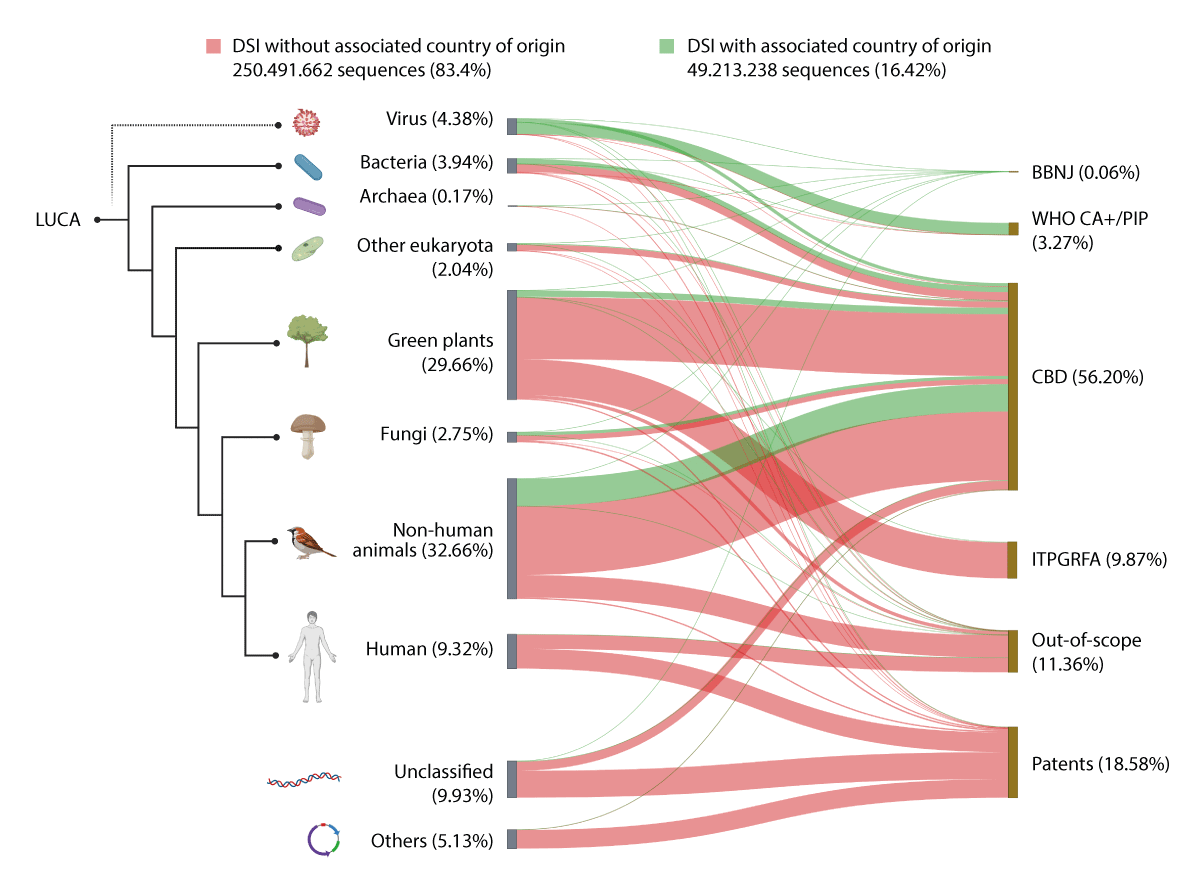
Figure 6.26 Digital sequence information with and without country of origin
Source: WiLDSI Data Portal
Wealthier countries have had the greatest commercial benefits from genetic resources and one of the main objectives of the Convention on Biological Diversity is therefore to ensure that the benefits from the use of genetic resources should be shared fairly. There has been inadequate benefit-sharing, and this could have unfortunate impacts on global distribution. This development could accelerate further due to rapid technological developments, with genetic resources being sequenced and synthesised for the purpose of commercialisation.
At the 15th Conference of the parties under the CBD, it was agreed that a multilateral mechanism for benefit-sharing from the use of digital sequence information and a fund would be established. Work on this will be ongoing until the 16th Conference of the Parties in 2024. When the negotiation process is complete, measures and instruments to implement the outcome of the negotiations in Norway must be considered.
The Government will:
Nationally:
-
increase awareness among stakeholders that use international genetic resources about the international rules on access and benefit-sharing
-
follow up the Nordic declaration on access and rights to genetic resources, the Kalmar II Declaration
-
implement the national action plan for genetic resources for food and agriculture
Internationally:
-
Aim to increase global benefit-sharing from genetic resources and digital sequence information
-
Aim for an outcome in DSI negotiations that will ensure open access to information and, through user payments, contribute to capacity-building and the finance mechanisms for conservation and sustainable use
-
continue making annual contributions to the fund for benefit-sharing under the international treaty on plant genetic resources for food and agriculture
6.13.4 National target
Norway will follow up on its commitment to an international negotiation solution for digital sequence information. When it comes to genetic resources, the Government believes that Norway is well-positioned to contribute to the achievement of the target within existing regulatory, organisational and educational instruments. Against this background, the Government has established the following objective for target 13:
Contribute to the fair and equitable sharing of benefits that arise from the utilization of genetic resources and from digital sequence information on genetic resources by: facilitating access to national genetic resources in accordance with applicable international access and benefit-sharing instruments; encourage Norwegian stakeholders to utilize genetic resources from other countries in line with their access and benefit-sharing regulations; raise awareness in business and academia on access and benefit sharing; and participate in international cooperation on access and benefit sharing, including the process of developing the multilateral mechanism for benefit sharing from the use of digital sequence information on genetic resources.
6.14 Target 14 – Integrate Biodiversity in Decision-Making at Every Level
6.14.1 Global target
Ensure the full integration of biodiversity and its multiple values into policies, regulations, planning and development processes, poverty eradication strategies, strategic environmental assessments, environmental impact assessments and, as appropriate, national accounting, within and across all levels of government and across all sectors, in particular those with significant impacts on biodiversity, progressively aligning all relevant public and private activities, and fiscal and financial flows with the goals and targets of this framework.
The target is linked to the UN Sustainable Development Goals, sub-goal 15.9.
6.14.2 Current status in Norway
Norway has established schemes and regulations aimed at integrating biodiversity considerations into various processes. The most important of these include the Nature Diversity Act and the regulations on environmental assessments for which the legal basis is the Planning and Building Act. The investigation instructions apply to the preparation of decision-making data for government initiatives performed in or on behalf of public administration bodies.48 A number of sectoral laws impose requirements to take biodiversity considerations into account, such as the Offshore Energy Act, the Marine Resources Act and the Forestry Act.
Textbox 6.24 Key cross-sectoral regulations to safeguard biodiversity considerations
Pursuant to Section 7 of the Nature Diversity Act, the principles set out in Sections 8 to 12 of the act shall be used as guidelines when exercising public authority. These principles relate to the knowledge base (Section 8), the precautionary principle (Section 9), the ecosystem approach and cumulative environmental effects (Section 10), user-pays pays (Section 11) and environmentally sound techniques and methods of operation (Section 12).
The environmental assessment system in the Planning and Building Act and regulations on environmental assessments mean that the impact of the plans and measures covered by the system (spatial plans under the Planning and Building Act and plans and measures under other regulations) must be assessed. Such assessments must include the assessment of the impacts that the plan or measure could have on the environment or society, including biodiversity. The regulations also provide for affected stakeholders and the general public participating through consultation processes on planning proposals or applications with environmental assessments or proposed planning or investigation programmes. The Norwegian Environment Agency has developed methods and guidance for environmental assessments relating to various climate and environmental themes. Decisions that do not require environmental assessments should, for environmental reasons, describe the justification in line with the requirements set down in decision-making rules such as the Public Administration Act, Section 4-2(1) of the Planning and Building Act and Chapter II of the Nature Diversity Act.
The instructions for the preparation of central government measures (official studies) aim to form an adequate basis for decisions relating to government measures by identifying alternative measures, investigating and assessing the impact of relevant measures, involving those affected by the measure and coordinating affected authorities. The impacts for anyone affected by the measure must be described and assessed, including impacts such as the loss of natural areas and reduced pollution, cf. question 4 in Section 2-1 of the instructions. The Norwegian Agency for Public and Financial Management (DFØ)’s guidance on the Instructions for Official Studies also touches on possible additional criteria to assess whether the investigation should be more thorough and comprehensive. This applies, for example, to the degree of uncertainty relating to future impacts and the degree of irreversibility. Any distributional effects, questions of principle, different degrees of target attainment and/or target conflicts raised by the measure must be investigated and highlighted to decision-makers as part of a comprehensive decision-making basis. In the event that such factors could be of crucial importance and constitute an argument against a potential measure or if it is difficult to assess and consider other impacts, more cautious recommendations could be made, or no professional recommendation could be made at all.
The Norwegian Ministry of Finance set the rules for socioeconomic analyses of government measures through Circular R-109. The framework for socioeconomic analyses facilitates the consideration of biodiversity impacts in the assessment of public measures. R-109 is more generalised. DFØ has developed guidance on socioeconomic analysis, which provides detailed recommendations and methodological advice and there are also a number of sectoral guidance documents that provide guidance for different sectors.
The Government’s project model applies to government investment projects with an estimated cost limit exceeding NOK 300 million for digitalisation projects and NOK 1 billion for other projects. Circular R-108/23 describes the model and specifies and establishes requirements for the investigation, planning and quality assurance of projects. The requirements are in line with the Instructions for Official Studies and the finance regulations and include, among other things, socioeconomic analyses.
Nevertheless, the extent to which biodiversity and its values are assessed and taken into account in different decision-making processes varies. According to the Nature Risk Commission49, there are several investigations that indicate that the Nature Diversity Act and Planning and Building Act (with associated guidelines) do not adequately ensure that emphasis is placed on biodiversity considerations. The committee notes that the evaluation of the Planning and Building Act (EVAPLAN) from 2018 says, among other things, that biodiversity is not adequately safeguarded in local planning. EVAPLAN also indicates that the Planning and Building Act does not ensure that the overall impact on biodiversity is captured. The extent to which assessments of biodiversity values are emphasised in decisions varies. This depends both on where in the process assessments are carried out and the extent to which emphasis is placed on biodiversity considerations. In NOU 2024: 2, the Nature Risk Commission also notes that several reports indicate weaknesses in the relationship between central sector planning and more comprehensive and cross-sectoral planning, which assesses the different types of area use in context on land, in coastal zones and in marine areas. The committee references, for example, a study in which Menon Economics and Eco-fact AS50 reviewed the actual impact of major transport projects on biodiversity and the environment based on ten selected Norwegian projects. The study found critical gaps in how environmental impact is managed, that there are discrepancies between the assessments conducted in the project phase and the actual subsequent impacts of the project, as well as great variation in the actual impacts that are described and followed up on. It reveals, among other things, a lack of available information regarding environmental impacts, inconsistent monitoring of such impacts and a tendency for planned remedial measures to often not work in practice. Inadequate assessments of the total impact of land use changes constitute a challenge that means that decisions do not capture the overall impact on land use and biodiversity. Future impacts on biodiversity can also be uncertain, irreversible and may entail time delays, which, when combined, mean that the decision-making basis and decisions do not adequately integrate the combined impact and total impact. Another challenge within the municipal sector is a lack of capacity and expertise in planning and biodiversity to make good assessments.
The Oslo Fjord is an example of an ecosystem in which years of impact from e.g. wastewater discharge, loss of nutrients from agriculture and fishing have resulted in such a large, combined impact on the ecosystem that a previously vibrant and rich fjord now has significantly impaired integrity. See box 6.11 about the Oslo Fjord in Chapter 6.7.3.
As noted in Chapter 2.2, one of the key messages from the IPBES report from 2022 is that the causes of the global nature crisis and the possibility of addressing these are closely linked to the manner in which we value nature in political and economic decisions at all levels.51 According to IPBES, policies can be underpinned through a broader valuation in information processes, decision-making processes and policy design by including various types of knowledge from decision-makers and stakeholders, see Figure 6.27.
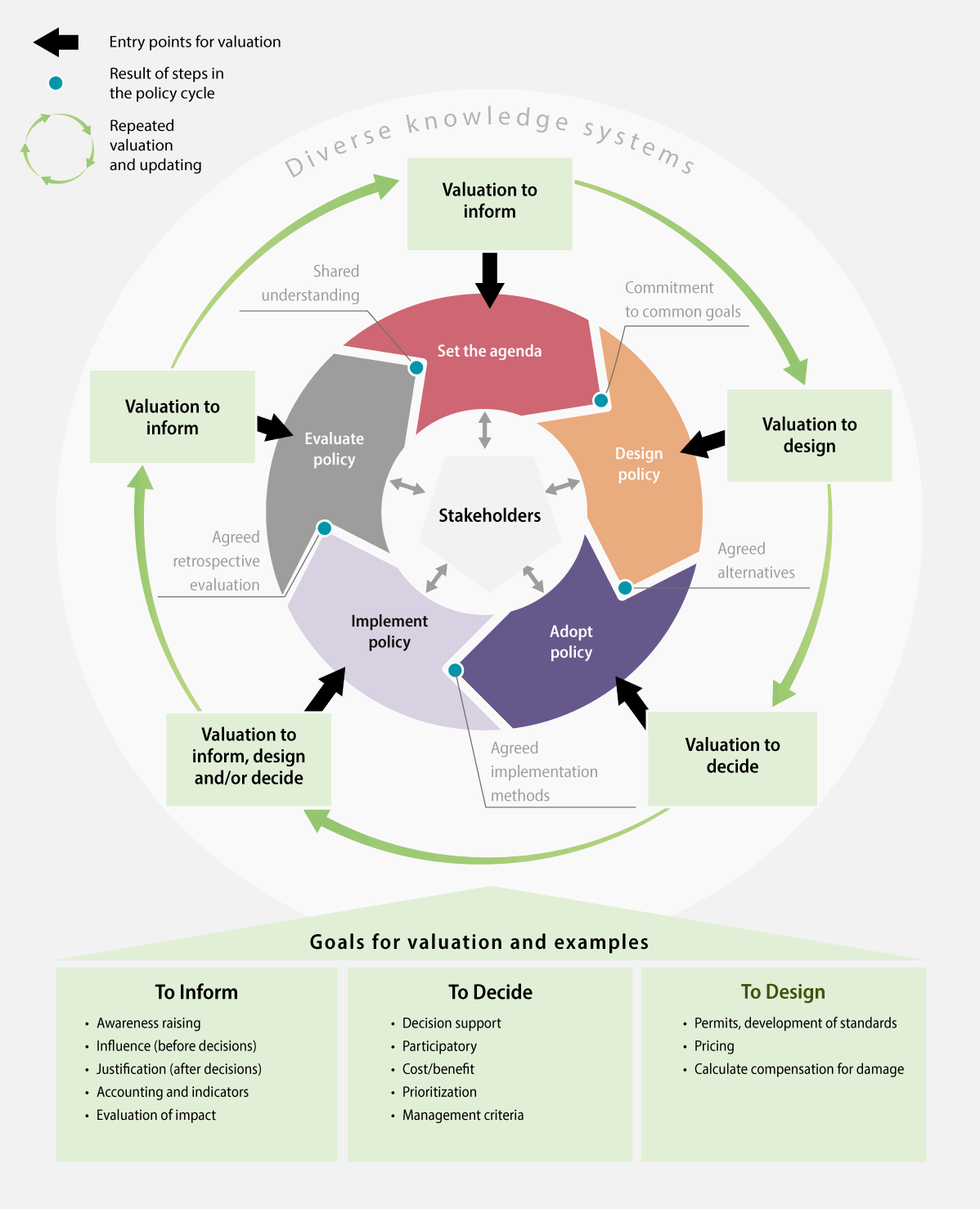
Figure 6.27 Valuation at different stages of a process
When biodiversity is integrated in decisions, it is important to ensure correct valuation in order to safeguard the values of all affected groups and stakeholders. A political cycle can be underpinned through broader valuation in information processes, decision-making processes and policy design by including various types of knowledge from decision-makers and stakeholders.
Source: IBPES (2022). Translated by NINA on behalf of the Norwegian Environment Agency, see NINA (2022).
As can be seen above, Norway also encounters challenges associated with the balancing of nature and its values against other societal considerations when making decisions that have an impact on biodiversity. This happens even when we have central and cross-sectoral regulations in place to help ensure that biodiversity considerations are safeguarded. Part of the challenge relates to how biodiversity considerations are safeguarded in individual decisions, as well as how biodiversity considerations are safeguarded through the sum of individual decisions. Each stakeholder has an independent responsibility to acquire knowledge relating to the environmental impacts of its own activities, to show due environmental consideration and to contribute to achieving the overarching targets set out in environmental policies. When biodiversity considerations are considered in isolation in individual sectors, it remains difficult to also take into account that the same nature is also used for a number of other purposes that also have an impact. This can lead to different impacts not being adequately assessed in context, making it more difficult to ensure that nature is used in a manner that, overall, is in the best interests of society.
Systems have been established for comprehensive, targeted and cyclical management of marine areas through the ocean management plans52 and for rivers and lakes and coastal waters through the water management plans53. A nature strategy has also been established for wetlands. The human impact on these ecosystems overall is assessed through these plans.
Water management, as structured under the water regulations, is based on the overall impact on the ecosystem. Through the adoption of regional water management plans endorsed under the Planning and Building Act, specific environmental targets are established for all bodies of water. The plans help coordinate water management and establish measures across sectors and administrative boundaries so that the environmental targets are achieved.
The management plans for sea areas implement integrated and ecosystem-based management, by assessing all human impact on the marine environment collectively, and by managing the use of the ocean in a way that allows ecosystems to maintain natural functions and service provision, while also facilitating value creation through the sustainable use of marine resources and ecosystem services. These ecosystem services form the basis for long-term value creation. The management plans are updated through reports to the Storting every four years. The sectoral legislation in place forms the basis for regulating activities within the management plan areas in accordance with the overarching framework established by the management plans. Each sectoral authority will also carry the main responsibility for implementing the measures agreed upon in the management plans, pursuant to relevant laws and associated regulations. The management plans for sea areas were updated in the spring of 2024 and presented in the White paper no. 21 (2023–2024). The white paper on the management plans views key industries for the Norwegian economy, such as fisheries and aquaculture, shipping, offshore wind and petroleum activities, in conjunction with marine environmental and ecosystem considerations. The white paper establishes an area-specific framework for petroleum activities. The management plan report also looks at future industries such as deep sea mining and carbon storage under the seabed. Since the previous update, there has been an integrated review of particularly valuable and vulnerable areas, providing an important platform for knowledge-based management of marine areas. The Government has also presented ten overarching principles for marine area use in an Ocean Industry Plan for Norwegian sea areas. The principles will form the basis for processes and decisions relating to marine area use and will contribute to increased predictability for all ocean users, as well as forming the basis for co-existence in marine areas.
The preservation of the unique wilderness on Svalbard is one of the overarching objectives of the Svalbard policy. Separate environmental targets have also been established for Svalbard, with an emphasis on maintaining the extent of wilderness and preserving biodiversity at levels that are close to being unaffected by local activities on Svalbard. One of the environmental targets states that, within the framework established by treaty and sovereignty considerations, environmental considerations shall be assigned the greatest emphasis if there is a conflict between environmental protection and other interests. The environmental targets, the Svalbard Environmental Act with regulations and established processes for the coordination of different policy areas ensure that considerations for the preservation of wilderness on Svalbard are safeguarded in the management of Svalbard across all levels of authority and sectors. See further discussion of the management of Svalbard in the White paper no. 26 (2023–2024) Svalbard.
Sector integration in agriculture, forestry and Reindeer husbandry
Safeguarding the cultural landscape and biodiversity is one of the sub-targets under the agricultural policy target relating to sustainable agriculture. Agriculture has a responsibility to safeguard the inherent biodiversity of agriculture and common benefits such as vibrant cultural landscapes, as well as taking environmental considerations into account and reducing disadvantages arising from agricultural activities. Strong support for and implementation of environmental measures takes place through a combination of good agronomics, voluntary measures and requirements. In recent years, the environmental focus in the Agriculture Agreement have increased.
Sustainable reindeer husbandry is the main objective of the reindeer husbandry policy. The main objective has three sub-targets: ecological, economic and cultural sustainability. For ecological sustainability, the relationship between available land, quality of pasture and the number of reindeer will be key.
6.14.3 Measures and instruments to contribute to the target
Regular Reviews of status, actions and target attainment
As discussed in Chapter 5.1, the Government is seeking to establish more systematic and integrated management of nature, in which regular overviews of status, actions and target attainment will be key. The Government will facilitate a more long-term and sustainable management of nature across sectors. In the same way that status, impact and measures are assessed collectively and regularly for the ecosystems of oceans and coasts, rivers and lakes and wetlands through the ocean management plans, water management plans and nature strategy for wetlands, the Government will also ensure that other nature can be managed more comprehensively.
The Government has already taken steps in this direction by developing national nature accounts (see Chapter 5.2) and is working on Menus of Measures for different terrestrial ecosystems (see Chapter 5.3). Furthermore, the Government will carry out Regular Reviews to the Storting every four years on the status, target attainment and actions implemented through the Norwegian Biodiversity Strategy and Action Plan. This overview will, among other things, be based on the processes established for the Menu of Measures and nature accounts as mentioned above. For further details of Regular Reviews on the status, target attainment and actions, see Chapter 5.1.
Other measures and instruments
Planning pursuant to the Planning and Building Act
As discussed in Chapters 5.4 and 6.1, etc., social and land use planning under Planning and Building Act under the auspices of municipalities and county municipalities will play an important role in ensuring that biodiversity is integrated in different processes, cross-sectoral and at all levels of authority.
Revision of the regulations on environmental assessments
The legal basis for the regulations on environmental assessments can be found in Sections 1-2, 4-2, 14-6 and 32-8a of the Planning and Building Act. Ongoing work is carried out to improve the regulations on environmental assessments. In 2021, the Norwegian Ministry of Climate and Environment evaluated the quality of environmental assessments in decisions made under regulations other than the Planning and Building Act. This shows that the quality of environmental assessments varies depending on the theme and action area. The themes that were studied included aquatic environment, pollution and ecosystem services. Very few of the studies assessed impacts resulting from climate change. Furthermore, the assessment of the combined impacts of a measure and other implemented or planned measures is rarely carried out. The Norwegian Ministry of Climate and Environment and the Norwegian Ministry of Local Government and Regional Development are currently working on revised regulations on environmental assessments. The revision aims to clarify the rules to ensure proper application of the regulations so that adequate decision-making data is available for decisions that are subject to environmental assessments.
Socioeconomic analyses and investigations under the Instructions for Official Studies
As discussed in box 6.24 above, biodiversity considerations must be included in both socioeconomic analyses and investigations under the Instructions for Official Studies.
DFØ’s guidance for socioeconomic analyses notes the importance of presenting the main findings from a socioeconomic analysis in a simple and structured manner to decision-makers and a simplified example of a decision-making table has been included. Whether this takes place in practice is currently unclear. When making decisions that have an impact on biodiversity, the impact on biodiversity and the environment must be considered in the context of other impacts on nature and the total impact and uncertainty linked to all individual decisions must be considered. It is important to highlight how any trade-offs are made. The Government believes that there is a need to take a closer look at how the overall decision-making basis is presented to decision-makers for all factors related to decision-making, including the overall impact and uncertainty and to ensure that this is implemented in an appropriate manner. This will help ensure better decisions and greater transparency in decision-making processes.
The Nature Risk Commission notes in NOU 2024: 2 In interaction with Nature – Nature risk for industries, sectors and societies at large in Norway that nature risk must be included in the knowledge platform for government decisions. The committee recommends that government authorities provide guidance on how nature risk considerations should be balanced against other societal considerations and be better integrated in different parts of a comprehensive decision-making basis for public measures, including the investigation instructions and regulations on socioeconomic analyses. They also note that such guidance should be coordinated with associated guidance on climate risk and other environmental risks and uncertainty and may support both investigators and clients. The NOU consultation round took place in spring 2024. The Government will consider the follow-up on the NOU in light of the consultation responses.
In order to strengthen biodiversity considerations in decision-making bases, the environmental management is working to ensure more equitable and improved assessments of biodiversity impacts in investigations and socioeconomic analyses. This includes looking at the need for improved guidance and methodologies for the assessment of biodiversity impacts and developing common methods for the valuation of non-price-set impacts for use in socioeconomic analyses. As part of this, the Norwegian Environment Agency established an environmental economy network for government agencies in 2024 to conduct assessments of measures and instruments that have an impact on biodiversity, the environment and climate. The main objective of the network is to ensure that environmental impacts are included in government assessments and that these are assessed using recognised methods.
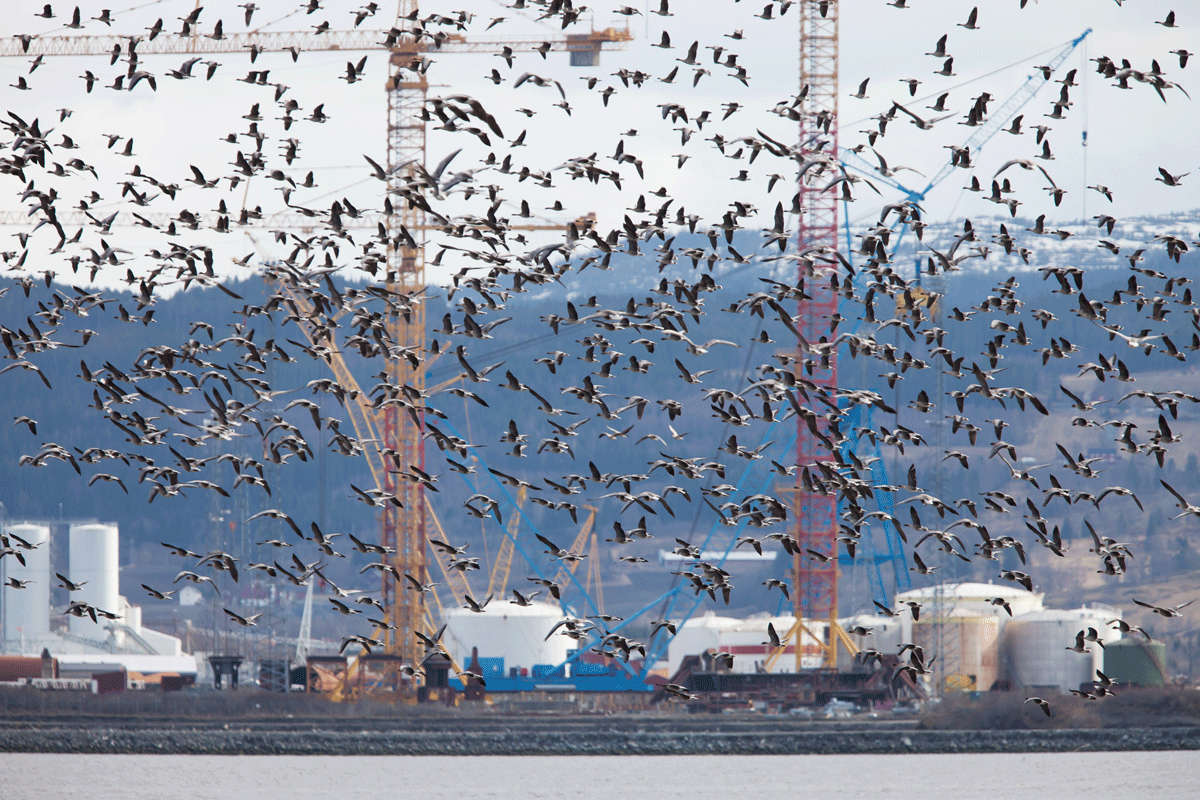
Figure 6.28 People and birds live close to one another
Pink-footed goose above Ørin Nature Reserve with Kværner Verdal in the background.
Photo: Gunnar Kjærstad
International trade
International trade contributes to increased production, consumption and transport, which can lead to increased pressure on the environment. However, trade can also contribute to more climate and environmentally friendly development, including by encouraging the trade in more climate and environmentally friendly and sustainable products and by contributing to the production of various goods taking place in a manner and in places that result in minimal impact on the environment. In negotiations on new trade agreements and updates to existing trade agreements, Norway aims to safeguard the possibility of imposing the necessary regulations to achieve legitimate national targets, including targets to protect the environment. In bilateral and regional trade agreements, Norway also aims to include an ambitious, binding chapter on trade and sustainable development that, among other things, underpins the parties’ efforts to achieve the climate targets, counteract the loss of biodiversity and enforce relevant legislation. There is also a need to further develop trade policy so that it better supports climate and environmental policies and the green transition. This is part of the ongoing work on a White paper on trade and green globalisation. The Climate Committee 2050 has made recommendations for developing trade policy to underpin the transition to a low-emission society and a circular economy that are of relevance to this work. These include, among other things, conducting sustainability assessments of trade agreements both before and after conclusion as the EU does, to look at e.g. how the agreements contribute to the green transition. EFTA has started to implement such assessments before entering into selected trade agreements and one such assessment is currently being carried out for an agreement with Thailand that is being negotiated.
International follow-up
Climate and environment, including biodiversity, is currently a cross-cutting consideration that must be considered in the context of all development aid-funded initiatives. The cross-cutting considerations must be communicated to all Norwegian partners – authorities, civil society organisations and trade and industry. Recipients of Norwegian development aid must always consider whether the project that is being funded could have a negative impact on biodiversity. All initiatives funded through Norwegian development aid must document that an assessment of potential environmental impacts has been carried out and, where relevant, how these are safeguarded.
Norway’s International Climate and Forest Initiative works to ensure that countries with tropical forests integrate the importance of forests as an ecosystem in all policy development. This involves working to ensure a good overview of where the forests are situated, the ecological condition of the forests, traditional users of the forests and other rights to forests. How policies and instruments in other sectors, including financial flows in tropical forest countries create incentives to protect or destroy forests are also central aspects of the work of the initiative.
The Government will:
Nationally:
-
establish and regularly update nature accounts and menus of different measures that will contribute to maintaining a diversity of ecosystems with good ecological status
-
assess the Nature Risk Commission’s recommendations in NOU 2024: 2
Internationally:
-
strengthen Norway’s International Climate and Forest Initiative’s dialogue with tropical forest countries on how policy processes and regulatory, planning and development processes, including national resource mobilisation, will be adapted to the targets laid down in the Kunming-Montreal Global Biodiversity Framework.
6.14.4 National target
In order to contribute to integrated nature management based on the overall impact across ecosystems and sectors and to ensure broad endorsement of nature policy, the Government has established the following objective for target 14:
Norway will ensure that biodiversity and its multiple values are better integrated into decision-making processes, by inter alia, building on the established processes related to «Menu of Measures» and ecosystem accounting. Every four years the Government will provide an overview on the state of biodiversity, the implementation of targets, and measures implemented from the Norwegian action plan for biodiversity to the Parliament.
6.15 Target 15 – Businesses Assess, Disclose and Reduce Biodiversity-Related Risks and Negative Impacts
6.15.1 Global target
Take legal, administrative or policy measures to encourage and enable business, and in particular to ensure that large and transnational companies and financial institutions:
-
(a) Regularly monitor, assess, and transparently disclose their risks, dependencies and impacts on biodiversity, including with requirements for all large as well as transnational companies and financial institutions along their operations, supply and value chains, and portfolios;
-
(b) Provide information needed to consumers to promote sustainable consumption patterns;
-
(c) Report on compliance with access and benefit-sharing regulations and measures, as applicable; in order to progressively reduce negative impacts on biodiversity, increase positive impacts, reduce biodiversity-related risks to business and financial institutions, and promote actions to ensure sustainable patterns of production.
The target is linked to the UN Sustainable Development Goals, sub-goals 8.4, 9.4, 10.5, 12.6 and 17.17.
6.15.2 Current status in Norway
By assessing and reducing risk and negative impacts on biodiversity linked to their own activities, businesses will become key contributors to achieving the targets laid down in the KMGBF. It is crucial to the stakeholders in the financial markets that businesses report nature risk and negative impacts on biodiversity in a comparable manner in order to assess and price forecasts for expected returns and risks in the correct way, as well as to channel capital to the enterprises that are best equipped to manage nature risk. There is a lot happening in this area, both globally and in Norway. For further details regarding the sustainable management of areas with active agriculture, aquaculture, fisheries and forestry, see target 10.
Norwegian financial institutions and enterprises in other sectors are increasingly being asked to describe how their activities impact on, and how their business models rely on nature, in the form of demand from stakeholders and in the form of mandatory reporting requirements. In recent years, the Financial Supervisory Authority of Norway has followed up on financial institutions’ climate risk management through supervisory and mapping activities. In the allocation letter for 2024, the Norwegian Ministry of Finance stipulated that the Financial Supervisory Authority also needs to consider financial institutions’ management of other sustainability risks, including nature risk.
The prevailing rules relating to sustainability reporting in the Norwegian Accounting Act impose requirements for large enterprises to account for their actions to integrate societal considerations, including those related to biodiversity, in day-to-day operations through annual reports or separate sustainability reports. This requirement currently applies to approximately 350 Norwegian enterprises.
The EU Taxonomy for sustainable financial activities is a key initiative in ensuring that financial markets channel capital to profitable sustainable activities and projects. The purpose of the taxonomy is to make it easier for stakeholders in the financial markets to identify investments in line with long-term climate and environmental targets. The targets set out in the taxonomy include the conservation and restoration of biodiversity and ecosystems, sustainable use and protection of water and marine resources and the transition to a circular economy, prevention of waste and recycling. The taxonomy requires activities to do no significant harm on other targets in order to be considered sustainable. The taxonomy entered into force in Norway on 1 January 2023 and currently applies to around 50 Norwegian enterprises.
In the summer of 2022, the Government appointed an official Nature Risk Commission. The commission, which submitted its NOU in February 2024, has – among other things – described what nature risk is and reviewed how private and public sector enterprises in Norway analyse and manage nature risk today. The commission has also assessed and made recommendations on the methodology to enable stakeholders to analyse and manage nature risk in the best possible manner.
Textbox 6.25 The Nature Risk Commission
On 12 February 2024, the Nature Risk Commission presented NOU 2024: 2 In interaction with nature – Nature risk for industries, sectors and society at large in Norway. The commission’s mandate was to describe the concept of nature risk, assess Norwegian industries sectors and society’s vulnerability to nature risk and assess how best to work to analyse and present nature risk at a national level. The NOU was issued for consultation in spring 2024.
According to the commission, nature risk is the risk of negative impacts for stakeholders and society in the event of loss or degradation of nature and biodiversity. Such risk arises as a result of the loss and degradation of nature itself (physical nature risk) and changes in regulations and framework conditions triggered by political decisions to reduce nature loss or as a result of changes to e.g. technology or consumer preferences (nature-related transition risk).
The commission further notes that Norwegian companies must assess and manage their own nature risk, that companies that already actively work on nature risk must be encouraged to further develop their work and that they must keep abreast of and use the methodologies and tools developed nationally and internationally, including the EU Taxonomy. The commission notes that the work on nature risk in the private sector is in the early phases. The commission notes that sustainability reporting for the private sector is constantly improving, but that there is limited reporting on nature-related risk. There is guidance available for companies that would like assistance with their work, including through the Taskforce on Nature-related Financial Disclosures (TNFD) and also from various Norwegian consultancy firms, such as PwC and Sabima, Deloitte, Finance Norway and WWF.1
The commission has own recommendations aimed at the private sector. The commission believes that Norwegian companies need to take nature risk seriously and that industry-driven initiatives and venues will be key to skills development, that they should learn from one another and collaborate on nature risk efforts, that the financial sector will have a particularly important role to play when it comes to awareness-raising and monitoring of nature risk and that it is necessary to assess possible future outcomes as part of all work on nature risks. The commission has a number of suggestions as to how this can be managed.
The commission also has recommendations for how all stakeholders should manage nature risk, as well as recommendations aimed at the public sector and national authorities. The commission believes that there are clear signals, including from the OECD, the European Central Bank (ECB) and the Network for Greening the Financial System (NGFS), that nature risk can and will be of importance to financial stability, as the exposures in the financial sector will be increasingly vulnerable to nature risk.
1 PWC and Sabima (2023) and Deloitte (2022).
One central global initiative relating to nature risk is the Taskforce on Nature-related Financial Disclosures (TNFD), which is an alliance of stakeholders from the financial sector, with support from the G7 countries and others. TNFD will draw up and deliver a framework for organisations to use to report on and manage nature-related risks, so that global cashflows shift away from activities that have a negative impact on nature and society to activities that have a positive impact.
The Ownership Report presented in October 2022 (White paper no. 6 (2022–2023) A greener and more active state ownership – The Norwegian government’s direct ownership in enterprises) did, for the first time, include the Government’s expectations for enterprises with state ownership in relation to biodiversity and ecosystems. These apply to the 70 enterprises in which the state has direct ownership. Enterprises are expected to identify and manage risk associated with nature and to incorporate this in strategies, to establish targets and implement measures to reduce their negative impact and increase their positive impact on biodiversity and to report on target attainment, as well as using recognised reporting standards.
The Central Bank of Norway is responsible for the operational management of the Government’s Pension Fund Global within a management mandate established by the Norwegian Ministry of Finance. Internally within the bank, the day-to-day management of the fund falls under the Central Bank of Norway’s Investment Management (NBIM). As part of its work on responsible investment management, NBIM has developed expectations for companies in which the fund has invested, including with regard to biodiversity and ecosystems. NBIM has also been actively involved with TNFD as a member of the working group since the launch of the initiative in 2021.
The financial industry includes a number of voluntary initiatives and coalitions, in which industry stakeholders voluntarily commit to setting targets, evaluating progress and reporting on their own impact. Among these is Science-Based Targets for Nature (which draws on the corresponding initiative for the climate), and Finance for Biodiversity Pledge (to which 163 financial institutions with EUR 21,700 billion under management, in Norway, including KLP, DNB and Storebrand, have committed). The Central Bank of Norway and the Financial Supervisory Authority of Norway participate in the Network of Central Bank and Supervisors for Greening the Financial System (NGFS). The network will help raise awareness of how financial authorities and the financial sector can take climate and environmental risks into account.
Internationally, Norway works to support voluntary initiatives linked to raising awareness and holding stakeholders in the financial markets accountable in relation to commodity-driven deforestation in tropical forest countries. Global and regional financial markets are significant indirect enablers of deforestation. It is therefore crucial to shift the financing of agricultural production in tropical forest countries away from deforestation-driven production towards more sustainable production methods in global, regional and local financial markets alike. Norway’s International Climate and Forest Initiative works to increase knowledge and raise awareness of financial institutions’ exposure to deforestation and how to best reduce deforestation risk in their portfolios by providing funding to various civil society organisations and coalitions consisting of progressive stakeholders. One example is the funding allocated to the Tropical Forest Alliance (TFA), a private sector coalition in which 30 leading financial institutions with more than USD 8700 billion under management have committed to becoming deforestation-free by 2025. Norway’s International Climate and Forest Initiative has also contributed to international reporting standards for the financial sector, for example through its funding to TNFD. Data availability is another important element in this work. Through initiatives such as Trase and Forest IQ, Norway’s International Climate and Forest Initiative contributes to financial stakeholders having access to data on the deforestation risk in their portfolios, enabling them to monitor compliance with regulatory requirements and voluntary commitments.
The Government’s ambition for the tourism industry is for it to be competitive, with a low climate and environmental footprint while generating value and offering attractive destinations nationwide. Climate change and loss of biodiversity are some of the greatest global challenges of our time. At the same time, we know that increased climate awareness in many customer groups is affecting preferences and the demand for sustainable products and destinations in the market. Enterprises that develop in a more sustainable direction and are able to highlight this are becoming more attractive in the competition for customers and supplier networks.
One example of a measurable method to meet national expectations for sustainable tourism is the Sustainable Destination scheme launched by Innovation Norway in 2013. The scheme acts as a tool for stakeholders in tourism that have committed to undertake systematic work to develop in a more responsible and sustainable direction. In order to be certified, stakeholders must demonstrate having worked with destination management, have a strategic basis for their work and improve their results according to defined indicators in connection with re-certification every three years. A total of 56 Norwegian destinations and more than 130 local authorities participated in the scheme by the end of 2023. At least one third of all local authorities are therefore actively involved in destination development work.
6.15.3 Measures and instruments to contribute to the target
Trade and industry rely on and impacts biodiversity, nationally and globally. Nevertheless, until recently there has been limited reporting on the impact and reliance on nature from trade and industry. Nature risk is a topic many stakeholders find it difficult to start working with. The development of knowledge, facilitation and provision of information and tools for open and transparent nature risk reporting will therefore be important going forwards.
Norway has an open economy, and it is therefore important to ensure a common global framework that will provide predictability. The fact that the Norwegian economy is open and because Norwegian enterprises have extensive value chains in other countries is precisely why the Norwegian economy and trade and industry affect nature in other countries. Norway also affects nature in other countries through investments and through official development aid. Limited work has been carried out to assess how biodiversity outside Norway is affected by Norwegian activities. It will therefore be important to produce more knowledge about how the Norwegian economy affects nature in other countries. Sustainability reporting requirements for enterprises could better equip investors and financial institutions to assess the extent to which, and how, enterprises rely on and affect nature. Better and more comparable reporting from enterprises that will allow for more informed assessments of nature risk could help ensure that capital is increasingly channelled to economic activities that have a positive impact on nature and/or no significant negative impact on nature. Sustainability reporting requirements could also better equip stakeholders outside the financial markets in holding enterprises accountable for their impact on nature and biodiversity. On 15 March 2024, the Norwegian Ministry of Finance presented proposed legislative amendments to implement the new EEA Corporate Sustainability Reporting Directive (CSRD) in Norwegian law.54
The purpose of the new rules is to ensure that there is sufficient public information about the sustainability risks enterprises are exposed to and how the enterprises impact on people and the environment. The directive introduces requirements to conduct sustainability reporting in accordance with European reporting standards. The standards by which enterprises will report cover a number of environmental aspects: climate change, pollution, water and marine resources, biodiversity and ecosystems, as well as resource use and the circular economy. In order to identify which information the enterprise must include in its sustainability reporting, the enterprise must consider which information will be of importance to stakeholders’ understanding of the enterprise’s impact on, and how it is affected by, sustainability factors, including nature.
The proposed legislative amendments were adopted by the Storting on 11 June 2024. The Norwegian Ministry of Finance aims to establish transitional rules in line with the directive, which will entail a gradual introduction of the sustainability reporting requirements from the 2024 financial year, in accordance with the directive. The Norwegian Ministry of Finance estimates that approximately 50 Norwegian enterprises will be covered in the 2024 financial year and that around 1200 Norwegian enterprises will be covered in the 2026 financial year.
An act that requires larger enterprises to conduct integrity due diligence in connection with human and labour rights entered into force in Norway in 2022, cf. the act of 18 June 2021 no. 99 relating to enterprises’ transparency and work on fundamental human rights and decent working conditions (Norwegian Transparency Act). In the preparatory works, it was reported that the act would be evaluated after being in effect for a period of time, among other things to consider whether the scope of application should be extended to include the environment. The Norwegian Ministry of Children and Families has now initiated the evaluation work.
A new EU directive requiring large undertakings to conduct due diligence has recently been adopted in the EU (Corporate Sustainability Due Diligence Directive (CSDDD)). The directive has several similarities with the Norwegian Transparency Act and is based around the same international principles and guidelines. Nevertheless, the due diligence requirements set out in the directive also apply to the environment, as well as human rights and working conditions, and it therefore has a broader scope of application than the Norwegian Transparency Act. We therefore anticipate that the implementation of the directive in Norwegian law will require amendments to the Norwegian Transparency Act. The Norwegian Ministry of Children and Families will view the implementation of the directive in Norwegian law in the context of the evaluation of the Norwegian Transparency Act.
As discussed above in Chapter 6.15.2, the Ownership Report, for the first time, included expectations relating to biodiversity and ecosystems from the Government to companies with state ownership. As an owner, the state will follow up on the expectations laid down in the Ownership Report for the purpose of contributing to the attainment of the state’s objectives as an owner. The follow-up will take place based on what has been prioritised for each company. In order to share knowledge and good practices, skills development events are also arranged for companies with state ownership.
Within the Norwegian Government Pension Fund Global’s statutory investment objective to achieve the highest possible return after costs, given an acceptable level of risk, the fund shall be managed responsibly. The Government’s ambition is for the fund to be a leader in responsible investment management and the management of climate and nature risks.
It is important to contribute to the international work on assessing how the loss of nature and biodiversity constitutes a risk to financial institutions and how to facilitate the financing of economic activities that have a positive impact on nature. The Financial Supervisory Authority and the Central Bank of Norway participate in the Network of Central Bank and Supervisors for Greening the Financial System (NGFS)55, which works for a greener financial system and the Norwegian Ministry of Finance participates in an international network for sustainable finance.
International follow-up
International trade gives industry more opportunities and easier access to trade and invest across national borders and to establish global value chains. International trade can lead to increased pressure on the natural environment but can also contribute to more climate and environmentally friendly developments. Norway’s work towards such developments has been discussed in further detail under target 14.
Global food systems are one of the main causes of the loss of biodiversity at a global level. Norway’s International Climate and Forest Initiative works to reduce pressure on tropical forests from global commodity production and trade by providing funding for a number of initiatives. This includes increasing knowledge and awareness of the links between commodity production, trade and tropical deforestation and supporting the private sector in committing to – and implementing – measures to ensure deforestation-free supply chains. Pressure from civil society has been crucial in getting the private sector to commit to zero deforestation in their value chains and in following up on company obligations.
Both voluntary commitments and regulations necessitate adequate data for deforestation and deforestation risk. Norway’s International Climate and Forest Initiative contributes to the development of several different tools that enterprises and financial institutions can use to assess and manage deforestation risk in supply chains and portfolios. Norway’s International Climate and Forest Initiative has also supported the development of transparency and traceability tools to make deforestation data more available to investors and companies.
The part of the target that relates to the reporting of compliance with prevailing regulations and measures access and benefit sharing will, among other things, be viewed in the context of the national implementation of the multilateral mechanism on benefit-sharing from digital sequence information (DSI), for which the final negotiations are scheduled to take place at the meeting of the 16th Conference of the Parties to the Convention on Biological Diversity.
The Government will:
Nationally:
-
provide guidance to Norwegian enterprises on the requirements relating to reporting on nature, biodiversity impact and other information relating to the environment and assess how the authorities can facilitate companies’ sustainability reporting
Internationally:
-
contribute to the EU’s work to further develop the EU Taxonomy and standards for sustainability reporting
-
work to ensure that companies and investors involved in the production and trade of commodities with high deforestation risk in tropical countries do not contribute to deforestation and conversion of ecosystems and that they contribute to the transition to sustainable commodity production
6.15.4 National target
In order for the business sector to succeed in assuming greater responsibility in assessing and reducing nature risk and biodiversity impact, going forward it will be important for the state to facilitate this, including by providing the necessary information and making information and tools for the reporting of nature risk and biodiversity impact available to companies. Against this background, the Government has established the following National target for target 15:
By 2030, Norway has taken measures to enable the business sector to effectively prepare and disclose nature risk and their impact on nature in a way that is relevant for decision making and allows for comparison.
6.16 Target 16 – Enable Sustainable Consumption Choices to Reduce Waste and Overconsumption
6.16.1 Global target
Ensure that people are encouraged and enabled to make sustainable consumption choices, including by establishing supportive policy, legislative or regulatory frameworks, improving education and access to relevant and accurate information and alternatives, and by 2030, reduce the global footprint of consumption in an equitable manner, including through halving global food waste, significantly reducing overconsumption and substantially reducing waste generation, in order for all people to live well in harmony with Mother Earth .
The target is linked to UN Sustainable Development Goal 12 and sub-goals 4.7, 8.4 and 9.4.
6.16.2 Status in Norway
Norway is responsible for one of the highest material consumptions worldwide and has a high material footprint per person and low material production compared to other countries, according to the OECD review of Norwegian environmental policy in 2022.56 This implies that the Norwegian population has a high material standard of living. Consumption remains one of the main challenges for Norway to achieve the sustainable development goals. According to the Government’s voluntary report to the UN on the SDGs in 2021, there has been less progress in this area compared to other targets.57 It has been noted, among other things, that Norway has one of the highest consumption rates per capita in the world, with a consumption of 44 tonnes of natural resources annually and that the trend is growing. Furthermore, in 2021, Norway’s Overshoot Day was 12 April. This indicates that 3.2 Earths would be needed if everyone consumed the same amount as Norwegians. Consumption has an impact on global environmental conditions. This can be seen in the area of climate, for which the Norwegian Environment Agency has estimated the consumption of goods and services in Norwegian households, trade and industry and the public sector, also referred to as the climate footprint.58 The climate footprint also includes emissions from the production and transport of the goods and services we consume, as well as emissions from different types of activities, such as driving a vehicle and heating. The climate footprint estimates show that just over 60 per cent of our consumption-based emissions took place in other countries, see Figure 6.29. Norway is not formally liable for emissions that occur in other countries under the Convention on Climate Change or the Paris Agreement.
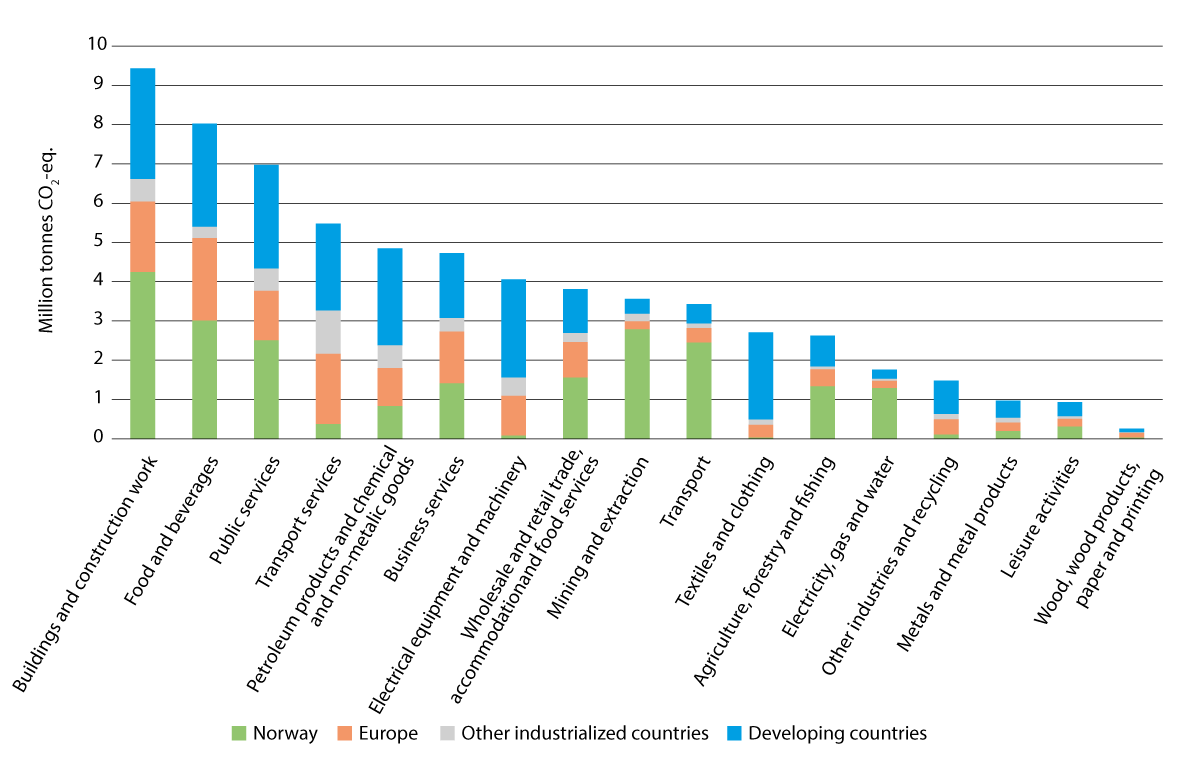
Figure 6.29 Norway’s global climate footprint in 2020 by sectors and region of origin
Source: The Norwegian Environment Agency (2024d)
Through UN Sustainable Development Goal 12.3, Norway is committed to halving food waste59 by 50 per cent per capita by 2030, both in retail and among consumers. Norway will also work to reduce food waste in the production and supply chain. In the voluntary Industry Agreement on the Reduction of Food Waste, which is Norway’s principal instrument for reducing food waste, a target has been set to reduce edible food waste by 50 per cent by 2030 compared to 2015. The Norwegian target entails that edible food waste must be reduced at all levels of the food value chain and therefore extends beyond the UN SDG on food waste. In the revised EU Waste Framework Directive, binding targets to reduce food waste by 2030 have been proposed, respectively 10 percent reduction for the food industry and 30 percent overall for households., the grocery trade and hospitality have been proposed. Measures and instruments to achieve these targets must be determined at national level. In 2020, mapped food waste in Norway amounted to 450,000 tonnes60 and a reduction in food waste of nearly 10 per cent was achieved between 2015 and 2020,61 see Figure 6.30. Today, households account for approximately half of all food waste.
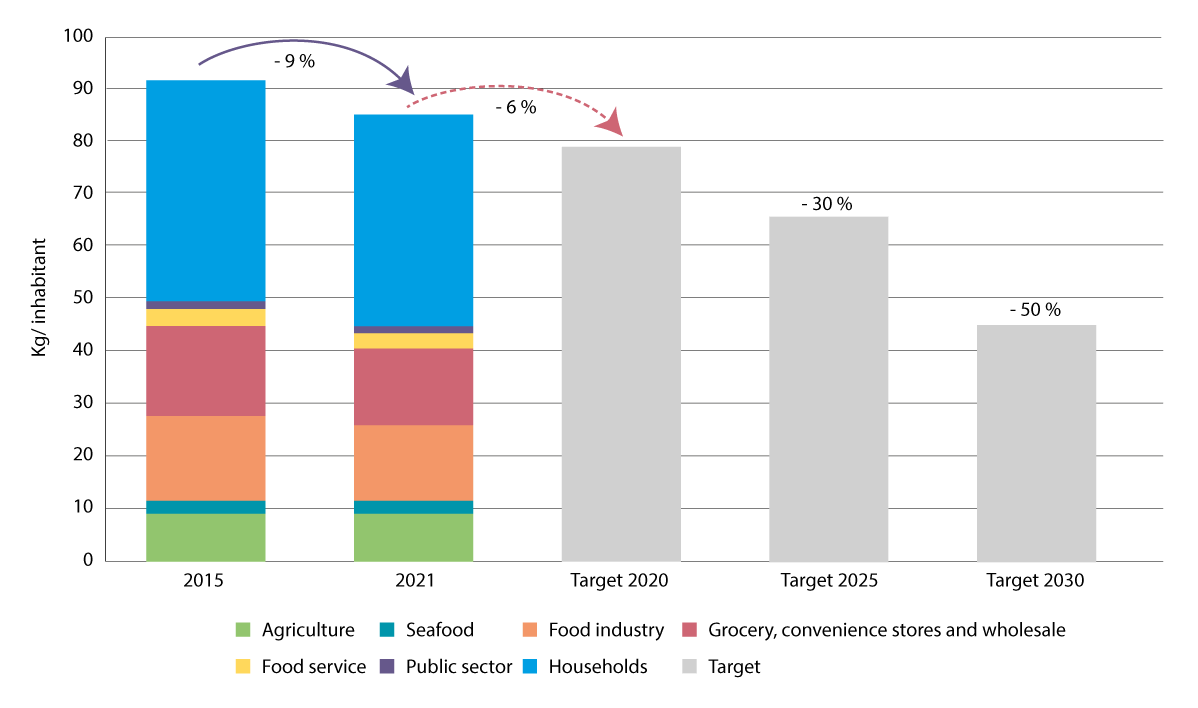
Figure 6.30 Food waste trends
Trends in kg of food waste per capita from 2015 to 2020 and deviations from the target in 2020 and future targets for 2025 and 2030.
Source: Food Waste Committee (2023)
6.16.3 Measures and instruments to contribute to the target
The importance of changes in consumption for the transition to a circular economy with a high degree of resource efficiency.
According to Global Resources Outlook 2024, the extraction and processing of material resources is responsible for 90 per cent of global natural degradation and pressure on water resources. At the same time, it contributes to more than 55 per cent of greenhouse gas emissions and up to 40 per cent of air pollution that is harmful to health. Agriculture and forestry affect more than 90 per cent of global loss of biodiversity on land.62 The global extraction of natural resources has more than tripled over the past 50 years (see Figure 6.31), which has come at the expense of biodiversity and ecosystems. Environmental impacts are distributed unequally between countries, and globalisation has led to consumers living unaware of the social and environmental disadvantages in producer countries.
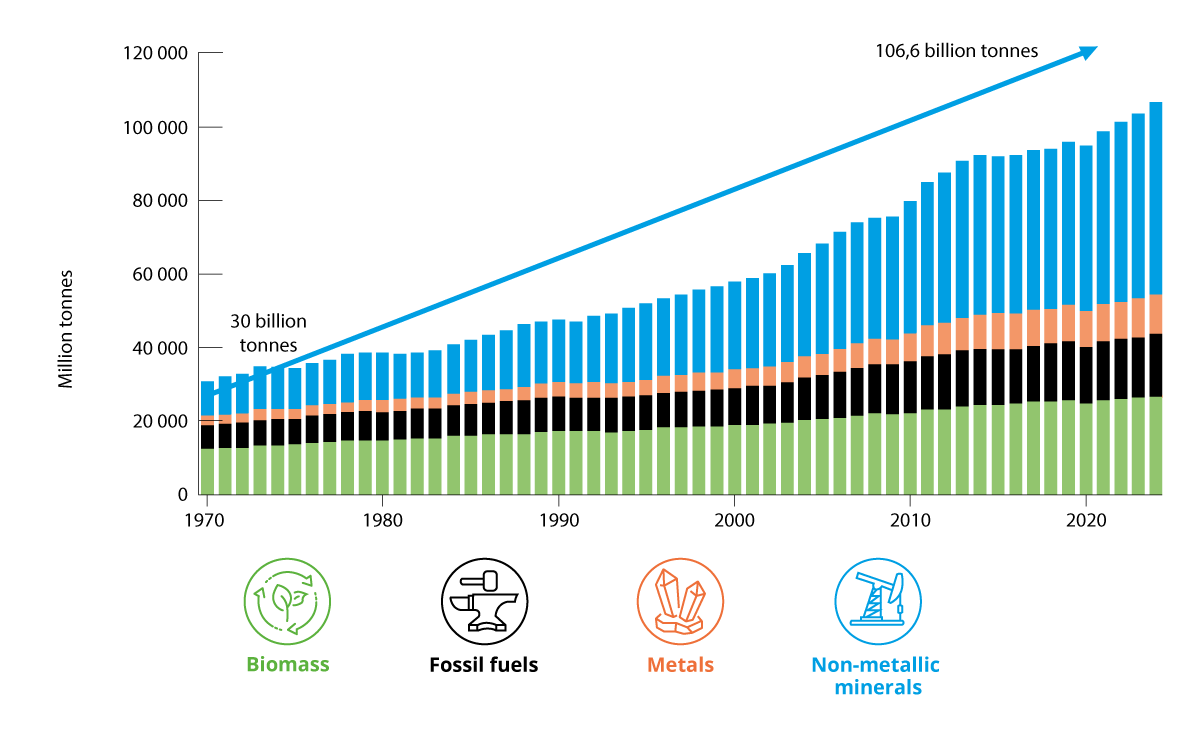
Figure 6.31 The International Resource Panel
Over the past 50 years, the consumption of resources such as biomass, fossil fuels, metals and non-metallic minerals such as gravel, sand and limestone has more than tripled.
Source: The Norwegian Environment Agency (undated) from UNEP (2024).
The International Resource Panel notes that measures to promote sustainable production and consumption so far have been aimed primarily at changes on the supply side of the economy (production) and that these measures should be supplemented through a much stronger emphasis on the demand side of the economy (consumption). The panel recommends six strategic actions for all levels of public administration. These recommendations include making it natural to make sustainable consumer choices and to create circular and resource-efficient solutions and business models with a low overall footprint. These recommendations align with EU’s Action Plan from 2020, Norway’s Strategy for a Circular Economy from 2021 and the Circular Economy Action Plan from 2024.
A more sustainable production and consumption pattern with a lower carbon and environmental footprint and increased resource-efficiency is a prerequisite for solving the global challenges associated with pollution, climate change and loss of biodiversity. The transition to a more circular economy is essential in order to achieve national and global climate and environmental targets, including ensuring that the negative environmental impact of consumption is reduced. The transition to a more circular economy entails changes in consumption for private consumers, the public sector and trade and industry alike. The transition necessitates changes in both the supply and demand side of the economy, see illustration of the circular economy in Figure 6.32. So far, tools have been developed to make it easier to be an environmentally conscious consumer or industry, including eco-labels and certification schemes for enterprises. There is, however, a need for stronger instruments to ensure that the transition is sufficiently impactful.
Textbox 6.26 Consumer Research
SIFO report 16-2020 Instruments for consumption changes – based on measures from climate cure 2030, for example, states that if we are to reduce greenhouse gas emissions, we need to make changes in what we consume, how we consume and how much we consume. Consumption may change in a direction with lower negative impact on the climate and environment based on three strategies: (1) Product substitution: replacing a product with an alternative that has a lesser impact on the climate and environment, (2) Reorganising how we consume goods and services and (3) Reducing the amount we consume.
The Norwegian Institute of Consumer Research at OsloMet is a partner in the European innovation project CARE1. The project, which has eleven partners in six countries, aims to ensure that 100 households throughout Europe adopt a sustainable lifestyle by 2027. CARE will collaborate closely with the households to change their everyday habits to reduce food waste and extend the lifespan of clothing. On behalf of Norway, the Municipality of Asker participates in the project and residents have the opportunity to test how circular solutions work in everyday life.
1 CARE (circularhouseholds.eu).
The EEA product framework on eco-design, plastic, batteries, packaging, vehicles and more includes requirements that combined will strengthen developments in sustainable consumption. The regulatory package constitutes the core of the EU’s action plan for a circular economy from 2020, with which the national strategy for a circular economy from 2021 is closely aligned and that is being followed up by the Government’s action plan for a circular economy for 2024–2025.
The OECD recommends that Norway better facilitates the transition to a more circular economy and that negative environmental impacts in other countries resulting from Norwegian consumption of goods be taken into account.63 A faster transition to a more circular economy could contribute to reducing Norway’s global climate and environmental footprint.
There is limited knowledge of how Norway’s consumption impacts nature throughout the world. This is the case both in relation to impact during a single year and trends over time, as well as impact in specific countries and regions and overall impact. There is a need for more knowledge about how high levels of Norwegian consumption impact global nature at both a general and more detailed level.
Textbox 6.27 The main features of the Government’s action plan for a circular economy
The Government’s vision is for Norway to be a pioneering country in the development of a green, circular economy that reduces overall environmental and climate impacts and generates new jobs throughout the country.1 The Government’s circular economy action plan presented in March 2024 includes several measures and instruments, including strengthened legislation on product sustainability requirements, increased resource efficiency, including facilitating more product reuse and more sustainable consumption patterns as part of a more circular economy. Several ministries were responsible for different priority areas in the action plan. A rapid transition to the circular economy will help us transition to a low-emission society and reduce the loss of biodiversity.
Key points from the action plan for a circular economy:
-
encourage new legislation on sustainable products and value chains
-
Consider a national mission relating to the circular economy in 2024
-
develop national indicators in 2024 and 2025
-
assess national targets in 2025
-
strengthen expertise on the circular economy
-
establish an expert group that will submit a report on instruments for a circular economy in spring 2025
The expert group will look at the instruments that could promote circular activities to yield improved utilisation of renewable and non-renewable resources, sustainable production and consumption and increased value creation. This will involve identifying the instruments that are socioeconomically profitable and proposing changes to the current use of instruments on this basis. The expert group will submit its report and recommendation by April 2025.
1 The Norwegian Ministry of Climate and Environment and The Norwegian Ministry of Trade, Industry and Fisheries (2024).
Norway has ambitious waste management targets. This entails, among other things, working to reduce the volume of waste and increased preparation for reuse and material recycling. Through the EEA agreement, Norway has committed to achieving a target of 65 per cent material recycling from household waste by 2035.64
Stronger regulations for sustainable products and sustainable use of products
The most important step in the European transition based on the action plan for a circular economy from 2020 is stronger product regulations, which will contribute to sustainable products becoming the standard in the EU’s internal market and consumption in both the private and public sector becoming more sustainable and not entailing the overconsumption of resources. This requires measures that will empower both the supply and demand side of the economy. The products themselves must become more sustainable, and consumers and others must adopt more sustainable products and utilise the possibilities that can be found in using, reusing and repairing products, thereby contributing to a reduced overall footprint from the production and consumption of products.
Earlier this year, the Government presented a proposal for new legislation to act as the legal basis for new product sustainability requirements. The new act on sustainable products and value chains65 that came into effect on 1 July has two main features: The act provides the legal basis to require products to be designed to fit a circular economy. It also provides the legal basis for regulations that set out requirements for sustainability throughout the entire lifecycle in prioritised product areas due to the environmental and economic importance of the products in the transition to a circular economy. This applies to batteries, vehicles, packaging, plastic, electric and electronic products and textiles. The new act provides the legal basis for Norwegian regulations under which specific product requirements will be developed on an ongoing basis for many years to come.
The product regulations place great emphasis on providing households with material resources and facilitating circular material flows. The green transition will also require resources, for example in relation to increased demand for batteries as part of the electrification of the transport and energy sectors. At the same time, the product regulations provide great potential in the form of saved greenhouse gas emissions, reduced pollution and smaller waste volumes.
Stricter requirements for eco-design and sustainable value chains for products benefit consumers. Products will last longer and be easier to repair, reuse and recycle. Work is also under way on the harmonisation of charging solutions for electrical products and to combat unsustainable product design such as the programming of premature obsolescence.
As part of the enhanced European product framework, which Norway is part of, there is an ongoing information and digitalisation revolution, including through the development of digital product passports that will clarify the environmental sustainability of products. The Government will also implement other EU regulations that will strengthen the right to repair products, as well as regulations that enable consumers to make sound environmental choices by, for example, having access to adequate and reliable information about the environmental properties of products. The regulations will also help to counteract misleading marketing (greenwashing) and unreliable labelling.
Along with enhanced obligations and rights for manufacturers and consumers, tools that make it easier to make «green» choices in the market will still be available and fulfil an important role. Official ecolabels such as the Nordic Swan and the EU Ecolabel provide standardised and quality-assured information about the goods and services with the lowest environmental impact in the market. The ecolabels encourage product development that goes beyond the minimum requirements laid down in the regulations. Official ecolabels and certification schemes such as the Eco-Lighthouse and EMAS schemes make things easier for regular consumers and other stakeholders in the market. Additionally, the schemes encourage positive competition in the market for green products and solutions. The Government supports the work of Ecolabelling Norway, which manages the Nordic Swan Ecolabel and the EU Ecolabel in Norway. Food labelling is also relevant to ensuring more sustainable consumer choices for food, including the official regulations for the production and labelling of organic products.
General rights to environmental information arise from Section 112 of the Norwegian Constitution, the Norwegian Environmental Information Act and the Norwegian Product Control Act, which give consumers the right to information about products from the public sector or private sector, as well as other environmental information. The Norwegian Environmental Information Act has a broad definition of what is considered environmental information. The act provides the right to environmental information upon request but does not impose any active duty to provide information. Nevertheless, the latter will follow from the enhanced European product framework, which includes partly extensive information and documentation requirements for all levels of the supply chain.
The Norwegian Consumer Council also plays a key role in the work to communicate information and knowledge to make it easier for consumers to make more sustainable consumption choices.66
Increased reuse
Increased reuse can contribute to improved resource utilisation by reducing the need to extract new resources. It is therefore crucial to accommodate stakeholders from trade and industry that wish to invest in reuse and to make the trade in used goods easier. In order to stimulate growth in the trade of used goods and materials and thereby facilitate circular business models, The Government presented a proposal to amend the Norwegian Second-Hand Trade Act in spring 2024. The amended act was passed and entered into force on 1 July 2024.
Special mention of the consumption of textiles
The follow-up on the national strategy for the circular economy will contribute to reducing the negative impacts from textiles on nature and the environment. The EU textile strategy will contribute to more sustainable textiles throughout their entire lifecycle, from production to waste. Measures will be implemented throughout the textile value chain to reduce the environmental impacts from the extraction and use of natural resources in production, reduce the use of chemicals in production and achieve better waste management for textiles, including increased recycling of materials. The EU Ecodesign Regulation, which was recently adopted, will impose ecodesign requirements on a number of products, with textiles having been designated one of the first 12 priority product groups under the regulation. Ecodesign requirements may entail requirements for the production stage, such as water consumption, climate and environmental footprint, characteristics such as quality and useful life, the presence of chemicals of concerns potential for spreading microplastics, etc. The Ecodesign Regulation will also introduce a new prohibition on the destruction of unsold textiles for stakeholders of a certain size. New requirements for extended producer responsibility for textiles have been proposed through the latest revision of the Waste Framework Directive.
Food waste
In order to achieve the various targets to reduce food waste, Norway has established a trade agreement that encompasses five ministries and twelve trade organisations. The Government-appointed Food Waste Committee, which has investigated comprehensive use of measures and instruments to achieve the national target of a 50 per cent reduction in food waste by 2030, presented its recommendations in January 2024. The recommendations include proposals for food waste legislation, changes to the trade agreement and information initiatives aimed at consumers. Households account for around half of all food waste in Norway and existing initiatives aimed at households are likely inadequate.
Financial instruments
Norway has introduced certain environmental and climate taxes that provide the incentive to make more sustainable consumer choices. The main instruments in Norwegian climate policy are cross-sectoral climate taxes and participation in the EU Emissions Trading System (EU ETS). Approximately 85 per cent of greenhouse gas emissions are subject to pricing in Norway. Emission pricing provides incentives to directly reduce activities that lead to greenhouse gas emissions and to shift consumption in a more climate-friendly direction and develop more climate-friendly technology. For an overview of other climate and environmental taxes, see Prop. 1 LS (2023–2024) Taxes and fees 2024.
Public consumption – public procurement
Public procurement amounts to approximately NOK 780 billion annually and represents significant market power. The Norwegian Agency for Public and Financial Management (DFØ) is an agency for public procurement and is responsible for the Central Purchasing Body. DFØ aims to ensure that the public sector makes effective and innovative procurements that contribute to the green transition and sustainable development. The DFØ guidance on green procurements and the follow-up on the action plan for an increased proportion of climate and environmentally friendly public procurements and green innovation can help reduce the environmental impact from public procurements. From 1 January 2024, the Government has implemented regulatory changes that entail a general rule for climate and environmental considerations to be assigned a weighting of at least 30 per cent. If it is clear that it provides better climate and environmental impacts, the contracting authority can use climate and environmental requirements in the requirement specification instead of award criteria. If, in exceptional cases, no requirements or criteria are imposed due to the environmental impact being considered insignificant, this must be justified in the procurement documents. The purpose of the changes is to ensure that public sector enterprises achieve the best possible climate and environmental impact through their procurements. Requirements and criteria aimed at enhancing the circular economy may provide resource-efficient ways to achieve the purpose of minimising climate and environmental impacts and an increased focus on this is anticipated as a result of the regulatory changes. New regulations in the EU under the circular economy action plan also lay the foundations for standardised and legally binding requirements for sustainable public procurements in a large number of areas.
The procurement survey conducted in Norway every two years shows that there are more barriers for public sector enterprises to succeed in green procurements and the demand for circular solutions. Lack of time and expertise are two central aspects. In addition, a relatively small proportion of public sector enterprises state that they work systematically to develop control parameters for climate and environment. These findings are reflected in the National Audit Office of Norway’s survey on green public procurements. The recommendations from this survey indicate, among other things, that there is a need to ensure that guidance materials are more widely known and to further develop statistics and governing information that can be used to enhance green public procurements.
In November 2022, the Government appointed a legislative committee for public procurements. The committee was tasked with proposing changes to make the regulations simpler and more accessible and also to enhance climate and environmental considerations in the procurement regulations. The first interim report from the committee was presented in November 2023 and the second in May 2024. The committee has proposed a new structure for the regulations on public procurements and the unification and clarification of the rules relating to societal considerations, including climate and environment. The committee also proposes that efficient and sustainable use of community resources be highlighted in the objectives paragraph in the new act on public procurements. This has, among other things, been defined as both transitioning to a low-emission society and reducing environmental impacts from public procurements.
Sustainable use of biological resources – bioeconomy
The bioeconomy encompasses value creation based on renewable biological resources (bioresources) for food, feed and fibre, health products, industrial products and energy and plays an important role in the development of a green, circular economy, see illustration explaining the circular economy in Figure 6.32. The importance of bioresources in the transition to a more circular and sustainable economy has two mainstays: bioresources can be utilised better in circular flows and they can contribute to reducing the use of, or replace, non-renewable resources with greater climate and environmental impacts. Norway has ample access to bioresources, both in the oceans and on land, as well as the industry, technology and expertise to utilise these in circular flows. In a circular bioeconomy, resources are utilised in the manner that provides the greatest value over the longest possible period of time before nutrients are returned to circulation. Sustainable management of land and ocean areas, natural resources and ecosystems to preserve the production capacity in nature and central ecosystem services is essential for a circular economy. Another prerequisite is for the increased use of residual biological raw materials and waste products to not be harmful to health and the environment, for example through the spread of pollutants, pathogens and other adverse substances.
Globally, population growth and the phasing out of fossil resources may lead to greater pressure on natural resources, leading to land use changes that have a negative impact on climate, environment and sustainable development alike. Improved utilisation of bioresources will be an important part of the solution to the global challenges. The potential can be found both in more efficient resource utilisation and in the increased utilisation of residual raw materials and side-streams to high-value products such as health products, food and feed.
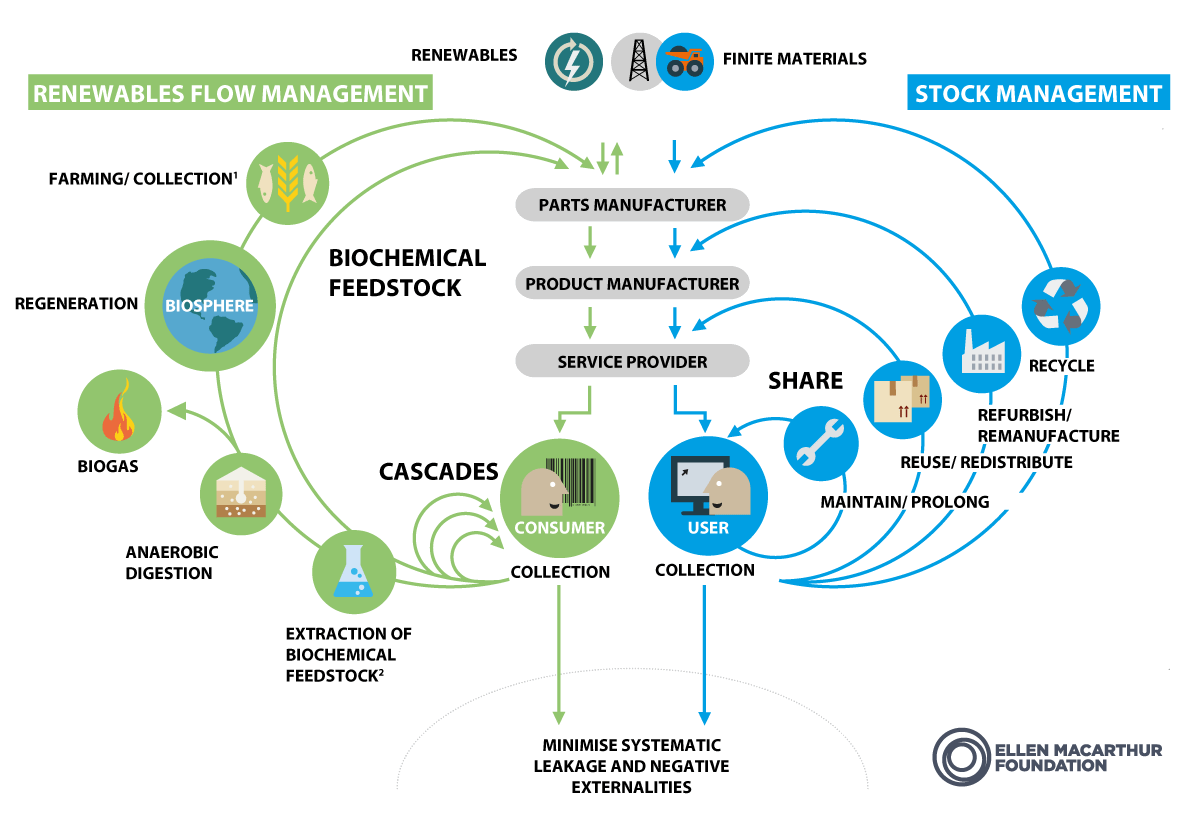
Figure 6.32 Circular economy
In the circular economy, there is both a biological and a technical cycle. Biological resources can grow, be harvested and regenerate as long as we manage them sustainably. They provide us with food, bio-based products and materials before they are returned to nature. Products, components and materials manufactured with characteristics that make them suitable for reuse, repair, renovation, modernisation or recycling circulate in the technical material cycle. These can be both biological and non-biological.
Source: Ellen Macarthur Foundation (2019), translated by the Norwegian Ministry of Climate and Environment
The local authorities’ role
Local authorities can play a role in promoting sustainable consumption. In April 2023, KS published guidance on how the local authority sector can assume an active role in the transition to a circular economy.67 The social developer role, community and spatial planning under the Norwegian Planning and Building Act and the procurement role means that the local authority is a key policy advisor for the circular economy in the local community. They can, for example, promote the sharing economy, reuse, repair and recycling of materials and local authorities should use their purchasing power to choose circular products and services. The reuse of land, buildings and masses can have a significant impact on the scope of development projects that lead to a loss of nature, emissions from the production of construction materials and the management of construction waste. The planning authorities can influence this greatly through their planning under the Norwegian Planning and Building Act.
Since 2016, the green deal has provided funding to support local authorities with, among other things, climate initiatives that involve circular solutions. Reporting requirements have been established for all projects with the purpose of documenting activities, results, climate impacts and the costs associated with initiatives. Through the Green Deal, local authorities have, among other things, received funding to work on procedures and to increase expertise in order to reduce food waste and choose climate-friendly foodstuffs. In recent years, several local authorities have received funding for projects relating to the reuse of buildings, furniture and other goods.
The Government will
Nationally:
-
follow up on the action plan for a circular economy
-
investigate a national mission relating to the circular economy
-
promote circular solutions and resource efficiency in international partnerships and multilateral forums and enhance work in the field through relevant aid programmes
-
enhance Norwegian legislation and regulations in line with the developments in the EU to:
-
contribute to more sustainable products, including through the requirement for a longer useful life, the possibility of repair and a greater extent of material recycling
-
ensure that consumers have access to relevant and reliable information about the sustainability of products, including through digital product passports and labelling schemes
-
prevent greenwashing in marketing and other communications aimed at consumers
-
increase sustainable and circular use of resources in the bioeconomy
-
enhance efforts to reduce food waste by 50 per cent by 2030, including through the use of the recommendations from the Food Waste Committee
-
6.16.4 National target
Target attainment will require extensive development of measures and instruments in the coming years, as well as effective regulatory processes. Against this background, the Government has established the following objective for target 16:
By 2030:
-
consumers are able to easily make sustainable choices that reduce their consumption footprint
-
The increase (in the amount) of waste is significantly reduced and the rate of recycling waste shall be increased
-
Increase the amount of municipal waste for reuse or recycling and increase the amount of plastic packaging that are recycled
-
food waste will be reduced
-
products will be designed to last longer, reparable, and incorporate a higher proportion of recycled materials.
6.17 Goal 17 – Strengthen Biosafety and Distribute the Benefits of Biotechnology
6.17.1 Global target
Establish, strengthen capacity for, and implement in all countries, biosafety measures as set out in Article 8(g) of the Convention on Biological Diversity and measures for the handling of biotechnology and distribution of its benefits as set out in Article 19 of the Convention.
6.17.2 Status in Norway
The target has two elements. The first is the introduction and implementation of legally binding measures for biosafety in national regulations pursuant to Article 8(g) of the Convention. The second is participation in biotechnology research and the sharing of biotechnology benefits, which are commitments under Article 19 of the Convention.
The Norwegian Gene Technology Act governs the introduction of genetically modified organisms (GMO) in the environment in Norway. Norway is well equipped and can reference experience and practices from the Norwegian Gene Technology Act and adjacent sectoral regulations to achieve the biosafety target. The Norwegian Environment Agency and the Norwegian Food Safety Authority have a joint responsibility to conduct health and environmental risk assessments on GMOs and derived products pursuant to the Norwegian Gene Technology Act and the Norwegian Food Act, respectively. This type of risk assessment is also linked to applications received through the EU Release Directive (2001/18) with which Norway is affiliated and the EU Food and Feed Directive (1829/2003), although the latter has yet to be incorporated in Norwegian law. The Norwegian Food Safety Authority supervises the use of live GMOs for food and feed pursuant to the Norwegian Gene Technology Act and notifies the Norwegian Environment Agency in the event that it finds any illegal GMOs on the market, of which there have been few examples to date. If the number of GMOs notifications increase, this would require additional resources from the authorities to maintain the current levels of control and biosafety.
Norway is also party to the Cartagena Protocol, which sets out measures such as risk assessments and information exchange in the event of cross-border transport of GMOs, such as trade. Together, Norwegian, EEA and international regulations constitute strong regulatory instruments.
There are few GMOs authorised for use in Norway. Only six genetically modified carnations can be used as cut flowers and one rapeseed oil from processed genetically modified rape can be used in fish feed., As of now, no genetically modified organisms can be traded for use in food, as the EU Food and Feed Directive has not yet been incorporated into the EEA agreement. Several clinical studies on drugs consisting of or containing GMOs have been authorised pursuant to the Norwegian Gene Technology Act. There are also prohibitions on the use of several EU-authorised GMOs68.
6.17.3 Measures and instruments to contribute to the target
GMO regulations, including measures such as risk assessments, authorisation, supervision and control, will be the most important instruments and measures for biosafety. The Norwegian Gene Technology Act requires GMOs to be risk-assessed and authorised before they can be traded or released. GMOs must be monitored and any impact on health and environment resulting from their release must be reported to the authorities. The authorities carry out supervisory activities in relation to enterprises that import or use GMOs. Illegal GMOs are removed from the market and enterprises must take measures to prevent or limit any damage. The Norwegian Environment Agency supervises the use of GMOs pursuant to the Norwegian Gene Technology Act, with the exception of GMOs for use in food and feed, for which the supervisory responsibility has been delegated to the Norwegian Food Safety Authority.
The Norwegian Gene Technology Act also imposes requirements related to how a living GMO can contribute to sustainable development, social utility and ethics. The preparatory works for the act emphasise that minimal risk may be accepted if there is a high social utility or substantial contribution to sustainability. Scientific risk assessments conducted by independent bodies for environmental management purposes constitute a key element in the follow-up here. When it comes to the distribution of benefits from biotechnology, there are no separate measures established under the GMO regulations. Until the next Conference of the Parties serving as the meeting of the Parties to the Protocol, the Cartagena Protocol will evaluate whether there are any funding mechanisms available under the protocol.
Future regulations are under consideration in Norway and in the EU. The Gene Technology Commission presented its report in June 2023 (NOU 2023: 18 Gene Technology in a sustainable future) and this was issued for consultation in winter 2023/2024. The commission was divided in its views about what should be covered by the GMO regulations. According to prevailing regulations, in Norway and in the EU, GMOs must be risk-assessed and authorised prior to release. GMOs should also be monitored. In the event that any negative impact on health or the environment occurs in connection with the release of a GMO, this must be reported to the authorities. In the event of regulatory changes, for example to the definition of GMOs and in the event of any future tiered regulations, this would have an impact on the types of organisms covered under target 17. In the event of significant changes to the current regulations, the consequence could be that types of organisms that are currently classified as GMOs would no longer be subject to risk assessments. The future degree of target attainment for target 17 will depend on the extent of the risk associated with different types of genetically modified organisms and the risk assessments conducted for such organisms.
There are limited budgets and resources for supervisory activities and control of unapproved GMOs on the market. It could be necessary to enhance such efforts in the event that there is a global increase in the use of GMOs. Further work on the implementation of biosafety measures due to the affiliation with the Cartagena Protocol will remain important.
There are currently no measures to achieve the target on fair sharing of benefits from biotechnology in prevailing regulations and further follow-up is needed.
In bilateral and regional trade agreements, Norway aims for the inclusion of an ambitious and binding chapter on trade and sustainable development that, among other things, underpins the parties’ efforts to follow up on international environmental agreements such as the Convention on Biological Diversity and the Cartagena Protocol.
6.17.4 National target
With the policy mentioned above, the Government believes that Norway has adequate capacity and measures in place for biosafety. The Government has therefore established the following objective for target 17:
By 2030, Norway has implemented biosafety measures and measures for the administration/management of biotechnology, and distribution of its benefits as set out in the Convention on Biological Diversity.
6.18 Target 18 – Reduce Harmful Incentives and Scale Up Positive Incentives for Biodiversity
6.18.1 Global target
Identify by 2025, and eliminate, phase out or reform incentives, including subsidies, harmful for biodiversity, in a proportionate, just, fair, effective and equitable way, while substantially and progressively reducing them by at least $500 billion per year by 2030, starting with the most harmful incentives, and scale up positive incentives for the conservation and sustainable use of biodiversity.
The target is linked to the UN Sustainable Development Goals, sub-goals 12.C and 14.6.
6.18.2 Status in Norway
The target encompasses all types of incentives, including legal and financial instruments such as subsidies and other schemes. Legal instruments are discussed in further detail under other targets. The first element of the target relates to incentives that are harmful (negative) to biodiversity, while the second element relates to incentives that are positive for biodiversity. Different incentives can have direct and/or indirect effects.
Incentives that can be harmful to biodiversity
Norway has incentives and grant schemes to contribute to many different societal goals, but which could also be harmful to biodiversity. In principle, environmental considerations are taken into account through the funding criteria. Nevertheless, there may be schemes that cause direct or indirect harm to biodiversity. We do not have any statistics about incentives that are harmful to biodiversity or about how significant these might be, but two previous mappings have been conducted on grant schemes that could have a negative impact on the environment69 and nature respectively. For the latter, please refer to the Menon mapping below. Statistics Norway (SSB) has also initiated the development of statistics on environmentally harmful subsidies.70
In its environmental performance review of Norway in 2022, the OECD made some recommendations relating to environmentally harmful subsidies.71 The OECD recommended, among other things, that Norway should «systematically screen actual and proposed subsidies, including tax provisions, to identify those that are not justified on financial, social and environmental grounds, develop a plan to gradually phase out funding for the consumption and use of fossil fuels and other environmentally harmful subsidies and define quantified time-bound targets, assess distributional and economic impacts and design alternative policy to achieve the same objectives but in line with climate and environmental targets.»
On behalf of the Norwegian Ministry of Climate and Environment, the Norwegian Institute for Nature Research (NINA) mapped the scope of grant schemes with negative impacts on biodiversity in the national budget72 for 2020.73 The mapping showed that relatively few of the reviewed grant schemes have major direct negative impacts on biodiversity. Furthermore, there are also requirements to take the environment into account when allocating grants, but it is still possible to introduce stricter requirements for several schemes, including specific requirements relating to biodiversity considerations. At the same time, the mapping highlights several specific schemes that could have a negative impact on biodiversity. The report emphasises the fact that the sum of many small negative impacts can be significant and that biodiversity considerations should be assigned greater emphasis in the design of such schemes.
Positive incentives
In terms of positive incentives, Statistics Norway maintains statistics on subsidies and transfers that contribute to increasing the extent of environmentally focused economic activity, changing behaviours in a more environmentally friendly direction and preserving natural resources and biodiversity.74 In 2021, air and climate were the largest environmental areas, but the statistics also show subsidies and other related transfers for e.g. the management of energy resources and forest resources, as well as other environmental purposes, including biodiversity and landscapes. Statistics Norway also maintains statistics on environmental taxes. Environmental taxes are largely imposed on activities that also have a negative impact on nature, either directly or indirectly. Examples of taxable activities that have a negative impact on nature include the emission of greenhouse gases and road use. There is also a separate environmental tax on pesticides and this tax is differentiated based on the pesticide’s risk of harm to health and/or the environment.
Positive incentives have been discussed in further detail under the targets they contribute towards, for instance are grants for the safeguarding of endangered species under the Norwegian Ministry of Climate and Environment’s budget and the National Environment Programme 2023–2026 in agriculture discussed in further detail under target 4 and the climate and environmental profile in the Agriculture Agreement is discussed under target 10. The method used to measure investments in the conservation of nature in Norway has been discussed under target 19 and could help highlight trends in positive incentives for the conservation and sustainable use of biodiversity.
6.18.3 Measures and instruments to contribute to the target
Incentives, subsidies and grant schemes that are harmful to nature are often established to contribute towards other societal purposes. Nevertheless, the Government finds that it will still be important to take biodiversity into account when considering how best to design a scheme. This could, for example, entail imposing stricter environmental criteria or imposing requirements for the design of physical measures, where measures take place or how they can be implemented. If measures are implemented despite having a negative impact on biodiversity, it should be considered whether restoration and compensation could help reduce the negative impact.
In order to maintain an overview of developments, there will be regular evaluation of the status and trends for grant schemes that could have a negative impact on biodiversity. The mapping activities conducted to date will be taken into account in further work on the follow-up on target 18. Together with assessments from the ministries and others, where applicable, these will provide the basis to assess and, if necessary, modify or gradually discontinue grant schemes that may have a negative impact on biodiversity.
Through the work on the Menu of Measures for ecosystems, the Government will consider measures that can contribute to maintaining or improving the condition in ecosystems on land, see further details in Chapter 5.3. Similar work is under way within water management under the water regulations for the purpose of maintaining or improving the status in freshwater and coastal waters. As with assessments for other types of measures, assessments of grant schemes and incentives that could harm or enhance biodiversity could be included in this work to help limit the loss of biodiversity and facilitate more sustainable use of nature. The Government has already presented its Menu of Measures for forests, see Chapter 5.3.1.
Towards 2030, it will also be necessary to ensure that new incentives and instruments are always considered in relation to how they affect biodiversity and to ensure that they are structured in a way that minimises negative impacts on biodiversity and ecosystems. Work to fully include biodiversity considerations in different policy, regulatory, planning and development processes has been discussed in further detail under target 14.
At a global level, the halt of deforestation and degradation of tropical forests will require a similar transition in forest countries’ holistic policies. Lasting forests conservation of forests necessitates unified national policies across sectors. Development aid from Norway through Norway’s International Climate and Forest Initiative and other countries supports this transition. For Norway’s International Climate and Forest Initiative, it is important to support countries in gradually discontinuing or changing incentives, including subsidies, but also laws and regulations that are harmful to biodiversity in general and the conservation of tropical forests in particular. This must remain part of dialogue at policy and technical level with forest countries going forward. This assumes that changes to incentives are made in a proportionate, legal, fair, effective and equitable manner.
The Government will:
Nationally:
-
regularly evaluate the status and development of incentives, including subsidies and other grant schemes, that may have a negative or positive impact on biodiversity
Internationally:
-
strengthen dialogue with tropical forest countries to achieve the target of gradual discontinuation or change to incentives that are harmful to biodiversity in general and the conservation of tropical forests in particular
-
systematise Norway’s international work to assist other countries in identifying, adjusting and discontinuing subsidies that are harmful to nature through aid efforts and relevant multilateral forums
6.18.4 National target
The Government believes that it is important to consider how to best design schemes in order to take biodiversity considerations into account. Against this background, the Government has established the following objective for target 18:
Norway aims to put in place incentives, including grants and support schemes which affect biodiversity, which take biodiversity into account in a proportionate, effective, and equitable way.
6.19 Target 19 – Increase Financial Resources for Biodiversity From all Sources
6.19.1 Global target
Substantially and progressively increase the level of financial resources from all sources, in an effective, timely and easily accessible manner, including domestic, international, public and private resources, in accordance with Article 20 of the Convention, to implement national biodiversity strategies and action plans, mobilizing at least $200 billion per year by 2030, including by:
-
(a) Increasing total biodiversity related international financial resources from developed countries, including official development assistance, and from countries that voluntarily assume obligations of developed country Parties, to developing countries, in particular the least developed countries and small island developing States, as well as countries with economies in transition, to at least $20 billion per year by 2025, and to at least $30 billion per year by 2030;
-
(b) Significantly increasing domestic resource mobilization, facilitated by the preparation and implementation of national biodiversity finance plans or similar instruments according to national needs, priorities and circumstances;
-
(c) Leveraging private finance, promoting blended finance, implementing strategies for raising new and additional resources, and encouraging the private sector to invest in biodiversity,including through impact funds and other instruments;
-
(d) Stimulating innovative schemes such as payment for ecosystem services, green bonds, biodiversity offsets and credits, and benefit-sharing mechanisms, with environmental and social safeguards;
-
(e) Optimizing co-benefits and synergies of finance targeting the biodiversity and climate crises;
-
(f) Enhancing the role of collective actions, including by indigenous peoples and local communities, Mother Earth centric actions13 and non-market-based approaches including community based natural resource management and civil society cooperation and solidarity aimed at the conservation of biodiversity;
-
(g) Enhancing the effectiveness, efficiency and transparency of resource provision and use.
This target is linked to the UN Sustainable Development Goals, sub-goals 1.A, 10.B, 15.6, 15.B and 17.3.
6.19.2 Status in Norway
The need for changes to financial flows to protect global biodiversity is estimated at approximately USD 700 billion annually by 2030.75 Of this, USD 200 billion is linked to the need for active measures and increased funding, while around USD 500 billion is linked to subsidies that are harmful to nature, as set out under target 18. See further details about financing needs in Chapter 4.4.
The target of mobilising at least USD 200 billion must be achieved through financial resources from all sources, including private resources. The global target sets out a number of measures that can help towards reaching the target (items a-g).
The financing of measures that contribute to the conservation and sustainable use of biodiversity in Norway is proposed annually by the Government in the national budget. This includes financial means for the implementation of a range of national strategies and action plans, financing of research and higher education, knowledge production and monitoring. A significant proportion is administered by the County Governor and regional authorities through various grant schemes. There is no comprehensive overview of grants from the national budget that are used for the conservation and sustainable use of nature. Over the past 12 years (2013–2024) and within the Ministry of Climate and Environment’s budget, an average of NOK 1.2 billion, measured at a fixed rate, has been earmarked annually for measures related to biodiversity. Financing for research, knowledge production, monitoring and nature management at the national level has been excluded from these estimates.
Norway’s largest effort to safeguard nature and biodiversity in other countries is Norway’s International Climate and Forest Initiative. In 2022, the initiative accounted for approximately 75 per cent of Norwegian nature aid. In 2024, the Climate and Forest Initiative accounted for around 8 per cent of the total official development aid budget at NOK 4.1 billion. For more information about NICFI, see Chapter 4.2. NICFI contributes directly towards target 19 to increase the level of financial resources from all sources. It contributes to sub targets a), c), d) and e) in particular, but also to b), f) and g). Chapter 4 provides a more detailed overview of Norway’s contributions to funding and resource mobilisation (see Chapter 4.4).
There are several EU and EEA initiatives related to the regulation of and facilitation for the private sector who could contribute to the resource mobilization for the protection of biodiversity and ecosystems. The main objective of the EU’s renewed strategy for sustainable finance is to shift capital flows towards more sustainable investments to achieve sustainable and biodiversity inclusive growth, manage climate- and nature related risks and promote transparency and a long-term perspective of financial and economic activities. This includes the EU Taxonomy and directives with reporting requirements, see more under target 15.
The EU has also adopted a regulation on green bonds and other sustainability-related bonds (the Green Bond Standard Regulation), which establish a pan-European standard of bonds issued under the European Green Bonds (EuGB) label. The rules will enter into effect in the EU from 21 December 2024. The regulation is deemed to be of relevance to the EEA but has yet to be incorporated into the EEA agreement. Businesses electing to use the standard when marketing green bonds are required to demonstrate how investments are included in the business’s overall plans. Businesses wishing to use the standard are therefore required to engage in an overall green transition. The EuGB standard will also guarantee to investors that the bond finances activities that fulfil the criteria laid down in the taxonomy.
Globally, there is significantly more financial resources available for climate initiatives than for biodiversity initiatives. In many cases, measures to limit the negative impacts of climate change or reduce the emission of greenhouse gases will also contribute to safeguarding biodiversity, for example the conservation of peatlands and restoration of mangroves. The opposite may also be the case when climate change-related measures contribute to development projects that lead to the loss or degradation of nature. NICFI is an excellent example of work that makes a positive contribution to both climate and nature globally.
6.19.3 Measures and instruments to contribute to the target
Nationally:
Various decisions of significance to nature and biodiversity are made at many different levels, including by the private sector and related individual stakeholders. The sum of private and public capital will determine the overall financing for biodiversity. Such investments should underpin the nature management in an integrated and long-term manner. Understanding nature-related risks and conducting adequate nature risk assessments will pave the way for investments under which a long-term perspective and sustainability can be ensured.
Norway currently only has a partial overview of the financial resources that help to safeguard national biodiversity. Norway lacks, for example, an overview of investments for other purposes at national, regional and local level and whether they are biodiversity inclusive. This is the case for both the private and public sector. There is a need to establish a methodological approach to measure such investments in order to report on national financial resources for biodiversity as expected under the KMGBF.
In the autumn of 2022, the Government launched an initiative to strengthen industry-oriented support schemes, aiming to better facilitate projects that contribute to a low-emission society and a sustainable future. This includes efforts to conserve biodiversity and reduce negative impacts on nature. As part of this initiative, the Government aims to establish a system for reporting and classifying funding to businesses and projects with climate and environmental objectives, taking into account the environmental goals set out in the EU Taxonomy Regulation.
Funding research to improve knowledge about biodiversity and effective measures for sustainable land and nature use is a key part of this initiative. According to the Research Council of Norway, there were 380 active research projects related to biodiversity in 2023, with a total funding of approximately NOK 590 million. The Government’s broader efforts on biodiversity research and knowledge are discussed in more detail in Chapter 6.21.3.
Implemented and planned regulatory measures in the financial market may help direct private capital toward the protection of biodiversity and ecosystems. The classification system (taxonomy) for sustainable economic activity (discussed under target 15) makes it easier for the financial market actors to channel investments into nature-positive activities and projects.
New requirements for transparency and reporting will also play a key role in highlighting the impact of businesses and financial actors on biodiversity and ecosystems. These requirements are discussed further under Target 15. The implementation of the EU Green Bond Regulation into Norwegian law could also help make capital more accessible for activities that meet the criteria of the taxonomy. These new regulations may lead to more actors including conservation or restoration projects in their applications and plans, in order to align with the taxonomy.
Identifying synergies that benefit both climate and biodiversity will contribute to more effective project financing overall. It is therefore important that financial stakeholders are aware of this potential. If more climate-financed projects also take into account the targets of the KMGBF, this could significantly enhance the implementation of biodiversity measures. The relationship between climate and biodiversity has been discussed in more detail under target 8. It is also important to ensure that financing aimed at one area, climate or nature, does not negatively affect the other. The EU taxonomy addresses this by requiring that a project cannot be considered environmentally sustainable if it contributes positively to one environmental goal, while simultaneously harming another.
Norwegian biodiversity development aid
Norway provides both multilateral and bilateral development aid for the protection and sustainable use of nature. International development aid is provided through a number of channels. The Global Environmental Facility (GEF) is the main funding instrument for the Convention on Biological Diversity. Norway is supporting GEF with NOK 780 million during the 2022–2026 period (GEF-8). At least 36 per cent of these funds are set aside for biodiversity, but relevance for biodiversity has also been documented across nearly the entire GEF portfolio, across other conventions for the climate, desertification, harmful chemicals and waste, as well as other international efforts. GEF-8 manages a capital of USD 5.5 billion and mobilises much greater means through joint funding.
Nevertheless, no systematic monitoring is carried out when it comes to other multilateral nature financing, such as all core funding to various UN organisations such as UNEP, and the World Bank. Improved monitoring methods are under development and has high priority in Norway. In a review76 conducted by ODI – an independent British think tank – Norway ranks top for the protection and restoration of nature among the 28 countries assessed. Norway’s contribution is estimated to be more than 200 per cent of our proportionate share. The report calculates each country’s fair share based on ecological footprint over the past 60 years, solvency, gross national income and population.
Norway has long been a leading donor nation when it comes to development aid for nature and has increased the bilateral development aid significantly in recent years, from NOK 1.55 billion in 2010 to NOK 3.6 billion in 2020, see Figure 6.33.77 The aid is distributed between NICFI (responsible for around 70 per cent in recent years) and other bilateral initiatives linked to e.g. climate adaptation and ocean development aid.
The Government has committed to significantly increase Norwegian nature financing from all sources, including the private sector, from 2021 to 2026 in order to underpin conservation, sustainable use and benefit-sharing (ensuring a fair distribution of the benefits arising from the use of genetic resources). This will not impose any restrictions for increased allocations beyond the existing commitment to double overall annual climate funding by 2026. With this ambition, the Government aims to further highlight biodiversity considerations in development aid. This includes implementation of the KMGBF in NICFI’s partner countries, strengthening the common knowledge platform on the interlinkages between climate and nature, as well as enhancing synergies between the Rio Conventions and in existing international alliances to ensure that the conservation and restoration of biodiversity is a central aspect in the efforts in the implementation of the Paris Agreement. A fair amount of resources is needed to support countries in developing policies that shift general investments in a more nature-positive direction. This may entail working on legislation, regulations and technical requirements, mapping and capacity building.
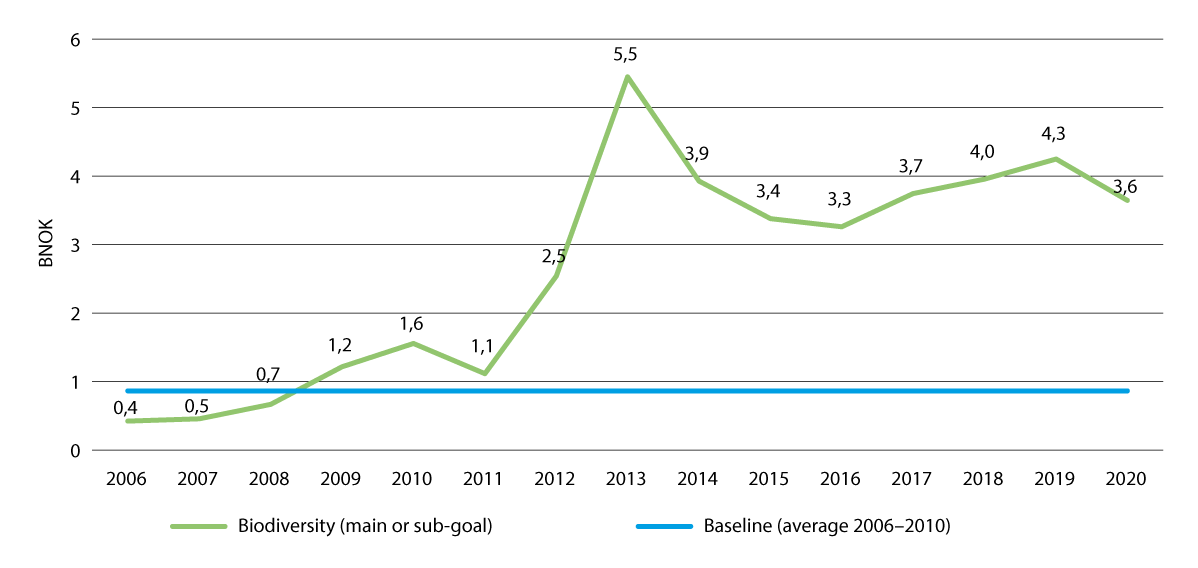
Figure 6.33 Bilateral aid for biodiversity
Trends in Norwegian bilateral aid for biodiversity in the 2006 to 2020 period, in BNOK per year.
Source: Norad
Norway supports several initiatives that are relevant for the KMGBF targets, including the International Union for the Conservation of Nature (IUCN), which is the world’s largest environmental network and is responsible for, among other things, the Red List that is used to map and monitor vulnerable species. Together with Germany, Norway supports a programme to assist developing countries in drawing up and implementing NBSAPs (Strengthening National Implementation of Global Biodiversity Targets). Funding is also given to the UNDP Biodiversity Finance Initiative (BIOFIN) so that developing countries can draw up national biodiversity financing plans. Such financing plans are fundamentally important for countries to be able to identify sources of increased nature financing, but also to identify the financing of measures that have a negative impact on biodiversity and that must therefore be reduced or adjusted.
Parties under the CBD are obligated to ensure fair and equitable sharing of benefits arising from the use of genetic resources and digital sequence information (DSI). Genetic data has great economic potential, and the topic is an important element of the KMGBF, and of high priority to Norway. A multilateral mechanism will be established and will include a fund for digital sequence. This will mean that the users of sequence information will be encouraged to contribute financially to the conservation of global nature and ensure a fairer sharing of benefits, while also ensuring that access to the information remains open. See further discussion of digital sequence information under target 13.
Other bilateral development aid is primarily aimed at other thematic areas but contributes to the targets of the KMGBF. One example is ocean development aid through the Oceans for Development programme, including funding for the Blue Action Fund (BAF) to establish new management, and improve sustainable and local management of, marine protection areas. Norway also provides significant funding to the World Bank’s multi-donor trust fund for the blue economy, PROBLUE, which, among other things, works on biodiversity from the perspective of marine area-use planning.
Norwegian biodiversity financing also takes place through the work on food security, in which the international agricultural research centres, CGIAR, are a central partner. The Commission on Genetic Resources for Food and Agriculture (CGRFA) is an important permanent forum where governments can discuss and negotiate matters that relate specifically to biodiversity for food and agriculture. Through the International Treaty on Plant Genetic Resources and the Crop Trust, Norway supports the world’s most important international and national gene banks in their efforts to manage their material in a responsible manner and small farmers in developing countries in managing a rich seed diversity through active use so that genetic resources are preserved for future generations.
At the 2021 United Nations Climate Change Conference in Glasgow, Norway promised to double its climate financing and, within that, to at least triple its financing for climate adaptation. Norway’s strategy for climate adaptation, prevention of climate-related disasters and eradication of hunger includes a priority area for nature-based solutions. Within this priority area, Norway supports projects that contribute to the protection of ecosystems and ecosystem services that are important for protecting people against climate-related disasters and increasing their ability to adapt to changes.
Norwegian funding for biodiversity through the EEA
Through EEA funds, Norway supports social and economic equality in 15 European countries together with Iceland and Liechtenstein. The funds will also contribute to strengthening the bilateral partnership between donor and beneficiary countries. Efforts to support the green investment amount to EUR 418 million of the total allocation of EUR 2.8 billion and this is one of three main priority areas. Support for biodiversity is a part of this and includes efforts to protect and restore ecosystems, ensure sustainable waste management, a circular economy and to combat air, water and soil pollution. Important work is also under way to build capacity and develop skills in the area. Nature-based solutions and environmentally friendly practices are emphasised in the implementation of projects. Funding is also available to strengthen public climate and environmental management, including legislative compliance, enhancement of management systems, development of digital solutions and procedures for the sharing of data. Around EUR 90 million of EEA funding for the current period has been allocated for the conservation and/or sustainable use of nature and biodiversity.
The Government is currently working on preparing and implementing negotiations with beneficiary countries for the next period of EEA funding. The green transition will also be one of three main priority areas in the next period and the conservation of nature and biodiversity will be included as part of this funding. The other two main objectives will be to promote states governed by the rule of law, democracy and human rights and socially inclusive and resilient communities.
Norwegian development aid for biodiversity through Norway’s International Climate and Forest Initiative
Norway’s International Climate and Forest Initiative’s work on financing, alliance-building and partnerships with other countries makes substantial contributions towards the increased international efforts for the conservation of rainforests. Multilateral institutions such as the UN and World Bank are also working to reduce deforestation, with contributions from Norway. This supports, for example, tropical forest countries with capacity-building, the implementation of reforms and investments in different sectors to protect forests and other nature, as well as payments for reduced emissions. A key element of NICFI’s work involves enhancing the voluntary market for carbon credits from reduced deforestation. The purpose is to mobilise private capital to forest countries to finance the transition to more sustainable land use policy. Significant private capital will be mobilised through contributions from private companies and the creation of a large-scale incentive regime for forests countries to reduce emissions from deforestation. This is how Norway contributes to the development of innovative schemes and experience and interest among private companies when it comes to the financing of nature. Going forward, Norway will also place emphasis on the importance of national resource mobilisation to limit deforestation and loss of nature in its dialogue with tropical forest countries and will contribute to facilitating exchange of experiences on the topic between tropical forest countries.
Indigenous Peoples and local communities manage a large portion of the remaining tropical forests and biodiversity. Through Norway’s International Climate and Forest Initiative, Norway works to strengthen the land rights and role of Indigenous Peoples in forest management, protect environmental defenders and increase the proportion of funding allocated directly to Indigenous Peoples and civil society organisations.
The Government will:
Nationally:
-
develop a method to measure investments in both the conservation and sustainable use of biodiversity in Norway in order to report on national resource use from nature under the KMGBF, thereby contributing to a better overview for the follow-up on the agreement
-
actively follow developments in innovative financing mechanisms to better facilitate investments in nature-positive projects and solutions and develop incentives for businesses and financial institutions’ mobilisation of private finance for nature purposes.
Internationally:
-
contribute to the exchange of experiences between countries on the mobilisation of national resources for the conservation and sustainable use of nature
-
work to improve the synergies between climate and nature financing in relevant public allocations and private investments, in policy development and in international negotiations to facilitate biodiversity inclusive considerations across all sectors
-
extend Norwegian International Climate and Forest Initiative until 2035
-
work towards a significant increase in nature financing, including the private sector, to support conservation, sustainable use and benefit-sharing
-
assess various instruments to enhance Norway’s nature financing for developing countries, including contributing to strengthening the multilateral development banks’ efforts for nature and ensuring that climate, nature and environmental efforts are viewed in conjunction
6.19.4 National target
The financing of measures that contribute to the conservation and sustainable use of biodiversity in Norway is proposed annually by the Government in the national budget. Climate and nature are closely linked and Norway’s largest measure to safeguard nature in other countries is Norway’s International Climate and Forest Initiative. There is also potential to exploit synergies between climate and nature financing to a greater extent than now. Against this background, the Government has established the following objective for target 19:
The Norwegian Climate and Forest Initiative is extended until 2035. Norway will strive to mobilise new resources globally, in particular from the private sector. Norway will strive for more synergies between climate finance and nature finance to more efficiently and effectively achieve targets in both fields.
6.20 Target 20 – Strengthen Capacity-Building, Technology Transfer and Scientific and Technical Cooperation for Biodiversity
6.20.1 Global target
Strengthen capacity-building and development, access to and transfer of technology, and promote development of and access to innovation and technical and scientific cooperation, including through South-South, North-South and triangular cooperation, to meet the needs for effective implementation, particularly in developing countries, fostering joint technology development and joint scientific research programmes for the conservation and sustainable use of biodiversity and strengthening scientific research and monitoring capacities, commensurate with the ambition of the goals and targets of the Framework.
The target is linked to the UN Sustainable Development Goals, sub-goals 14.A, 17.6, 17.7, 17.9, 17.16 and 17.18.
6.20.2 Status in Norway
Target 20 includes measures and developments nationally and internationally, but the focus here is on the international targets to capacity-building and development. As regards capacity-building and development, as well as access to technology in Norway, see the discussion under target 21. Environmental data is also discussed in further detail under target 21 but is also relevant to international capacity-building. Norwegian efforts to increase the overall international financial resources for biodiversity have been discussed under target 19. Chapter 4 provides a more detailed overview of various Norwegian contributions internationally.
The Intergovernmental Science-Policy Platform on Biodiversity and Ecosystem Services (IPBES) is a large and important knowledge provider. IPBES’ technical support unit for capacity-building (TSU) is part of the IPBES secretariat and plays an important role in the development, coordination and implementation of capacity-building activities to strengthen the relationship between science and decision-makers in both the north and the south. The unit is based at the Norwegian Environment Agency’s premises in Trondheim. Through the support unit, Norway is able to contribute to the best available knowledge basis, by ensuring that the broadest possible range of stakeholders can be involved in the production – and use – of IPBES’ reports and other deliveries. See also the discussion of Norway’s efforts in relation to IPBES’ work under 4.3.2.
For environmental management, an overarching aim in aid policy has been to contribute to developing capacity within partner countries to achieve the goals set out in multilateral environmental agreements. Through aid funds, Norway contributes to capacity-building in different ways.
One of five objectives in the Norwegian Agency for Development Cooperation (Norad)’s strategy towards 2030 is to contribute to a greener world. Norad has developed a dedicated action plan for greener aid, by which it aims to contribute towards more nature conservation, climate adaptation and low-emission developments by, among other things, supporting national follow-up of international environmental agreements. This includes strengthening developing countries’ capacity to realise their own ambitions and plans under environmental agreements such as the Convention on Biological Diversity through research and higher education, development and use of instruments, exchange of experience, skills development and capacity-building. As of 2022, Norad has established environmental initiatives across the sections responsible for administering aid. This includes thematic areas that contribute towards environmental targets and other measures to strengthen climate and environmental considerations. Furthermore, these will also contribute to ensuring that all of Norad’s environmental partners add environmental management and environmental performance as an agenda item at annual meetings and board meetings. These organisations selected by Norad from among their largest partners and Norad follows up with these separately to support the green transition.
Norad has also established a separate programme for capacity-building in higher education and research for development, NORHED II. The programme will contribute to a strengthened academia, more qualified labour, innovative solutions, knowledge-based policy design and practices and increased equality between genders, as well as inclusion. There are six different thematic areas within the programme, such as climate changes and natural resources, energy and policy management and economic management.
Norway also contributes funding for capacity-building through contributions to the Global Environmental Facility (GEF), which is a financing mechanism for six environmental conventions, including the Convention on Biological Diversity. Biodiversity is the thematic area with the largest amount of funding. Norway has committed to supporting GEF with NOK 780 million for the 2022–2025 period.
Capacity-building is also a part of the EEA and Norway Grants. «Environment, climate and energy» is one of five priority areas that beneficiary states can choose to use EEA funding on. For the current period, 11 out of 15 countries have chosen to include this theme in their portfolios. The implemented measures have had a positive impact on the Natura 2000 work within the EU and have contributed to fulfilling various EU directives linked to nature, climate and the environment. Furthermore, the cooperation has contributed to the implementation of restoration measures in line with the UN Decade on Ecosystem Restoration, as well as to greater collaboration on these themes between EU member states. As discussed under target 19, the Government is currently working to prepare for another funding period under the EEA and Norway Grants, where the European green transition will be one of three overarching priority thematic areas.
Norway also contributes through international participation and partnerships on research and innovation. The EU research and innovation programme Horizon Europe is the world’s largest research and innovation project and 35 per cent of the budget of EUR 95.5 billion is set aside for climate purposes intended to contribute to the green transition and sustainable value creation. The 2025–2027 strategy includes an objective for 10 per cent to go to research and innovation linked to biodiversity. Norway contributes through both the Research Council of Norway and participation from Norwegian knowledge communities and enterprises. Norway also contributes to the scientific partnerships through the Panorama strategy, in which one of five priority areas is evidence-based knowledge to achieve the UN Sustainable Development Goals. Examples of joint research fields are climate, biodiversity and marine. The scheme is administered by the Research Council of Norway, which publishes thematic calls for proposals under which Norwegian research organisations can apply for funding in partnership with Brazil, Canada, India, Japan, China, South Africa, South Korea and the USA.
Norway contributes a significant element of capacity-building in tropical forest countries through Norway’s International Climate and Forest Initiative. This is especially true when it comes to forest monitoring and the analysis of land use changes, but also more generally in relation to policy development and implementation. Some examples include capacity and expertise linked to securing land rights for Indigenous Peoples’ management of tropical forests and access to financing through payments for emissions reductions and participation in carbon markets. The satellite programme, which makes high-resolution satellite data from the tropical rainforest belt freely and publicly available, has contributed to a more detailed and updated knowledge platform, as well as the ability to understand and respond to changes among a broad range of stakeholders. In the continued work to use and make high-resolution satellite data available, needs related to biodiversity will be assigned particular emphasis.
Norway supports several projects under the Blue Justice initiative, which supports 60 countries that have affiliated to the Copenhagen Declaration on Transnational Organised Crime in the Global Fishing Industry. The Norwegian Ministry of Trade and Fisheries is responsible for managing the secretariat for the declaration and the initiative. An ocean monitoring programme launched in 2023, under which the countries get free global access to satellite tracking from Norwegian satellites, which strengthens the countries’ capacity to monitor fishing activities in national and international ocean regions. The initiative also helps to strengthen national and regional cross-agency collaboration to create more flexible and adaptable control systems.
Figure 6.34 Capacity building in Ghana
Photo from training in the use and analysis of satellite imagery for forest monitoring in Ghana. Norway's International Climate and Forest Initiative have made high-resolution satellite images of the tropical rainforest belt available and contributed with resources for capacity building for monitoring of tropical forests.
Photo: ©FAO
Through separate agreements with the environmental authorities in India, China and South Africa, Norway contributes to the implementation of projects, including projects related to biodiversity.
Norway also contributes to the implementation of the knowledge programmes Energy for Development, Agriculture for Development, Fish for Development and Oceans for Development. The programmes make use of Norwegian experience and expertise from public authorities and are based around professional collaborations through experience and knowledge sharing. Through these knowledge programmes, Norway contributes to enhancing expertise and capacity in public institutions in developing countries, to ensuring increased access to renewable energy without this being at the cost of nature targets, sustainable agriculture and fisheries and ecosystems and the marine economy.
Norway also contributes funding for global capacity-building in the management of world heritage sites. The Norwegian-funded capacity-building programme, the World Heritage Leadership Programme, trains local managers and brings them together through international networks in which they can learn from one another. Norwegian contributions to the UNESCO World Heritage Fund are used to improve the management of African nature areas. Many areas with important biodiversity, both on land and in the oceans, are classified as world heritage sites, including large national parks, rainforests, coral reefs and other ocean regions.
Norway joined the Global Biodiversity Information Facility (GBIF) in 2004 and established a Norwegian node at UiO – Museum of Natural History. Through GBIF, digital species data, as well as information about the location and time, etc. is shared and more than 800 million global species sightings have been made freely available to everyone. GBIF contributes, among other things, to the return of nature data from industrial countries to the global south. GBIF Norway has made nearly 50 million observations available from 242 countries and regions, but the majority are from Norway, including Svalbard and Jan Mayen. Large parts of the collections at Norwegian university museums have not yet been digitalised and are therefore not available through GBIF.
The Norwegian Agency for Exchange Cooperation (Norec) contributes to result achievement by providing young people with international work experience and expertise within sustainable development and by providing funding for global partnerships and sharing knowledge with others through its role as a centre of excellence for exchange. The environment, including biodiversity, is one of Norec’s thematic priorities, together with climate and food security, including climate adaptation, elimination of hunger, oceans, equality and women’s rights, human rights and labour rights.
6.20.3 Measures and instruments to contribute to the target
As described above, Norway contributes to international capacity-building and development in several different ways. Evaluations are important for producing knowledge about the impact of instrument use and for implementing any necessary changes. There is demand for measures and instruments and the evaluations that have been conducted show that they have a positive impact.
Norway’s cross-policy support for the multilateral system, the EEA agreement, development partnerships with partner countries and the relatively significant aid budget generally have a positive impact on capacity-building and development and place us in a unique position to contribute positively to target attainment. The experience also indicates that «Norwegian experience», including from the development of shared common platforms and sectoral partnerships, is extremely relevant and useful to share. Most of the partner countries under the environmental agreements and knowledge programmes need to make some extremely complex trade-offs when it comes to balancing the need for economic development against the need to safeguard important ecosystem services. Going forward, there will therefore be a need to strengthen the role of the environmental management in various countries, especially when it comes to contributing to agreed knowledge platforms and as a driving force for sectoral collaboration and responsibility.
The Government will:
Internationally:
-
contribute to increased capacity-building on the part of authorities in tropical forest countries and civil society in order to utilise the possibilities from high-resolution satellite data in the work to reduce deforestation, conserve nature and for sustainable developments
-
continue capacity-building for access to financing and for sustainable land use management for Indigenous Peoples, civil society and governments as part of the work of Norway’s International Climate and Forest Initiative
6.20.4 National target
Norway contributes extensively to capacity-building and development at an international level. The Government has established the following objective as Norway’s contribution to target 20:
Continue to support work on capacity building and development to promote the conservation and sustainable use of biodiversity globally through scientific cooperation and relevant development assistance programs.
6.21 Target 21 – Ensure That Knowledge is Available and Accessible to Guide Biodiversity Action
6.21.1 Global target
Ensure that the best available data, information and knowledge are accessible to decision makers, practitioners and the public to guide effective and equitable governance, integrated and participatory management of biodiversity, and to strengthen communication, awareness-raising, education, monitoring, research and knowledge management and, also in this context, traditional knowledge, innovations, practices and technologies of indigenous peoples and local communities should only be accessed with their free, prior and informed consent,14 in accordance with national legislation.
The target is linked to the UN Sustainable Development Goals, sub-goals 14.4, 14.A, 17.6, 17.7 and 17.18.
6.21.2 Status in Norway
Biodiversity management in Norway is based on knowledge from various sources. Knowledge of nature includes data, statistics, mapping and monitoring, research, reports, syntheses and prognoses.
The Norwegian Environmental Information Act ensures that the general public has access to environmental information in line with Section 112 of the Norwegian Constitution and the Aarhus Convention. Such data is made visible in Ecological Base Maps, Species Maps, Naturbase, Vann-Nett, Miljødirektoratet.no, Miljøstatus, the Global Biodiversity Information Facility (GBIF) and the Norwegian University Museums’ IT Organisation (MUSIT). In order to communicate knowledge about nature to the population, the Norwegian Ministry of Climate and Environment provides funding to 34 visitor centres for nature and seven for world heritage. Children and young people are prioritised highly.
Figure 6.35 Children learning about birds
At the Jæren Wetlands Visitor Centre.
Photo: Jæren Wetlands Visitor Centre
Mapping
The mapping of species and habitat types is important in understanding the nature we have and where we can find it, how much of it there is and its quality. Mapping allows us to identify valuable nature ahead of making decisions that could affect biodiversity, land use and other use and provides us with a good national overview of nature.
Mapping of habitat types is based on the Nature in Norway (NiN) system. The Norwegian Environment Agency has selected 111 biotopes that are endangered/near threatened, especially poorly mapped and/or cover key ecosystem functions.78 Mapping under the auspices of the Norwegian Environment Agency is prioritised in areas with high levels of activity and development pressure, where it is also likely that you will find endangered nature or biotopes that have important tasks in an ecosystem. Such mapping is also carried out through other contracting authorities. During the 2018–2023 period, 4.4 per cent of the Norwegian mainland was mapped for terrestrial biotopes under NiN. This amounts to 14,130 km2, with localities of the 111 biotopes being found in 18 per cent of the area (2,543 km2). Biotopes that are especially important for biodiversity have also been found using an older system (DN Manual 13) on 3 per cent of the mainland. There is no comprehensive overview of all biotopes and species in Norway.
For nearly 20 years, marine biotopes in the oceans have been mapped through the MAREANO programme. Mapping of the seabed has provided key knowledge of areas that are of importance to functions in marine ecosystems. The MAREANO programme maps the seabed of Norwegian ocean regions to enhance this knowledge.
The ecological base map initiative to increase knowledge of Norwegian nature was an important part of the follow-up on the previous NBSAP White paper, Nature for Life. The ecological base map access solution includes maps with information about species, biotopes, ecosystems, the landscape and environmental variables from different sectors in one place so that they can be viewed through a single access solution. The Species Data Bank manages both the ecological base maps and the species maps, in which localised information about species is available. All data communicated via species maps is also available through GBIF. Through GBIF, Norwegian species data is used by researchers from the entire world, while Norwegian researchers are able to access data from all around the world. Many species are poorly mapped or have disappeared from localities where they were previously observed. The Norwegian Environment Agency runs the Naturbase access solution, where it is possible to find localised information about relevant topics for spatial management on land and in the coastal zone (see Box 6.28). As part of the work on the ecological base maps, comprehensive national maps on selected topics have also been developed and produced. These include «hotspots» for endangered species, an initial version of a major ecosystem map and the biodiversity in different landscapes.
Textbox 6.28 Gathering biodiversity data in maps
The Ecological Base Maps Portal is an access solution from the Norwegian Species Data Bank that has been developed on commission from the Norwegian Ministry of Climate and Environment. It forms part of the initiative to increase knowledge of our nature and constitutes key follow-up on Norway’s previous NBSAP, Nature for Life. The solution shows localised biodiversity data. That is, species, biotopes, landscapes and environmental variables of relevance to the prevalence of such diversity. The ecological base map service presents unified biodiversity maps in one place and allows users to download and use the data through their own map solutions via Geonorge. The Norwegian Environment Agency, together with a ministry group for ecological base maps, has established criteria for which maps can be shown as ecological base maps.
Naturbase maps is an access solution from the Norwegian Environment Agency aimed especially at land management. In addition to biodiversity maps, Naturbase maps also include datasets of relevance in spatial planning, such as mapped outdoor recreation zones, cultural heritage and noise maps. In addition to viewing data on maps, Naturbase maps also include several tools and features that are useful in spatial planning.
Artskart is an access solution from the Species Data Bank that shows findings and observations of species on maps. You can, for example, see where species have been found, and you can see what has been reported within an area such as a local authority or conservation area. The data in Artskart is provided by natural history museums, various biological scientific communities and volunteers. The Artskart solution has been made possible through a collaboration between the Species Data Bank, GBIF Norway and data owners.
Figure 6.36 Mareano mapping
The Mareano programme maps terrain, biotopes and species on the seabed. The image shows a coelenterate, the hydroid Corymorpha glacialis, at a depth of approximately 1000 metres off Vesterålen.
Photo: Mareano/Norwegian Institute of Marine Research
Nature monitoring and systems to collate knowledge
By monitoring nature over time, we can assess the status and development for different types of nature in Norway. Such long time-series provide an important foundation to initiate new measures to conserve nature and assess the impact of such measures. For example, long time-series for the different fish stocks in Norwegian waters are a prerequisite for sustainable fisheries management in Norway. There are a number of ongoing programmes for different types of environmental monitoring. Most fall under the auspices of the Norwegian Environment Agency, with contributions from other sectors, environmental institutes and other stakeholders, such as the resource and land monitoring in agriculture under NIBIO or the ocean monitoring initiated by the Norwegian Ministry of Trade and Fisheries via the Norwegian Institute of Marine Research.
The nature index, assessment system for ecological condition and the follow-up on the water regulations are systems that are used to measure the integrity and status of nature and developments relating to Norway’s climate and environmental targets. These systematise available knowledge relating to the integrity of nature, primarily using data from different nature monitoring programmes. See more detailed discussion in box 3.1 in Chapter 3.1. The knowledge gathered from the systems is presented on the Miljøstatus website.
Research
Climate and loss of biodiversity are one of the six thematic priorities that form the basis for the White paper no. 5 (2022–2023) Long-term plan for research and higher education 2023–2032. The long-term plan references the Intergovernmental Science-Policy Platform on Biodiversity and Ecosystem Services, which notes that nature can be preserved, restored and sustainably used at the same time that other societal goals are achieved, but that new, improved solutions will necessitate new knowledge in a number of areas. Furthermore, the long-term plan states that we require knowledge of nature, climate and sustainable management, as well as knowledge of human behaviour in order to succeed in a fair and efficient transformation.
Research in several disciplines and interdisciplinary research provide us with new knowledge of nature, solutions for the conservation of nature and sustainable solutions for the green transition. Research also forms the basis for innovations advantageous to the management of nature. Nature research takes place in research institutions, the university and university college sector and, to some extent, in trade and industry. Research into Norwegian nature is financed through a number of sources, primarily public sector sources.
Over the past 20 years, new methods for DNA analysis have revolutionised both research and the management of biodiversity. The university museums have a national mandate to develop, protect and manage scientific collections. This responsibility has increased substantially through Norway’s focus on open research and FAIR data.79 Norway’s participation in GBIF ensures that Norwegian species data is FAIR.80
Norwegian researchers contribute and bring back valuable knowledge about nature through participation in European and international research networks. They also bring back research funding in partnership with international partners.
Access to environmental data and other knowledge about biodiversity
Nature monitoring, mapping and research rely on infrastructure and shared systems to collect, process, analyse and publish environmental data. Several of these systems span multiple sectors and national borders and are used in both management and research. The Nature Risk Commission has, among other things, noted that environmental information must be systematised, digitalised and published to a greater extent than now.
The EU infrastructure, DiSSCo, completes established solutions for the sharing of data from collections in GBIF through the establishment of pan-European solutions for collection management and access to physical objects in collections.
Much of the knowledge about species diversity is collected through impact assessments or projects funded by different sectoral authorities and private initiators. Limited primary data is shared and made openly available from such efforts. A lack of capacity or resources also means that limited physical material is incorporated in natural history collections. The fact that data that has been collected and used as the basis for decisions at different levels of authority is not published or made available could lead to duplicate mappings. It will also result in worse democratic processes in land management.
One challenge at global and national level is traditional knowledge being lost and that such knowledge is not maintained in the best interests of affected groups of the population and society in general. In Norway, this is particularly relevant in relation to Sami knowledge and sustainable use of biodiversity, as well as other traditional knowledge and use. Experience-based knowledge, for example, provides an important basis for sustainable Reindeer husbandry.
6.21.3 Measures and instruments to contribute to the target
Compared to many other countries, Norway has made great strides in mapping, nature monitoring, research and work on scientific systems. Nevertheless, we still lack environmental data for several areas. The scientific systems that will be used to unify the knowledge we hold about nature could therefore provide less information about ecosystems for areas for which there is a lack of data, especially wetlands, cultural landscapes and open lowlands. Even though work is ongoing, there is still a need for more comprehensive and localised information about the proliferation and integrity of ecosystems and about the ecosystem services nature provides to society.
The Government has initiated its work to develop nature accounts in accordance with the UN system on nature accounts. This work is discussed in further detail in Chapter 5.2. Quality and precision in nature accounts rely on access to nature data about ecosystems’ distribution, integrity and ecosystem services. This will be a key priority area in biodiversity knowledge efforts going forward. For the continued work on nature accounts, there will also be a great need to establish more national and comprehensive nature maps that are unified across sectors. Maps showing how different biodiversity types are distributed in an area will also be an important building block in the UN system for nature accounts. See discussion about the establishment of base maps for use in spatial accounts and nature accounts in Chapter 5.2.
Norway emphasises evidence-based, integrated and responsible ocean and coastal management. The management is based on an extensive system for knowledge collection from mapping, research and environmental monitoring. Knowledge development provides a better understanding of the ecosystems in the oceans and the functions they have, including the delivery of ecosystem services that benefit people. The knowledge will also improve the data required to prepare ocean accounts. Ocean accounts will, among other things, include the development of ecosystem accounts for the oceans, in which the value of marine ecosystems and ecosystem services is assessed.
Nature mapping
New data sources and analytical methods using remote sensing (such as satellite data), modelling and artificial intelligence (AI) can provide key information about how much and what nature we have throughout the country and how it is developing. The Norwegian Environment Agency’s strategic plan for ecological base maps (2022–2026) aims to offer comprehensive national maps featuring environmental data. The work will, where appropriate, be based on modelling, remote sensing and systematically collected data at ground level by field workers or other data used to train the models to ensure that they are accurate.
Nature mapping must be repeated at regular intervals to maintain an overview of the status and developments in nature. Norway is large and it is not always sufficient to rely solely on field workers conducting mapping in nature. Comprehensive map data based on more data in addition to traditional field data can collect and systematise different parts of the knowledge platform and provide greater opportunities to monitor developments in nature. Satellite images will, for example, be available much more frequently and over larger areas than a field worker can cover. Comprehensive maps featuring environmental data could have a positive effect on overall spatial planning, impact analyses, concept studies and more.
The Government presumes that the mapping of biotopes on land using the NiN system will continue with a focus on areas with high levels of activity and development pressure. Mapping instructions for marine biotopes and biotopes in freshwater under NiN, including the Norwegian Ministry of Trade and Fisheries’ biotopes of relevance to management, are in development and will be ready for use in 2025. 30 marine biotopes and 18 biotopes in freshwater that are endangered/near-threatened, especially poorly mapped and/or that cover key ecosystem functions have been selected. The mapping of these ecosystems will also focus on areas with high levels of activity and development pressure.
Nature monitoring
More monitoring will be required to contribute more knowledge about developments in the different ecosystems. In the two existing monitoring programmes, on Norwegian nesting birds and area-representative nature monitoring (ANO), expansions are currently being implemented to better monitor wetlands. In ANO, monitoring will also be extended in open lowlands and semi-natural land. Both of these expansions are expected to be operational from 2025. There is also a focus on increased use of technology in nature monitoring. Among other things, developments are under way for new monitoring of palsa mires using remote sensing, artificial intelligence is used to recognise species in small rodent monitoring and efforts are being made to increase the use of open, interactive access solutions for monitoring data.
Norway’s International Climate and Forest Initiative has financed the free access to satellite data that is updated monthly in the tropical rainforest belt. This data is used by a number of authorities, academia, civil society and others for e.g. mapping, law enforcement and monitoring of developments in nature. The data enables us to better understand developments and respond to emergent changes and document illegality.
In order to ensure good use of data about forests, we will also require analytics tools to analyse the data. Norway’s International Climate and Forest Initiative supports the development of tools that can be used to analyse forest data through e.g. the UN Food and Agriculture Organisation (FAO). Going forward, it will be important to ensure that these tools are developed to also analyse and retrieve information of relevance to the fulfilment of the Kunming-Montreal Global Biodiversity Framework where needed. Norway’s International Climate and Forest Initiative has also placed emphasis on ensuring that information about forests and deforestation is publicly available. This is an important topic in partnerships with forest countries, in addition to supporting the publishing of information about forests through e.g. FAO and Global Forest Watch. It would be natural for publicly available data about nature to be assigned similar emphasis in the work going forward.
Scientific systems to unify knowledge
The nature index will be updated for all ecosystems in 2025. In the Norwegian assessment system for ecological condition, work is under way to develop new indicators and to unify more knowledge about wetlands, open lowlands and semi-natural land. When the work is completed in 2026, it should be possible to conduct ecosystem condition assessments for all ecosystems on land. Nevertheless, there will still be a need for further efforts to increase the quality of assessments, by strengthening the data through nature monitoring and the further development of the scientific system to include new indicators.
Environmental data and infrastructure
There is a need for increased investment in infrastructure and capacity for data processing on the part of those who collect and make data available for research, management, trade and industry and the general public. This entails an increased focus on digitalisation and analytical capacity, as well as the financing of national solutions for geographical data (Geonorge, the Norwegian Mapping Authority) and shared research infrastructure through international initiatives and national platforms. The Data Infrastructure Commission’s recommendations indicate that there is a need for funding for data infrastructure and expertise, as well as guidance, to make data available in accordance with the open data and FAIR principles. This is especially important when it comes to biodiversity. The Nature Risk Commission has also noted the need for open access for the general public, management, enterprises and research in a manner that allows for connections to other data sources and facilitates the further analysis of data in line with the FAIR principles.
Research and knowledge needs
In the long-term plan for research and higher education for 2023–2032, the Government presented several ambitions for research and higher education in Norway in the coming years. The long-term plan sets out that Norwegian participation in international academia and research partnerships constitutes a key part of the basis for being able to manage current and future challenges such as the climate and nature crisis. Within the thematic priority on climate, environment and energy in the long-term plan, research on ecosystems in Norway, including the critical limits of nature, possible tipping points, the value of nature and sustainable land management have been prioritised. The Government will also prioritise the further development of an efficient and accessible environmental data system for research and management. The Government expects universities, university colleges and research institutions in receipt of public fundamental or basic funding to help meet the knowledge and expertise requirements within climate, environment and energy.
The Research Council of Norway is an important funding channel for research projects and plays a strategically important role in maintaining national priorities, for example as set out in the long-term plan. All sectors have an independent responsibility to ensure knowledge of their impact and effects on climate and the environment. The energy authorities, for example, help develop a knowledge platform on renewable energy plants’ impact on ecosystems and nature, as well as associated management challenges, so that the knowledge platform can be used in management. The Ministry of Climate and Environment has the overall responsibility for the integrated knowledge platform for climate and the environment, but this is being developed through collaborations between sectors and specialist authorities.
The Climate Commission 2050 writes that land is a scarce resource and that there is a lack of research and data on nature and land management, land use changes, overall impact, valuation and nature-based solutions. There is a need for more knowledge about sustainable land and nature use and how circular solutions can reduce pressure on limited natural resources and safeguard the climate. More research can contribute to better solutions for the sustainable use and conservation of nature in Norway. The Research Council of Norway has several different instruments to ensure independent, interdisciplinary research that provides new knowledge and develops expertise that can be used by management and in trade and industry. Centre schemes, such as the existing research centres for environment-friendly energy research (FME) or centres for research-based innovation (SFI), facilitate user participation, innovation and applied and investigative research. The centre models are well proven and shed light on conflicts and dilemmas, providing a comprehensive approach to solutions for policy design and land and nature management. The Research Council of Norway does not currently have a centre scheme for nature. A centre scheme for sustainable land and nature use could provide solutions for policy design and land management with a comprehensive approach. A scheme would also link evidence-based solutions, tools and instruments for land and natural resource management to practices and policies at local and national level through broad user involvement and by shortening the time from research to implementation.
There is also a need to enhance and facilitate knowledge of the impact of climate change on biodiversity in polar regions, as well as international partnerships on such knowledge. Since the temperature in the Arctic is rising around three times faster than the global average and especially quickly on Svalbard, such knowledge will be crucial to adapting nature management to climate change. An important element here will be better models to assess probable future changes to the proliferation of ecosystems and species and taking this into account in conservation strategies and the planning of measures. In order for such measures to be accurate, there will also be a need for more knowledge about the species we have. More than 25,000 species are estimated to not yet have been discovered in Norway.81 It is important to facilitate such knowledge and develop tools to use the knowledge in management.
The Norwegian Ministry of Climate and Environment has established a knowledge strategy with the main purpose of ensuring a comprehensive knowledge system for climate and the environment that is effective and relevant to decision-making. The strategy sets out the knowledge needed in relation to climate and the environment and prioritises the knowledge that must be developed. The list of prioritised knowledge includes plenty of knowledge of relevance to the follow-up on the KMGBF. The knowledge strategy is used as a governing tool by underlying agencies and the Research Council of Norway. The prioritisation of knowledge is therefore followed up in knowledge production within management and research. The Norwegian Environment Agency has sorted its priority knowledge needs under each of these in a searchable system.82
Of particular importance and assigned the highest priority in the Norwegian Ministry of Climate and Environment’s knowledge strategy is knowledge about the status and developments for integrity and impact, as well as the overall impact on Norwegian ecosystems. This also includes how and how much different activities impact environmental integrity and knowledge on future developments based on scenarios and projections for greenhouse gas emissions, land use, pollution and other environmental impacts. Such scenarios and projections are well established for the climate but less used in nature management. Nevertheless, it is very important for the management of biodiversity and the follow-up on the KMGBF to know which way the trend will go if there are no changes to instrument use (Business-as-usual scenario) and whether the measures that have been implemented work as intended. A consortium of research institutes will deliver a knowledge summary on methodologies for projections and scenarios for developments in Norwegian nature by the end of 2024.
Other important knowledge needs include knowledge about the assets and ecosystem services nature provides to society and the socioeconomic consequences of climate and environmental impacts, as well as different measures and instruments. This is knowledge that is necessary to ensure evidence-based management of the country’s resources. The Ministry of Climate and Environment aims to follow up on the work through projects and in governing dialogue with the Research Council of Norway from 2025 onwards.
Participation in and contribution from international knowledge environments will be crucial for Norway to have the best possible access to data and knowledge about nature.
Indigenous and traditional knowledge is also important in this context. Pursuant to Section 8-2 of the Norwegian Nature Diversity Act, the authorities must place emphasis on knowledge based on generations of experience from the use of and interaction with nature, including Sami use, which can contribute to the sustainable use and conservation of biodiversity. There is no systematic overview of the experience-based knowledge that is available. In recent years, the Norwegian Environment Agency has conducted a project linked to experience-based knowledge with the aim of gathering knowledge on how natural resources were utilised before. This knowledge is used for nature guidance, maintenance and management. The regulations on the preservation of traditional knowledge linked to genetic materials will ensure that Indigenous Peoples’ and local communities’ interests are safeguarded and respected in others’ access to and utilisation of knowledge linked to genetic material developed, used, stored and transferred by Indigenous Peoples or local communities (traditional knowledge).
The EU research and innovation programme, Horizon Europe, and other European research initiatives Norway participates in, including JPI Cultural Heritage and Global Change, place emphasis on the use of an interdisciplinary approach. Based on the principles for FAIR data, guidelines have been drawn up for Indigenous Peoples’ rights to traditional knowledge using the CARE data principles (Collective Benefit, Authority to Control, Responsibility, Ethics), 83which are also highlighted and recommended by Sami associations in Norway.84 Norway’s participation in GBIF helps ensure that Norwegian species data is shared in accordance with the CARE data principles. The Government places emphasis on continued contributions to interdisciplinary research and international collaboration within the field of climate and the environment.
Education
Sustainable development is an integral part of the value platform for daycare facilities and a central part of the content and duties of daycare facilities. In primary and lower secondary education, respect for nature and environmental awareness also form part of the value platform and sustainable development is prioritised as one of the interdisciplinary themes in the curriculum, together with democracy and social citizenship, as well as public health and life skills. The training will help pupils and learners to develop a joy in nature, respect for nature and climate and environmental awareness. They will experience nature and learn to view it as a source of benefit, joy, health and learning. At the same time, they will develop an awareness of how peoples’ lifestyles affect nature, climate and also society. Another educational objective is to help pupils and learners to develop the desire to look after the environment. These are perspectives that are also highlighted in university museums’ communications to daycare facilities and schools.
By creating interest in nature and the environment at daycare facilities and in primary and lower secondary education, it becomes an important cornerstone for understanding the world and making future choices in life, including educational choices. For example, it is crucial that we are able to recruit for natural sciences at upper secondary school and university for society to have the necessary expertise to maintain and develop knowledge of biodiversity and the environment.
The global target emphasises the fact that Indigenous Peoples’ and local communities’ traditional knowledge should be used exclusively subject to their free and informed prior consent. Sami education and traditional knowledge are part of primary and secondary education and training today. For example, there are currently educational offerings in duodji (Sami arts and crafts) and reindeer husbandry in upper secondary education and in higher education. In the White Paper to the Storting no. 13 (2022–2023) Sami language, culture and community – Skills and recruitment for daycare facilities, primary and secondary education and training and higher education, the Government presented its plan for the Sami languages to live on and reach more people. The white paper outlines several priority areas for, among other things, safeguarding Sami languages.
Statistics and indicators
The Norwegian Ministry of Climate and Environment establishes indicators in the field of climate and the environment in relation to a number of different national targets and international agreements in addition to the KMGBF. These include the national climate and environment targets, for which the status and development are shown on the Miljøstatus website, the Government’s Climate Status and Plan and the UN Sustainable Development Goals. The national sustainability indicators are published on the Statistics Norway website.85 Important principles for indicator developments in the environmental field are to ensure that there is adequate correlation between indicator sets, reuse and multi-use so that the indicators and data that form the basis will be used in other places where relevant and for the indicators to have sufficient data to measure the status and developments over time. One challenge is that several of the indicators have inadequate data. In the spring of 2024, the Norwegian Ministry of Climate and Environment commissioned the Norwegian Environment Agency to conduct a cross-cutting assignment on indicators to be solved in 2024 and 2025. The work will help ensure that all of the ministry’s areas of responsibility and objectives have comprehensive indicators to assess the status and developments in the environment and that there is adequate correlation between the indicators associated with each result range.
Further Norwegian work on indicators linked to the KMGBF will be used to monitor trends in the follow-up of the agreement – to report on national targets presented in this report. The work with indicators for the follow-up and reporting under the KMGBF, both nationally and internationally, is a scientific effort that will be managed and coordinated by the Norwegian Environment Agency with input from other relevant ministries and agencies.
There are high levels of knowledge collection taking place in connection with the mapping of the status and developments in nature under the auspices of both the public and private sector. It will therefore be important to ensure that the indicator work, which will provide insights into the status for achievement of the KMGBF, has been structured to benefit from the most up-to-date data, knowledge and methods available.
The Norwegian Environment Agency participates in the international work on indicator developments linked to the KMGBF and has, as part of the wider indicator work, been tasked with ensuring good correlation between national and international indicator developments in the field of nature, following up on the ministry’s previous delivery on Norwegian indicators in relation to the targets and indicators set down in the KMGBF and investigating indicators for the National targets to the global targets when the new White paper on nature has been presented. To the extent possible, these indicators should be based on existing indicators and data. Part of the assignment also entails ensuring consistency with the Norwegian Environment Agency and Statistics Norway’s work on nature accounts.
Access to environmental data and other knowledge about biodiversity
The Government intends for Miljøstatus to remain a main channel through which the authorities will communicate Norwegian climate and environmental targets and the status of target attainment to the population. Visitor centres will continue to play a key role in the dissemination of knowledge, especially to children and young people. A visitor centre strategy is in development and will likely be completed in 2025.
Growing amounts of data from several different sources, such as satellite images and environmental DNA have led to a need to modernise environmental data management. Data has the greatest value when it can be viewed in the context of other data, for example data collected over time or geographical proliferation and when data is used for multiple purposes. Key principles in the work on environmental data are to ensure that data is searchable, accessible, comparable and reusable (open data, WCAG86 and FAIR87principles) in an ethical manner that takes into account the rights of Indigenous Peoples (CARE88principles). Constant developments linked to digitalisation and security have led to stricter requirements for those who facilitate and make data available. The Norwegian Ministry of Local Government and Regional Development has developed guidelines to ensure that public data is made available in a manner that allows users to benefit from the data.89 We need unified standards and systems in order to share data across national borders and to report internationally. Norway will contribute to strengthening the international collaboration on the development and sharing of data, as well as statistics and indicators for increased knowledge of the integrity of nature in Norway and in developing countries through e.g. UNEP, IPBES, GBIF and other relevant international organisations. The funding of free and open satellite data through Norway’s International Climate and Forest Initiative has shown how valuable public access to updated knowledge on the status of nature is. The satellite data programme helps various stakeholders to monitor, analyse and respond to changes on the basis of the same knowledge basis.
The use of artificial intelligence (AI) in research will, in all likelihood, become extremely important in the coming years when it comes to producing and comparing knowledge.
The Government will:
Nationally:
-
enhance knowledge of projections and the use of scenarios for biodiversity
-
ensure better infrastructure and capacity for environmental data, nationally and internationally
-
strengthen the work on monitoring, collection of nature data and mapping as the basis for nature accounts
-
make biodiversity more accessible to the general public and decision-makers
-
prioritise research efforts for sustainable nature and land use to, among other things, develop research-based solutions, tools and instruments for land and natural resource management and help see the correlations between international commitments, national management and targets and local land and nature resource management
-
establish a centre scheme for research into sustainable nature and land use in the Research Council of Norway
Internationally:
-
enhance the international collaboration for the development and sharing of open environmental data through UNEP and other relevant international organisations
-
support the multilateral work on international knowledge development in the field of nature, including IPBES, IPCC, UNEP, GEO and OECD
-
support the development of tools that can be used to analyse high-resolution satellite data for nature purposes in tropical forest countries
-
work to make sure that data about nature in tropical forest countries is publicly available and further develop the work on transparency in forest management to help follow up on biodiversity targets in tropical forest countries
6.21.4 National target
From a global perspective, the level of knowledge development and access to information and knowledge about biodiversity is relatively high in Norway. Nevertheless, there is a need to increase the collection of, development of and access to biodiversity data, including for the purpose of meeting the knowledge requirements for nature accounts. Against this background, the Government has established the following objective for target 21:
By 2030, the data, information and knowledge on the state of, and the changes in, key ecosystems in Norway, including their distribution, quality and ecosystem services, are strengthened and made available in Norway’s nature accounting.
6.22 Target 22 – Ensure Participation in Decision-Making and Access to Justice and Information Related to Biodiversity for All
6.22.1 Global target
Ensure the full, equitable, inclusive, effective and gender-responsive representation and participation in decision-making, and access to justice and information related to biodiversity by indigenous peoples and local communities, respecting their cultures and their rights over lands, territories, resources, and traditional knowledge, as well as by women and girls, children and youth, and persons with disabilities and ensure the full protection of environmental human rights defenders.
The goal is linked to UN Sustainable Development Goal 5 and sub-goals 1.4, 10.2, 16.3, 16.7 and 16.10.
6.22.2 Status in Norway
Norwegian law will ensure the opportunity for all groups mentioned in the target and all other groups in society to participate in decision-making processes and to be treated fairly in the legal system. Fundamentally, Norwegian legislation provides well for participation through the right of access, duty to provide guidance and procedural rules. The Norwegian Freedom of Information Act and the Norwegian Public Administration Act provide the framework for processes, duties and rights associated with involvement and participation in environmental management. This is further specified through sectoral legislation, regulations and guidance. The Norwegian Environmental Information Act ensures that the general public has access to environmental information in line with Section 112 of the Norwegian Constitution and the Aarhus Convention.
Local authorities manage the vast majority of land in Norway through the Norwegian Planning and Building Act. The act includes provisions on participation and places emphasis on open planning processes in which everyone will have the opportunity to participate. There are separate national policy guidelines for children and planning and the Norwegian Ministry of Local Government and Regional Development provides guidance on participation in planning, universal design and on children and young people in planning and building application processes. Furthermore, the rules on impact assessments for plans and measures under the Norwegian Planning and Building Act and other legal provisions contain provisions that are intended to ensure private and public sector parties’ participation in such decision-making data. Sections 41 to 43 of the Norwegian Nature Diversity Act lay down rules to ensure that the administrative procedures relating to the establishment of conservation areas are comprehensive, open and inclusive. The ministry has established circular T-2/15 which provides supplementary guidelines on administrative procedures relating to area protection.
Norway has established strong procedures for the involvement of the Sami Parliament and other affected Sami interests in all matters relating to Sami interests. Matters affecting Sami interests and the local community are issued for consultation among affected parties. Consultations are conducted on matters that could have a direct impact on Sami interests. This means that there is an opportunity to bring experience-based knowledge into the process, which in turn will be emphasised in decisions made by the authorities. Traditional knowledge is discussed in further detail under target 21.
For further details linked to gender equality, see target 23.
6.22.3 Measures and instruments to contribute to the target
There are framework conditions in place in the form of legislation and policy guidelines on participation being a fundamental democratic right that must be practiced by the public management.
Participation is of great importance to the implementation of planning and protection processes. In a time of increasing polarisation and social unrest due to resistance to climate and nature measures in other European countries, it is crucial to ensure adequate participation. Through participation, the local population will be able to communicate local knowledge and gain increased understanding of decisions under which considerations for nature were assigned the greatest emphasis. The Government will take a closer look at measures to enhance participation in planning processes.
In matters affecting Sami interests, the consultation rules pursuant to Chapter 4 of the Norwegian Sami Act apply. The Norwegian Sami Act includes a duty for The Government, regional authorities and local authorities to consult with the Sami Parliament and other Sami interests on matters that affect them. The rules facilitate consultations between public authorities and the Sami Parliament, or other Sami interests, taking place in good faith and with the purpose of reaching agreement. This means, among other things, that consultations must be implemented with mutual loyalty and respect for parties’ interests, values and needs. The consultation requirement applies in addition to ordinary administrative procedural rules. The Norwegian Nature Diversity Act also includes a separate provision that states that adequate emphasis shall be placed on the consideration for the natural basis for Sami culture within the framework of each provision if any decisions pursuant to the act affect Sami interests (Section 14-2). For a more detailed discussion of traditional knowledge, see target 21.
To ensure broad involvement and participation, it is important to ensure adequate and accessible information and dissemination of knowledge. To ensure that different groups’ perspectives and preferences linked to the use of nature and nature management are safeguarded, the quality and gender perspective must be integrated and safeguarded in the actual decision-making processes. This requires decision-makers to be aware that different groups have different preferences and views and to take this into account in impact assessments and final decisions. When different people are involved in decision-making processes (representation), this can bring different perspectives and experiences that are more reflective of the broader population. Environmental management will continue working to ensure clear language, as well as to facilitate and publish information to underpin participation. In this context, it is also important to assess different needs for facilitation in different languages to reach different user groups. See also the discussion about access to knowledge on biodiversity under target 21.
Norway also works to ensure representation and participation in the work to safeguard nature in other countries. Through support for civil society, capacity-building and as part of the development of carbon markets for forests, Norway’s International Climate and Forest Initiative has facilitated Indigenous Peoples’ demands for recognition of traditional territories and civil society’s participation in decision-making processes.
The situation for environmental defenders, including Indigenous Peoples, is difficult in some of the NICFI partner countries. Raising, problematising and working to improve conditions for environmental defenders is part of the bilateral dialogue with the Climate and Forest Initiative’s partner countries, as well as in the United Nations Human Rights Council and other multilateral forums.
The Government will:
Nationally:
-
continue providing guidance on broad participation in planning under the Norwegian Planning and Building Act
Internationally:
-
contribute to more effective protection of environmental defenders through e.g. bilateral forest partnerships and support for Indigenous Peoples and civil society
6.22.4 National target
Norway has excellent framework conditions in the form of legislation and policy guidelines that ensure participation from various user groups in environmental management. Against this background, the Government has established the following objective for target 22:
Continues to work on ensuring participation in decision-making processes, access to information and access to the legal system for society at large, and maintains the current arrangement of consultations in accordance with chapter 4 of the Sami Act.
6.23 Target 23 – Ensure Gender Equality and a Gender-Responsive Approach for Biodiversity Action
6.23.1 Global target
Ensure gender equality in the implementation of the Framework through a gender-responsive approach, where all women and girls have equal opportunity and capacity to contribute to the three objectives of the Convention, including by recognizing their equal rights and access to land and natural resources and their full, equitable, meaningful and informed participation and leadership at all levels of action, engagement, policy and decision-making related to biodiversity.
The target is linked to UN Sustainable Development Goal 5.
6.23.2 Status in Norway
The right not to be discriminated against on grounds of gender is a human right laid down in numerous conventions. Norway has implemented anti-discrimination legislation to enforce this right.
Nature management in Norway is characterised by various considerations and the representation of different interests has often been about ensuring representation of landowner, civil society, trade and industry and nature conservation interests. The gender and equality perspective has not always been a focus.
Local authorities manage the vast majority of land in Norway through the Norwegian Planning and Building Act. During the local authority elections in 2019, the proportion of women in local councils in Norway exceeded 40 per cent, as a national average, for the first time. The progress was only 0.2 percentage points in 2023. The percentage of female mayors was 35 per cent in 2019 and climbed to nearly 37 per cent in 2023.90
There is a preponderance of women in the Government’s environmental management. Government-appointed boards, such as local conservation area boards and wild reindeer councils, satisfy the requirement laid down in the Norwegian Equality Act of a minimum female representation of 40 per cent, but women often hold positions with less influence and are rarely managers. Gender balance is skewed in local boards and mountain councils and women are rarely appointed to wild reindeer councils. One in ten managers in wild reindeer councils and five in 100 managers in fishing associations are female.91
The importance of women’s rights, equality and participation in the conservation of biodiversity and sustainable management of natural resources is highlighted in A Fair World is an Equal World, the action plan for women’s rights and gender equality in Norway’s foreign and development policy (2023–2030).
Women and men in Norway have equal rights to inherit land and equal rights related to land ownership.
6.23.3 Measures and instruments to contribute to the target
In the Norwegian Equality and Anti-Discrimination Act, Section 28 on gender balance in public committees, etc., is particularly relevant to this target. The active duty of public authorities (Section 24) in relation to equality work is also central in ensuring the integration of the gender and equality perspective in environmental management. The public sector will work actively to promote equality and prevent discrimination in all activities and will also report on this work. The duty of employers to act and report (Sections 26 and 26a of the Norwegian Equality and Anti-Discrimination Act), which applies to all enterprises in Norway, imposes requirements related to how employers must work to promote equality and prevent discrimination. The county commissioners are tasked with promoting equality and counteracting discrimination.
In order to achieve a gender perspective in nature management and ensure that women and men have equal opportunities to participate in decision-making related to biodiversity, including at all levels of management, representation of both genders in decision-making processes will be key. Equal representation is in itself fair and contributes to ensuring that the perspectives of both men and women are taken into account in processes. In addition to being represented, women and men must have equal access to positions in which they have real influence.
Environmental management has few, but important, instruments to integrate a gender and equality perspective. High priority must therefore be assigned to compliance with legal instruments. The duty of equality in public administration means that the public authorities must be a role model in equality work and that the work must be assigned high priority.
There is a need to increase knowledge and expertise on the role of women and men in the management of biodiversity in local authorities, boards for protected areas, etc. and to work to ensure increased participation in cases where women are underrepresented or do not have real influence. The Norwegian Nature Inspectorate has established a women’s network for female employees in which, among other things, the challenges for women in field work are discussed and measures are assessed.
Men are overrepresented in STEM (science, technology, engineering and mathematics). Occupational groups with qualifications in these fields hold key roles in public bodies responsible for land management and nature conservation and provide advice for policy decisions. A better gender balance within these educational programmes could therefore contribute to ensuring more representative decisions. At the same time, we also know that representation alone is not enough to ensure that the equality perspective is taken into account. There is a need for more knowledge about the correlation between equality and nature management in Norway. The Research Council of Norway will promote gender balance and gender perspectives in research and innovation on a national and international level.
From 2022, the Research Council of Norway and the European Commission have introduced requirements for action plans for gender equality for applicants and partners in Horizon Europe and the same requirements will be introduced for national calls for proposals. The Research Council of Norway has an ongoing action programme for gender balance in senior academic management and research management roles which launched in 2012.
The Committee for Gender Balance and Diversity in Research (KIF) will contribute to gender balance and diversity in the research sector and work on diversity and gender perspectives in research. The Government intends for the committee to also work towards an improved gender balance in education and among students going forward.
The action plan for women’s rights and gender equality in Norwegian foreign and development policy (2023–2030) sets out important directions as to how Norway will help achieve global commitments.
The Government will:
Internationally:
-
safeguard gender equality considerations in accordance with the Action Plan for Women’s Rights and Gender Equality in Norway’s Foreign and Development Policy (2023–2030) in its follow-up on the Kunming-Montreal Global Biodiversity Framework internationally
6.23.4 National target
The Government believes that Norway has strong prerequisites and framework conditions in place to ensure gender equality in nature management through the aforementioned measures. Against this background, The Government has established the following objective for target 23:
Norway promotes gender equality in the implementation of the nature agreement, ensuring that both women and men have equal opportunities and right to participate and lead at all levels in politics and decision-making related to biodiversity.
6.24 Global goals A-D
Global goal A, B and C cover the three main objectives of the Convention on Biological Diversity: The conservation of biological diversity (A), The sustainable use of the components of biological diversity (B) and the fair and equitable sharing of the benefits arising from the utilisation of genetic resources (C). Global goal D concerns the implementation of the KMGBF, including the mobilisation of financial resources, capacity-building, technical and scientific collaboration and access to and transfer of technology.
6.24.1 Goal A
The integrity, connectivity and resilience of all ecosystems are maintained, enhanced, or restored, substantially increasing the area of natural ecosystems by 2050; Human induced extinction of known threatened species is halted, and, by 2050, the extinction rate and risk of all species are reduced tenfold and the abundance of native wild species is increased to healthy and resilient levels; The genetic diversity within populations of wild and domesticated species, is maintained, safeguarding their adaptive potential.
Goal A is linked to the conservation of biological diversity, one of the three main objectives of the Convention on Biological Diversity –The five key drivers behind the loss of biodiversity: changes in land and ocean use, over-harvesting, climate change, pollution and the proliferation of invasive alien species will have to be addressed in order to achieve this goal. This global goal covers three elements: the total area of natural ecosystems, threatened species and maintaining genetic diversity. The measures established for targets 1 to 8 to reduce threats to biodiversity, contribute towards achieving goal A.
6.24.2 Goal B
Biodiversity is sustainably used and managed and nature’s contributions to people, including ecosystem functions and services, are valued, maintained and enhanced, with those currently in decline being restored, supporting the achievement of sustainable development for the benefit of present and future generations by 2050.
Goal B primarily contributes to the – sustainable use of biological diversity, one of the three objectives of the Convention on Biological Diversity. Targets 9, 10, 11 and 12 specify measures that must rapidly be initiated to meet peoples’ needs through sustainable use. The measures range from how the benefits from nature can be restored through sustainable use and management to how benefits should be fairly and equitably shared so that the population is motivated to and maintains support for harvesting and use taking place within sustainable levels, as well as the safeguarding of sustainable traditional use by Indigenous Peoples.
6.24.3 Goal C
The monetary and non-monetary benefits from the utilization of genetic resources and digital sequence information on genetic resources, and of traditional knowledge associated with genetic resources, as applicable, are shared fairly and equitably, including, as appropriate with indigenous peoples and local communities, and substantially increased by 2050, while ensuring traditional knowledge associated with genetic resources is appropriately protected, thereby contributing to the conservation and sustainable use of biodiversity, in accordance with internationally agreed access and benefit-sharing instruments.
Goal C is linked to the objective of fair and equitable sharing of the benefits arising from the utilisation of genetic resources on of the main objectives of the Convention on Biological Diversity –. Goal C is linked to target 13. Fair and equitable sharing of benefits from the use of genetic resources and digital sequence information92 is a central element in implementing the Convention on Biological Diversity and other international agreements with similar objectives. It will primarily be affluent countries that will have the capacity to utilise genes, as use necessitates access to technology and resources. It has been difficult to implement this overarching objective on fair and equitable sharing in an effective manner through internationally binding agreements such as the Nagoya Protocol. Part of the explanation for this can be found in the fact that the protocol is based on agreements between users and providers that are difficult to follow up on, as well as the fact that the protocol does not cover the use of digital sequence information. At the 15th conference of the parties (COP 15) under the convention, it was therefore decided that a multilateral mechanism and a fund would be established to ensure fair and equitable sharing of benefits arising from the use of digital sequence information from genetic resources.
6.24.4 Goal D
Adequate means of implementation, including financial resources, capacity-building, technical and scientific cooperation, and access to and transfer of technology to fully implement the Kunming-Montreal Global Biodiversity Framework are secured and equitably accessible to all Parties, especially developing country Parties, in particular the least developed countries and small island developing States, as well as countries with economies in transition, progressively closing the biodiversity finance gap of $700 billion per year, and aligning financial flows with the Kunming-Montreal Global Biodiversity Framework and the 2050 Vision for biodiversity.
Goal D is about the implementation of the Kunming-Montreal Global Biodiversity Framework, including the mobilisation of financial resources, capacity-building, technical and scientific collaboration and access to and transfer of technology. Key targets for 2030 that will contribute towards goal D include target 13, target 15, target 18, target 19 and target 20. It is important to view these targets in the context of implementation towards 2050. The targets in the KMGBF will be achieved through national policies in each country, together with coordinated multilateral collaboration and other international initiatives. Furthermore, it is important to include incentives for developing countries that could help accelerate system changes to achieve the direction set out in the KMGBF. Internationally, Norway is making an effort in several fields and the Ocean Panel and Norway’s International Climate and Forest Initiative are assigned especially high priority by Norway.
Footnotes
The Norwegian Environment Agency (2024a).
Simensen et al. (2023).
Olsson, Palkhanov and Nossum (2024).
Olsen et al. (2020).
NOU 2023: 25 Transition to low-emissions – Choice of direction for the climate policy towards 2050.
NOU 2024: 2 In interaction with nature – Nature risk for industries, sectors and society at large in Norway.
The Norwegian Ministry of Climate and Environment (2021).
NIBIO (2024).
NVE (2023).
Woodley et al. (2019).
Jung et al. (2021).
Miljøstatus (undated.-b).
CBD (2018).
The Norwegian Ministry of Climate and Environment (2019).
UNEP (2021).
Species assessed using criteria A, B and C (see Figure 6.7).
Nilsen et al. (2024).
A preservation-worthy livestock breed in Norway is a breed that is considered national with an endangered or critically endangered population size.
The Norwegian Environment Agency (2023).
The ministries (2021).
Responsibility species are species for which the Norwegian population accounts for 25 per cent or more of the European population.
The Norwegian Scientific Advisory Committee for Atlantic Salmon (2023).
Recommendation to the Storting no. 183 (2006–2007) Recommendation from the Energy and Environment Committee on the protection of wild salmon and finalisation of national salmon waters and salmon fjords.
Jørgensen et al. (2023).
Jakobsson and Pedersen (2020).
Naturindeks (undated).
Blytt, Brod and Øgaard (2017).
UNEP (2023).
The Norwegian Ministry of Trade, Industry and Fisheries and the Norwegian Ministry of Climate and Environment.
Forsgren et al. (2015).
IPPC (2022) and Elsen et al. (2023).
IPPC (2023).
The Norwegian Environment Agency (2024c).
Andersen and Dervo (2019).
Pedersen et al. (2020).
Rekdal and Angeloff (2021).
Iversen et al. (2022).
Strand et al. (2021).
Solberg et al. (2022).
Bjørlo (2023).
The Norwegian Environment Agency (2023c).
Miljøstatus (undated. -c).
Statistics Norway (2022). Recreational areas refer to areas greater than 5 decares, consisting of forests, open greenfield land, wetlands, bare mountains, gravel land and blockfields, parks and sports fields, as well as lakes and small forest lakes smaller than 1 decare. Safe access means that it is not necessary to cross a road with relatively high levels of traffic or certain speed limits (average annual daily traffic (AADT) 3000, speed limit 30). Roads are also considered a barrier.
Venter, Krog and Barton (2020).
Sæbø (2024).
Organic Norway (undated).
Nordic Council of Ministers (2003) and Nordic Council of Ministers (2023).
Norwegian Ministry of Finance (2016).
NOU 2024: 2 In interaction with nature – Nature risk for industries, sectors and society at large in Norway.
Grieg et al. (2024).
IBPES (2022).
Report. to the Storting no. 21 (2023–2024) Norway’s integrated ocean management plans – Barents Sea–Lofoten area; the Norwegian Sea; and the North Sea and Skagerrak.
The Norwegian Water Portal (2023).
Proposition no. 57 L (2023–2024) Amendments to the Norwegian Accounting Act, etc. (sustainability reporting)
Central Banks and Supervisors – Network for Greening the Financial System
OECD (2022).
The Norwegian Ministry of Local Government and Regional Development and the Norwegian Ministry of Foreign Affairs (2021).
The Norwegian Environment Agency (2024d).
Food waste refers to both the edible and inedible parts of food that are discarded.
Food Waste Committee (2023).
The Norwegian Ministry of Climate and Environment, The Norwegian Ministry of Agriculture and Food, The Norwegian Ministry of Health and Social Care, et al. (2021).
UNEP (2024).
OECD (2022).
The Norwegian Ministry of Climate and Environment (2014).
Proposition no. 69 LS (2023–2024) the Norwegian Sustainable Products and Supply Chains Act.
The Norwegian Consumer Council (undated).
KS (2022).
Forskrift om forbud mot omsetning i Norge av bestemte genmodifiserte produkter – Lovdata
Magnussen, Lillehammer, Habhab, et al. (2008)
Randen, Grimstad and Slettebø (2021).
OECD (2022).
For the purposes of this project, grant schemes were limited to items 50–89 in the national budget, which relates to «transfers to others».
Magnussen, Handberg, Bakkestuen, et al. (2020).
Langdal (2023).
Deutz et al. (2020).
Pettinotti, et al. (2024).
Bilateral biodiversity aid includes earmarked funds through bilateral and multilateral channels that have been recorded with the OECD’s Biodiversity policy marker as a main or secondary objective. Up to and including 2020, 100 per cent of aid under agreements for which biodiversity was a main or secondary objective was included. From 2021, there has been a change to the methodology and only 40 per cent of aid under agreements for which biodiversity is a secondary objective is considered biodiversity aid. Core support for multilateral organisations that fully or partially work on biodiversity is not included.
The Norwegian Environment Agency (2024e).
Report. to the Storting no. 5 (2022–2023) Long-term plan for research and higher education 2023–2032.
OpenScience (2024).
River and Søli (2021).
The Norwegian Environment Agency (undated. -c).
GIDA (undated).
GIDA-Sápmi (undated).
Statistics Norway (undated).
Web Content Accessibility Guidelines 2.0.
Findable, Accessible, Interoperable, Reusable.
Collective Benefit, Authority to Control, Responsibility, Ethics.
The Norwegian Ministry of Local Government and Regional Development (2017).
Kleven and Bergseteren (2024).
Source: kjønnsforskning.no (undated).
See box 6.23 in Chapter 6.13.3 on target 13.