8 Civil Protection and National Security
Drones are playing an increasingly central role in public safety, civil protection and national defense in Norway. In light of rising drone activity and evolving geopolitical threats, the Norwegian government is working systematically to harness the societal benefits of drone technology while mitigating the risks associated with unauthorized or malicious drone use.
Drones are extensively used by the Norwegian police for real-time surveillance, situational awareness, and evidence gathering during tactical operations, public events, and emergency response. More than 100 police officers across Norway are now trained drone pilots, and police districts are equipped to use drones for efficient, safe, and often life-saving interventions. A «Drone as First Responder» concept is being tested to further enhance responsiveness through remote-controlled drone stations (drone-in-a-box).
Drones provide critical support in search and rescue operations, particularly in hard-to-reach or hazardous environments such as mountainous terrain, avalanche sites, and water bodies. Their use improves the effectiveness of rescue missions and allows for safer operations. Coordination guidelines for air resources, including drones, have been developed to ensure efficient integration with helicopters and manned aircraft.
Fire and rescue services increasingly deploy drones for risk assessment, monitoring wildfires, and mapping disaster areas. Specialized drones with heavy-lifting capabilities have been introduced to transport firefighting equipment to remote areas. Drones are also under evaluation for use in hazardous environments (CBRNE incidents), allowing emergency responders to assess risks remotely.
The Norwegian Armed Forces have used drones for decades and will invest in tactical and long-range systems for intelligence, surveillance and reconnaissance. The war in Ukraine highlights the strategic importance of drones and counter-drone capabilities in modern warfare. The government is developing a national drone strategy for the defence sector that will provide a framework for the development, acquisition and use of drones and drone defence systems. Coordination with NATO and partners is ongoing to develop and build interoperable systems and shared capabilities.
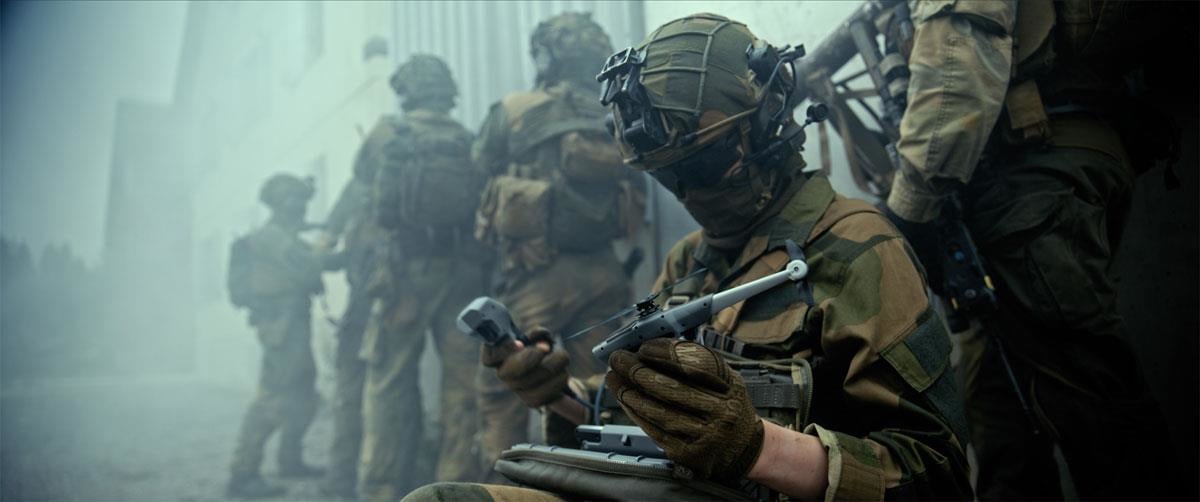
Figure 8.1 Black Hornet personal reconnaissance drone developed in Norway
Photo: TELEDYNE FLIR Defense
The government emphasizes the need to detect, deter, and respond to unauthorized or malicious drone activity. This includes both negligent use by private individuals and intentional threats from state or non-state actors. Countermeasures include drone detection systems, legal frameworks for restricted airspace, and emerging technologies for neutralizing drones.
A key concern is national control over sensitive data collected by drones used in critical infrastructure sectors such as energy and healthcare. Vulnerabilities linked to reliance on foreign suppliers, particularly from countries with which Norway lacks security agreements are a cause of concern. Public entities may need to retain in-house drone capabilities or ensure secure procurement practices that include risk assessments and information protection.
To support effective oversight, the government is considering new legislation enabling civil aviation authorities to impose fixed penalties for minor violations and expanding inter-agency data-sharing protocols. A possible national drone detection center is under evaluation, and work is ongoing to clarify the legal basis for real-time identification of drone operators.
At the request of the Norwegian government, an expert group has assessed the legal and ethical challenges related to the potential use of jamming technology against drones. Currently, only the police and the Armed Forces are authorized to actively interfere against drones that pose security threats. Responsibility for risk assessment and the implementation of protective measures lies with individual operators, including owners of critical infrastructure; however, the Electronic Communications Act does not permit them to use jamming. Extending such authority would require amendments to the law and would place full responsibility for safe and responsible implementation on the operator.
The expert group also notes that technological developments, such as more robust drones and their increasing reliance on 5G networks, will make effective jamming increasingly difficult, likely requiring alternative drone counter-measures in the future. The group raised several fundamental legal and practical questions, including doubts about whether jamming would achieve the intended effect. On this basis, the government will not, at this stage, proceed with granting any actors other than the police and the Armed Forces a legal basis to neutralize drones.
As drone technology evolves rapidly, the government is taking a proactive approach to regulation, capacity-building, and international cooperation. This includes legislative reforms, operational training, and continued investments in secure infrastructure. The goal is to ensure that the benefits of drone technology are fully realized while maintaining the safety and resilience of society in the face of new and emerging threats.
To strengthen national security and enforcement related to drone operations, the government commits to:
- Presenting a dedicated drone strategy for the defense sector
- Exploring measures to raise awareness about supply chain security in order to safeguard national security interests
- Evaluating whether the Civil Aviation Authority should be granted authority to issue fixed penalties for minor violations of drone regulations
- Assessing the establishment of a drone detection center in Norway
- Initiating regulatory work aimed at establishing general rules for the sharing of information on illegal drone activity
- Considering amendments to the regulation on unmanned aircraft to clearly define which restrictions on drone operations should be subject to criminal penalties