1 Introduction
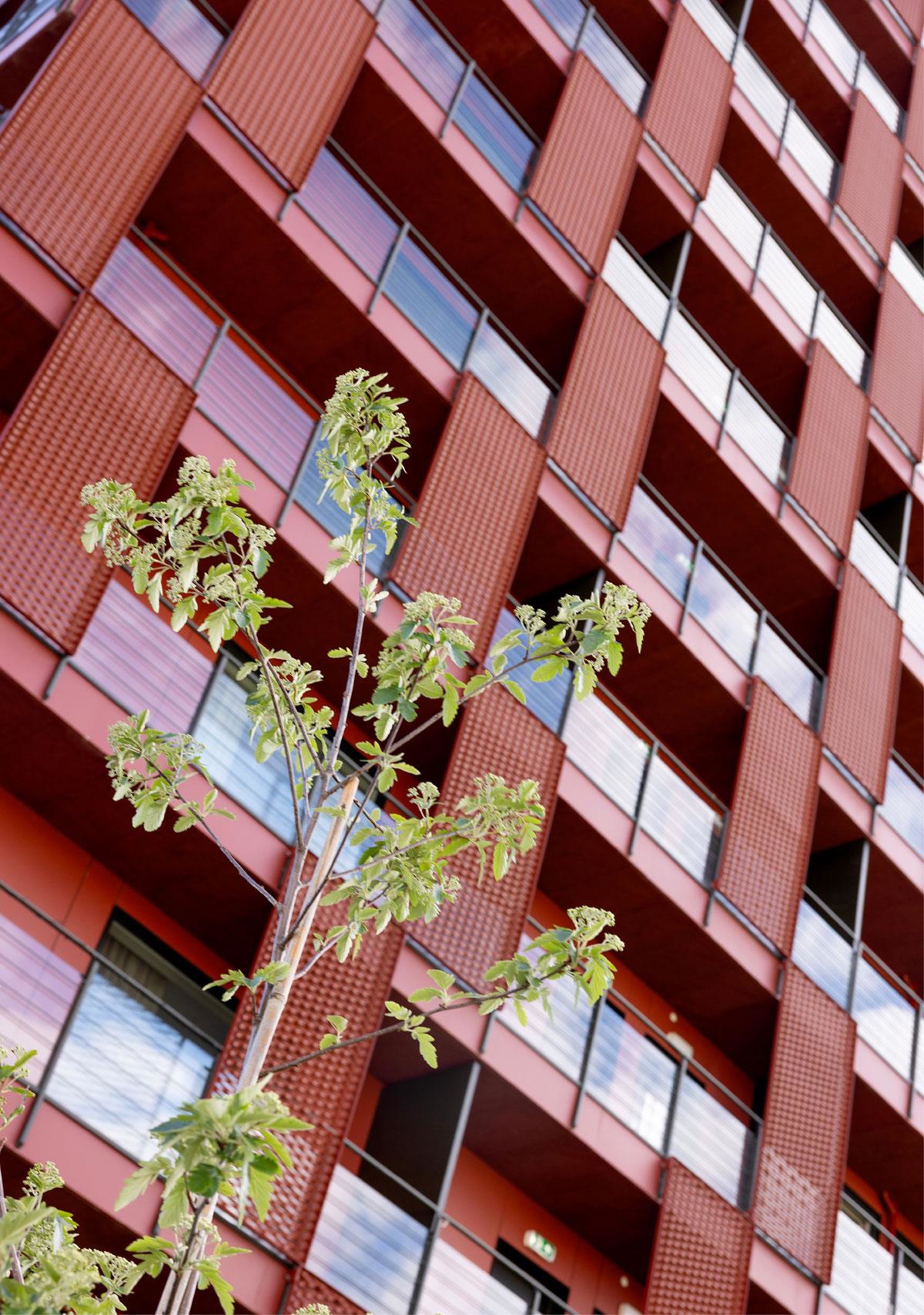
Ola Frosts veg 5 , Trondheim. Developer: Frost Eiendom AS. Architect: Arc arkitekter AS. Photo: Stine Østby
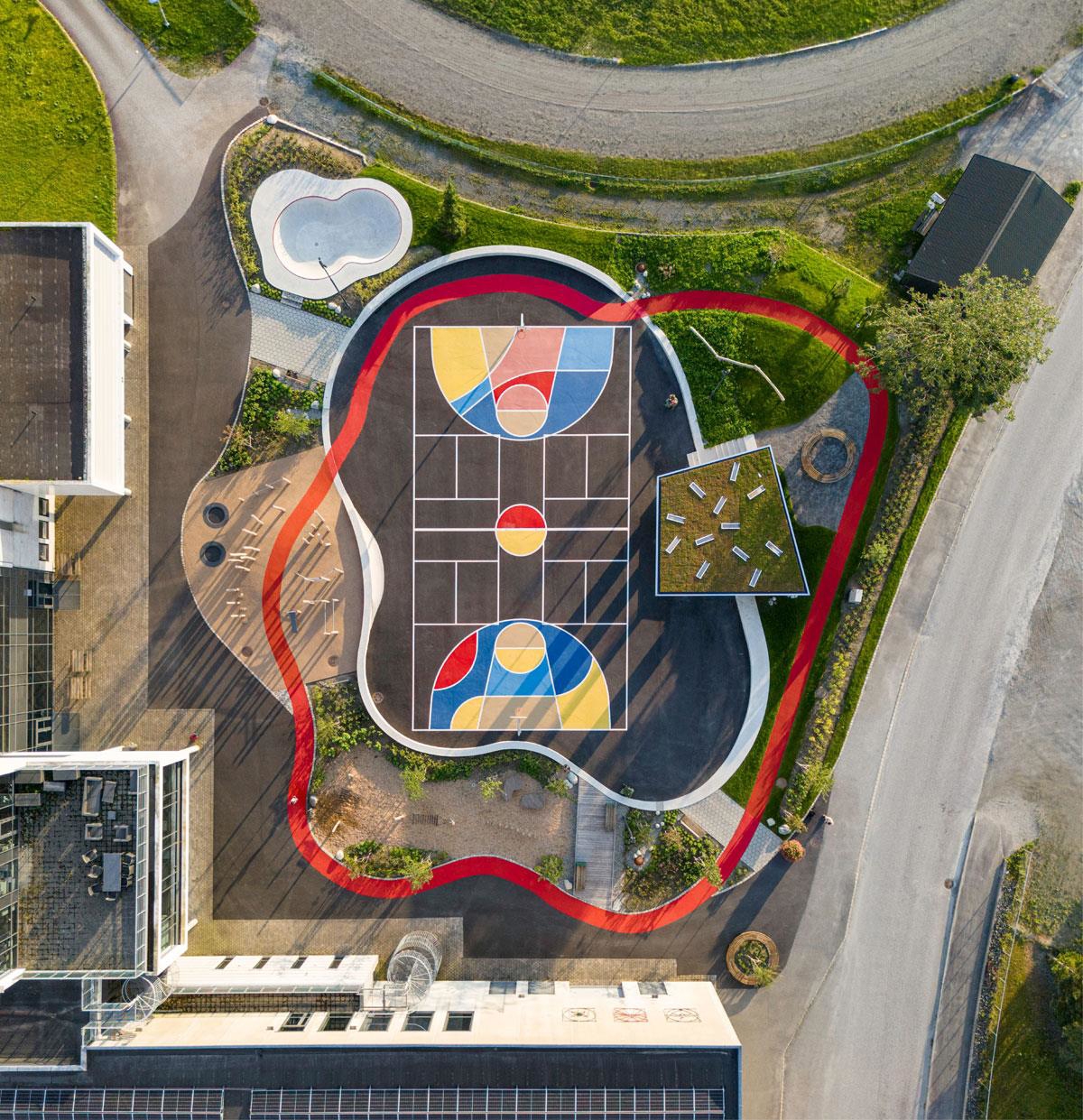
Skakkeringen Activity Park , Etnesjøen. Client: Etne municipality. Architect/Landscape architect: Local AS/PIR2 AS. Photo: Architectural photography by Artishot
Why an architecture strategy?
Architecture frames people’s everyday lives. Building housing and shaping local communities is fundamentally about contributing to the development of towns, cities and urban areas where people will reside, work and live their lives.
In a broad sense, architecture encompasses all man-made environments, including buildings and installations, outdoor spaces and landscapes. It concerns individual buildings and the interplay between them, as well as the holistic of towns, cities and landscapes.
There is a need for increased housing development and the majority of housing will be built through densification and transformation. Housing development brings with it the need for technical, social and blue-green infrastructure. It is essential that urban and local development, planning and architecture are seen in context.
Densification has been a key land-use policy objective for over thirty years, and remains so today. Efficient land use, increased transformation and reuse are essential to reducing consumption, greenhouse gas emissions and the loss of natural and cultural environments. Planning and architecture are key tools in the transition to a low-carbon society.
There is often resistance to densification, and in recent times, criticism has increased from both researchers and grassroots movements. In recent years, the debate about architecture and quality in newly built neighbourhoods has highlighted some of the weaknesses in the past decades’ densification of towns, cities and urban areas. In many places, densification has led to the degradation of natural areas, has been poorly adapted to its location, and has been perceived by many as reducing the quality of existing urban and living environments.
Shaping surroundings is an important means of achieving desired changes. The Government does not intend this strategy to define what good architecture is , but rather what architecture can do . Architecture can help fulfil social missions in many sectors and at all levels of government.
People’s quality of life should always be in focus . Architecture responds to our physical and social needs – such as to move around, gather or have a place to live. At its best, good architecture can help create greater diversity, accessibility and inclusion in buildings and public spaces.
Quality need not be more expensive . Some people feel that quality conflicts with keeping costs down and the pace of construction up. The goal is that enduring qualities in the physical environment in towns, cities and urban areas do not delay or increase the cost of construction processes. Clear ambitions from the outset of a construction project can raise quality and reduce costs.
The Government’s ambition is for the strategy to contribute to architecture with varied neighbourhoods, a prudent use of resources, beautiful surroundings and enduring qualities. To fulfil this ambition, the Government has five main initiatives to create space for quality:
- Strengthened coordination of state sectors and instruments
- Contribute to planning and building application processes that ensure quality
- Competence and tools for architectural quality
- Promote exemplary projects and stimulate innovation
- Enhanced land-use planning
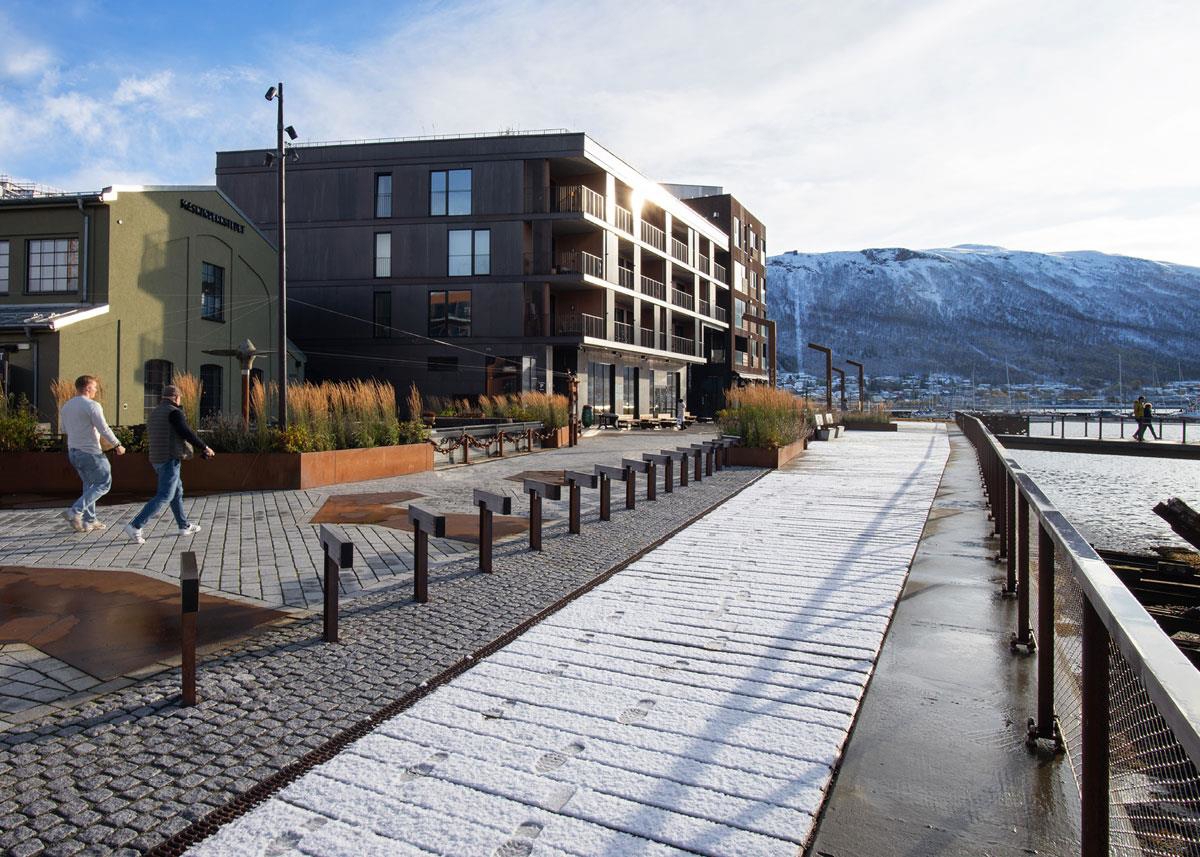
Vervet, Verftsparken and Slipptorget , Tromsø. Developer: Vervet AS. Architect/Landscape architect: LPO arkitekter AS/Lo:Le landskap AS. Photo: Michály Stefanovicz
Roles and responsibilities
The built environment is developed through an interaction between local authorities, national frameworks, private initiatives and investments, and citizen participation. It is mainly municipalities and private actors who are responsible for the management, planning and construction in towns, cities and urban areas.
The state has various roles and responsibilities in contributing to quality in the built environment. State sectors set the framework conditions for architecture through regulations, norms and standards. The state is the overarching planning and building authority. State actors are owners of and property managers for state-owned buildings and infrastructure. The state facilitates knowledge, research and innovation, and plays an important role as a driving force and advisor to others.
Several ministries are responsible for architecture within their sectorial areas. The built environment concerns all areas of society. The Ministry of Local Government and Regional Development also has coordinating responsibility for this policy area.
With this strategy, the Government encourages commitment and action from all those involved. The strategy is relevant to actors and fields that contribute to how we collectively manage and shape our physical environment, and it is not solely limited to the architecture profession.
The strategy is a starting point for further efforts. Urban development, local development and architecture need a greater degree of attention. We hope the strategy will provide inspiration and a boost to all those working to develop quality in the built environment.
The content of the strategy is based on insights from meetings and discussions with municipalities, the architecture industry, construction and property actors and other organisations, and the content is inspired by municipal architecture strategies and the national architecture policies of other countries. It also draws on reports, written input to the Ministry of Local Government and Regional Development has received for the strategy work, the ‘Arkitekturløftet’ [the ‘architecture pledge’] from the input forum for architecture, housing quality and neighbourhoods, and the work of an inter-ministerial working group on architecture.
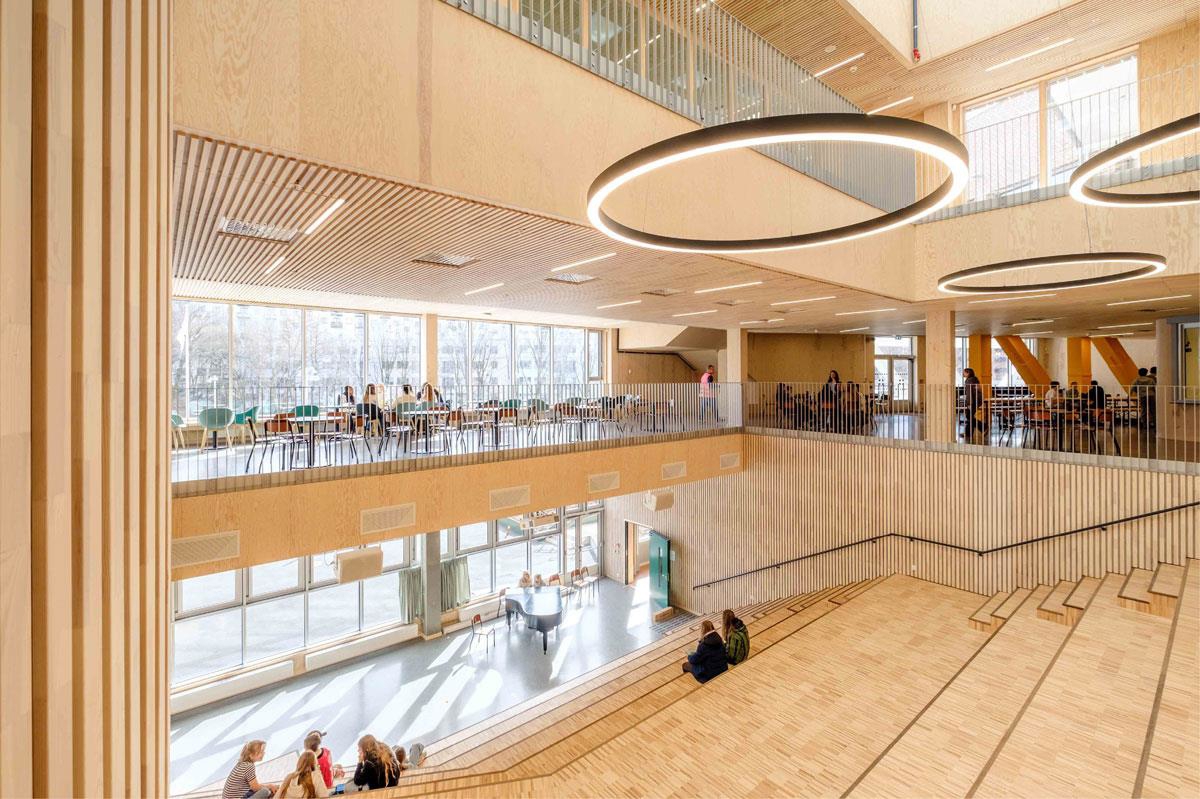
Bentsebrua School , Oslo. Client: Oslobygg. Architect/Landscape architect: Holar Ola Roald AS/Gullik Gulliksen AS. Photo: Benjamin A. Velure
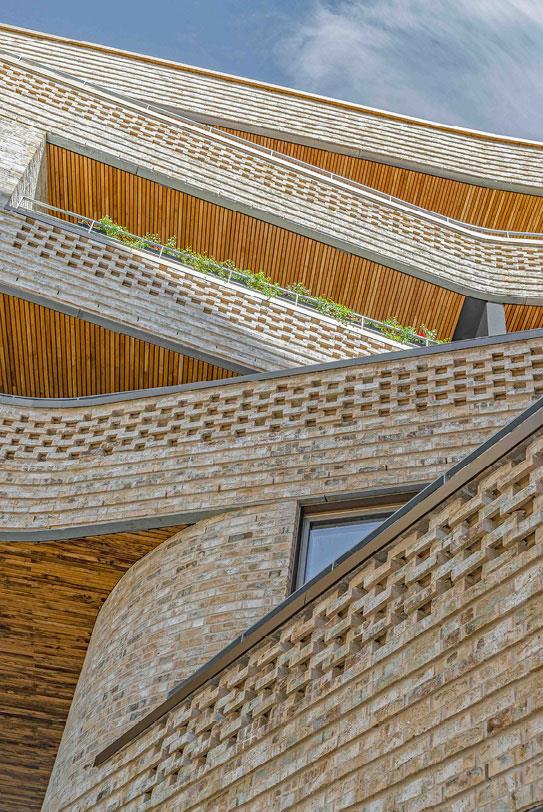
Wesselkvartalet , Asker. Developer: Wesselkvartalet AS. Architect/Landscape architect: Vigsnes + Kosberg++ arkitekter AS/Gullik Gulliksen AS. Photographer: Nils Petter Dale
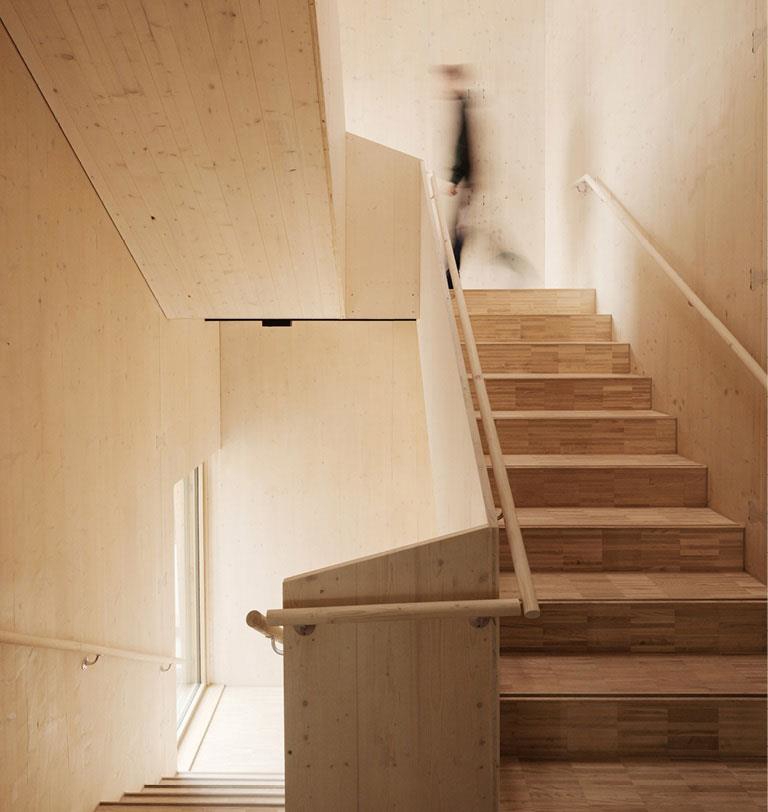
Hasle Tre , Oslo. Client: Höegh Eiendom AS. Architect/Landscape architect/Interior architect: Oslo Tre AS/Grindaker AS/I-d. Interior Architecture & Design AS/Romlaboratoriet. Photo: Einar Aslaksen
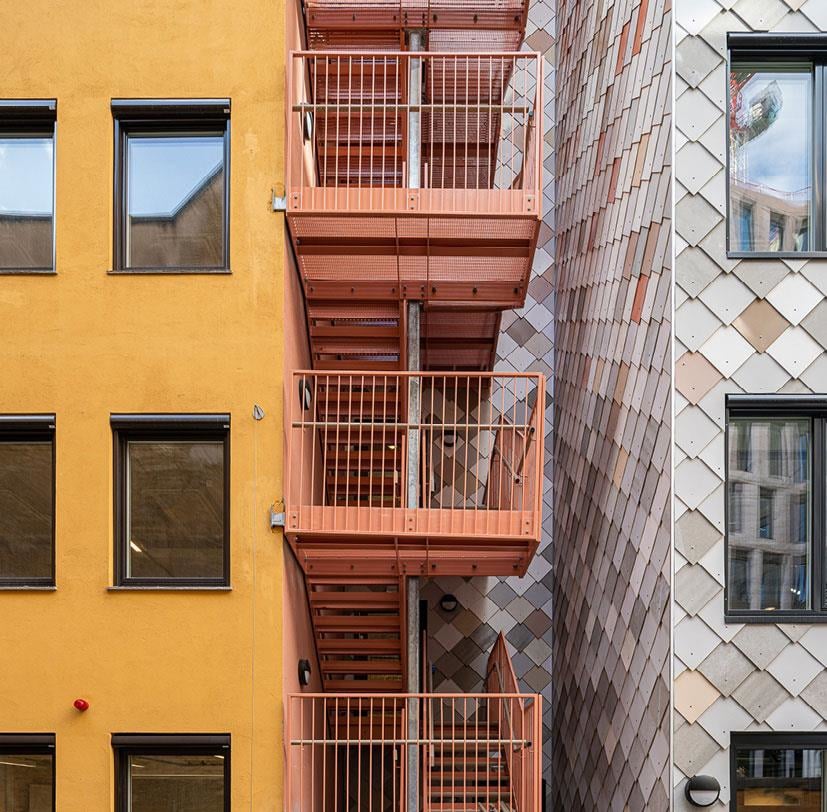
Kristian August gate 13 , Oslo. Developer: Entra ASA. Architect/Landscape architect: Mad AS/Asplan Viak AS. Photo: Kyrre Sundal/Mad arkitekter AS